

Case Study: Caochan na Creige

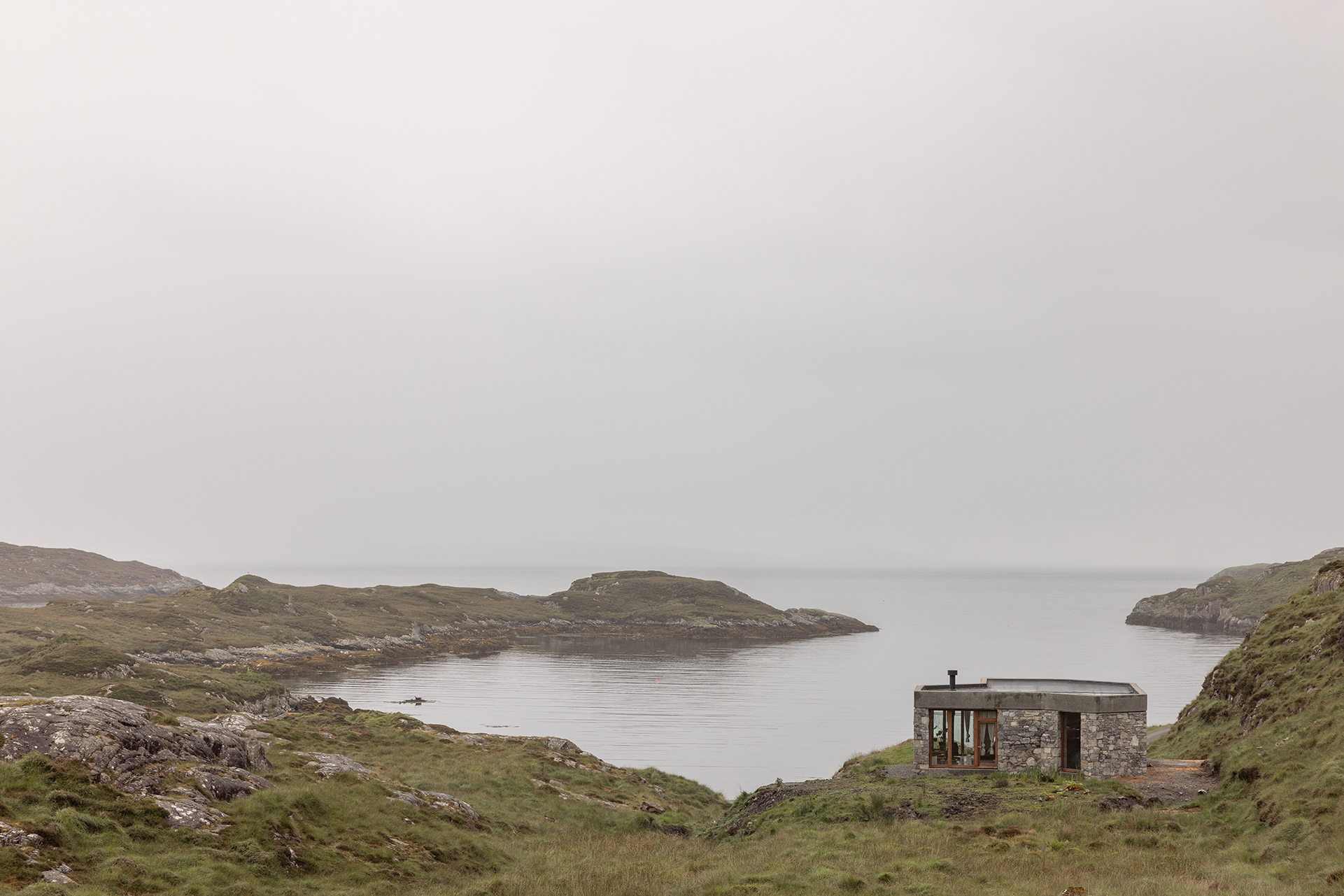
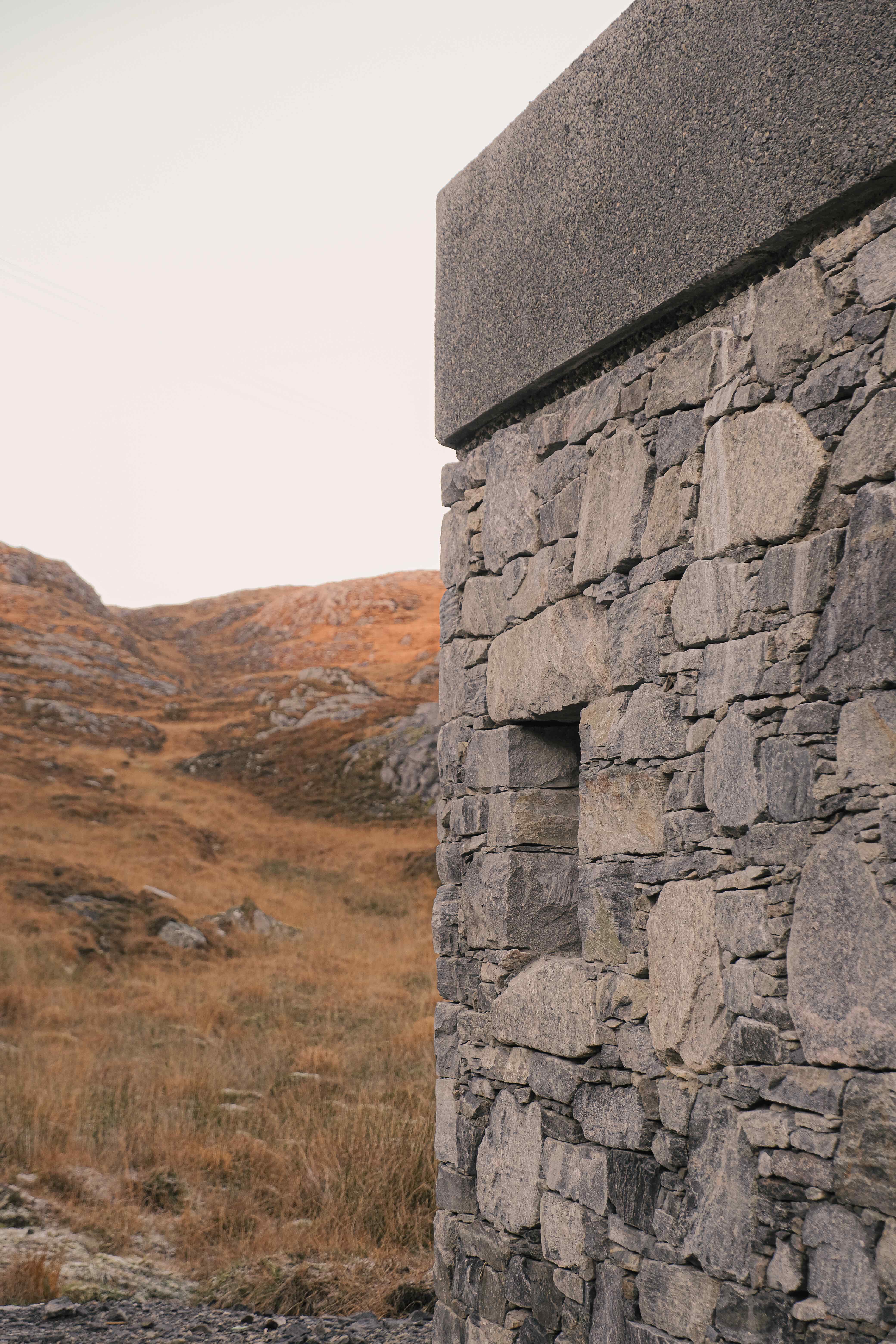
Built almost entirely from locally quarried Lewisian Gneiss, Caochan na Creige rises directly from the rocky outcrop on which it sits, overlooking the Minch towards Skye. Here, stone is not applied as cladding or surface treatment; it is the defining fabric of the building.
The remote, self-built stone house on the Isle of Harris has been designed and built by Edinburgh-based practice Izat Arundell, and was named RIBA House of the Year 2025 just before the festive break. An early Christmas present perhaps, but this project has been a labour of love that’s been years in the making.
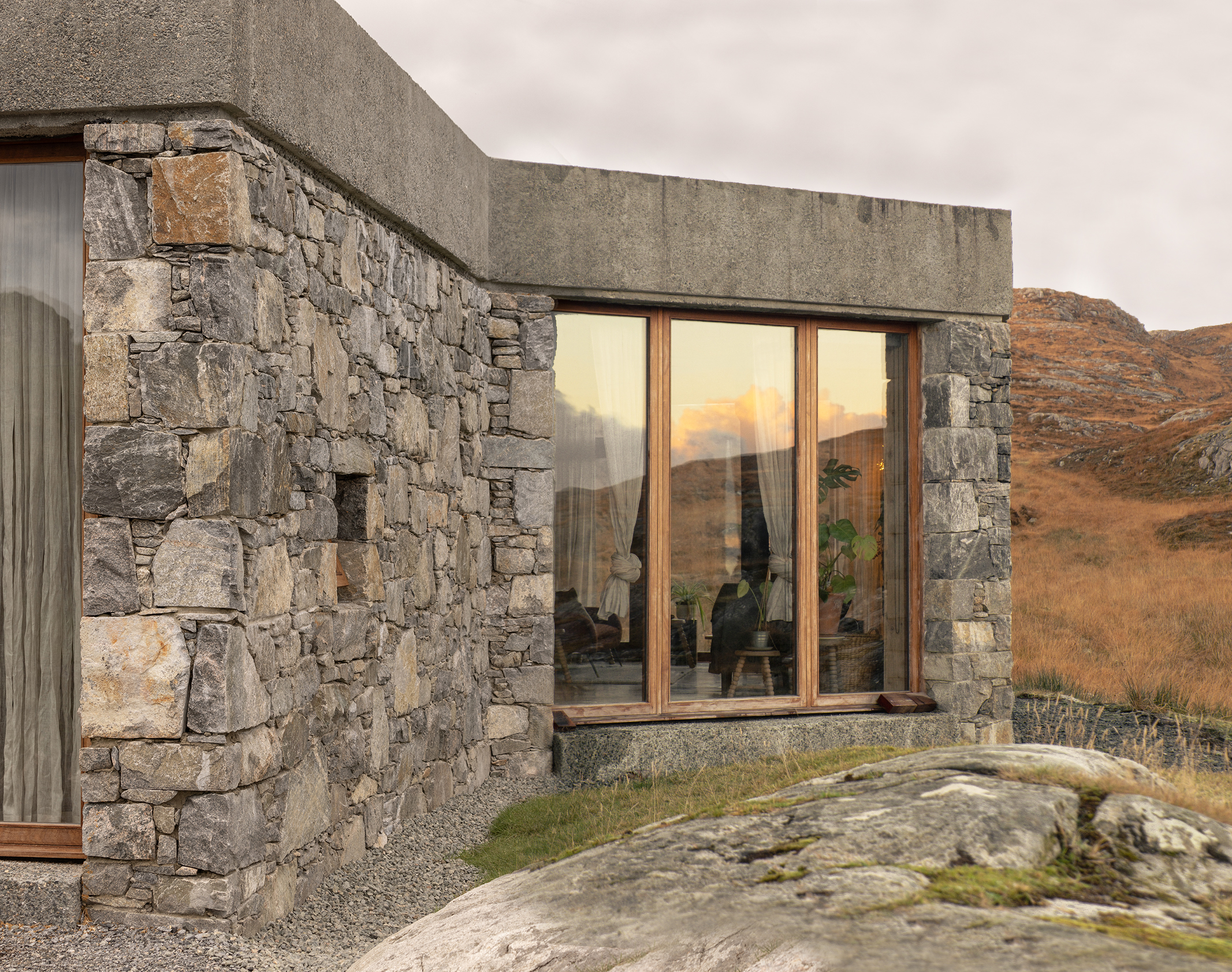
The house is the first new-build home on Harris for the practice, and also the private residence of the its founders, Eilidh Izat and Jack Arundell. Alongside their architecture studio, the couple also run the Edinburgh-based holiday let Porteous Studio and Scottish cider company Linn, but this project represents a particularly personal undertaking, and one fraught with obstacles. The house was entirely self-built by Jack Arundell, along with Eilidh’s brother, Alasdair Izat, a furniture maker, and their friend Dan Macaulay, a stonemason. Construction began in January 2022 and took 18 months to complete, during which the team endured nine named storms, working through some of the most challenging conditions the Hebrides can offer.
Placing vernacular stone construction firmly at the centre of contemporary architectural discourse, the project is notable not only for its architectural acclaim but also for the way stone is used as both structure and narrative. The Lewisian Gneiss used for the walls was sourced from a quarry less than five miles from the site, ensuring geological continuity between building and ground. Coupled with the team's tangible connection to the site and the building brings a sense of belonging.
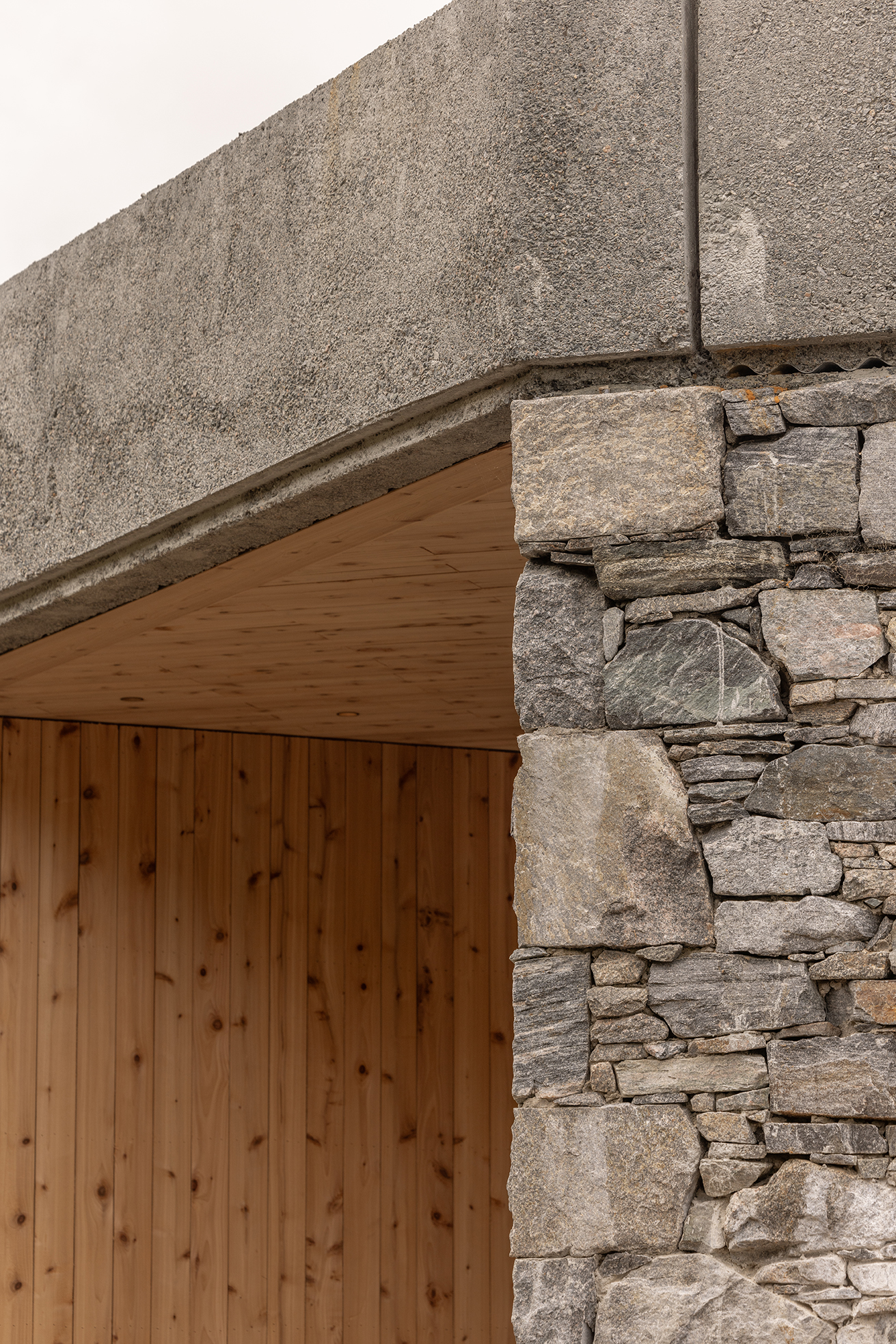
The house’s form is deliberately sculptural, shaped to respond to both the extreme climate and the expansive views. Perched above sea level, it is oriented to capture panoramic vistas while offering shelter from Atlantic winds. This balance of exposure and protection is a recurring theme in island architecture, and one Izat Arundell reinterprets through carefully angled walls and openings. Stonework is robust yet precise, with careful attention paid to coursing, junctions and openings.
The stone’s varied colour and texture give the elevations a geological depth that changes constantly with Hebridean light and weather. A concrete parapet with exposed Lewisian Gneiss aggregate caps the walls, subtly echoing the masonry below while introducing a crisp contemporary line at roof level. Hardwood windows are deeply set within the stone, reinforcing the thickness and solidity of the walls. The result is a building that feels crafted rather than assembled, reinforcing the idea that contemporary architecture and traditional stone skills are not mutually exclusive.
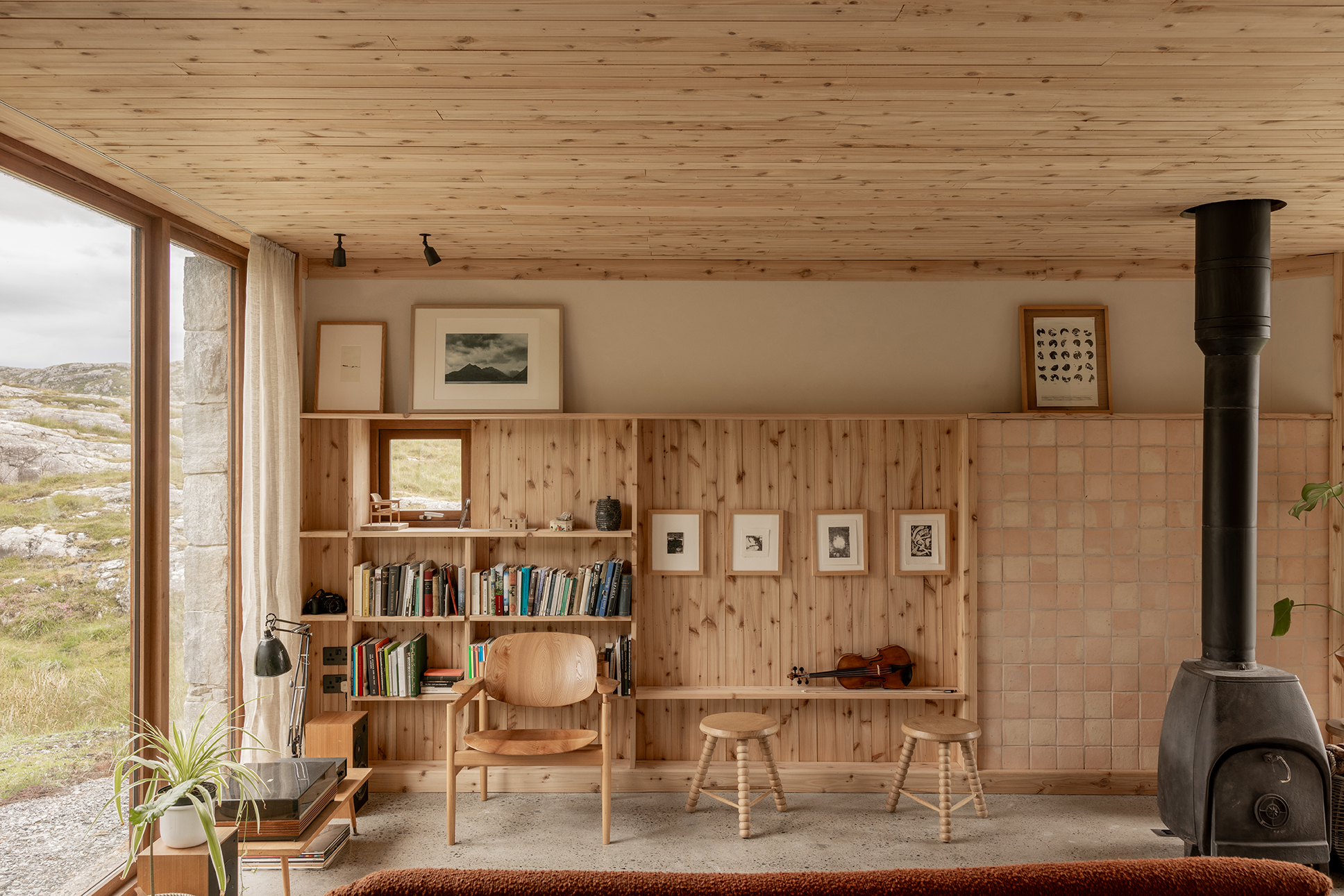
Inside, the influence of Harris’s vernacular black houses is apparent. Rather than rigid rectilinear rooms, the plan is defined by soft angles that guide movement through the house. Spaces flow into one another while remaining distinct, creating a sequence that feels both intimate and expansive. Black houses aren’t orthogonal, instead shaped by hand, by weather, and by use, and that softness shines through via modern construction methods.
Caochan na Creige offers a powerful reminder of what locally sourced stone, skilled craftsmanship and architectural ambition can achieve together. Its recognition as RIBA House of the Year 2025 not only celebrates Izat Arundell’s work, but also elevates stone construction as a sustainable, expressive and future-facing building method.
Image Credits: Richard Gaston & Jack Arundell