

Surface Perspectives: Andrew Waugh, Waugh Thistleton

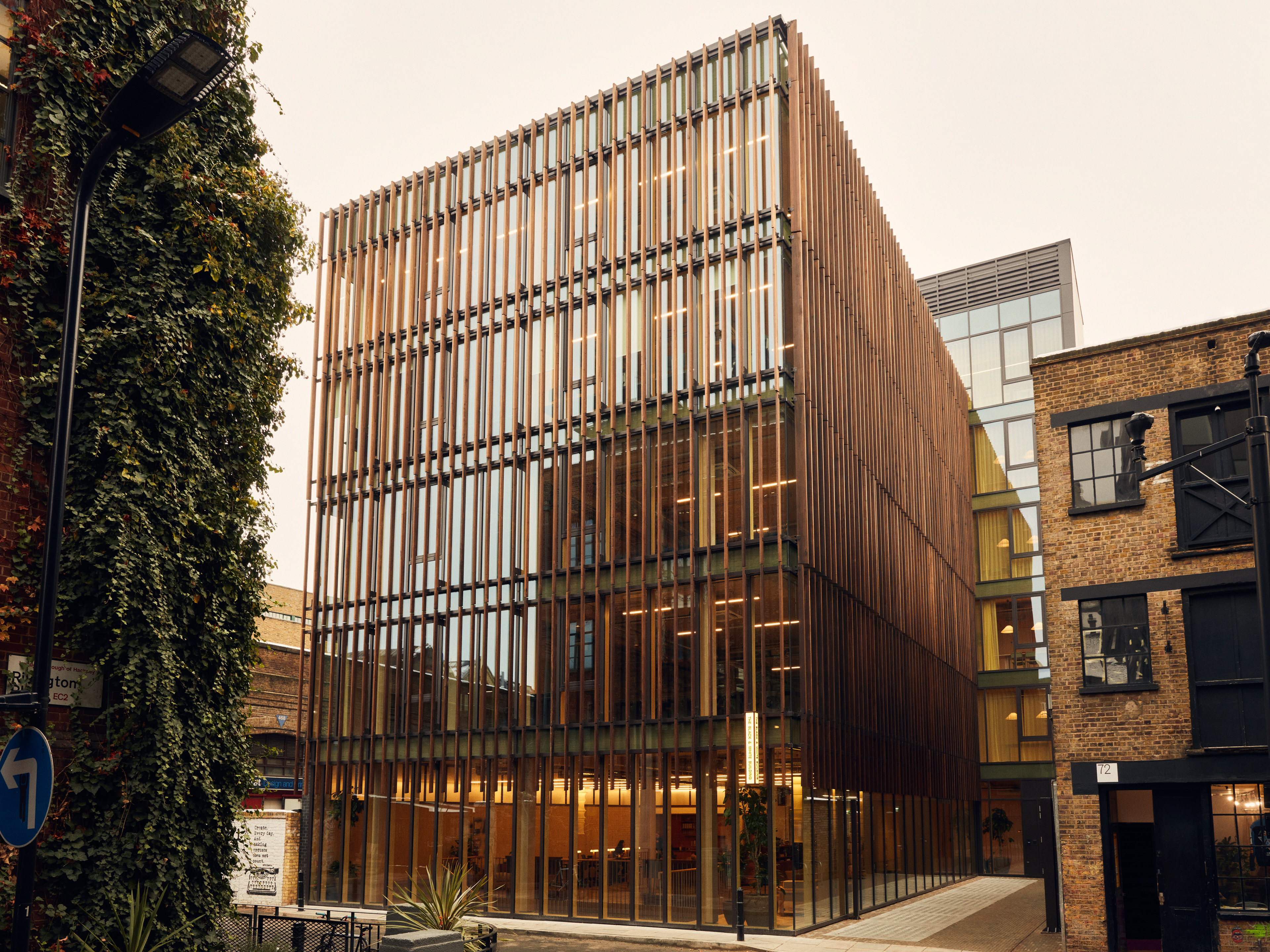
Andrew Waugh is one of the founders of London-based Waugh Thistleton Architects. Along with Anthony Thistleton and the extended team, the practice produce a wide range of building types, both in the UK and internationally. They are world leaders in engineered timber, pioneering tall timber buildings, including the renowned Black and White Building.
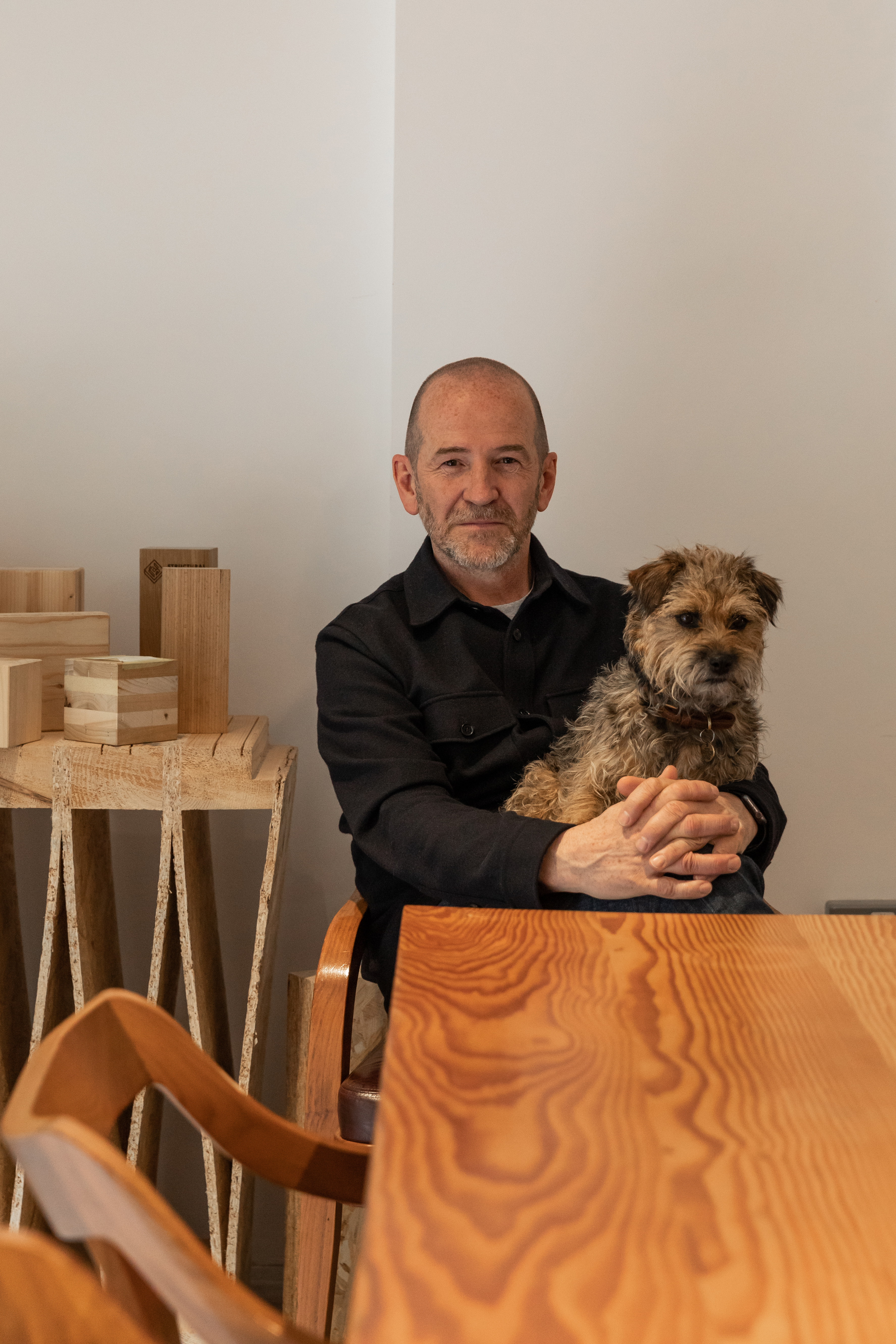
What does a typical day look like for you?
There is no such thing!! I travel quite a lot – we have projects in the US and across Europe, so I’m too often in an airport. But actually, travel has become my thinking time – so that’s enjoyable! When I’m in the studio it’s a mix of meetings and design reviews and is usually pretty full on! And then once in a while I end up in our local pub with Anthony.
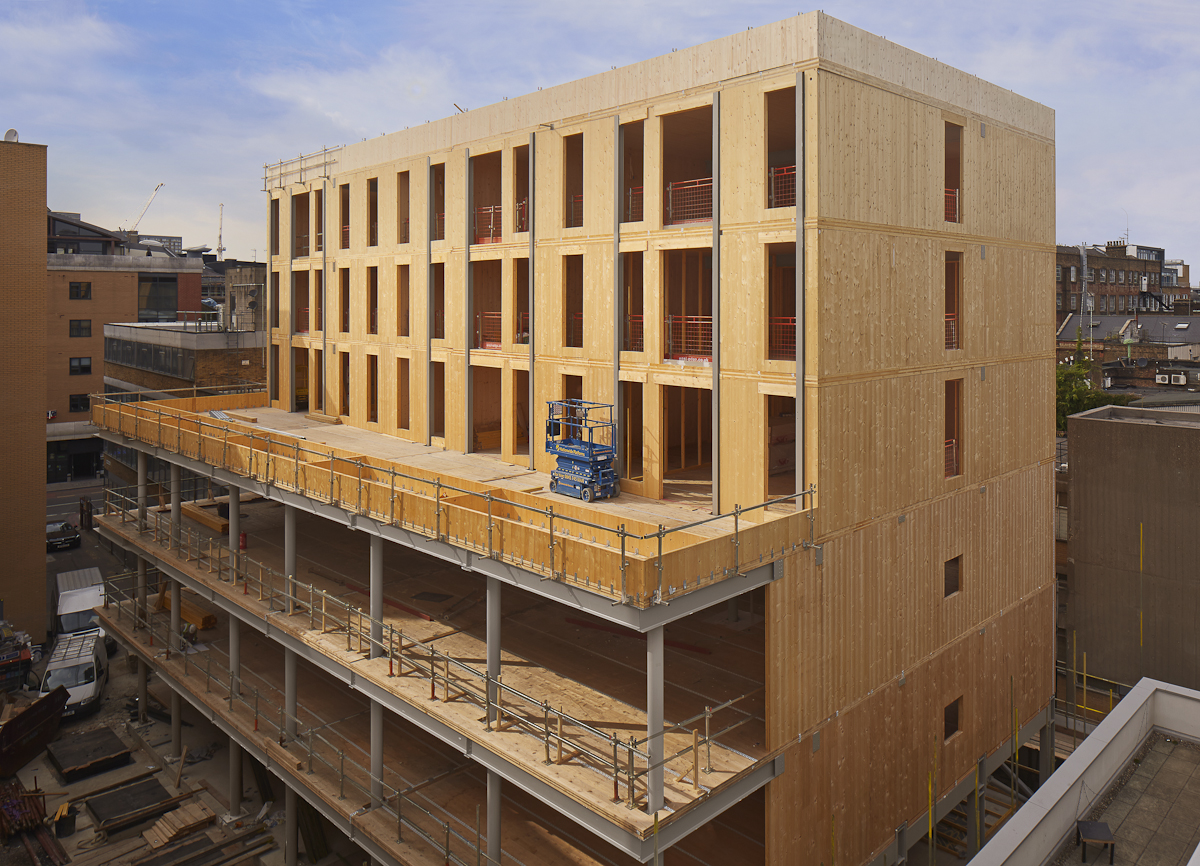
Image Credit: Will Pryce
How integral are materials/surfaces to your day-to-day?
The studio is bursting with samples – there are pieces of timber, lumps of stone – window sections on every shelf and spare corner! I remember as a kid I loved visiting DIY stores – even now, I’m still excited by the incredible potential of all those things to buy!
We do have tremendous amount of timber in the studio – we get sent samples from from around the world from manufacturers whenever they do something new, and we have sections of beams, walls and floor slabs from various projects.
What are the biggest lessons you have taken forward from your original training?
I think that my biggest take away from Architecture School was a strong sense of direction – that it is not enough to react to problems or briefs but that you should be pro-active, find the projects that you want and have a clear set of principles to apply. What’s your ethos!? Also, an important teacher told me always be an architect, never be a salesperson, a politician or a builder. Remember what you do and always prioritize.
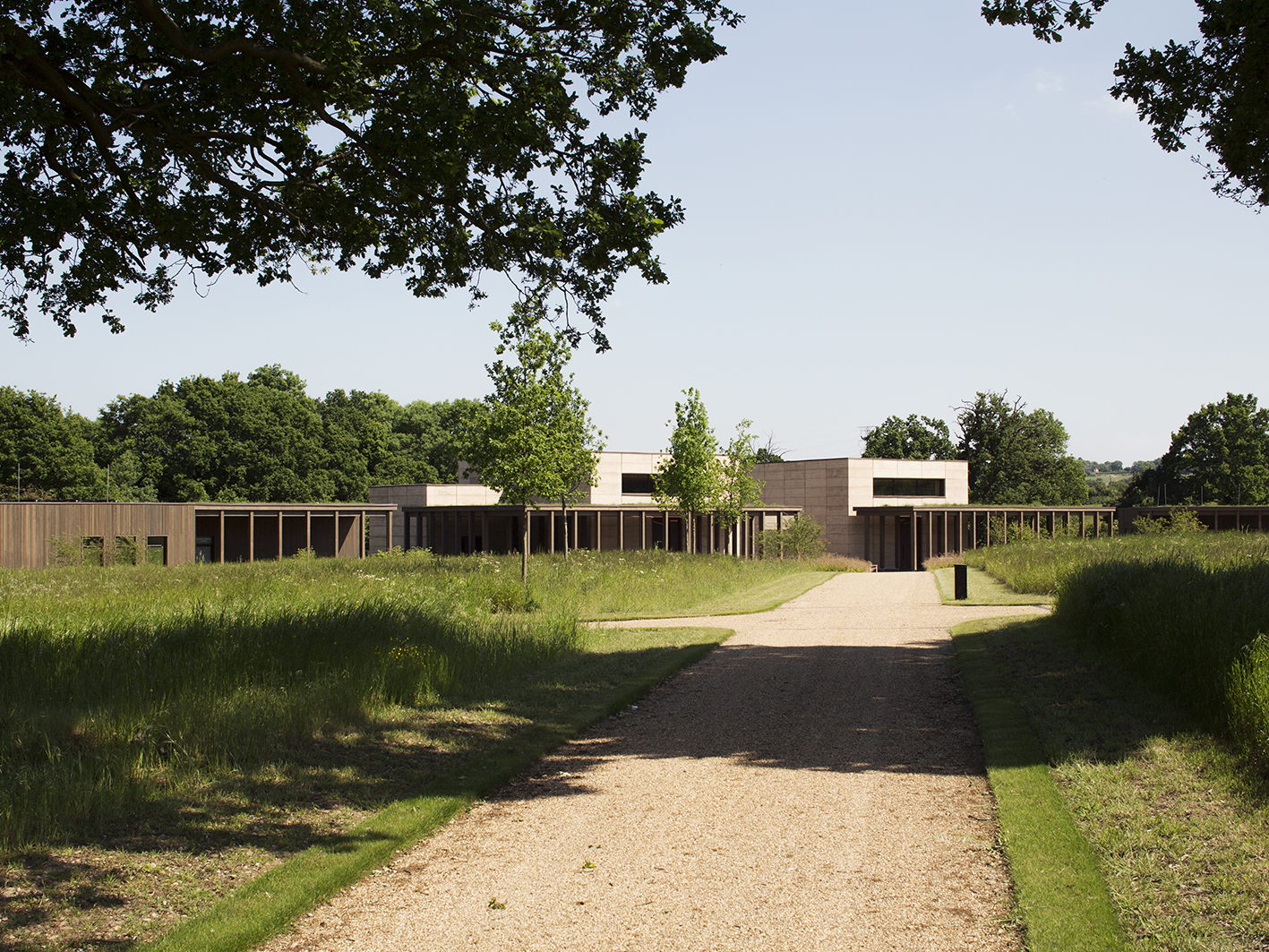
Image Credit: Lewis Kahn
Which project/s are you most proud of being involved with and why?
Rather than anyone project, I am most proud of our progress as a practice. Each project adds to our knowledge and our understanding of architecture and seen together there feels a real sense of achievement. But… if I had to pick it would be our Prayer Halls at Bushey Cemetery. We worked with the community for 10 years and I feel incredibly close to the project – and they really love the buildings!
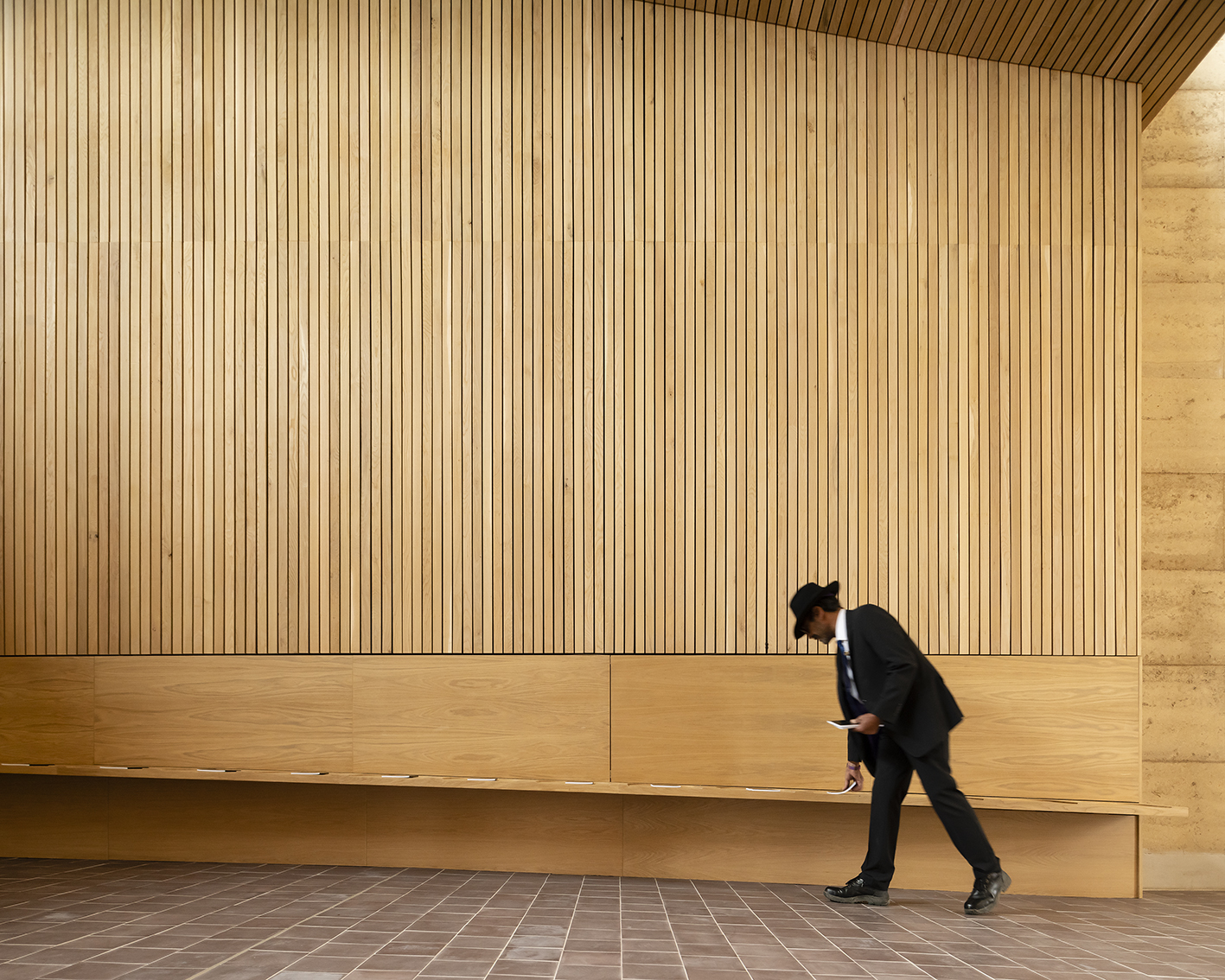
Image Credit: Jim Stephenson
What do you feel are the main challenges facing the construction industry today?
Architecture is always a direct reflection of the societies it serves – a society in trouble is writ large in its architecture. So affordability, climate crisis, AI - all these are issues we face in every aspect of our work.
In your opinion, what are the positives of using timber in the built environment?
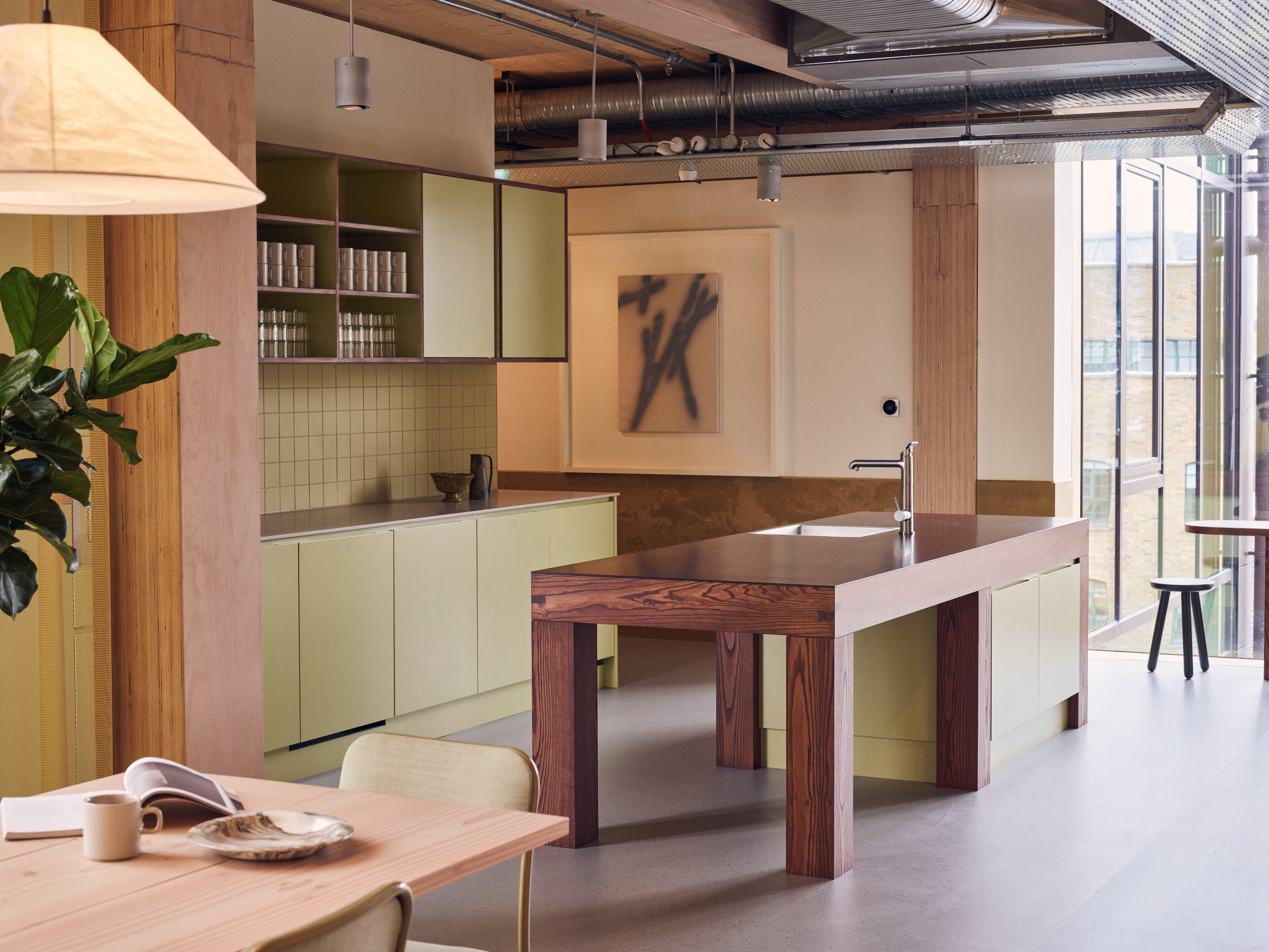
So many!! It is a readily available low-carbon technology that we can scale, it is easy to re-use and recycle, it is fast and accurate to build with, its light weight, and it has the potential to produce healthy, happy beautiful architecture that can deliver a better future!
How does sustainability shape your thinking and decision-making, and how do materials fit into this?
It shapes all our thinking. Buildings generate carbon emissions in two main ways: through the carbon used to produce materials and construct them, and through the energy required to heat, cool and power them. This operational carbon is measured over 60 years, and when expressed as a single figure it can appear large, but the carbon released in making the materials, the embodied carbon, is both highly energy-intensive and immediate.
This embodied carbon is where we focus our efforts. Our aim is to transform architecture by prioritising bio-based and low-carbon materials, and by recognising the direct impact that our design decisions have on the climate crisis.