

Surface Perspectives: Livia Spinolo

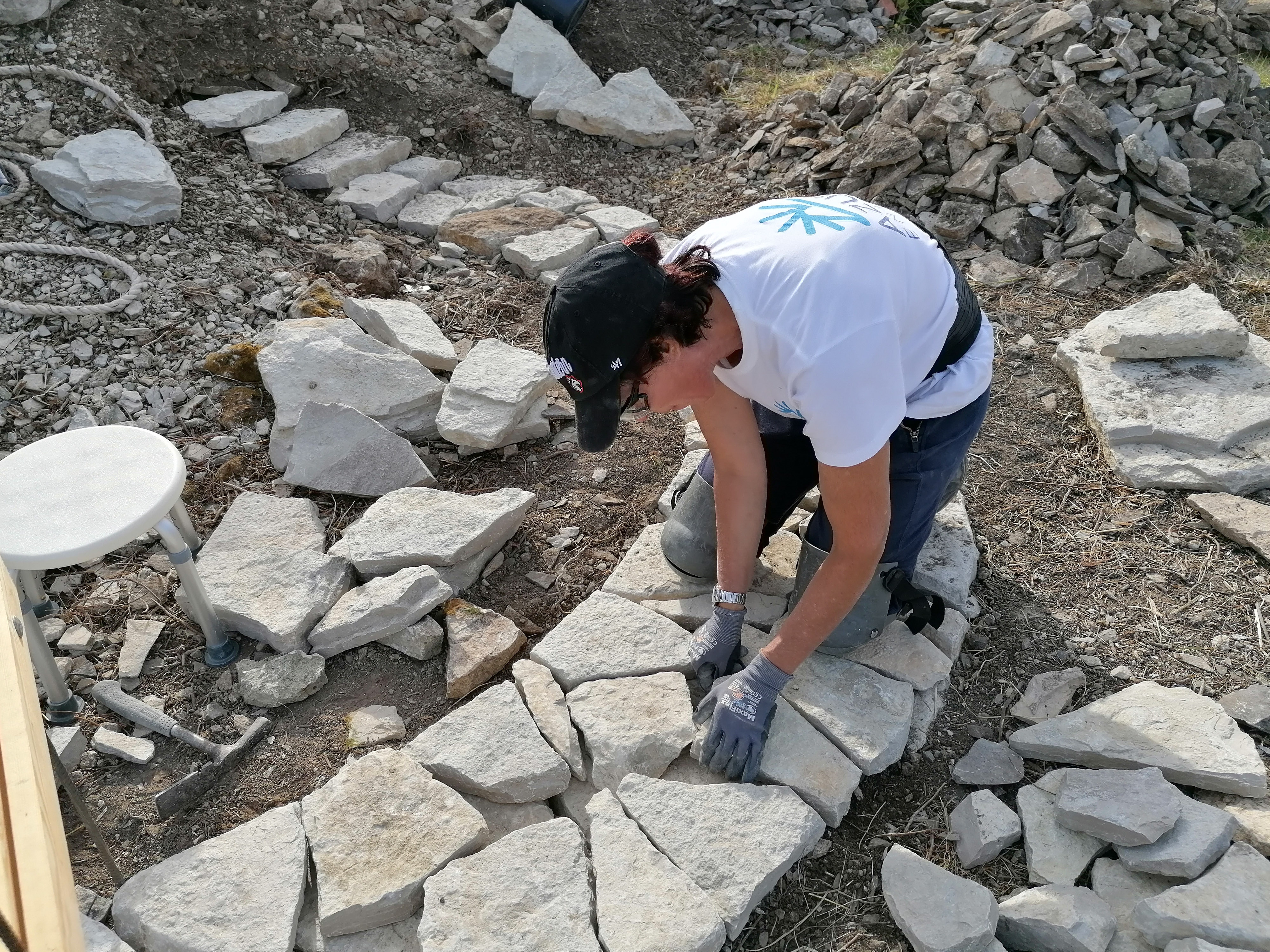
Having covered artist Livia Spinolo’s recent installation Ab Initio as part of the One Island, Many Visions exhibition, a collaborative event between Portland Sculpture & Quarry Trust (PSQT) and artist members of the Royal Society of Sculptors (RSS), we couldn’t resist finding out more about her material-led practice.
What does a typical day look like for you?
I spend most of my days in the studio researching, planning, and working hands-on with materials. A key element of my practice is selecting the right material for each project; for this reason, research also involves visiting the sites where the work will develop. The collaborative dimension of my work is equally important. I dedicate time to engaging with the organisations and art institutions I partner with. Conversations with environmental teams and on-site visits - observing how materials interact with their surroundings - form a significant part of my daily practice.
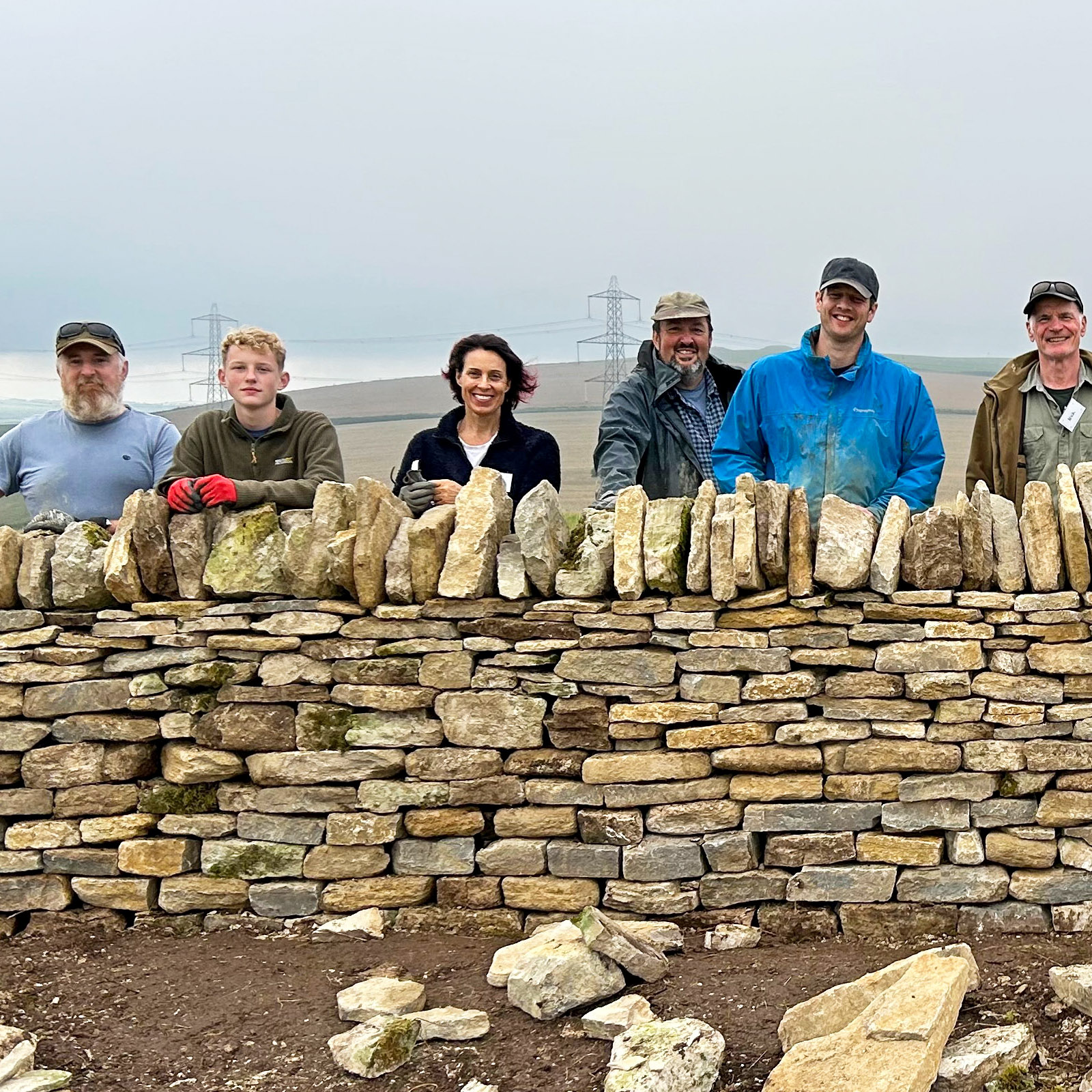
For Ab Initio, my latest work, the chosen material responded directly to the project’s site-specific and environmental requirements. Portland stone was integral to the landscape and possessed the physical properties necessary to function as a habitat.
How integral are materials to your day-to-day?
Materials and surfaces qualities are central to my practice. I work closely with stone, clay, Jesmonite, metals, and natural or upcycled found materials. Their physical properties, forms, and surface qualities guide many of my decisions. Much of my communication with collaborators revolves around materials - discussing firing processes with technicians, material strength and structural stability with engineers, stone characteristics with quarries, or ecological considerations with environmental partners.
For me as an artist, being true to the material is fundamental. I approach every project by considering what the material can naturally offer - its texture, weight, fragility, strength, colour, and behaviour. The artwork usually develops from the material’s inherent characteristics rather than from an imposed artificial aesthetic. I also work with the material’s imperfections and natural variations because they carry memory and authenticity. In this way, the material plays an active role in shaping the final work.
What are the biggest lessons you have taken forward from your original training?
My training instilled a deep respect for material experimentation and for the process of learning through making. I was encouraged to push boundaries, question assumptions, and let materials lead the way. That mindset continues to define my practice. I also carry forward the importance of critical dialogue and working within a creative community - skills that have become essential in the collaborative, site-responsive projects I pursue today.
Which project/s are you most proud of being involved with and why?
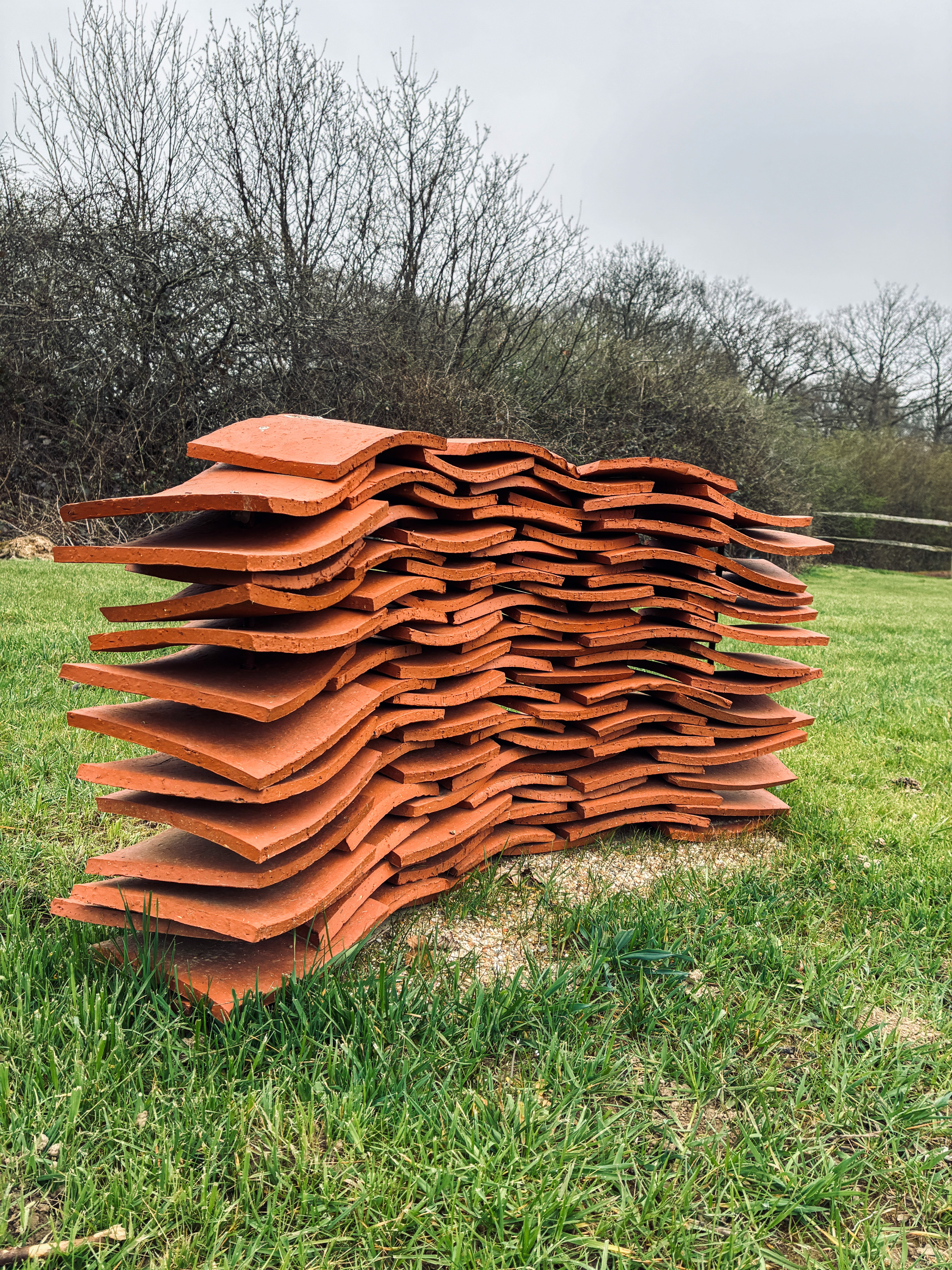
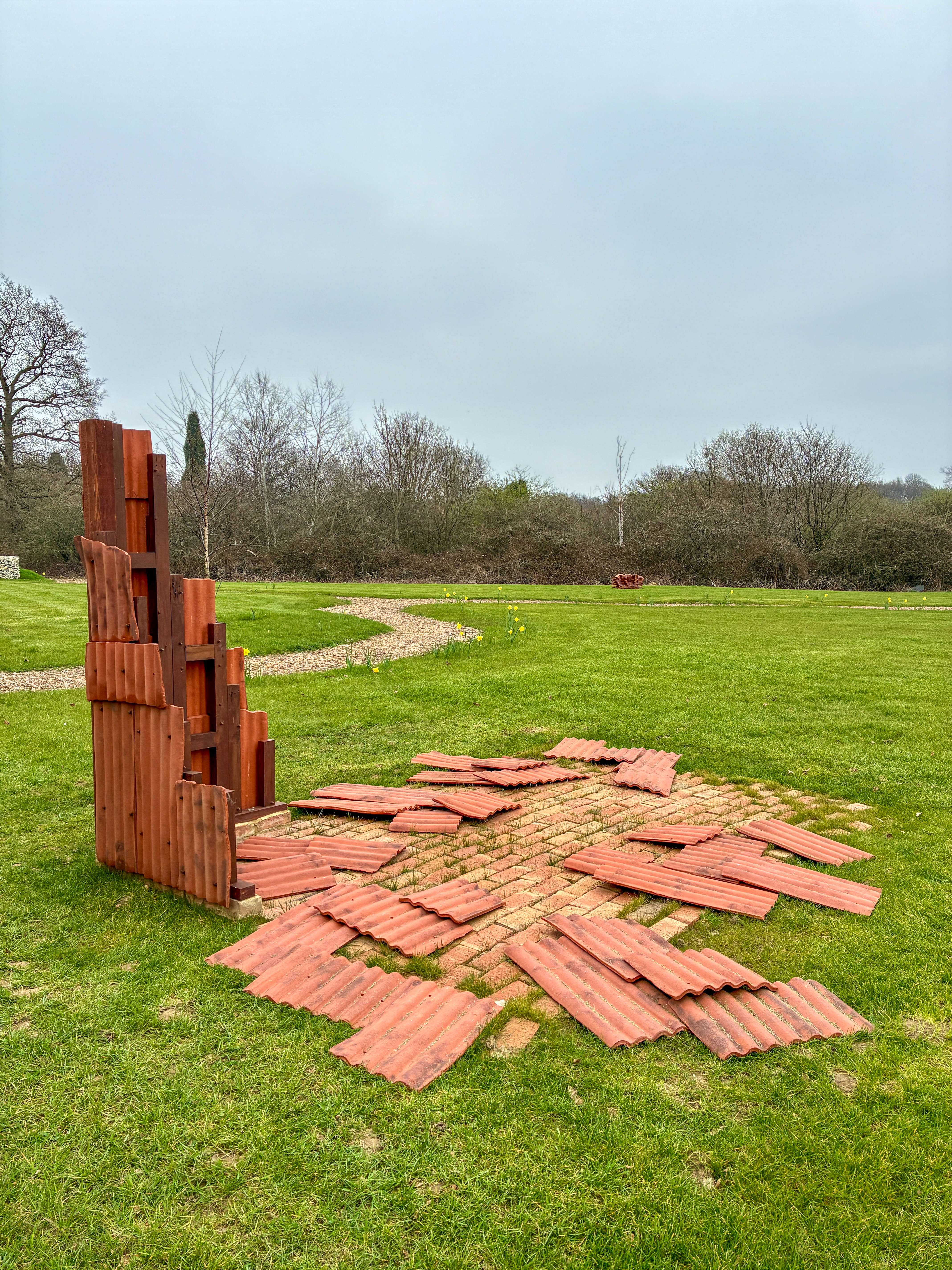
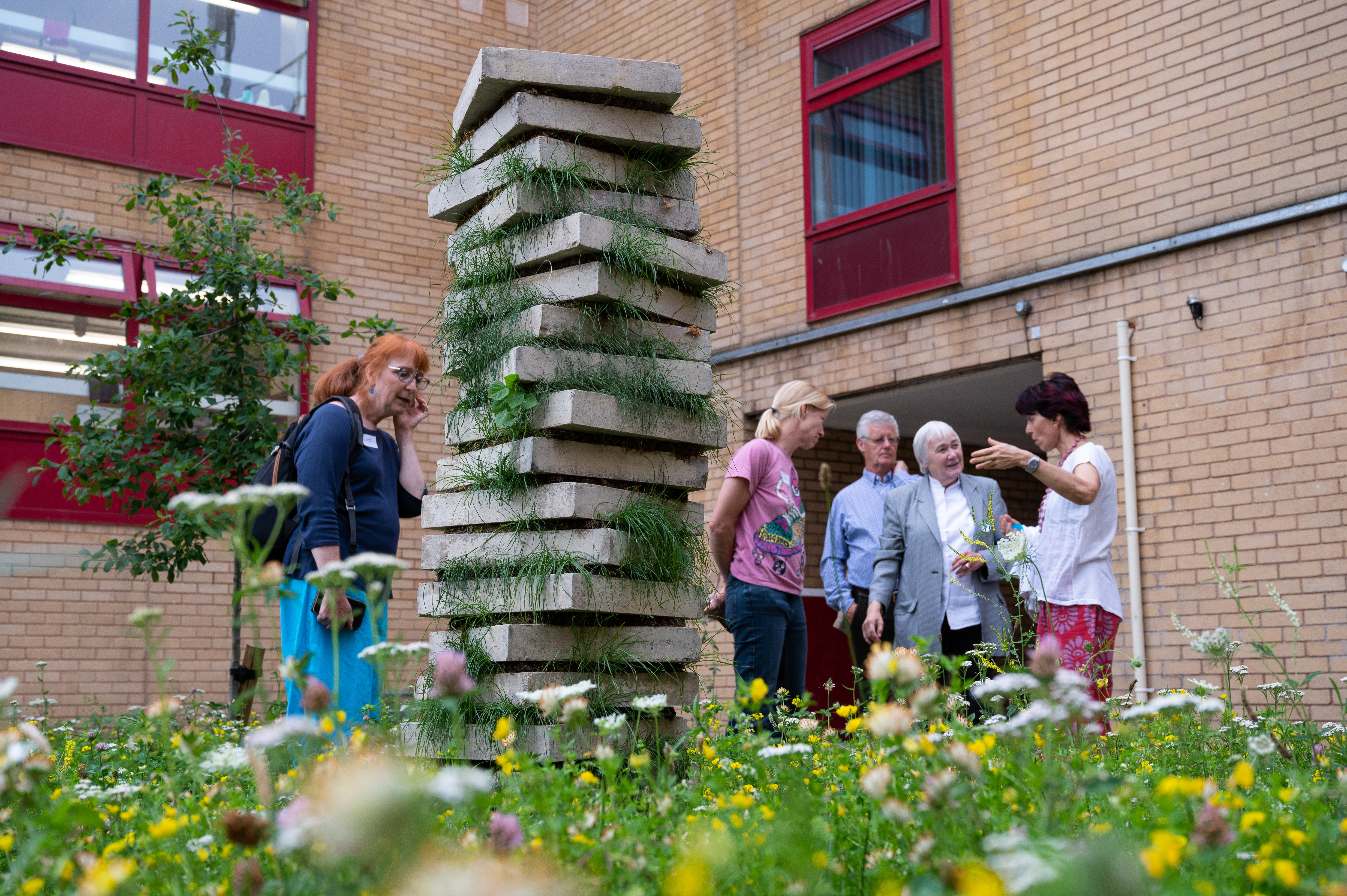
The projects I am most proud of are the Wienerberger Ewhurst Reptile Garden with its five large sculptural habitats made from industrial clay and the dry-stone sculptural habitat Ab Initio located in Portland. These sponsored projects are particularly meaningful to me because they bring together sculpture, ecology, and long-term site stewardship in a way that feels both innovative and crucial. I am also proud of Vertical Undergrowth, commissioned by Surrey Hills Arts for the University of Surrey campus, my first sculptural habitat created from upcycled concrete slabs and turf. These projects exemplify how sculptural forms can serve ecological functions in an environmentally conscious way while maintaining a strong material and aesthetic presence.
What do you feel are the main challenges facing the stone and surfaces industry today?
The greatest challenge is sustainability. Responsible extraction, environmental impact, and ethical labour practices are under growing scrutiny. At the same time, the industry faces competition from cheaper synthetic alternatives, which risks diminishing appreciation for natural materials and the craftsmanship behind them. Balancing demand with environmental responsibility will be key.
In your opinion, what are the positives of using stone in the built environment?
Stone offers durability, stability, and a naturally low environmental impact when sourced responsibly. It performs well over time, requires little maintenance, and has a visual and tactile quality that connects built structures to landscape and history.
How does sustainability influence your decision-making?
Sustainability underpins my approach from the outset. I consider where materials come from, how they can be reused, and whether a project can support or enhance local ecosystems. Many of my works are designed as habitats, so ecological impact is embedded directly into the material choices and the final form. I aim to create work that sits lightly on the environment while contributing something meaningful to it.