

Surface Perspectives: Tamsin Pickeral, Szerelmey

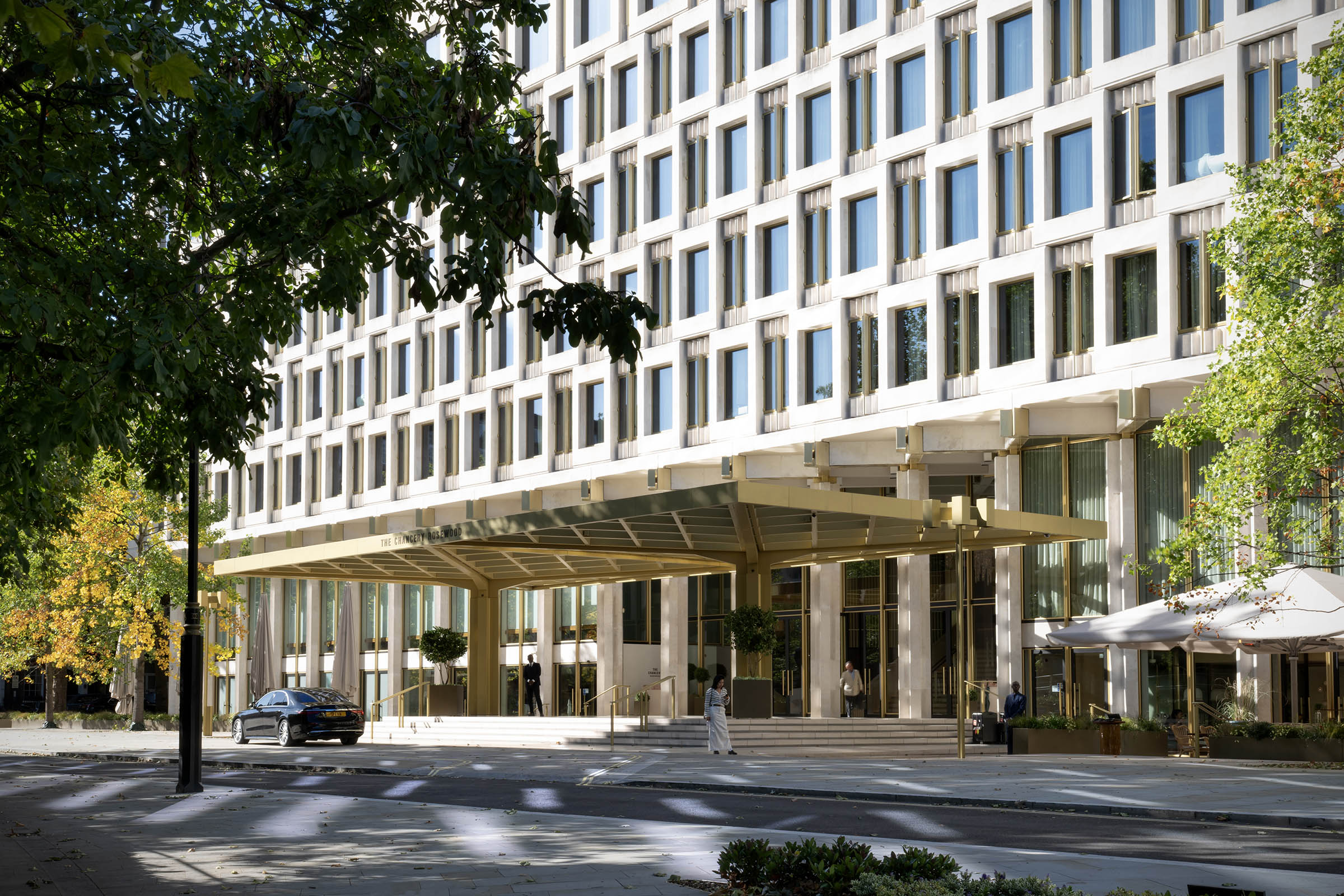
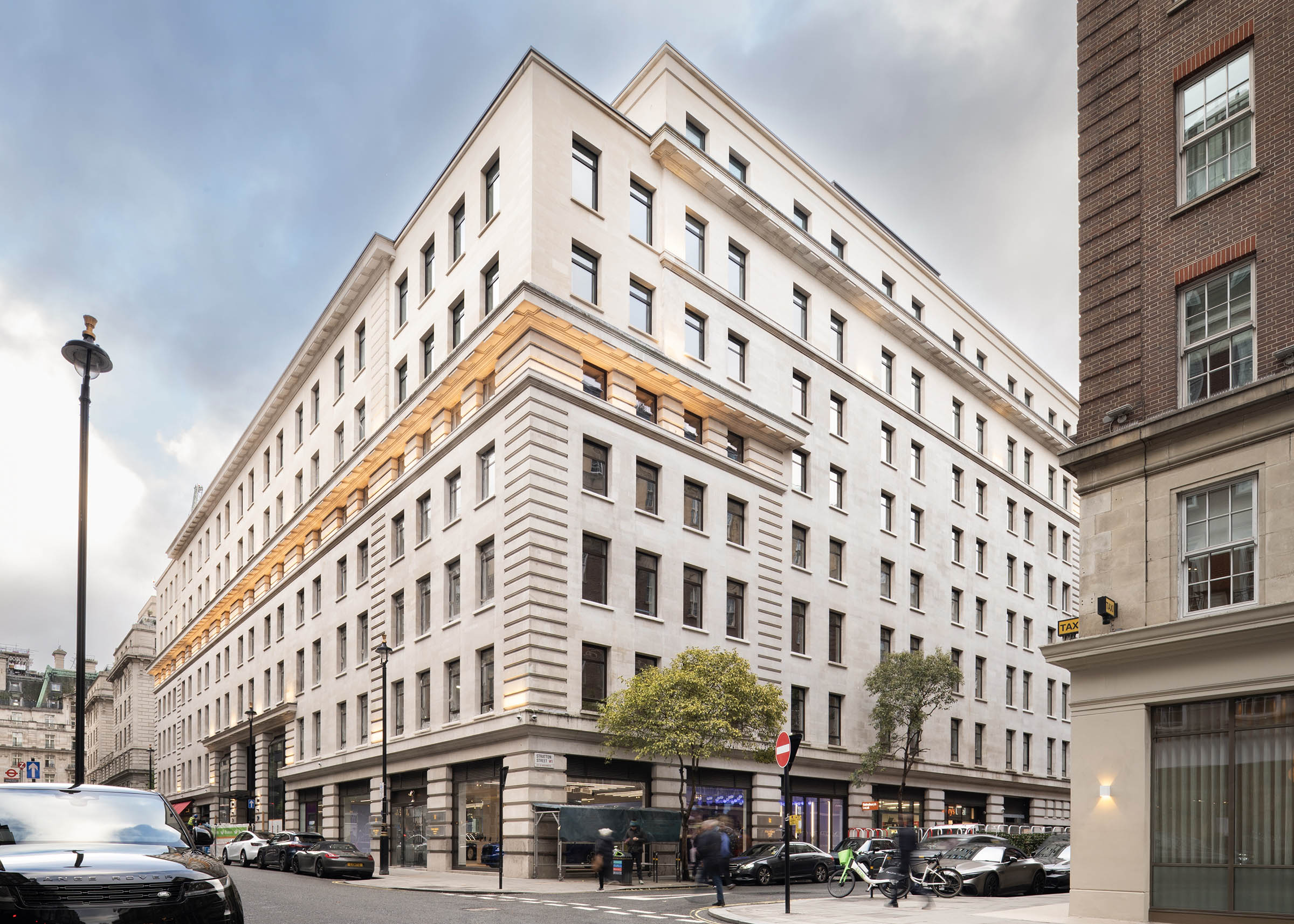
Szerelmey is a historic UK specialist contractor specialising in stonework, restoration, conservation and new-build façade projects. Founded in 1855, the company comes with a time-served seal of approval, which is reflected in the numerous projects on display across the country. The team combines traditional craftsmanship with in-house design and delivery capabilities across complex architectural commissions, of which Operations Director Tamsin Pickeral plays a vital role.
What does a typical day look like for you?
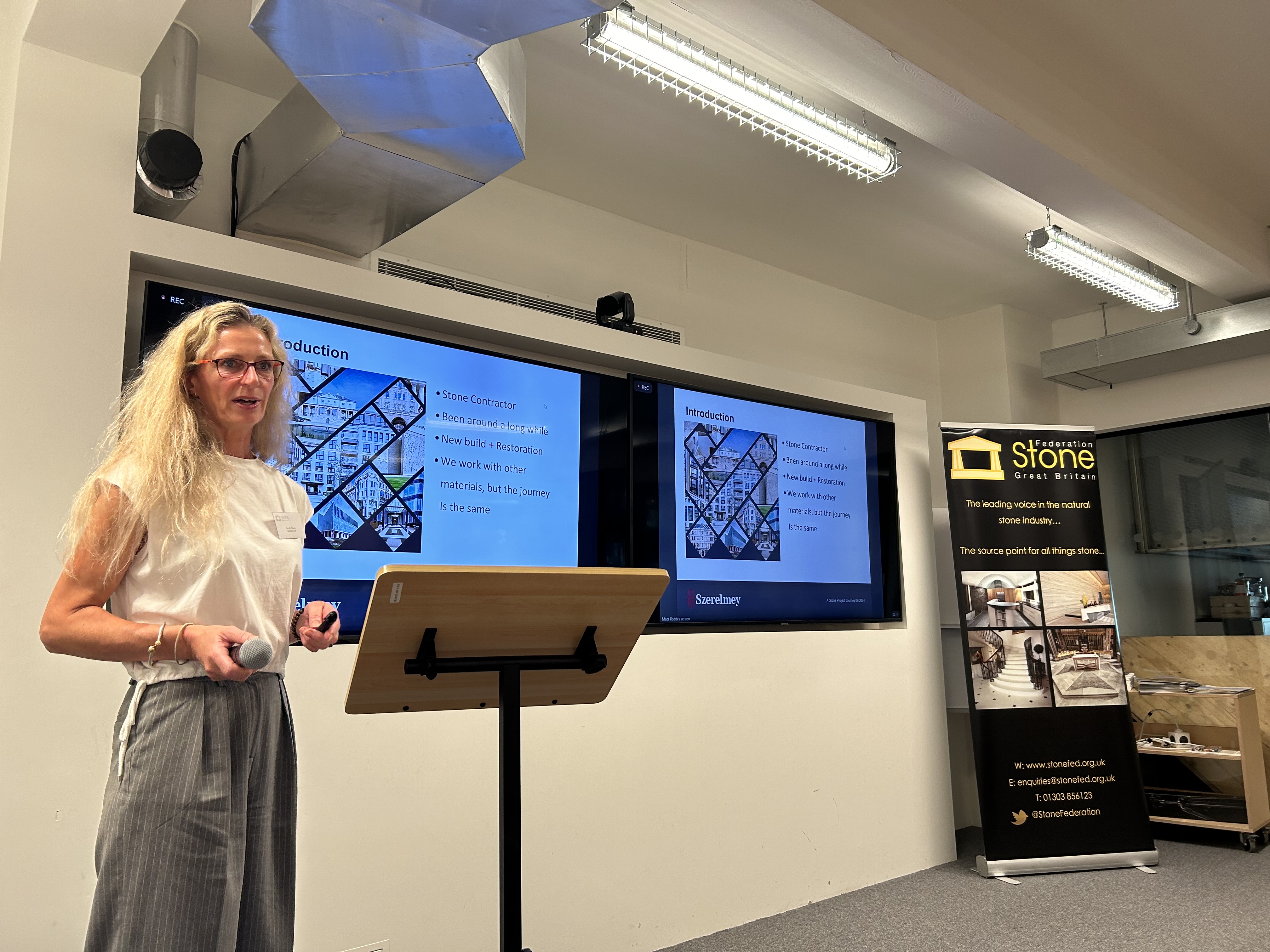
Our offices are based in Vauxhall, London, and I come into the office three days a week. On those days, everything starts very early, with my alarm going off at 04:10! I sort my clothes out the night before to save a bit of time, chug a coffee, and start the day with some Radio 5 Live. I generally doze on the train and am at my desk by 08:00 with a pint of coffee. My days often involve meetings with clients, which I really enjoy, and also lots of internal team meetings. On any given day, I might be involved in project meetings, following up on sales leads and managing our compliance team, presenting CPDs, or talking at seminars on sustainability and material reuse. I can also be found visiting sites, management meetings, generating PR material, on a project photoshoot, running our CRM software or sitting in on Health and Safety meetings. I try to go for a very slow jog (more of a shuffle) at lunchtime to get some fresh air.
My working from home days are a little less chaotic – to start with, I can have a lie-in to 06:15! Then I take my elderly greyhound for a walk before settling down with coffee and “getting stuff done”. I like to get all my work admin, planning and writing done at home, where it is nice and quiet and free from distractions…other than the dog.
How integral are materials/surfaces to your day-to-day?
Materials are completely integral to my every day and are one of many reasons why I love doing what I do! Szerelmey is an interesting company because we have two distinct sides to the business – new build, which incorporates a lot of complex design works and a diverse range of materials, and restoration, which covers all types of restoration, remodelling, refurbishment, dismantling and rebuilding facades. We cover pretty much everything and everything, and it’s all material-focused. My role in terms of sales and marketing sees me delving around in our stone sample drawers on pretty much a daily basis, receiving samples from suppliers, sitting in on supplier presentations and talking to clients about potential materials. These can range from stone, brick, terracotta and faience, to mosaic, glazed basalt, glazed brick and stone brick – the list goes on. I find the range of materials we work with genuinely fascinating and get very excited (over excited) on occasion talking about them. The tactile nature of the materials really appeals to me, and nothing more so than being able to reuse or repurpose a material from one project to another, or even within the same project. One area of materials that I am really passionate about is faience. Faience is glazed terracotta and affords virtually limitless artistic potential. I spend quite a lot of time delivering CPDs on the use of faience in modern buildings and trying to convince architects to use it!
What are the biggest lessons you have taken forward from your original training?
This is an interesting one for me because I fell into this industry by happy accident! My academic training was in History of Art and Architecture, which is entirely unhelpful for any career other than working in the arts, although I thoroughly enjoyed it. In hindsight, I think it did teach me how to look at buildings in a subjective and analytical way, which has helped me with my current role. It also instilled an absolute passion in me for “good” architecture and for the significance of historic construction and materials. I spent twenty-odd years working as a freelance professional writer, mostly non-fiction books, websites and marketing material. This taught me resilience and how to sell, and it was through this work that I landed a contract writing a few pieces for Szerelmey. One thing led to another and all of sudden I was a full time employee with a job title. It has made me realise that it doesn’t matter where you start in your career; providing you are dedicated and prepared to put the work in, you will eventually get to where you want to be. I am also very lucky that the culture at Szerelmey allowed me to develop and learn – there is no better education than being surrounded by brilliant people, and I find I am still learning every day. I would say to anyone starting out in the industry or even thinking about it, just go for it.
Which project/s are you most proud of being involved with and why?
This is a tough one because we are lucky enough to be involved with such amazing projects. One that definitely makes the cut is Battersea Power Station. Our Restoration team did all of the internal restoration work which also included a lot of structural steel works and making new openings etc. I was involved in this one very early on, which is often the case. I remember several site visits before any of the works began when the building was literally a derelict shell with no roof in parts. To see it now, and what the restoration of this hugely iconic building has done to regenerate the whole area is really quite extraordinary – I still have to pinch myself when I see it, and am so proud of not just our team but everyone who was involved in bringing this back to life, not least the developers with deep pockets behind it.
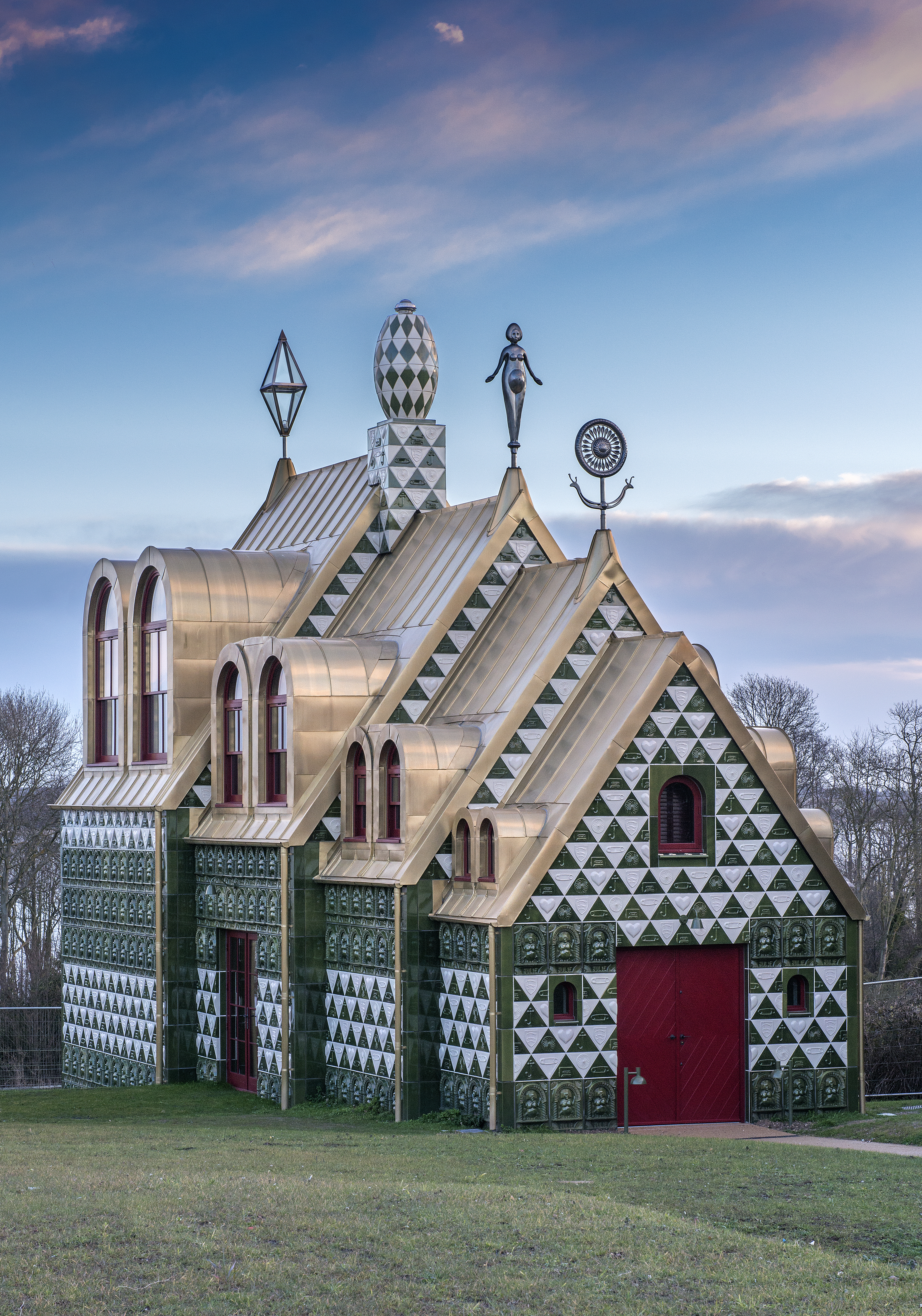
Another of my favourite projects is a small faience-clad house called A House for Essex, designed by Fat Architecture and Grayson Perry. The building is quite extraordinary, somewhere between a Russian jewel box and Hansel and Gretal. The design tells the life story of an average girl from Essexbut in technical terms, the project was fairly complicated and completely clad in hand-produced and highly detailed faience units. The elliptical-shaped chimney, which is 2.5m tall, was particularly difficult to manufacture and install. One of the highlights of the project for me was taking Grayson to visit Darwen Terracotta for the day and the very lively conversations we had!
What do you feel are the main challenges facing the stone and surfaces industry today?
I would prefer to start with a positive. Due to the increasing emphasis on sustainability and carbon reduction, there are real opportunities for the industry at the moment, both in the use of locally sourced new stone and the reuse of existing materials. The reuse agenda is really interesting as it is making people think differently about how to do things and I believe we will continue to see massive steps forward in this respect, which is fantastic. That said, there are challenges, with economic uncertainty being key. Developers are understandably extremely cautious, and combined with a backlog caused by Gateway 2 problems, has led to significant delays in projects moving forward. Getting into contract is taking longer and longer and there are pressures to continually value-engineer elements. Another challenge that has become increasingly evident since Brexit is finding quality employees. I could go on, but I think it is important to remember that our industry is very resilient and there are exciting times ahead.
In your opinion, what are the positives of using stone in the built environment?
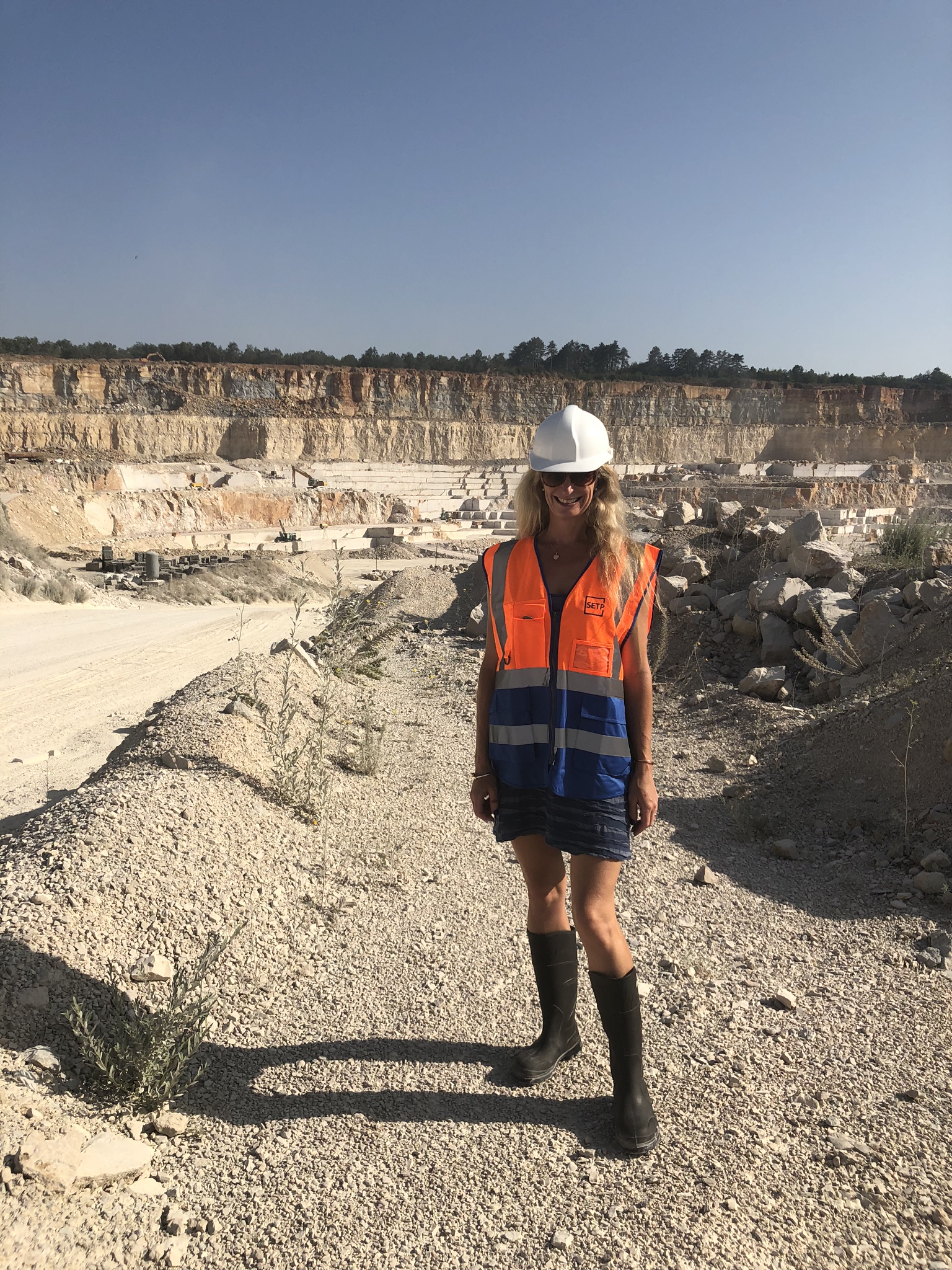
Stone lasts pretty much forever, as evidenced by the volume of historic stone buildings and monuments, so if there is a genuine move towards sustainability, then a material with the longevity of stone must surely be the answer. A consideration is how we build. Modern building methods typically involve fixing slimmed down stone pieces to either steel or concrete, both of which have a significant carbon footprint. Traditionally, the stone was the structure! It is not feasible to build like this across the board today, but there are certainly strong cases for the use of structural and/or post-tensioned stone for some projects to reduce steel and concrete, as well as significantly reducing build time and cost. I am a huge supporter of using local materials where possible, too. There are tons of quarries of beautiful stone in the UK that have closed down, which is really sad. It would be great to see some government funding going into these, and the stone being used on local housing projects. Stone bricks in particular - they’re just like a clay brick but without the processing (firing), making them a fantastic low carbon alternative.
How does sustainability shape your thinking and decision-making, and how do materials fit into this?
Sustainability is very much at the front and centre of every project I am involved with now, which is fantastic. However, there is still a huge amount of “greenwashing” going on; box ticking, misguided views on what is sustainable and what is not, confusion over EPDs (what do they actually mean and how to read them when they all appear to be set out differently) and cost. The most sustainable option for a project might not always be the cheapest, so it entirely depends on the client or developer, and to what extent they are prepared to build or refurbish in a sustainable manner. I really look forward to sustainability being genuinely embedded at the core of all building projects. We are not quite there yet, but I do think the industry is definitely moving in the right direction!