

Insights: Can Eating Earth Bring us Closer to It?

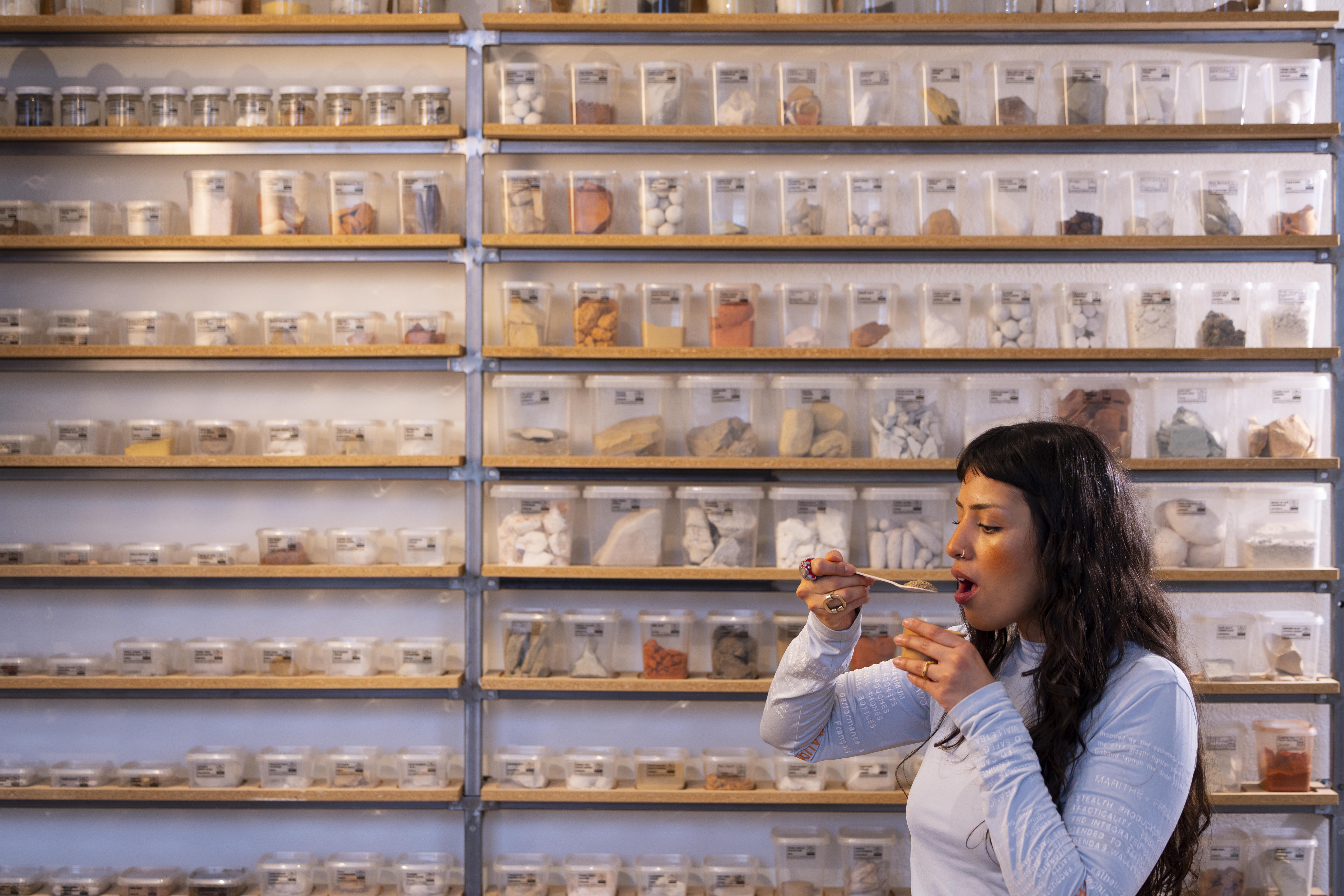
A recent unique exhibition at Somerset House has invited visitors to reconsider their relationship with the ground beneath their feet — not simply as landscape or construction resource, but as something to be tasted.
The Museum of Edible Earth, created by artist and researcher masharu and first founded in Amsterdam in 2017, brought together more than 600 edible samples of soil, clay, chalk, volcanic rock and limestone sourced from 44 countries. Its core theme centred on how humans understand and value earth materials, which resonates beyond the gallery setting, particularly for those working with natural materials in the built environment.
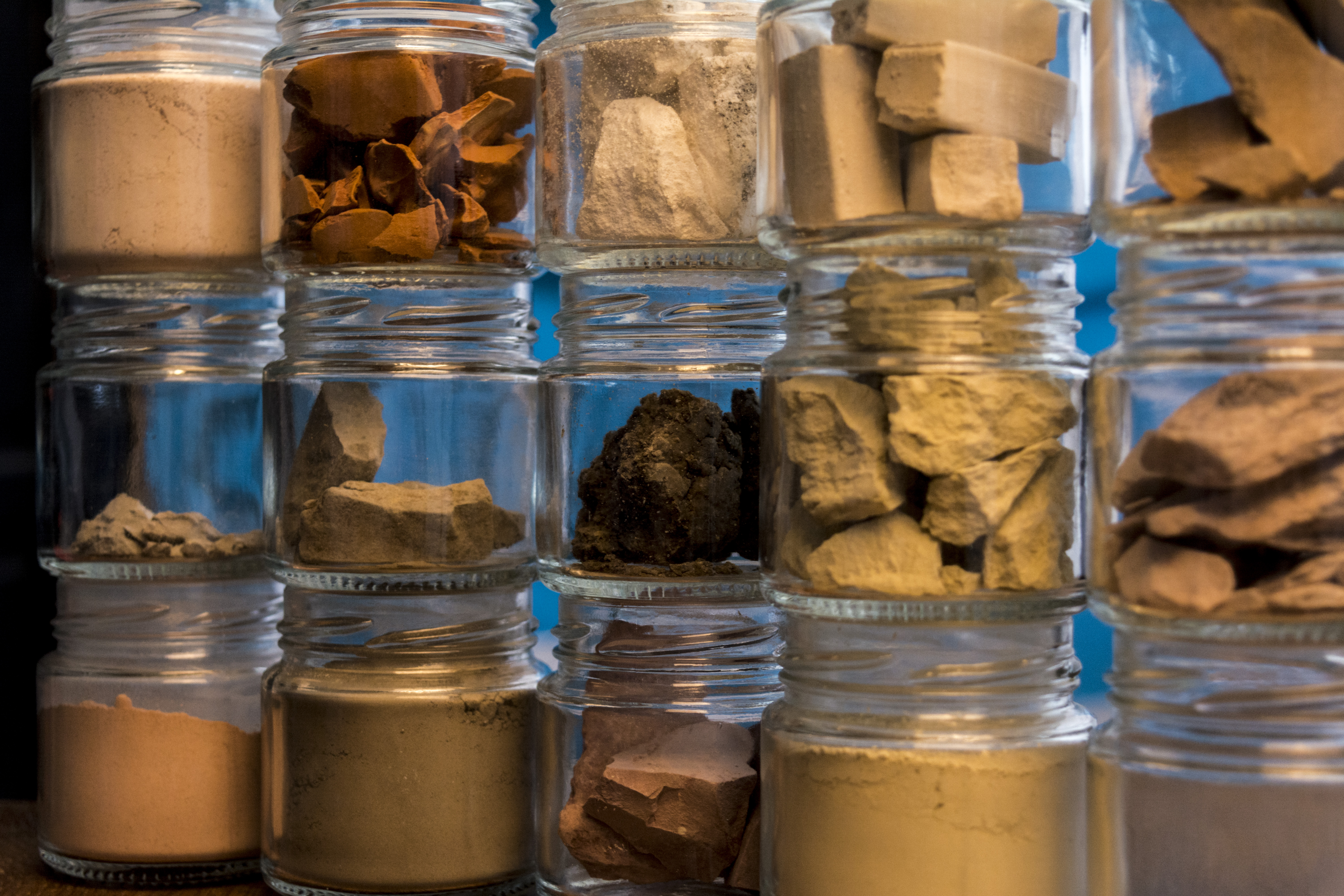
The exhibition explored geophagy, the ancient practice of eating earth for nutritional, cultural or medicinal purposes. Found across continents and cultures, the tradition challenges modern Western assumptions that soil exists only as something to build on or extract from. Instead, it positions earth as a material with sensory, cultural and even emotional meaning.
At the centre of the show was a communal tasting table where visitors could sample carefully sourced earth materials accompanied by tasting cards describing mineral content, flavour profiles and cultural histories. The idea was less culinary novelty than an attempt to reconnect people with the geological substances that underpin daily life, from agriculture and ceramics to architecture and stone construction.
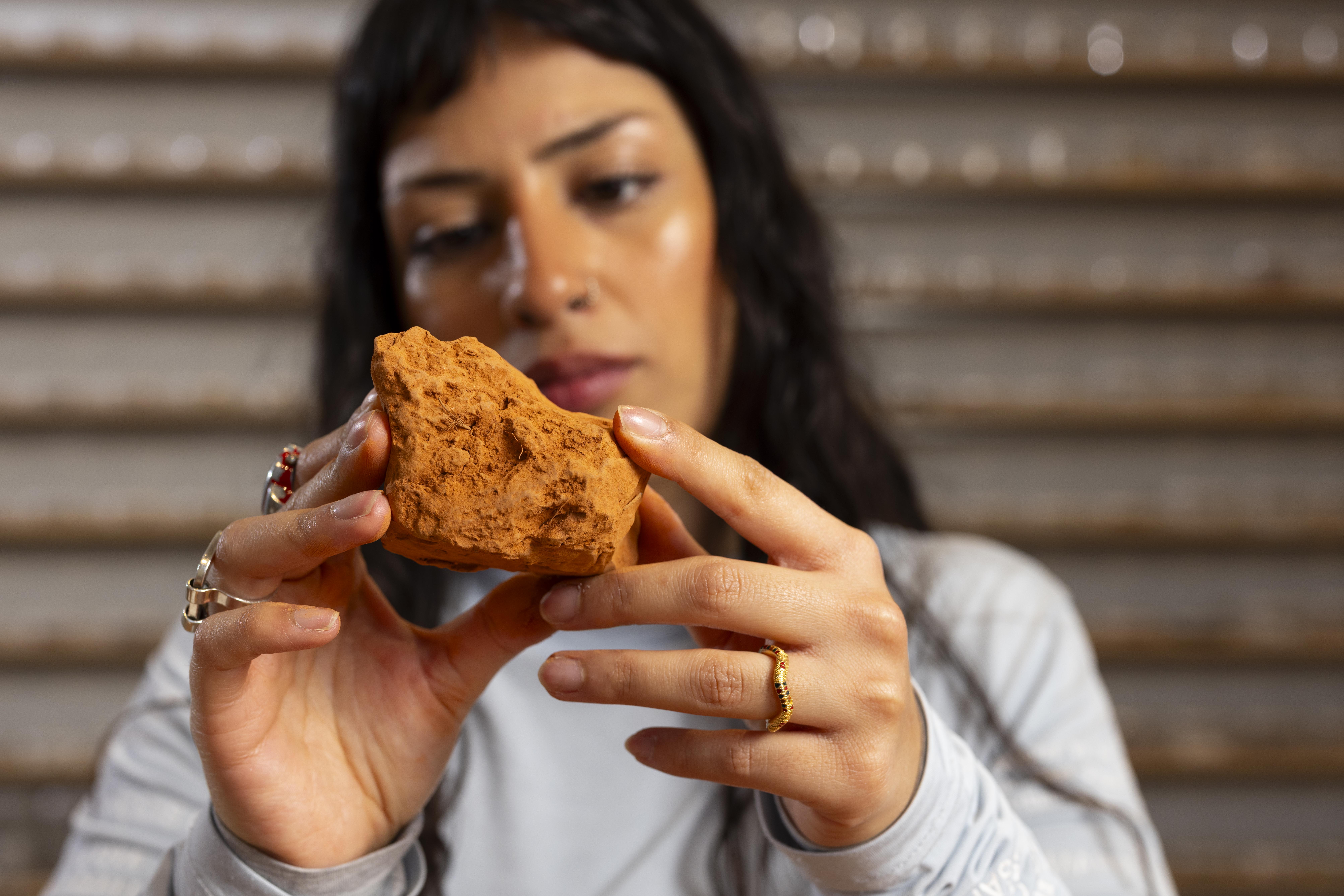
The premise raises an intriguing question: how differently might materials be specified, quarried or valued if they were understood not only visually or structurally, but sensorially? Stone, after all, shares origins with many of the clays and mineral soils presented in the exhibition, shaped by geological time yet frequently reduced to technical performance data alone.
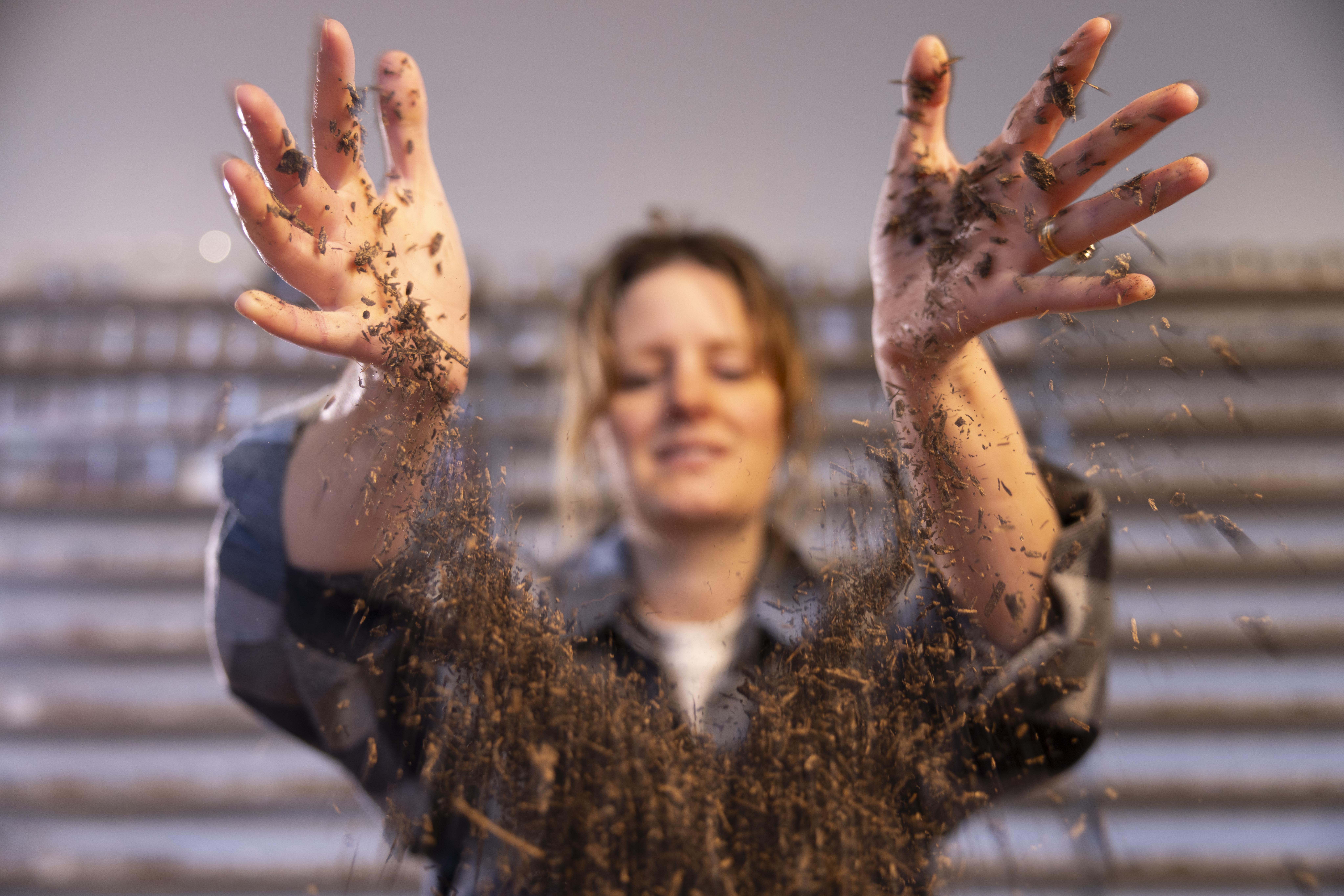
Working with landscape designers The Land Gardeners, the creative team also created printing ink made from Somerset House’s own compost, generated from previous hempcrete exhibition walls and coffee waste collected onsite. The walls themselves came from The Land Gardeners, 2025 exhibition SOIL, thus forging a novel circular experiment in reusing exhibition materials rather than discarding them after installation that flowed through into this new, thought-provoking earth-iteration.
Eating soil may not become standard industry practice anytime soon. But the exhibition offered a reminder that stone, clay and earth are not simply products or finishes. By reframing earth as something culturally embedded rather than inert, it encouraged visitors to rethink humanity’s relationship with materials as part of a deeper geological continuum that architecture continually reshapes, extracts and inhabits.