

Insights: Aligning Stone Specification With Real-World Conditions

Kristian Goodenough is co-founder of The Bespoke Sign House, a UK studio specialising in bespoke natural stone signage for exterior architectural applications. Working primarily with slate, granite and limestone, he brings a fabrication-led understanding of how stone performs in real environmental conditions.
In this Insights article, he draws on hands-on project experience, and advocates for more informed stone specification, emphasising the importance of exposure, detailing and long-term durability in achieving successful architectural outcomes.

"Stone is often specified with confidence, and in many cases, rightly so. It is a material associated with permanence, durability and architectural integrity. Yet in practice, we are increasingly seeing situations where stone begins to show signs of ageing earlier than expected, particularly in exposed external applications.
This is rarely a failure of the material itself. More often, it reflects a disconnect between how stone is selected and how it performs once exposed to real environmental conditions, whether that be through limited consideration of exposure at specification stage, or materials being selected from internal samples without fully accounting for how they will behave in situ. When material, detailing and exposure are aligned, stone performs exceptionally well. When they are not, even well-regarded materials can be seen to struggle over time.

The Myth of Universal Durability
Stone is often discussed as if it were a uniform material. In reality, it is a broad category encompassing materials with very different physical characteristics.
Differences in pore structure, density, mineral composition and bedding all influence how a stone interacts with moisture, temperature and environmental exposure. These are not abstract properties, but they directly affect how a material behaves over time.
From a specification perspective, this means durability is not absolute. A stone that performs well in one setting may behave very differently in another. Understanding these differences early on in a project is key to aligning material choice with real-world conditions.
Where Specification Can Fall Short
Stone is frequently selected for its visual qualities early in the design process, with technical considerations following later. This is understandable, as materiality plays a central role in architectural intent.
However, performance characteristics are not always given the same weight at the point of selection. By the time factors such as absorption, exposure or maintenance are considered, the material decision may already be fixed.
As a result, specification can reflect how a material looks on day one, rather than how it performs over ten winters. Maintenance is also often assumed rather than defined. Treatments such as sealers may reduce surface absorption temporarily, but they do not fundamentally change how a stone behaves over its lifespan.
Stone itself is rarely the issue. More often, it is used outside of the conditions it is best suited to.
Exposure and Long-Term Performance
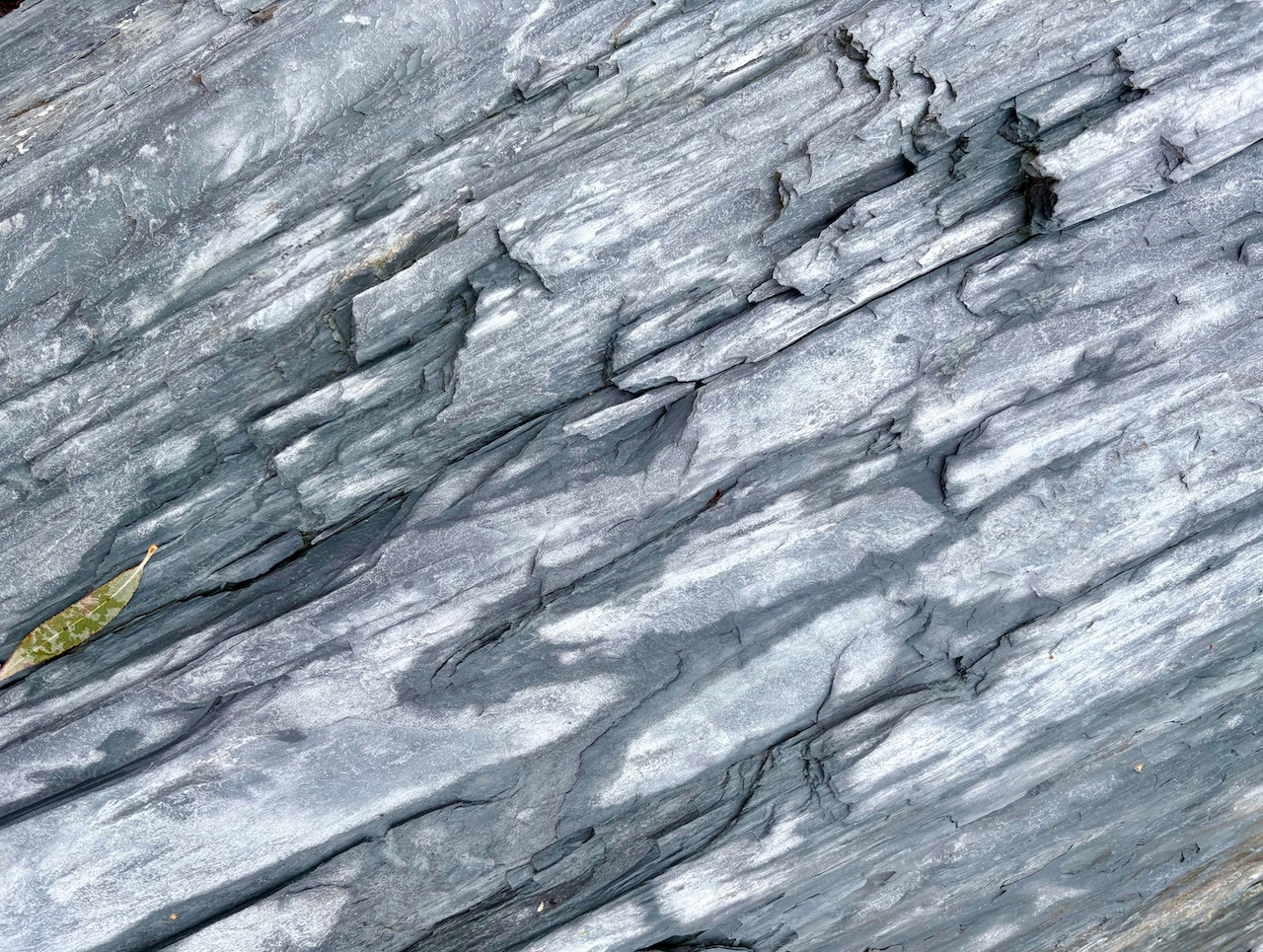
In the UK, moisture is a constant factor, and freeze-thaw cycling should always be considered. When water enters the pore structure of a stone and freezes, expansion can gradually lead to surface breakdown over repeated cycles.
Urban environments introduce additional variables. Pollution, biological growth and surface contaminants can all influence how a material weathers, particularly on more exposed elevations.
These conditions are not unusual; they are typical. The key consideration is how frequently a material is exposed to them, and how that exposure interacts with its physical characteristics.
Where moisture becomes trapped, however, performance can change significantly over time. Even traditionally ‘durable’ stones can underperform in these conditions, as repeated wetting, freeze-thaw cycling or restrained movement introduce stresses that the material would not otherwise experience.
Why Smaller Exterior Elements Often Show Wear Sooner
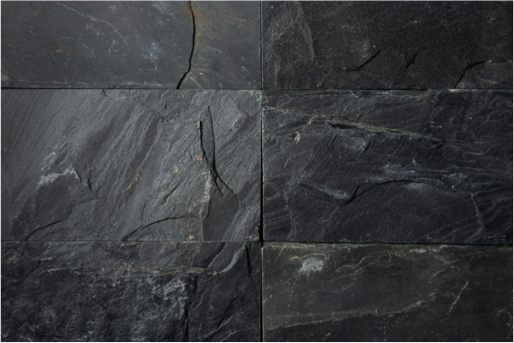
Smaller stone elements, such as architectural details or stone signage, can often exhibit signs of wear earlier than larger façade applications.
This is largely due to how they interact with their environment. With less thermal mass, smaller elements tend to heat and cool more rapidly, and experience quicker wetting and drying cycles. They also have a higher proportion of exposed edges relative to their size, so are inherently more vulnerable.
At this scale, detailing becomes more critical. Fixings, junctions and edge conditions all play a greater role, as there is less material to absorb movement or moisture ingress. Over time, these factors can combine to accelerate visible change, even when the same material performs well in larger applications.
Specifying for Longevity
Improving long-term performance of projects is rarely about major changes. It is more often about asking the right questions early in the design process.
Consideration should be given to:
What level of exposure will this element face?
How will water interact with its surface?
What are the material’s absorption characteristics?
Is bedding orientation respected?
What level of maintenance is realistic and expected over time?
Small adjustments such as edge detailing, finish selection or orientation can have a disproportionate impact on how a material performs. Addressing these factors early allows design intent and material behaviour to align more closely.
Stone remains one of the most versatile and compelling materials available to architects. It can feel both historic and contemporary, robust and refined. When used appropriately, it offers longevity that few materials can match.
But natural does not mean invulnerable.
Durability in stone is not simply an inherent property; it is the result of informed selection, appropriate detailing and an understanding of exposure. When these factors are considered together, stone performs as expected and often exceeds expectations over time."
For more information about Kristian's work, visit The Bespoke Sign House