

Interview: Nebbia Works

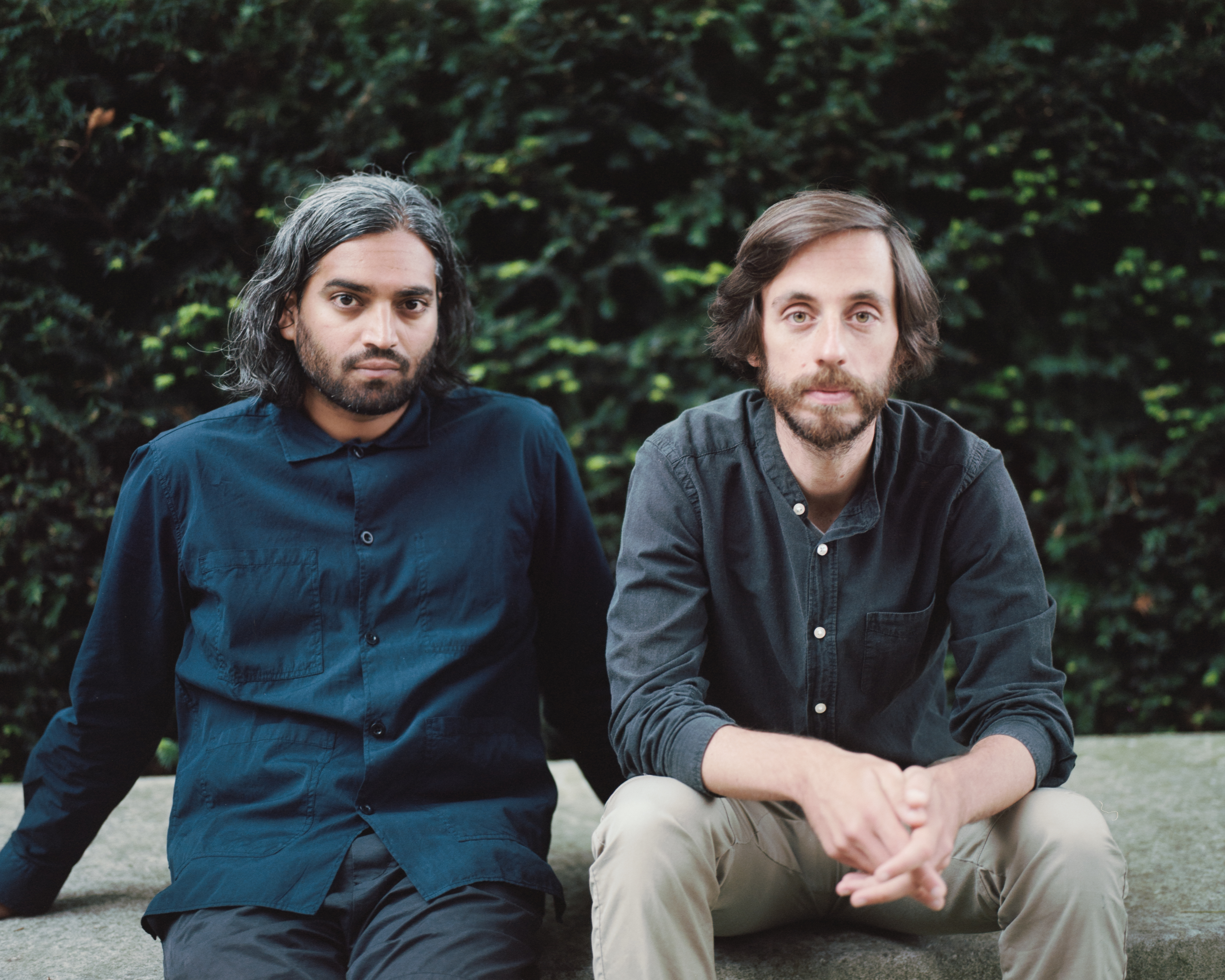
London-based Nebbia Works was founded in 2018 by architects Madhav Kidao and Brando Posocco, who met while working at Heatherwick Studio. The practice is both making and material-centred, working across various scales and 3D disciplines, with architecture at its core. Notable projects to date range from cultural and public spaces to collaborations with brands including the V&A, Royal Academy of Arts, Coachella and Bulgari.
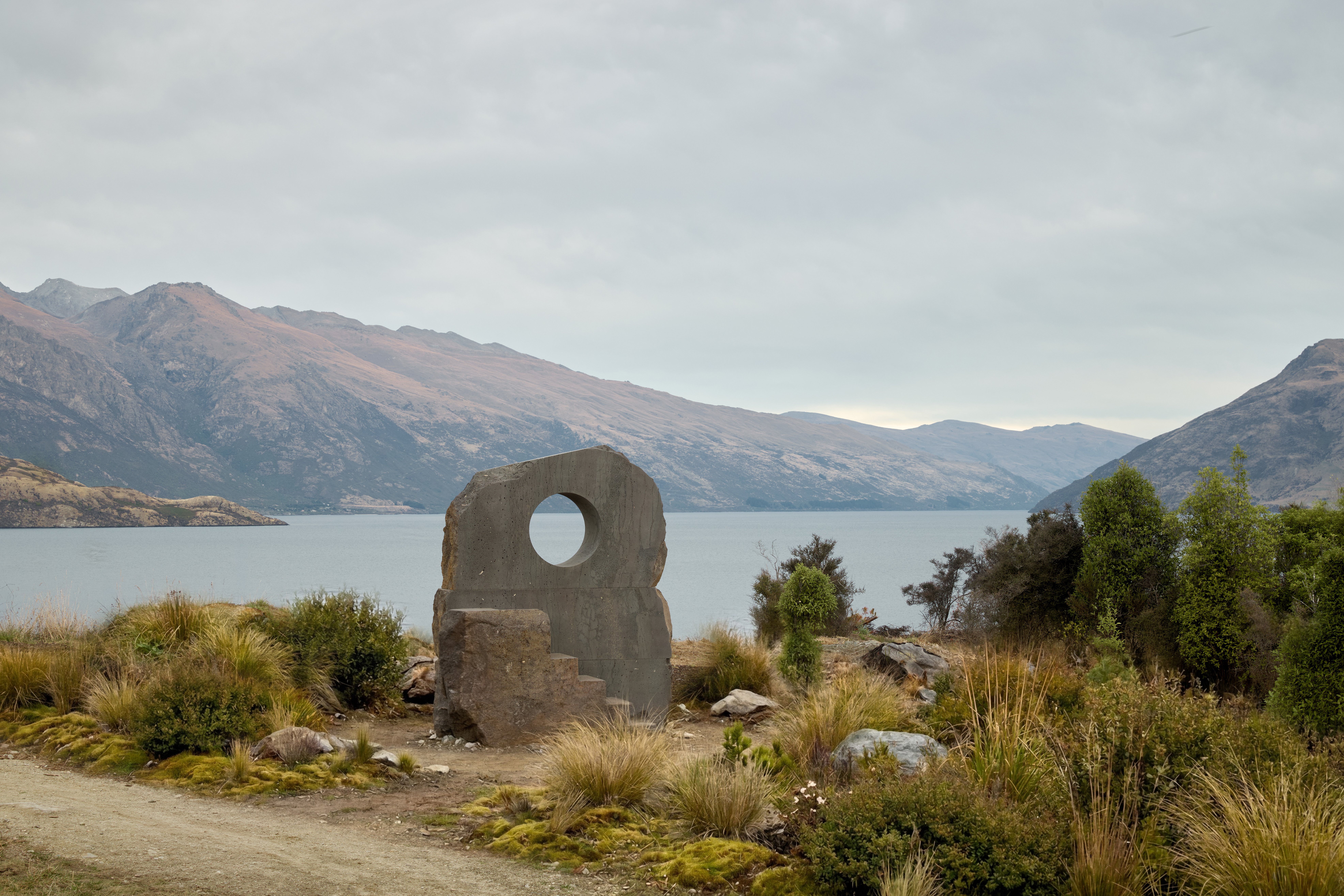
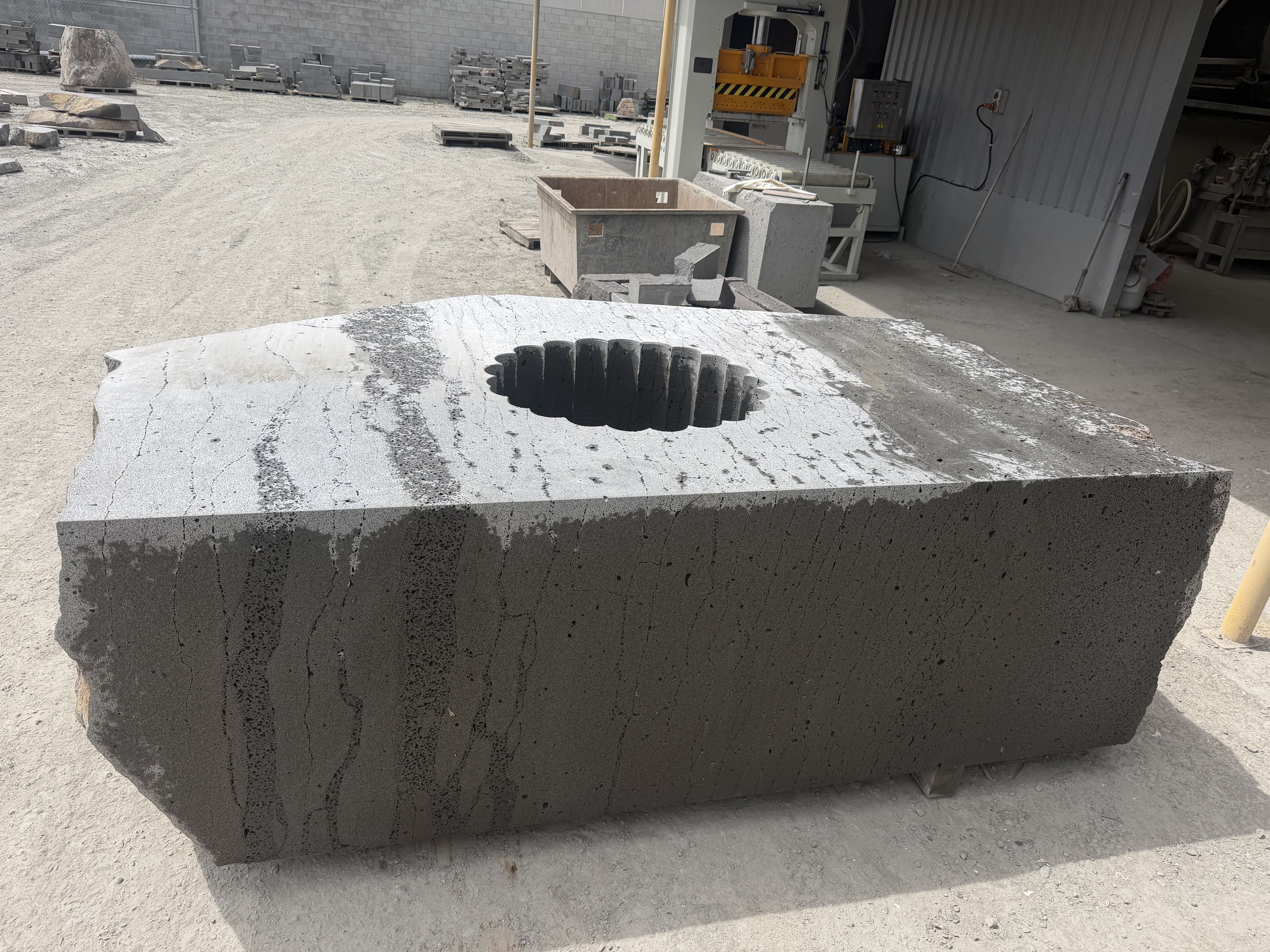
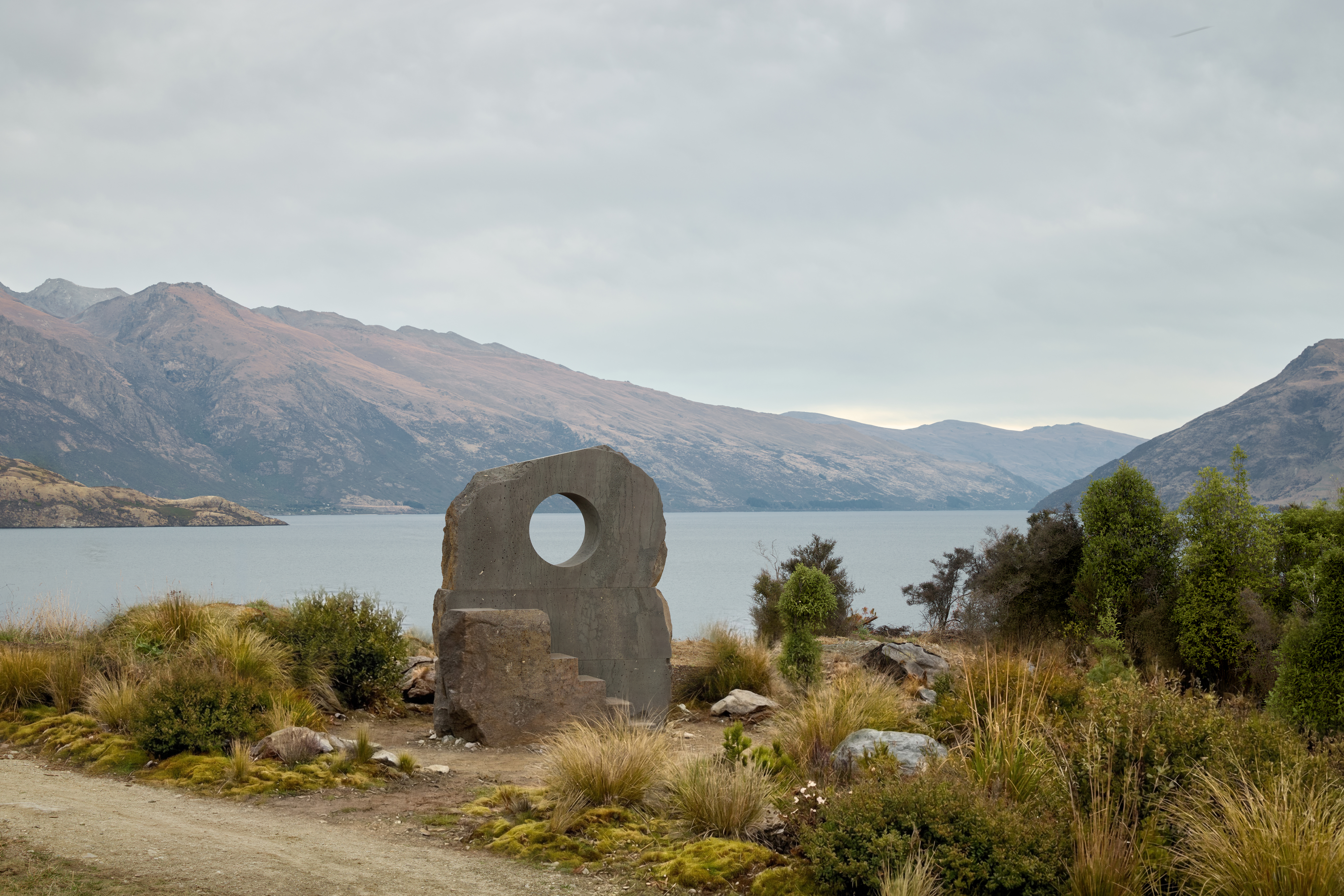
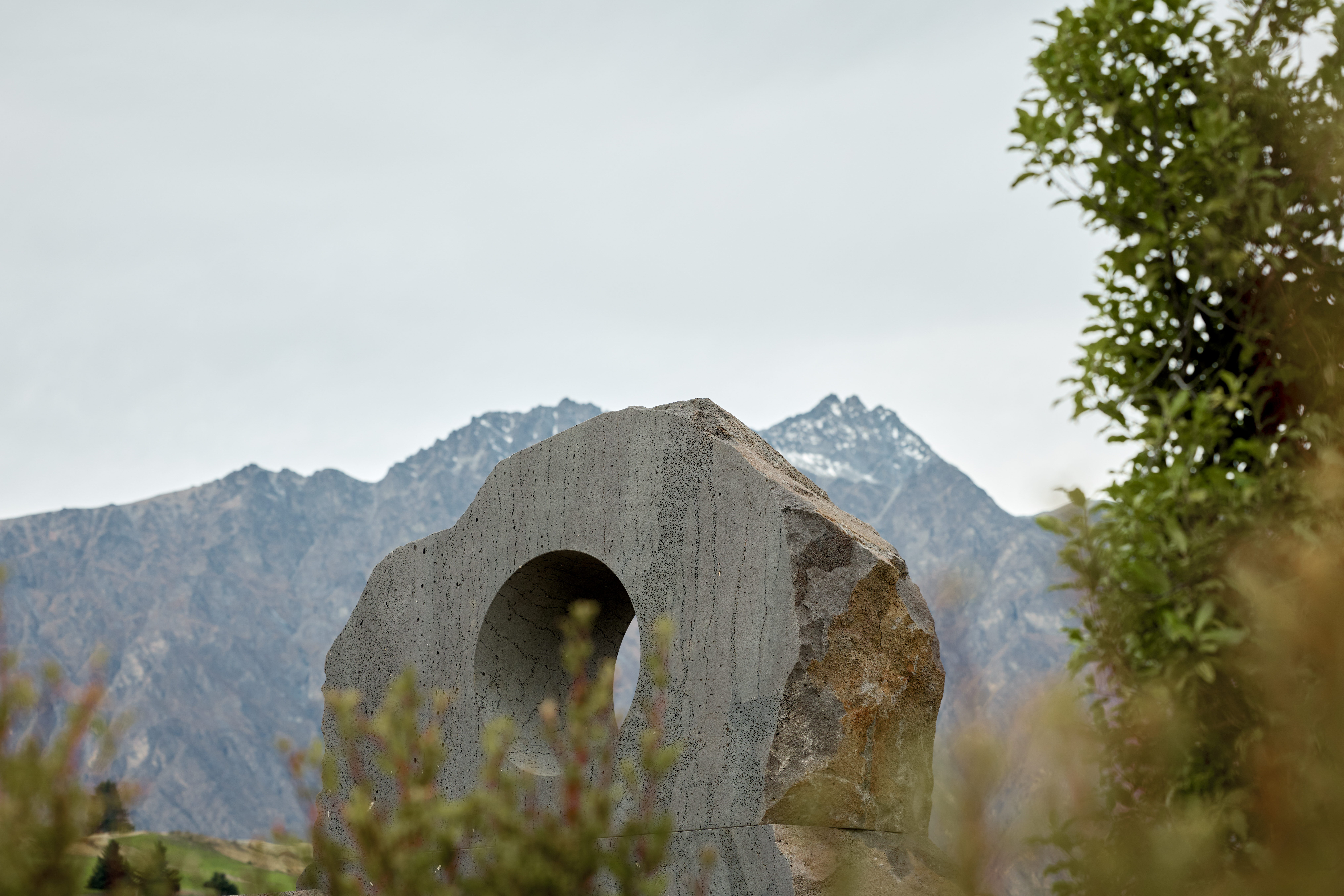
Fabrication and the physical qualities of materials inform projects from their earliest stages, which is particularly evident in Interlude, a monumental stone installation in Queenstown, New Zealand, where large raw boulders were digitally surveyed and fabricated before being shaped and assembled by local stonemasons.
Here, Madhav Kidao and Brando Posocco discuss their material-led approach, the challenges and opportunities of working with stone at an architectural scale, and why ageing, weathering and longevity are integral to the way they think about materials.
SS: Across Nebbia Works' projects, material seems to be an active part of the design process rather than something applied at the end. How does materiality shape your thinking from the earliest stages of a project, and what are you looking for in a material before you decide to work with it?
NW: Material exploration and experimentation has always been central to our design practice, and it's often among the earliest choices we make when starting a project. We're fascinated by the process of making, but also by the storytelling and sensory qualities that different materials bring to a project.
Material choice varies from project to project. We don't see ourselves as specialists in any one material or process. Sometimes a brief naturally points us towards a particular material; other times there's something we've been experimenting with in-house that we're looking for an excuse to use. We want our work to be honest about its construction and materiality, so the final outcome is most often a result of those early material choices and the fabrication process we select.
SS: Your work spans architecture, landscape, sculpture and objects, often sitting somewhere between art and the built environment. How does working across these different scales and disciplines influence the way you think about materials, and what keeps drawing you back to stone?
NW: Different scales ask different questions of a material. It's exciting to take everything we've learned about a material at one scale and see how much still holds true once you scale it up or down: which approaches still work, and what becomes possible instead. That's tied to the material's physical properties, such as its strength, malleability and brittleness, as well as to the qualities of its finish, where we might actively bring out a patina or try to mask it, and even to logistics and economics, where the practicalities of transport and installation can dictate our choice of material even when it satisfies every other requirement.
Stone speaks to all of these qualities at once, and there's a sweet spot where it makes the most sense. We'd been keen to use stone in its rawest, most monumental form for some time. There's a visceral power to it that we love, but it never quite came together until the opportunity for Interlude came up.
SS: You have described Interlude as a place to inhabit, converse, rest and reflect rather than simply a monument to look at. How does designing with stone change when the material is intended to be physically encountered and used?
NW: There are practical implications: making sure walkable surfaces are finished or treated to be non-slip (in this case, flamed steps with an additional anti-slip coating), as well as implications for the structural assembly, such as reinforced foundations and connection joints (earthquake mitigation was a factor here too).
But it was just as important to us to retain as much of the stone's original character as possible, to give as deep a tactile and symbolic connection to nature and geological time as we could. So we tried to do as little as possible to the source boulders. The main design driver was often simply the logistics of transporting such large, heavy pieces.
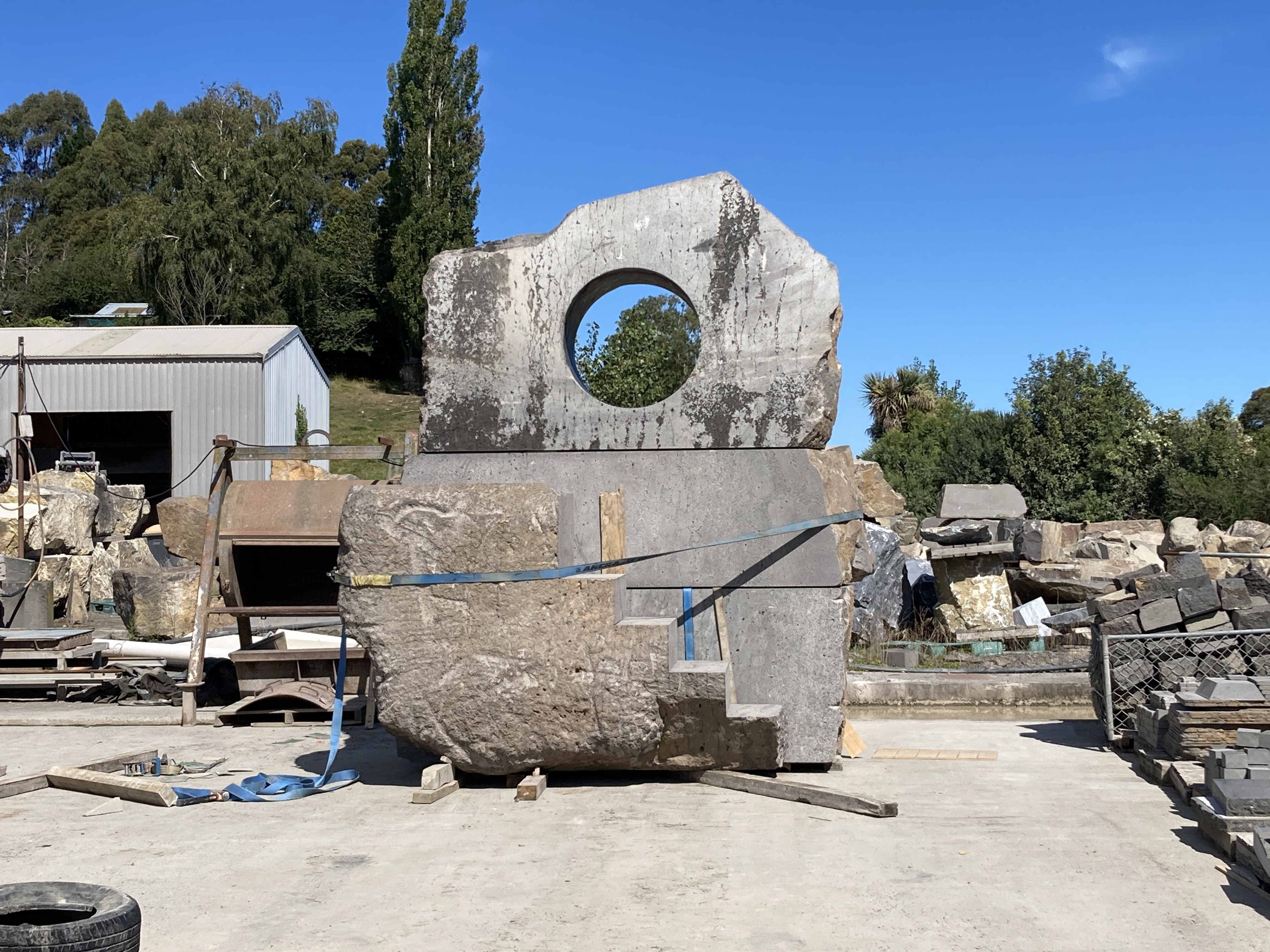
SS: The project combines photogrammetry and digital fabrication with significant hand shaping by local stonemasons. How do you see the relationship between digital technology and traditional stoneworking, and what can each bring to the other?
NW: We often work between digital and physical tools, trying to bring out the best of both. On this project, being based on the literal opposite side of the world from the site and fabricators (London to Queenstown, New Zealand) meant we had to lean on multiple forms of technology to design, adjust and communicate with the local fabricators, to bridge both the distance and the time difference. Ideally we'd have been at the quarry to talk through stone selection, cuts and shaping in person with the stonemasons, but beyond an initial visit that wasn't possible.
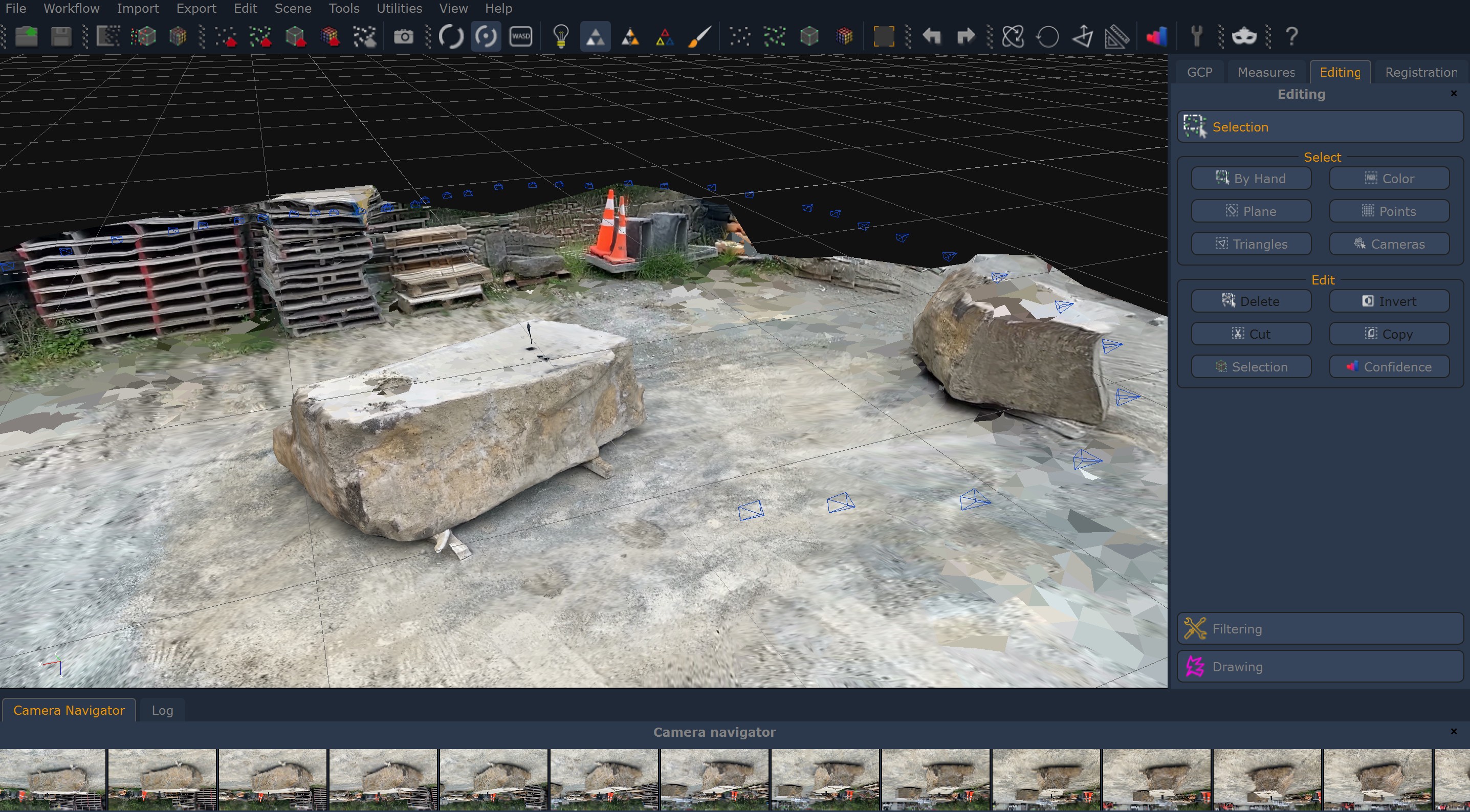
Having the team send us 360° videos of each stone let us build accurate 3D mesh models using photogrammetry software. From those, we could assemble the stones digitally and relay cutting instructions, or even CNC milling files. These were primarily a guide to the stonemasons, conveying the creative intent, but we were ultimately reliant on their years of hands-on expertise and knowledge of the material to decide how best to realise it.
We had a conceptual ambition and a visual outcome in mind, but stayed fully open to that being shaped by the realities of the stones we were working with. It was up to the stonemasons' eyes to orient and cut the rocks to match our vision as closely as possible, and their ingenuity often showed us how to make it work better, or find more beautiful outcomes, both in the stone selection itself, in terms of geometry and geological composition, and in how to use the stones most efficiently. One especially memorable moment was their insight into how to orient a single large stone so that both flights of steps could be cut from it.
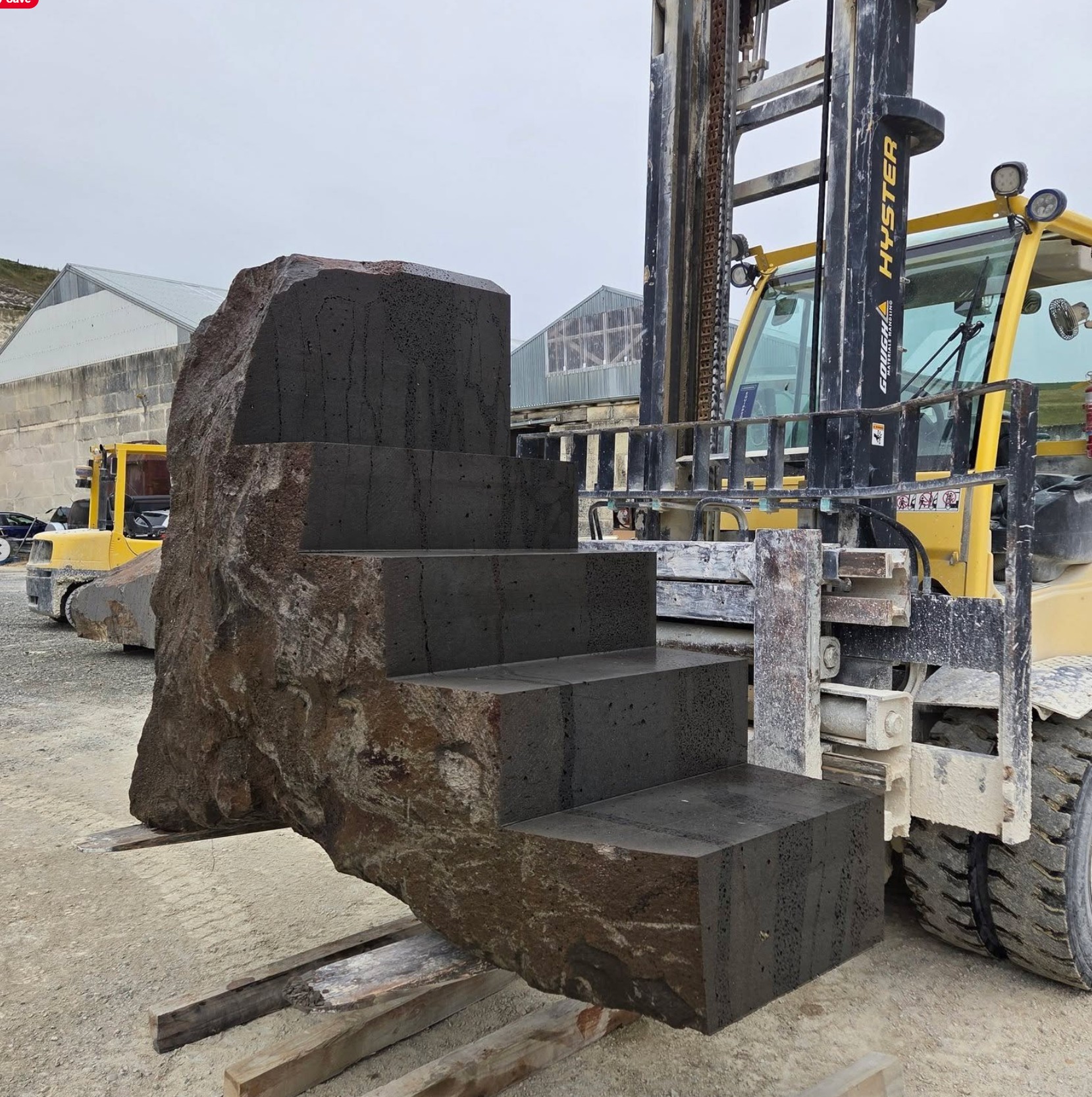
The project also brought together two stone yards: one specialising in CNC machining, who made the major cuts and the stairs, and another who handled assembly, minor hand-shaping and final finishing. Stones travelled back and forth between the two. Ultimately, our hope was for the work to feel timeless, as if it had already been there for a thousand years, not reliant on, or a showcase for, the technology that made it possible, but using that technology simply to help realise it.
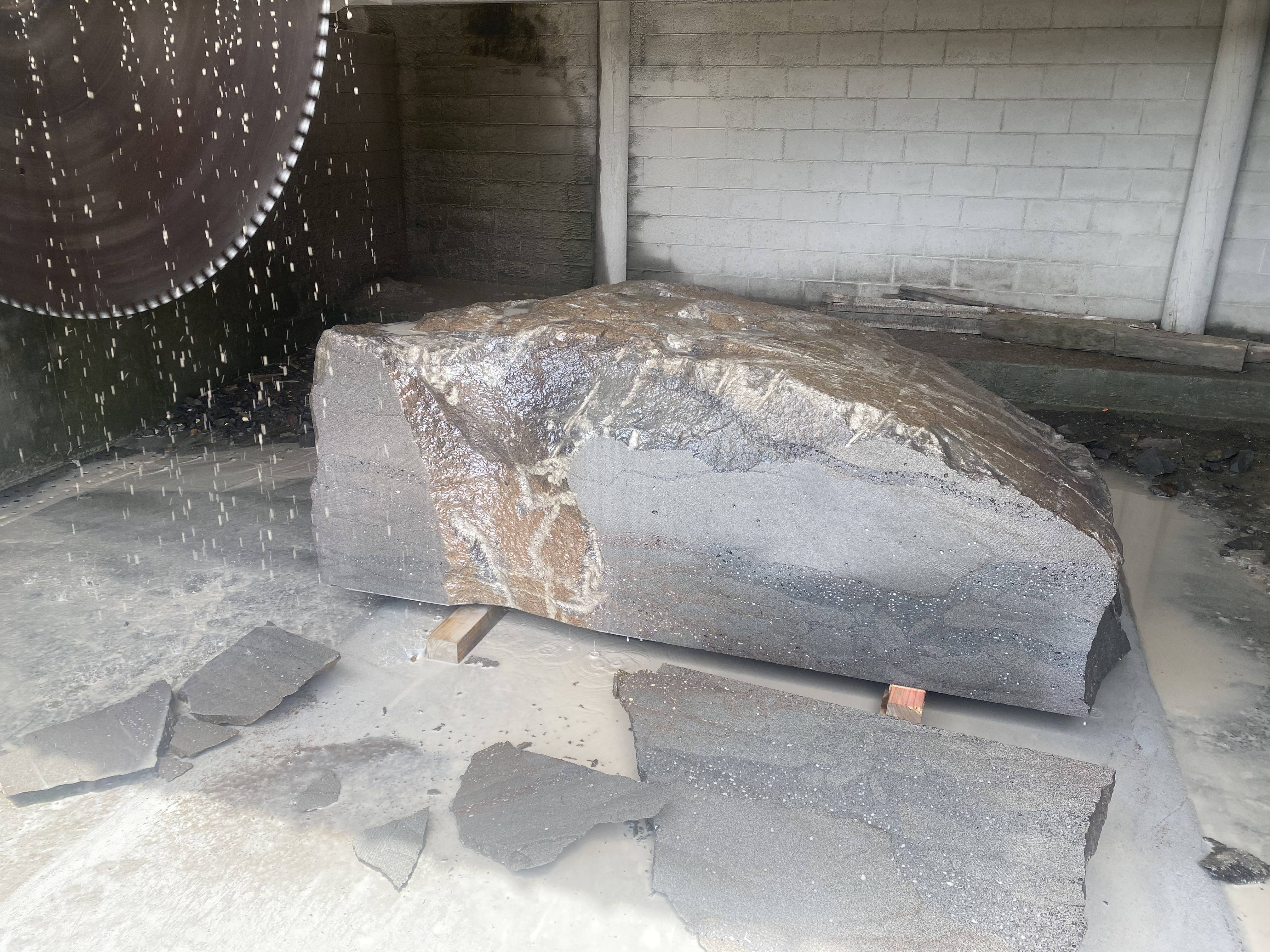
SS: The project deliberately leaves raw, split and finished surfaces visible, while anticipating that weathering and use will gradually alter the stone. How important is change and ageing to the way you think about materiality?
NW: This matters enormously to us, especially with a brief like Interlude's: to create a place of reflection meant to last a thousand years. Ageing, erosion and decay aren't an afterthought here, they're built into the design from the start.
We're drawn to stone partly for its beauty and variety, but just as much for how its connection to deep time humbles us and inspires a kind of awe. We wanted Interlude to feel man-made, but from some indeterminate moment, neither ancient nor new. The tool marks and cut surfaces sit deliberately alongside the raw, millennia-old faces of the boulders, a visible conversation between the two. And we know that conversation will keep changing: the freshness of every cut will soften with time, weather into the stone, and eventually feel as though it had always been there.
SS: More broadly, what do you think architects and designers can learn from working directly with stone, its geology, weight, limitations and longevity, at a time when material choice is increasingly discussed in terms of carbon and performance?
NW: There's a reason humanity keeps returning to stone. We understand its strength and longevity instinctively, just from its presence. It underlies some of our earliest and longest-lasting forms of shelter and architecture, a material that has already proven itself over millennia before we ever touch it.
Stone also carries a kind of romance, a beauty that can't be replicated. You feel its weight and its quality simply by looking at it, by watching how it performs and ages. That said, it's undeniably harder to work with right now than many synthetic alternatives; it asks more of you.
But there's real value in that difficulty. Working with something that already exists, and adapting your design to it rather than manufacturing a material to fit your intentions, changes how you think about the whole process. It's a more honest, more patient way of designing, and perhaps a necessary one as we reckon more seriously with carbon and performance.