

News: Cathedral craft needs more than apprentices


Training the next generation of cathedral craftspeople is only part of the challenge facing the conservation of England’s historic buildings, according to new national research from the Cathedrals’ Workshop Fellowship (CWF).
The 2026 Training Needs Analysis began as an investigation into training requirements but developed into a broader examination of what is needed to sustain the specialist workforce responsible for maintaining cathedral fabric. Its central question is how cathedral craft capacity can be maintained nationally, with the findings pointing to the importance of the infrastructure and experience surrounding apprentices as much as recruitment itself.
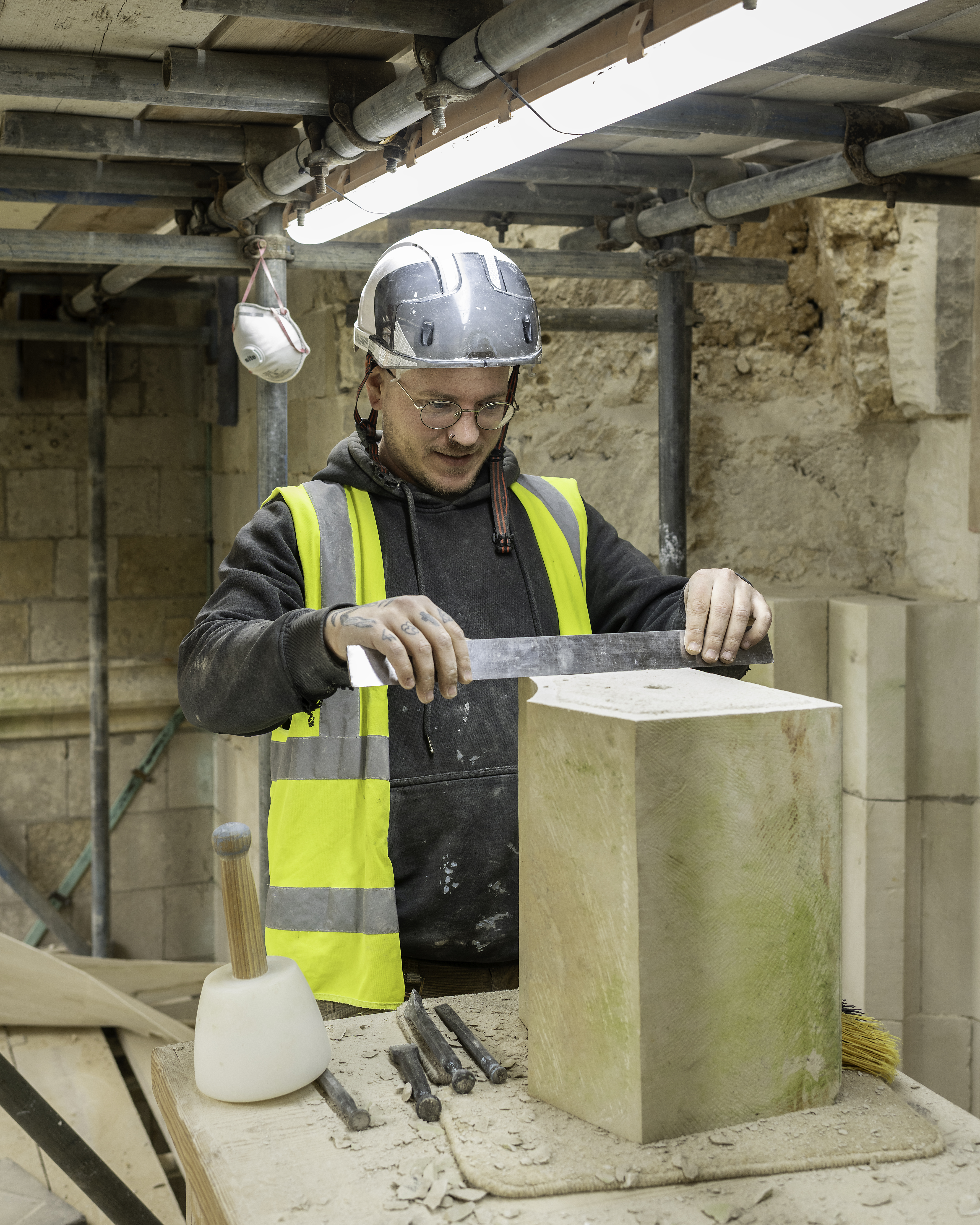
Stonemasonry is a significant part of the CWF network, alongside other specialist trades involved in cathedral conservation. The research highlights the practical difficulty of maintaining skilled workshop teams, particularly as experienced craftspeople approach retirement and opportunities to pass on knowledge become more limited.
At least seven member cathedrals identified succession challenges affecting their teams, while every surveyed member cathedral identified funding as a barrier to apprenticeships and training, with historic stained glass conservation identified as the craft skill most at risk.
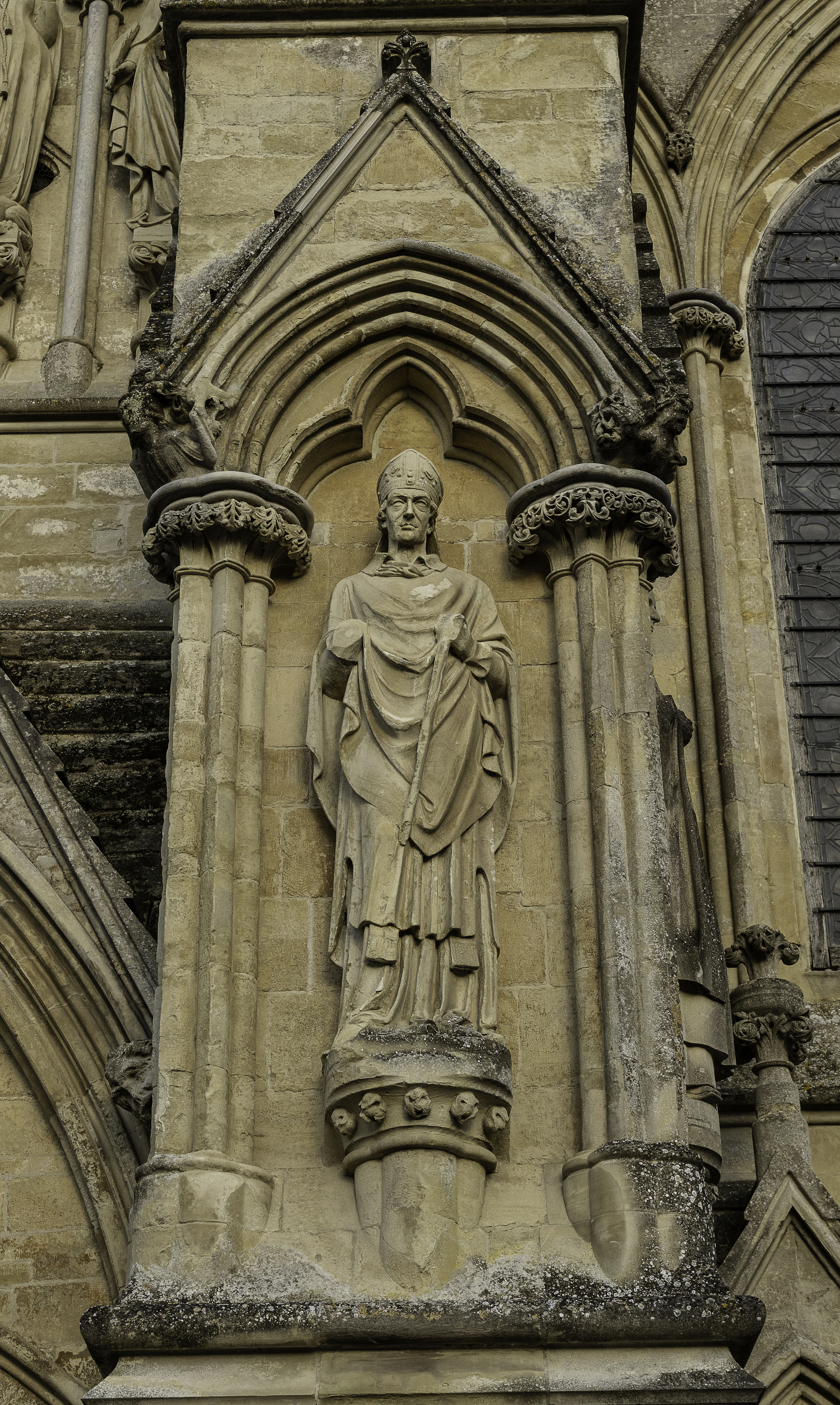
The research suggests that a sustainable workforce requires a career-long approach rather than a single entry point into the industry. Recommendations include clearer progression routes, improver opportunities and continuing professional development, alongside greater support for tutors, mentors and supervisors. Investment in workshops, tools and facilities is also highlighted, as are exchanges and secondments that could allow knowledge and skills to move between cathedrals.
For a craft such as stonemasonry, where practical knowledge is often developed through prolonged experience with materials, tools and existing fabric, the workshop remains an important part of that process. The research consequently considers succession planning and the retention of experienced craftspeople alongside apprenticeship provision.
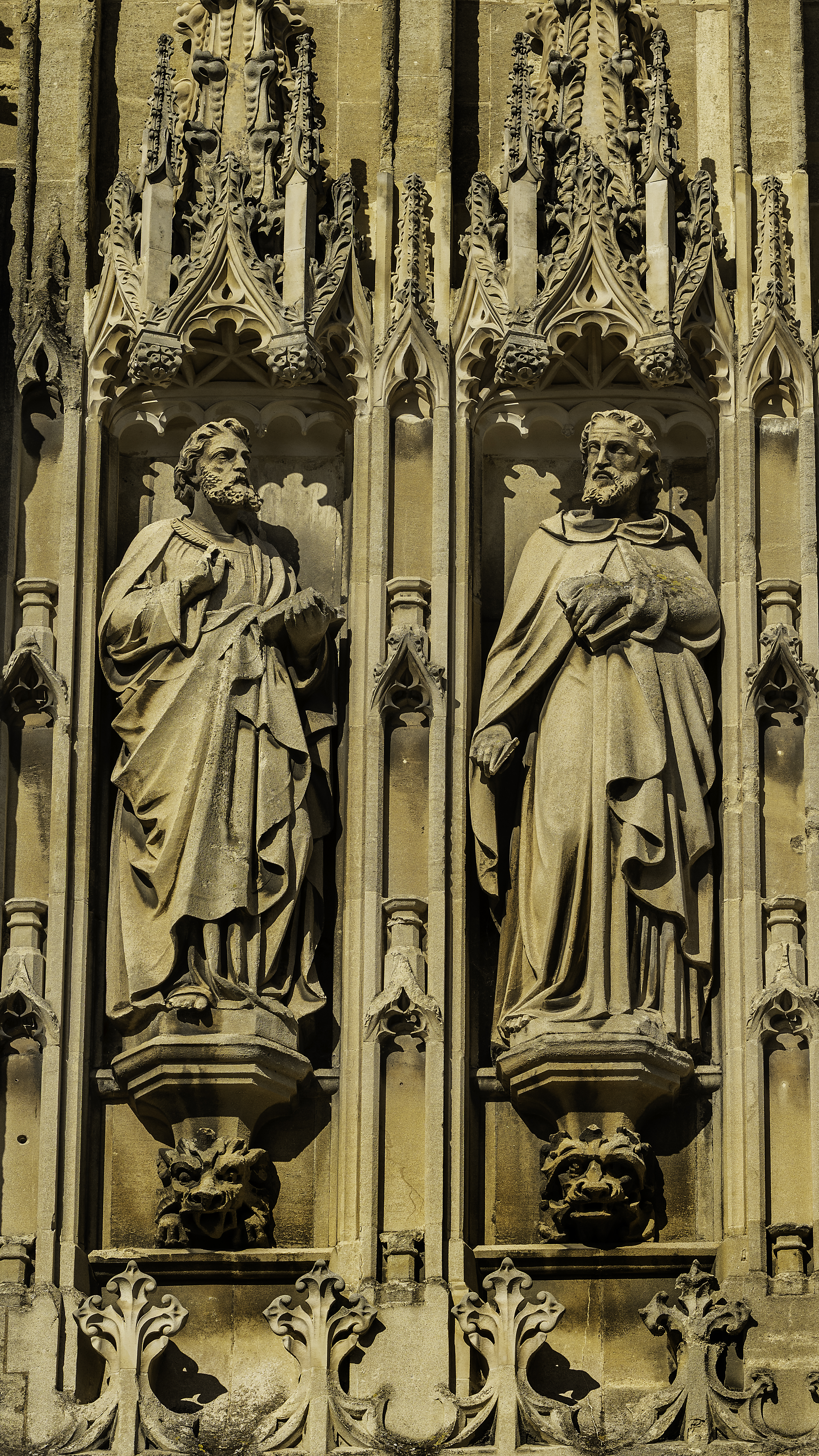
Michael Sheppard, Executive Director of the CWF, says: “The future of cathedral craft is not simply about recruiting more apprentices. We have to support the whole system around them - experienced craftspeople, supervisors, workshops, progression and the partnerships that allow knowledge to move between places.”
The findings are based on research by Social Research Builders, including 102 participants in interviews and focus groups, 72 of whom were craft and trade practitioners and 25 senior leaders. Researchers visited 13 participating member cathedrals and also spoke to people working elsewhere in the conservation sector. Surveys generated 39 responses across organisational, alumni and contractor groups. And there are encouraging signs too. Since 2009, 87 heritage craftspeople have trained through CWF, while 92% of surveyed alumni said the Fellowship had positively influenced their career development. Some 85% rated the quality of teaching as good or fantastic.
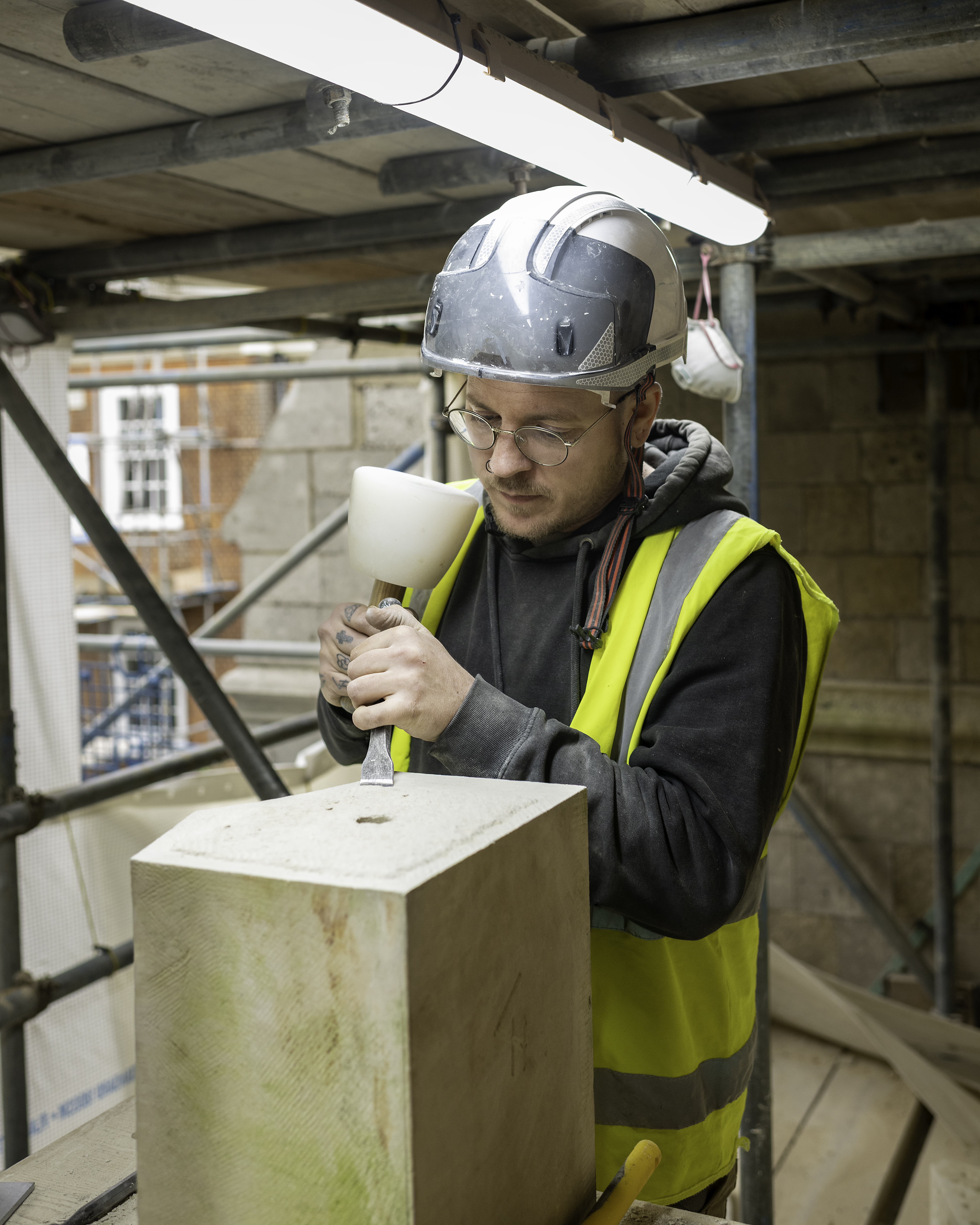
The research makes clear, however, that responsibility for maintaining these skills cannot sit with one organisation. It calls for greater collaboration between cathedrals, the Association of English Cathedrals, national church bodies, heritage organisations, education providers, funders and commercial conservation partners.
The recommendations are not yet a list of agreed CWF commitments, but instead set out the wider conditions needed to keep specialist cathedral craft knowledge in active use.
The full Training Needs Analysis and accompanying publications are available from Cathedrals’ Workshop Fellowship.