

News: Stone Floor Restored at Bristol Cathedral

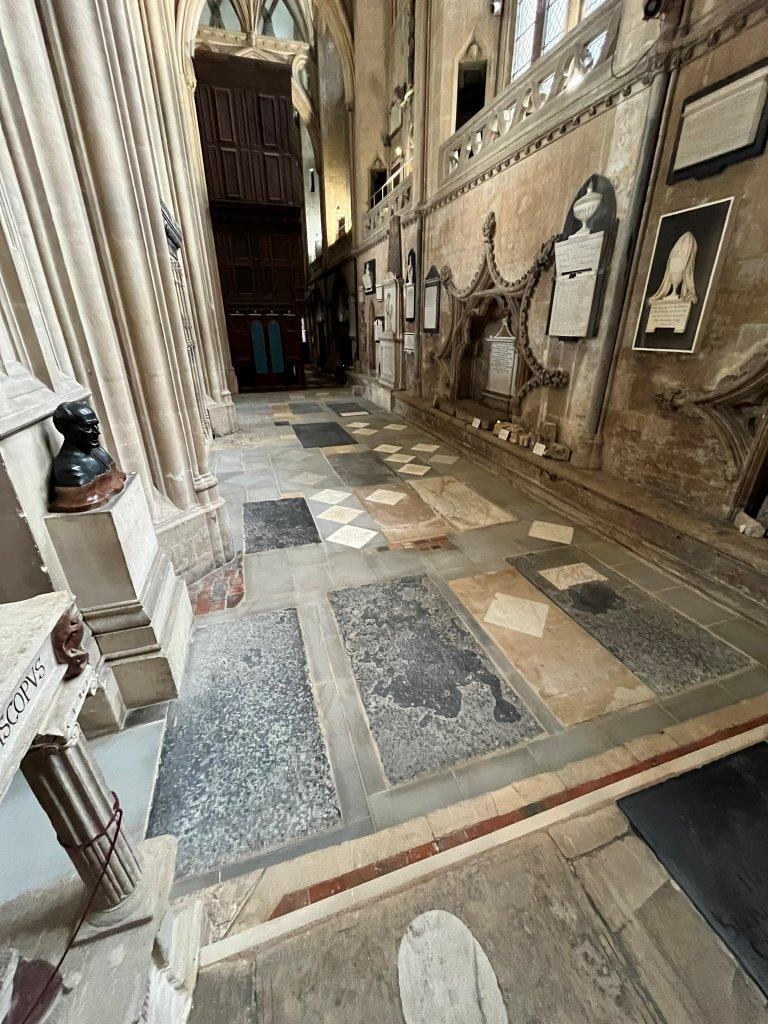
The restoration of the Seafarers’ Chapel floor at Bristol Cathedral has been recognised with a Church Transformation Award, highlighting a project that combines sensitive stone conservation with improved accessibility within a significant historic setting.
Delivered by Cliveden Conservation in collaboration with Nick Cox Architects and the Cathedral team, the works formed part of a wider programme aimed at making the building more welcoming and accessible while preserving its historic fabric. The award will be formally presented at the 2026 Church Transformation Awards ceremony in May.
The 14th-century Seafarers’ Chapel contains an important collection of ledger stones and wall monuments, but decades of wear had left the floor uneven and difficult to navigate. The project sought to resolve these practical challenges without losing the character and historical integrity of the space.
A spokesperson for the Cathedral said improving access was central to the scheme. “Transforming access in the Cathedral is a key priority for us as we work to ensure the building is open and welcoming to all,” they said. “The Seafarers’ Chapel floor was the first step, and we were really pleased with the result.”
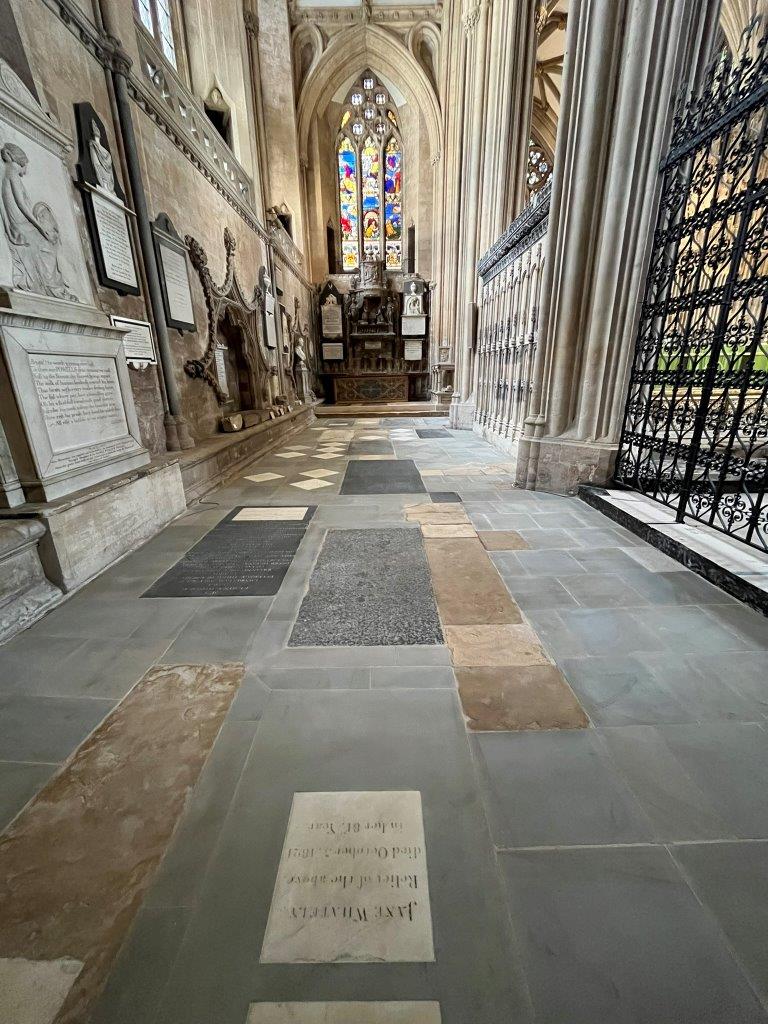
Cliveden Conservation was appointed to undertake the principal phase of stone repairs alongside the conservation of marble memorial tablets. The approach prioritised retention wherever possible. Large historic ledger slabs were conserved in situ, while decayed Pennant sandstone paving was carefully lifted and replaced using Forest of Dean Pennant sandstone sourced from Barnhill Quarry to match the original material.
Each replacement stone was set out and cut precisely to align with the historic floor pattern, ensuring continuity across old and new work. According to Tom Flemons, director and Bath workshop manager at Cliveden Conservation, maintaining that balance proved central to the project’s success.
“This was a collaborative process involving masons, conservators and the wider client team,” he said. “The challenge was maintaining the character of the floor while renewing well over one hundred individual stones.”
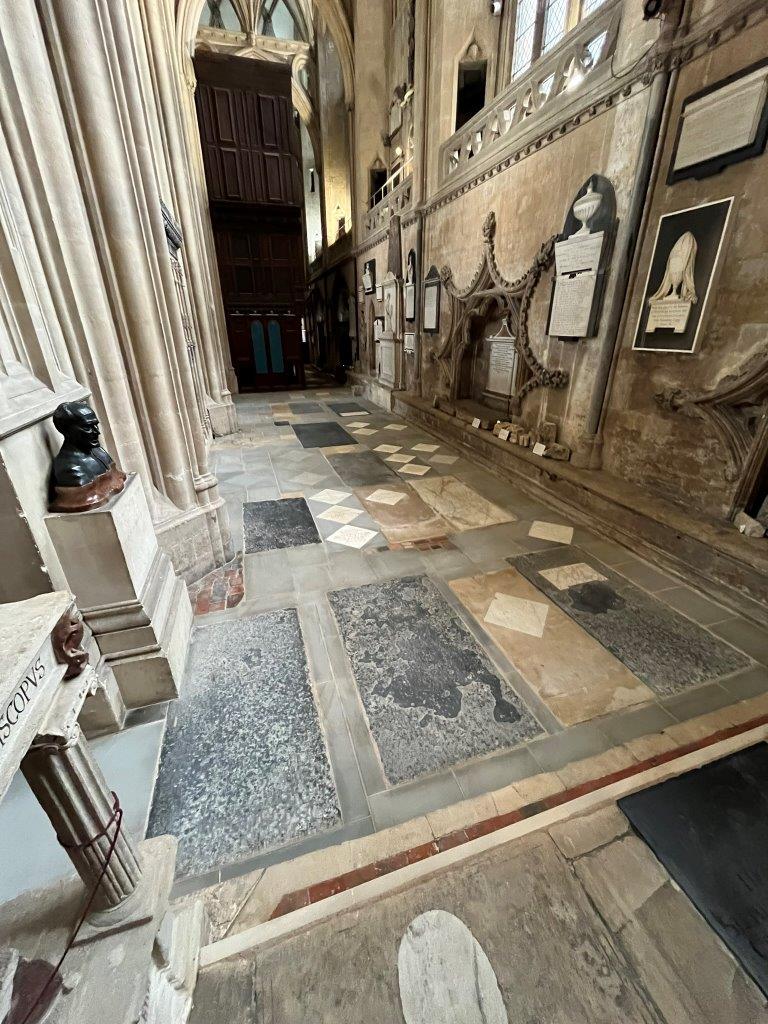
The dismantling phase was carried out under an archaeological watching brief, revealing previously unrecorded burial vaults beneath the chapel floor. The intervention also allowed the discreet installation of new acoustic and audio cabling, demonstrating how conservation projects increasingly integrate modern infrastructure within historic environments.
Accessibility improvements were also a driving factor behind the project. The floor was levelled and new stone, steel and oak ramps introduced, including a new ramp providing step-free access to the Lady Chapel and improved circulation routes between the North Choir aisle and Choir.
Kathryn Harris, Cathedral Architect at Nick Cox Architects, said the scheme required “expert craftsmanship to sensitively level new stone slabs around existing monuments, which were conserved in situ”. She added that the permanent access routes represent “an important step forward in the Cathedral’s vision to make this historic building accessible for everyone”.
The award recognises not only the quality of workmanship but also the evolving role of conservation projects within ecclesiastical buildings. Increasingly, heritage stonework schemes are expected to deliver inclusivity, functionality and long-term sustainability alongside traditional repair.
For Bristol Cathedral, the Seafarers’ Chapel restoration demonstrates how careful material selection, skilled masonry and collaborative conservation can renew historic spaces while ensuring they continue to serve contemporary congregations and visitors alike.