

Profile: FRONT

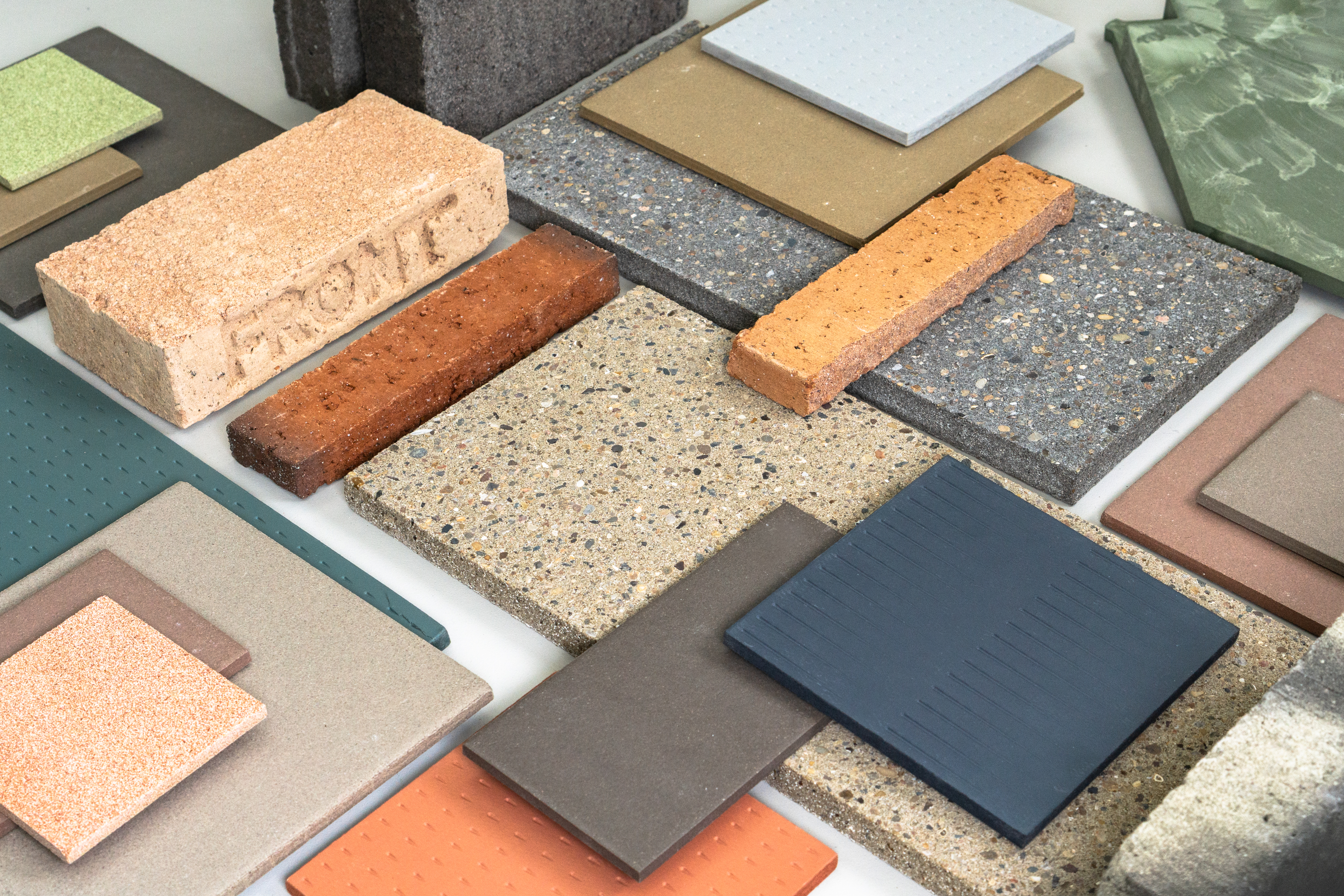
At a time when construction is under pressure to reduce embodied carbon without compromising performance, Amsterdam-based materials platform FRONT has positioned itself as a supplier capable of bringing the gap between innovation and practical application.
Founded to connect emerging material technologies with architects, contractors and developers, the company works directly with manufacturers developing alternatives to conventional construction products. The result is a curated portfolio built around waste streams, bio-based resources and circular production, and a notable step, if not leap, in the right direction.
Rather than developing products itself, FRONT operates through partnerships, helping to translate laboratory-style innovation into viable building materials supported by certification, technical guidance and project delivery experience. Its growing catalogue demonstrates that sustainability aims for the built environment can be supported by material applications, as underlined by one of the most recent additions developed with the biotechnology company Biomason.
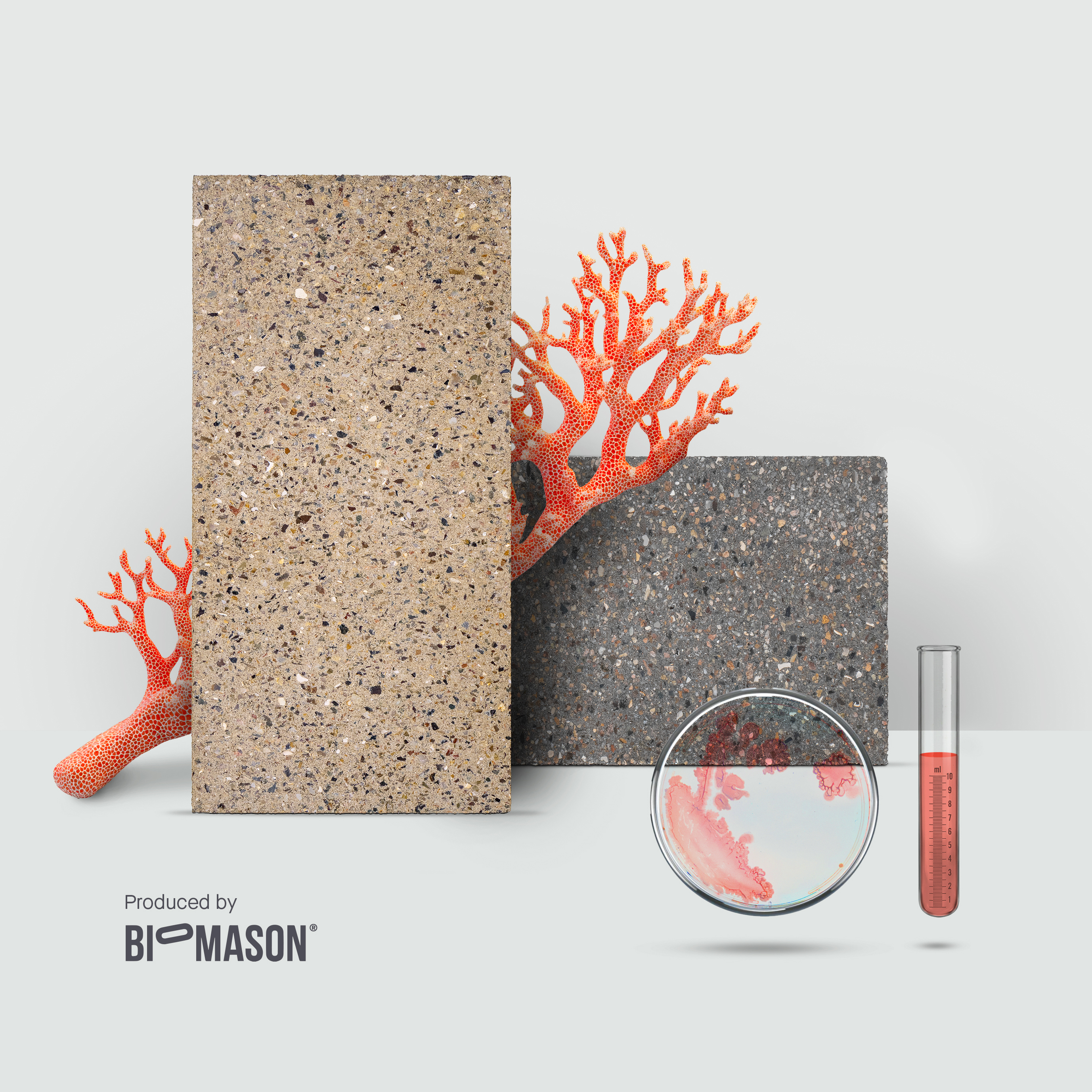
Inspired by coral formation, Mimmik tiles are produced using microbial mineralisation rather than kiln-fired cement production. The science behind the range almost sounds like a passage from Sci-fi fiction, with bacteria binding aggregates together through Biomason’s Zymecrete™ process, which forms calcium carbonate without the extreme temperatures associated with conventional cement manufacture.
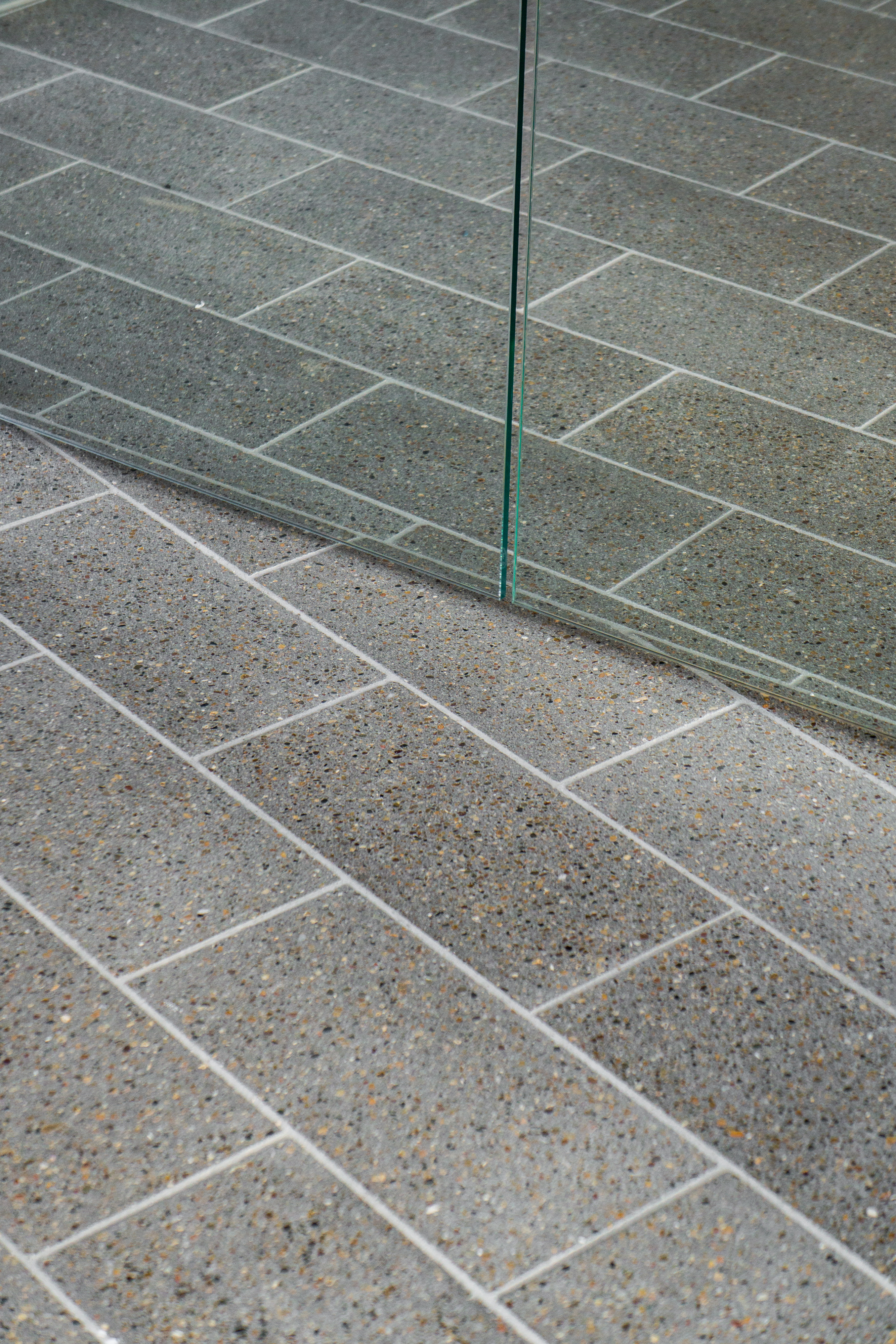
It is, in fact, based entirely on reality, and a refreshing read when considering that concrete remains the most widely used construction material globally, while its production accounts for an estimated 8% of worldwide CO₂ emissions. As a bio-concrete product, Mimmik achieves around 60% lower emissions while reaching structural strength in roughly 40 hours instead of the typical 28-day curing period.
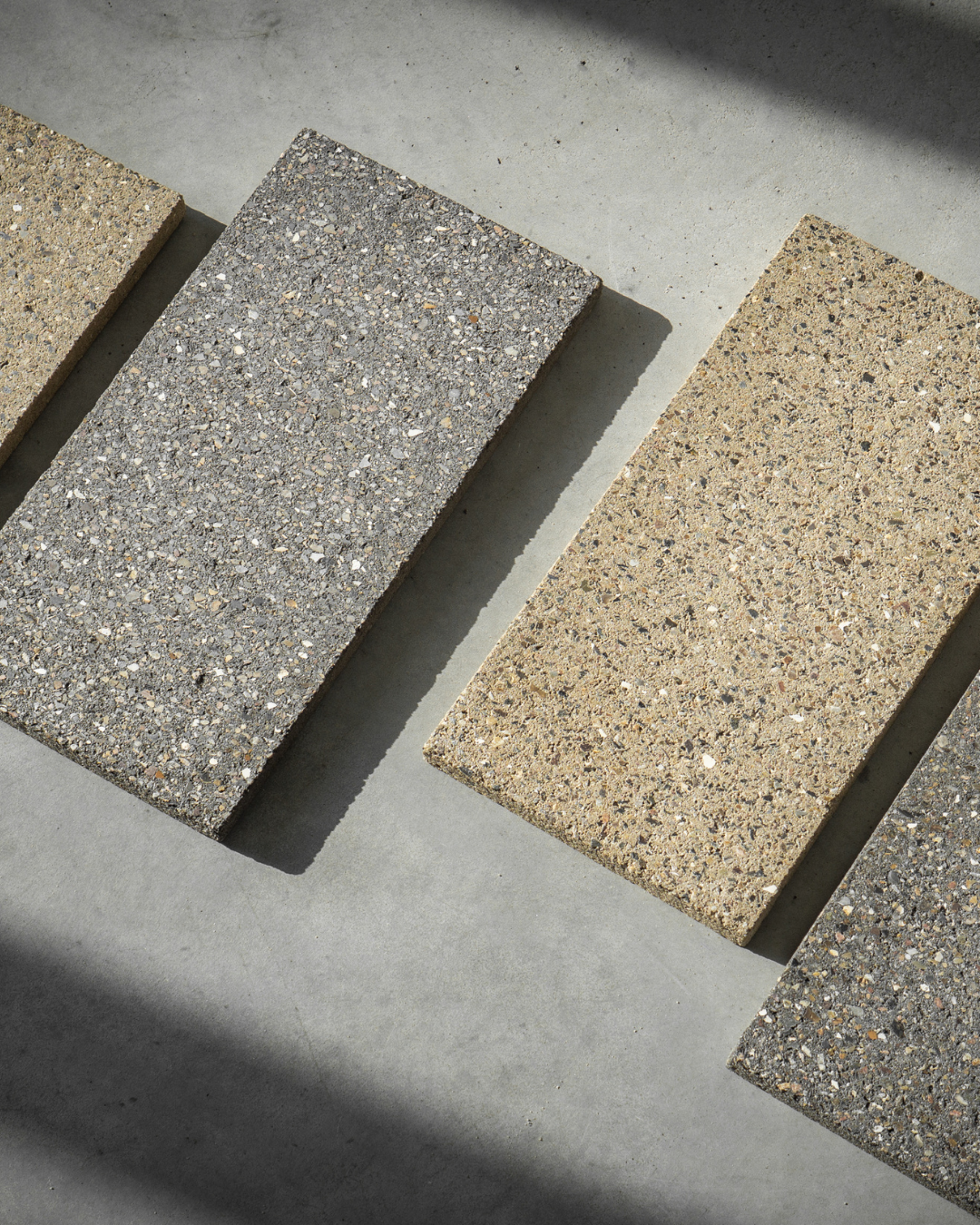
What’s more, because the material crystallises rather than curing into standard grey cement, colours derive naturally from local aggregates, allowing the new architectural surfaces to reflect regional geology, and break away from the often oppressive uniformity and ubiquity of concrete. What would Le Corbusier say? To add to this, hidden within the surface, carbon contained in raw materials remains locked into the crystalline structure rather than being released during firing.
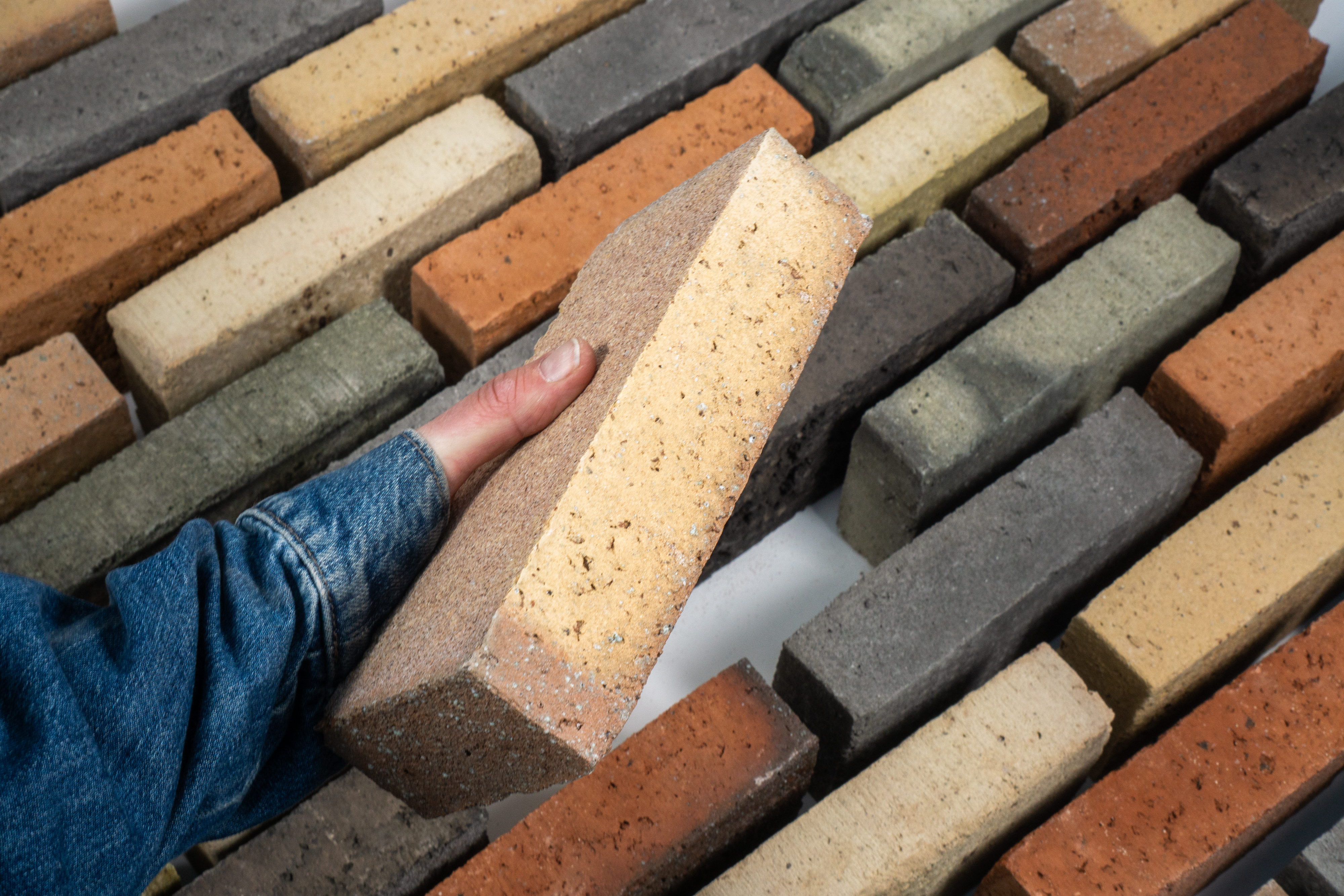
Mimmik fits neatly into a growing portfolio that is already bringing eco-conscious materials to market, many of which are turning the tide on waste. WasteBasedBricks, produced with manufacturing partner DC Bricks, incorporate at least 60% recycled waste, diverting approximately 91kg of waste per square metre of façade. To add to this, lower firing temperatures of around 200°C below industry norms reduce production energy demand by up to 40%. Much like Mimmik, natural colour variation comes baked in, in this case from the waste mix itself, which avoids the need to add pigments.
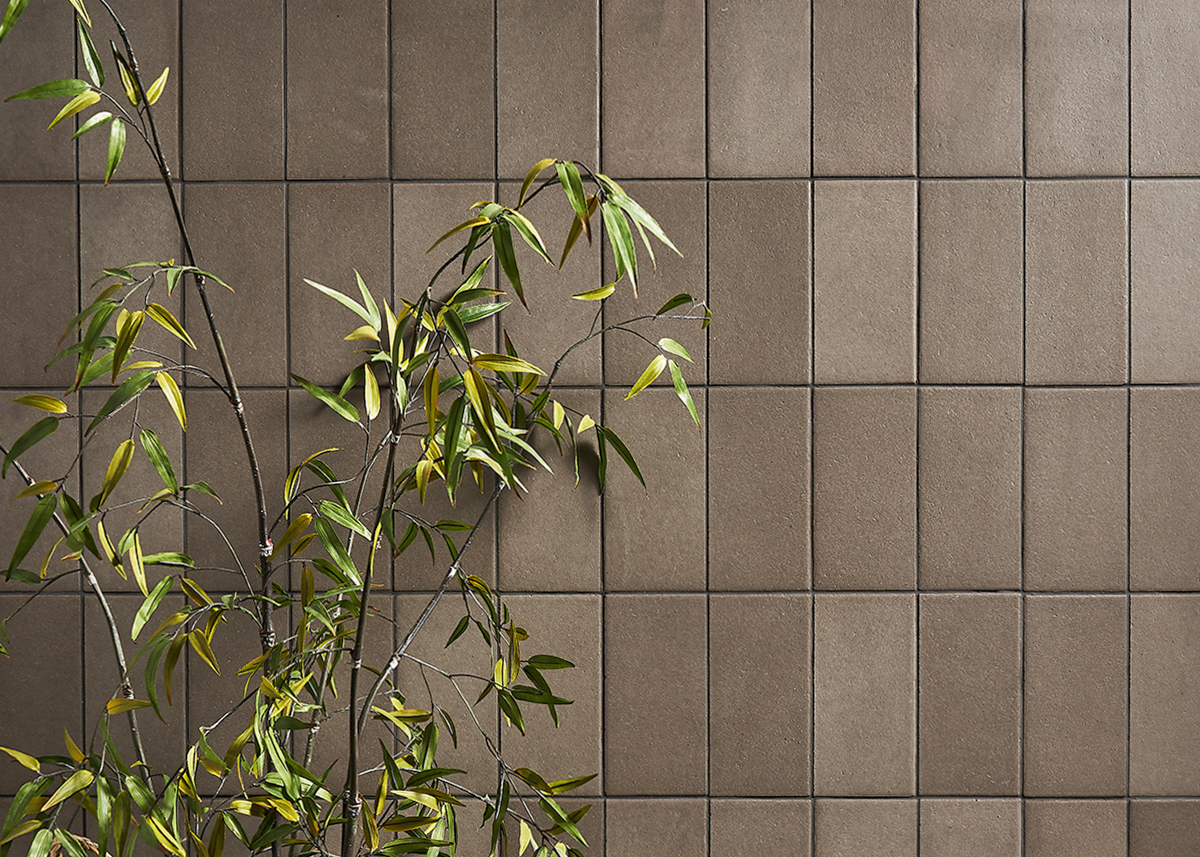
Similarly, Skip Tiles also utilise construction and demolition waste. Mixed mineral residues are reprocessed by UK manufacturer, Alusid, into durable tiles. As with all of these circular mineral-based products, the range demonstrates how materials commonly destined for landfill can return to the built environment as finished architectural surfaces, and subtly but effectively help to tell new planet-first narratives.
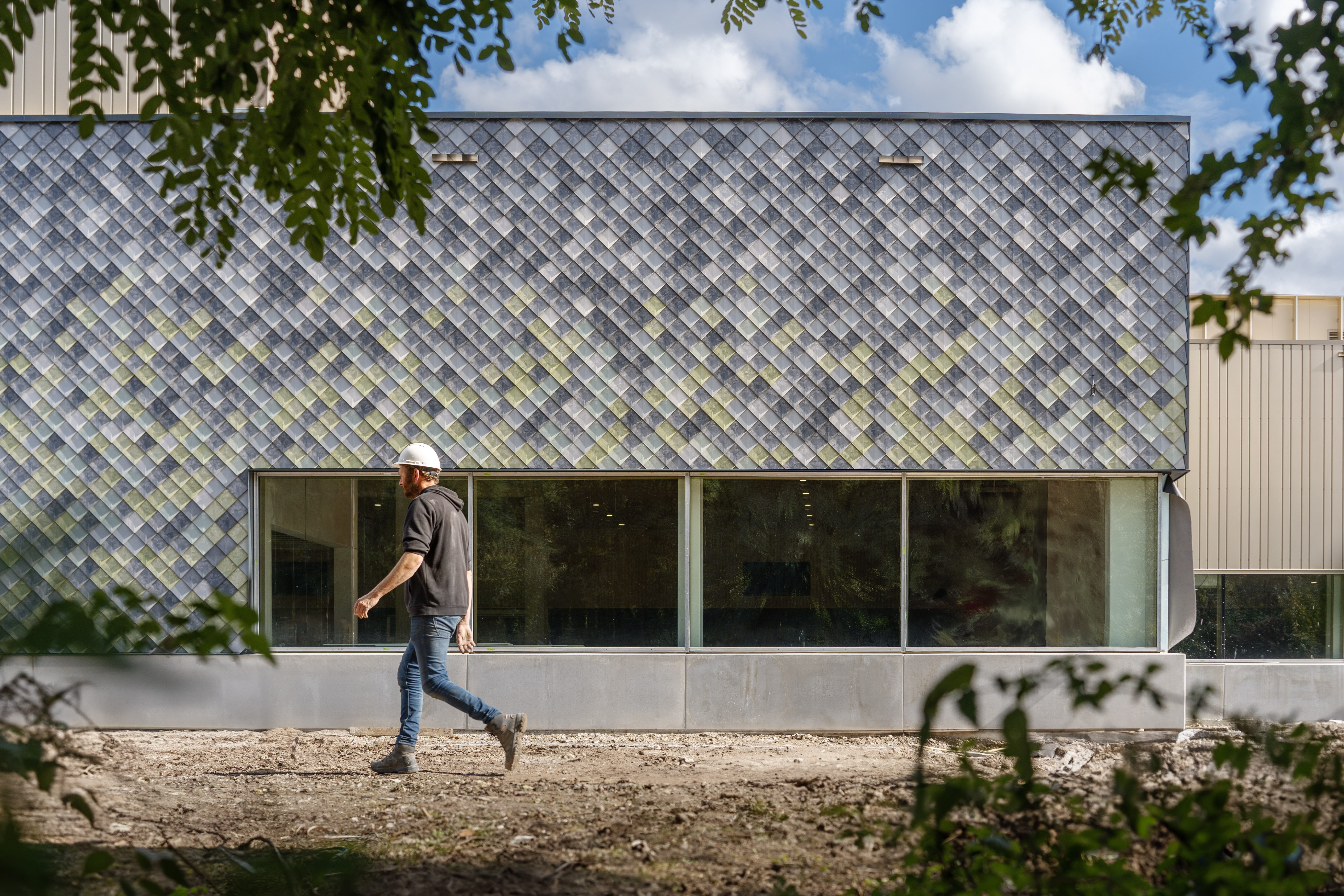
As well as minerals, the FRONT portfolio tackles other forms of industrial or post-consumer waste. As the name suggests, Pretty Plastic Panels are developed from recycled PVC. In this case, the plastic in question comes from window frames, which are transformed from difficult-to-recycle plastic streams into façade cladding systems suitable for exterior use. The beauty here is that panels retain the durability of PVC while allowing for more colourful creations that reimagine its environmental impact through reuse.
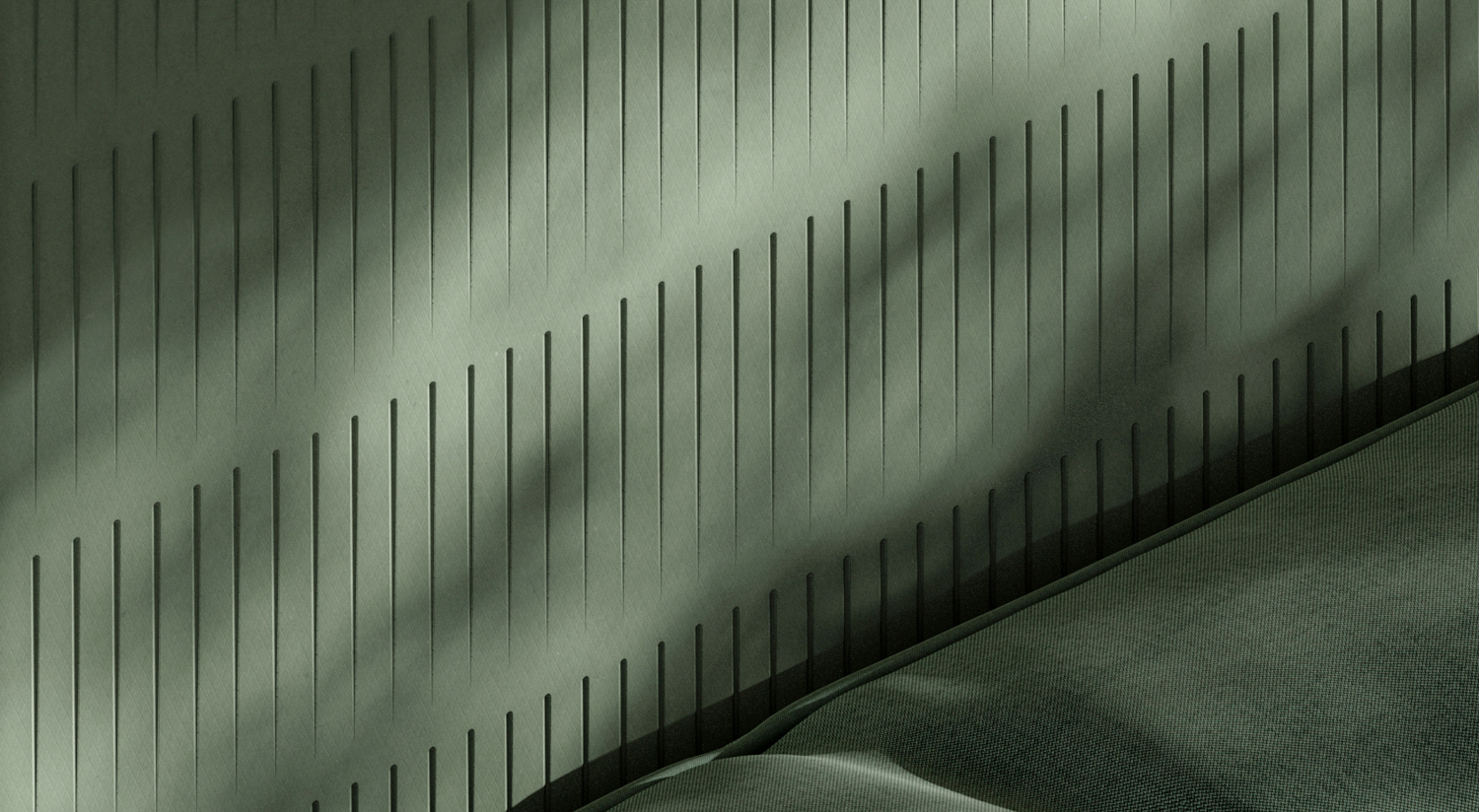
Turning to interior applications, Paper Waste Panels repurpose paper industry by-products into rigid sheet materials suitable for interiors, furniture and wall finishes, replacing virgin board products with compressed recycled fibres. Crisp, graphic incisions are pressed into the panels into satisfyingly repeated patterns, adding a subtle texture that creates light and shadow on the elegant, unmistakably papery surface.
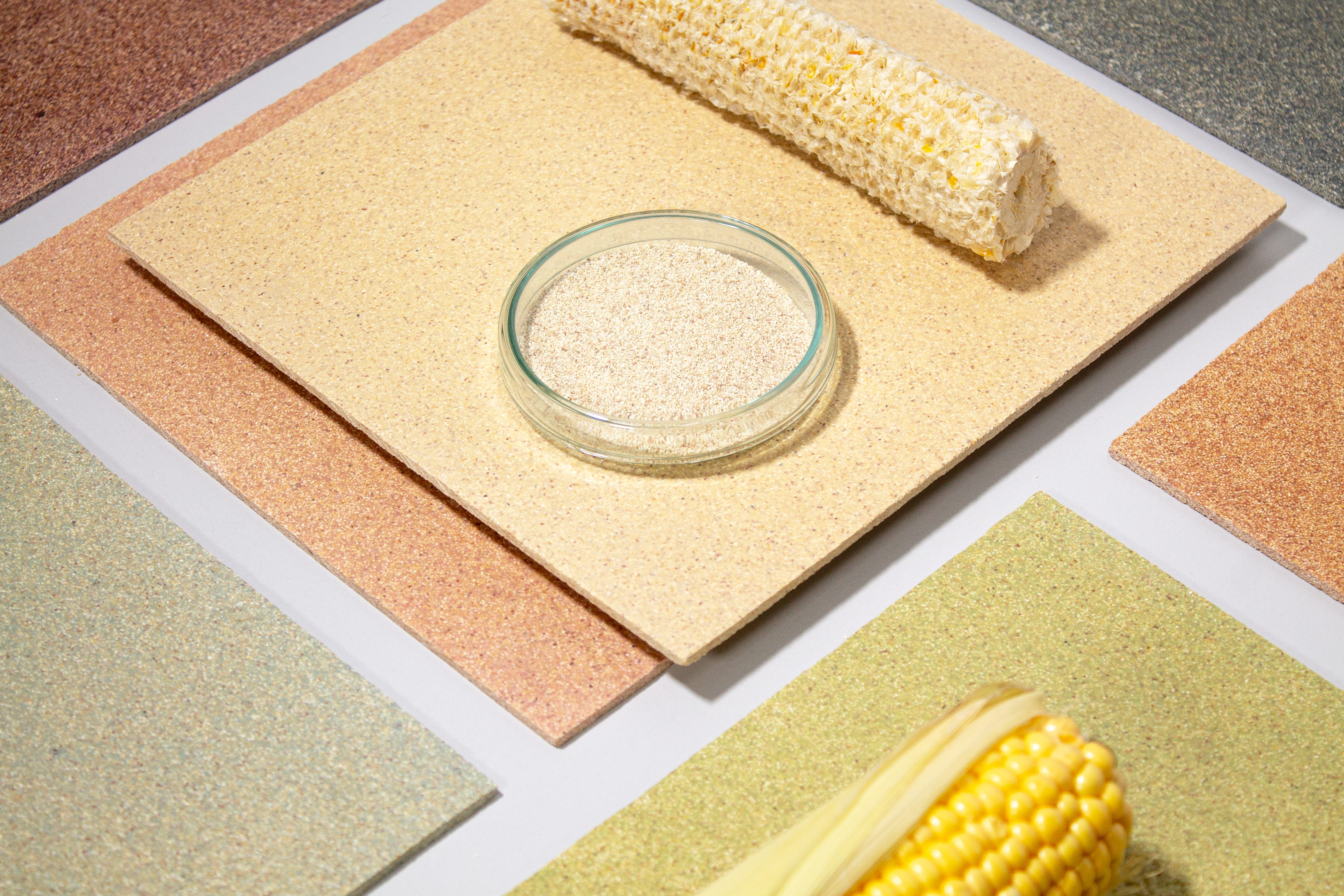
Meanwhile, CornWall acoustic panels utilise agricultural waste derived from corn production. The interior wall finish is made using the cores of regionally sourced corn cobs that would otherwise be burned, fermented or left as agricultural waste. The resulting plant-based biomass locks in carbon absorbed during crop growth, resulting in a climate-positive profile in which more CO₂ is stored than emitted during manufacture. Supplied as precision-made panels with a demountable anchoring system rather than adhesive fixing, it is conceived for circular use. Bio-coated for moisture resistance and available in pigmented colourways, CornWall offers a firm, durable surface comparable in performance to HPL or hardwood while remaining thinner and suitable for CNC milling.
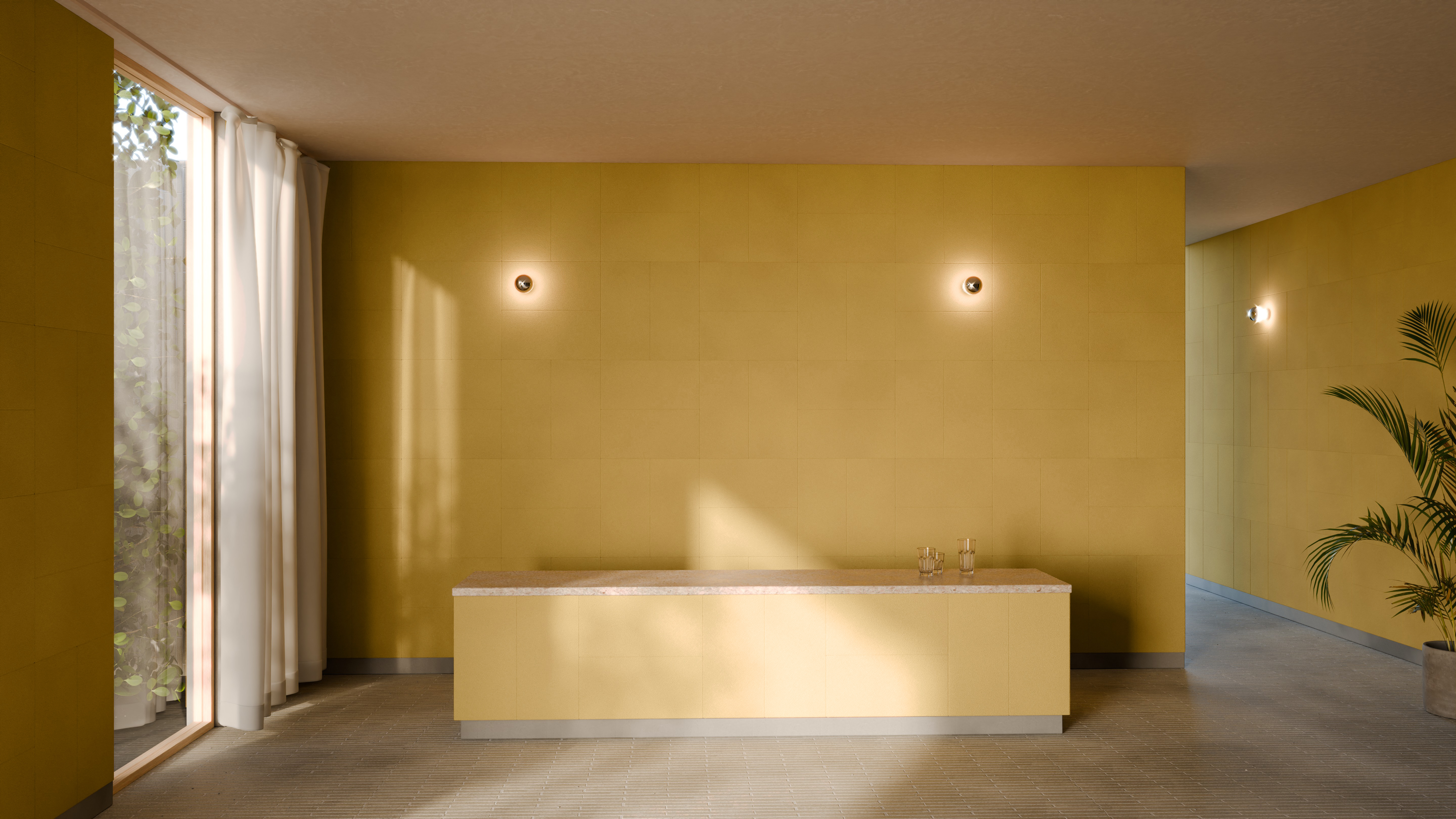
Having delivered more than 170 projects across 17 countries and achieving B Corporation certification already, FRONT reflects a broader shift within the materials sector: innovation increasingly emerges from interdisciplinary collaboration rather than traditional manufacturing alone. Watch this space for more!