

Surface Perspectives: House of EM

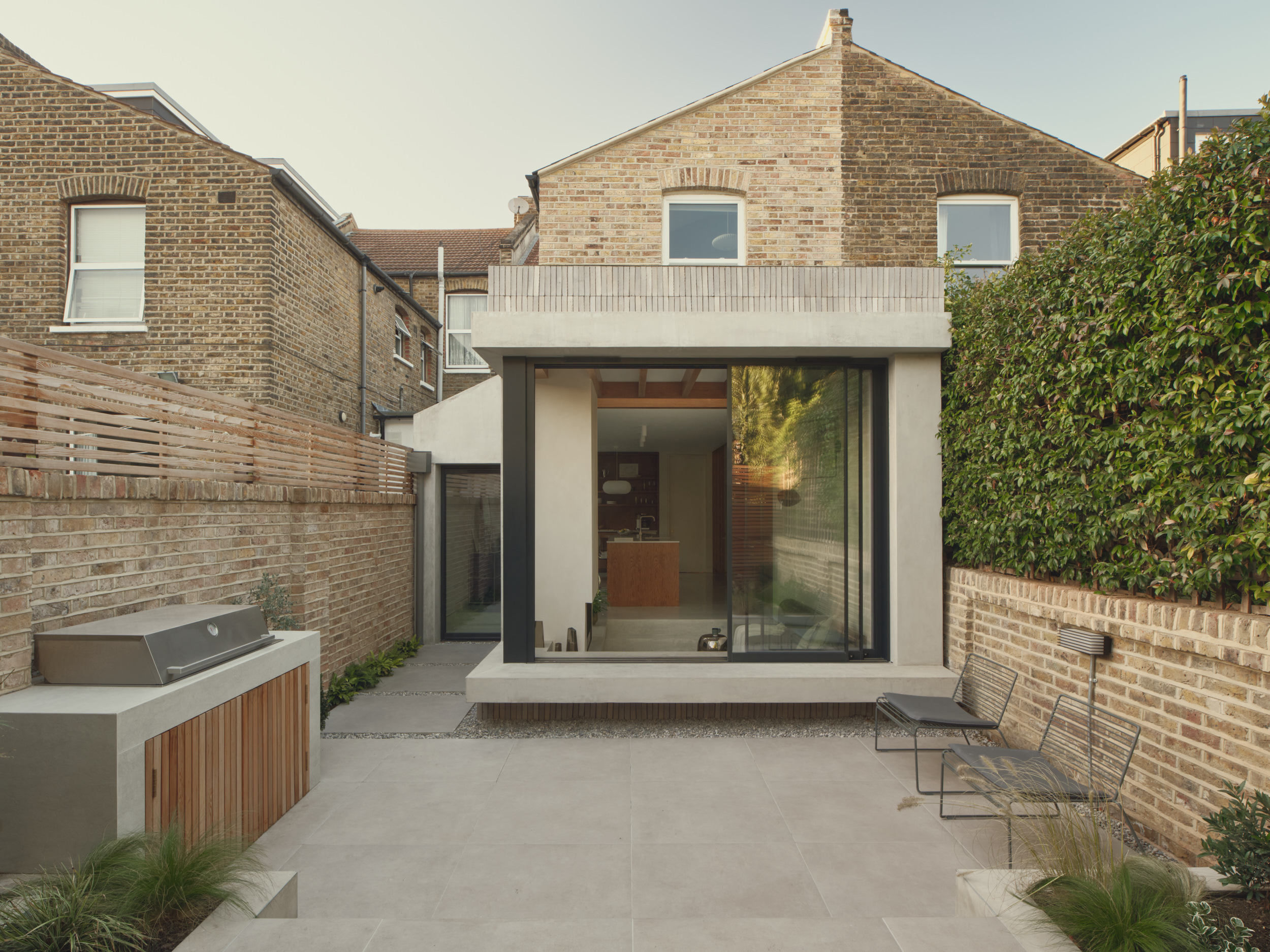
Founded by former Michaelis Boyd directors Emma Bodie and Matthew Sanders, House Of EM is a London-based architecture and interiors practice whose work is grounded in a clear understanding of context, culture and material expression. Operating across high-end residential projects, the studio values longevity, craftsmanship and material intelligence as essential components of contemporary domestic design. We caught up with the pair to discover more about what makes them tick.
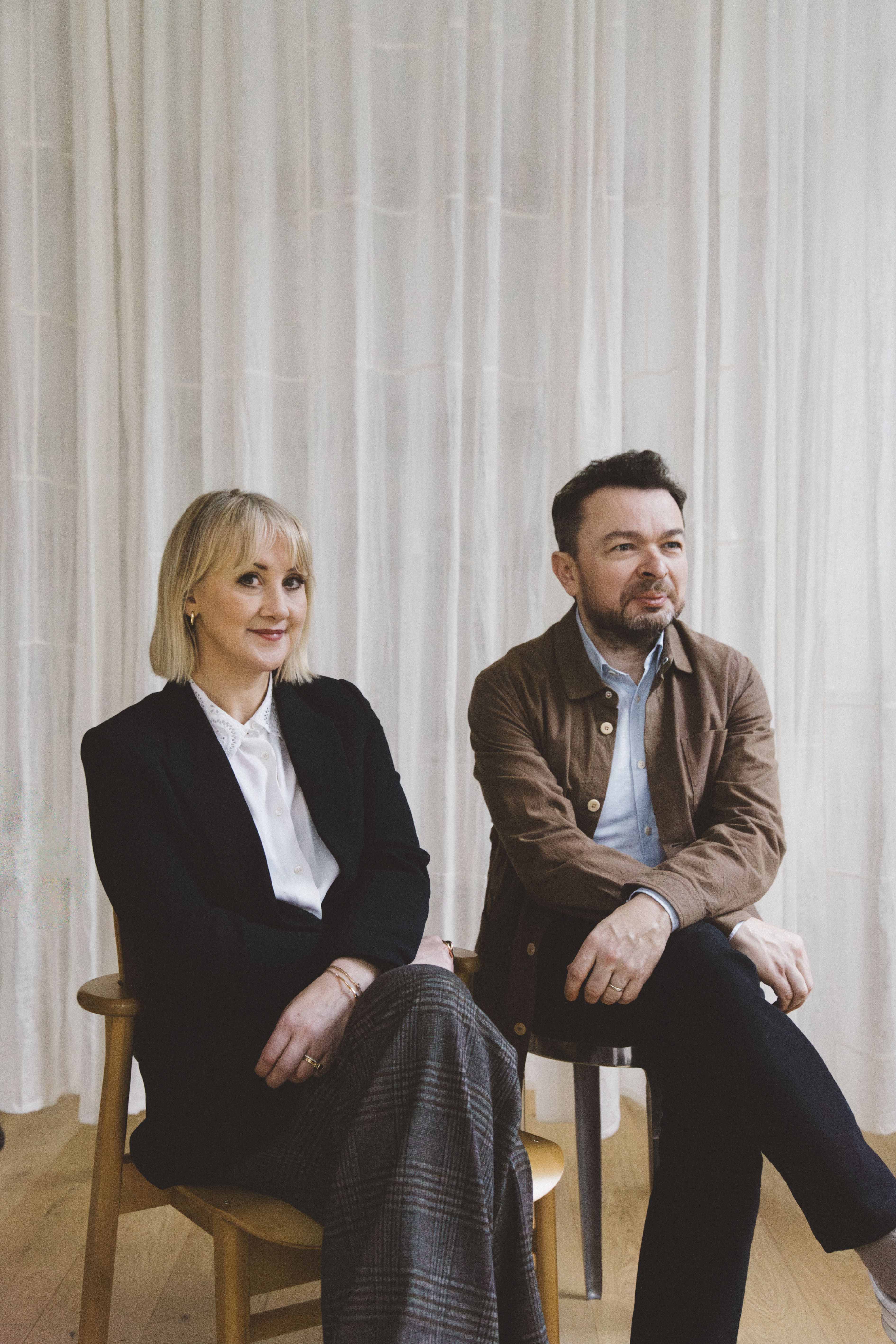
What does a typical day look like for you?
No two days are ever the same, which is part of the joy of high-end residential work. Our mornings often begin on site, where we walk through spaces as they’re being built, check finishes, and liaise with contractors and collaborators. Afternoons are usually spent reviewing drawings or refining bespoke details, making sure every junction, seam, and material is resolved.
Much of our time is dedicated to translating client ideas into something tangible. Whether it’s a material palette, a lighting scheme, or the placement of a bespoke feature, it’s about balancing imagination with practicality. Even within a single project, we move constantly between concept, technical problem-solving, and collaboration with specialists to ensure the design intent is realised.
How integral are materials and surfaces to your day-to-day?
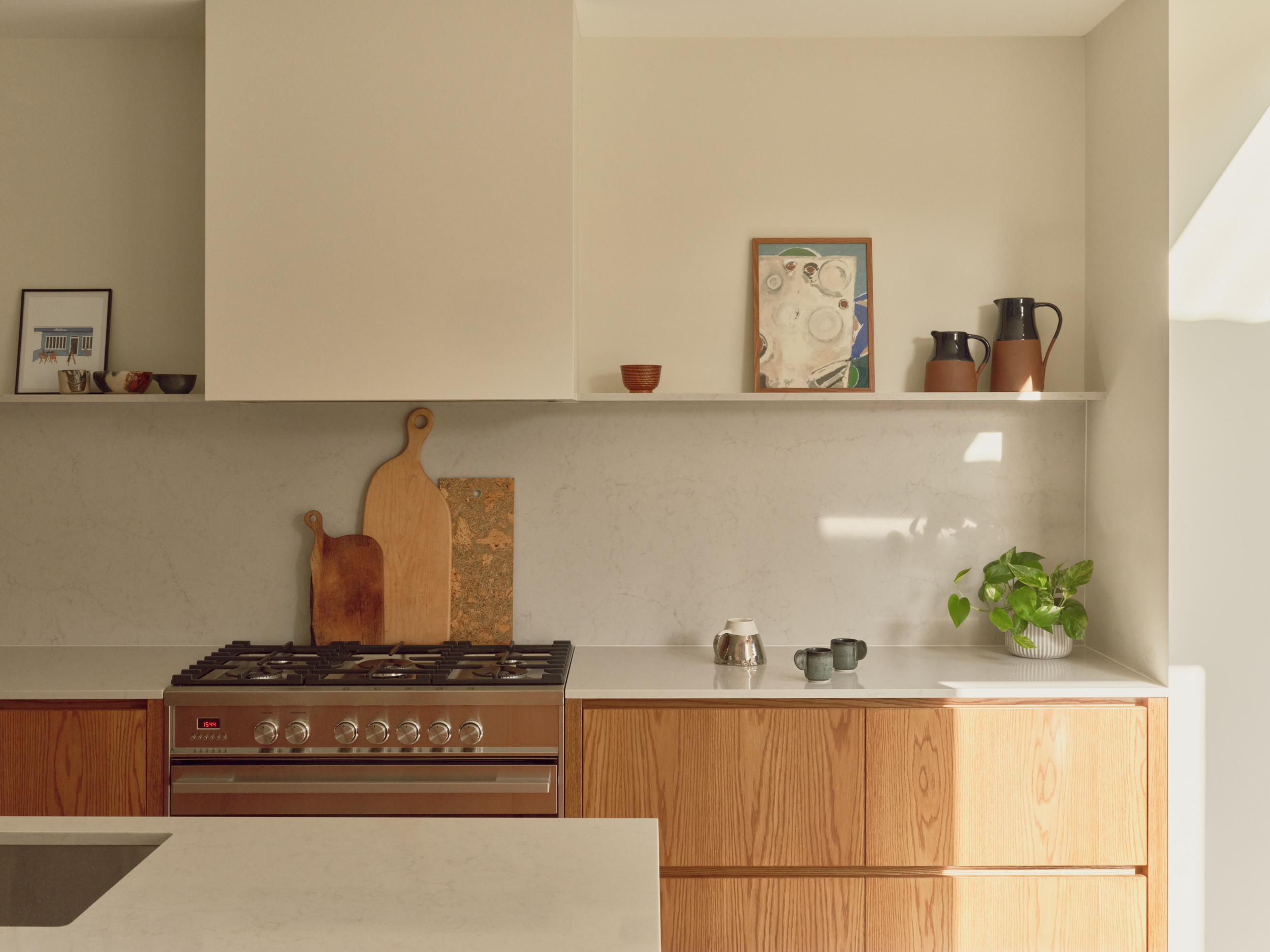
Materials are central to everything we do. We are constantly thinking about how surfaces look, feel, and perform, and how they interact with light and space. Natural stone, timber, plaster, metals, and bespoke finishes dominate our palette, but we also enjoy exploring unconventional materials that bring surprise and delight.
We’re always building our sample library in the office. Handling samples is a daily ritual, testing tones, textures, and finishes, considering how they age, how they feel under hand, and how they complement other elements in a space. Ensuring materials are durable and suited to their intended use is critical. Materials aren’t just decorative; they shape the mood, character, and identity of a home.
What lessons have you carried forward from your training?
Our architectural training gave us a solid foundation, spatial thinking, technical understanding, and a disciplined approach to problem-solving. Interior design added another layer: a sensitivity to texture, light, proportion, and the subtle details that make spaces feel human and lived in.
We were also fortunate to work at several influential studios, Edward Cullinan Architects, Michaelis Boyd, and Edward Suzuki Associates - each shaping our approach in different ways, from contextual awareness and environmental thinking to precision, materiality, and refined contemporary detailing.
The biggest lesson we carry forward is restraint but combined with curiosity and playfulness. Good design isn’t about filling a space with ideas; it’s about editing thoughtfully so that every element has purpose. At the same time, design should be fun, exploring what hasn’t already been done, testing materials and forms, and remembering that sometimes the simplest gestures have the most impact.
Which project are you most proud of?
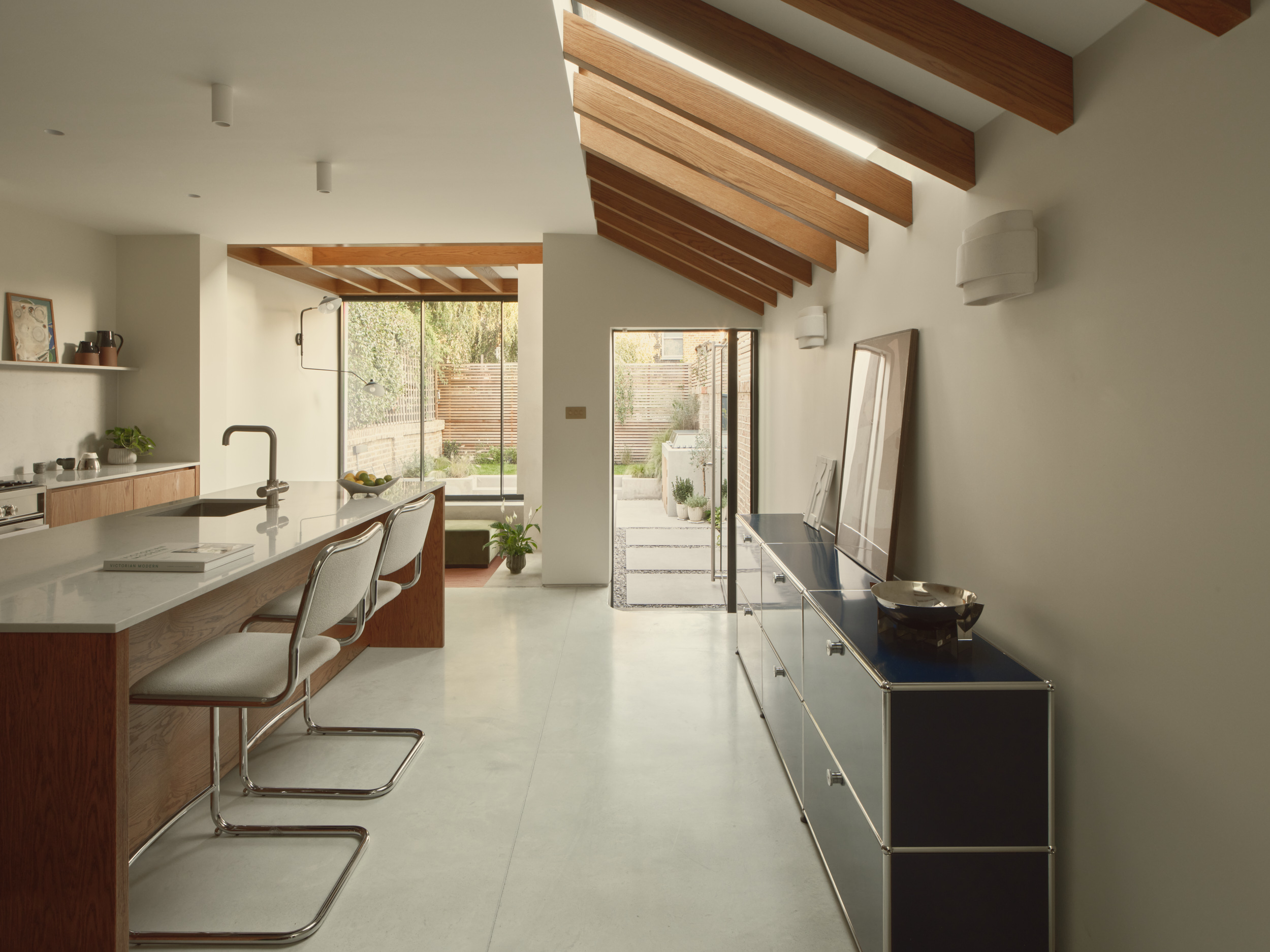
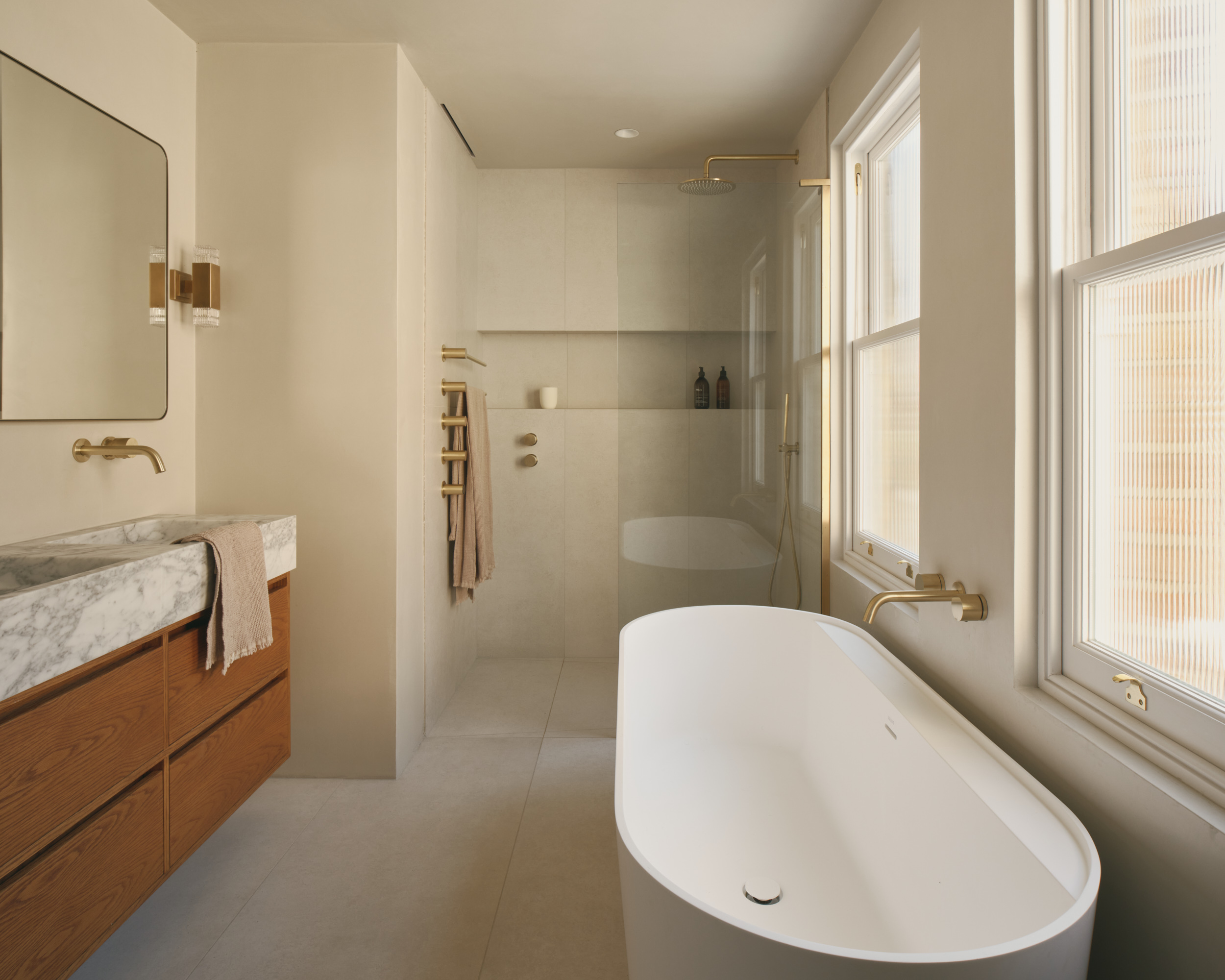
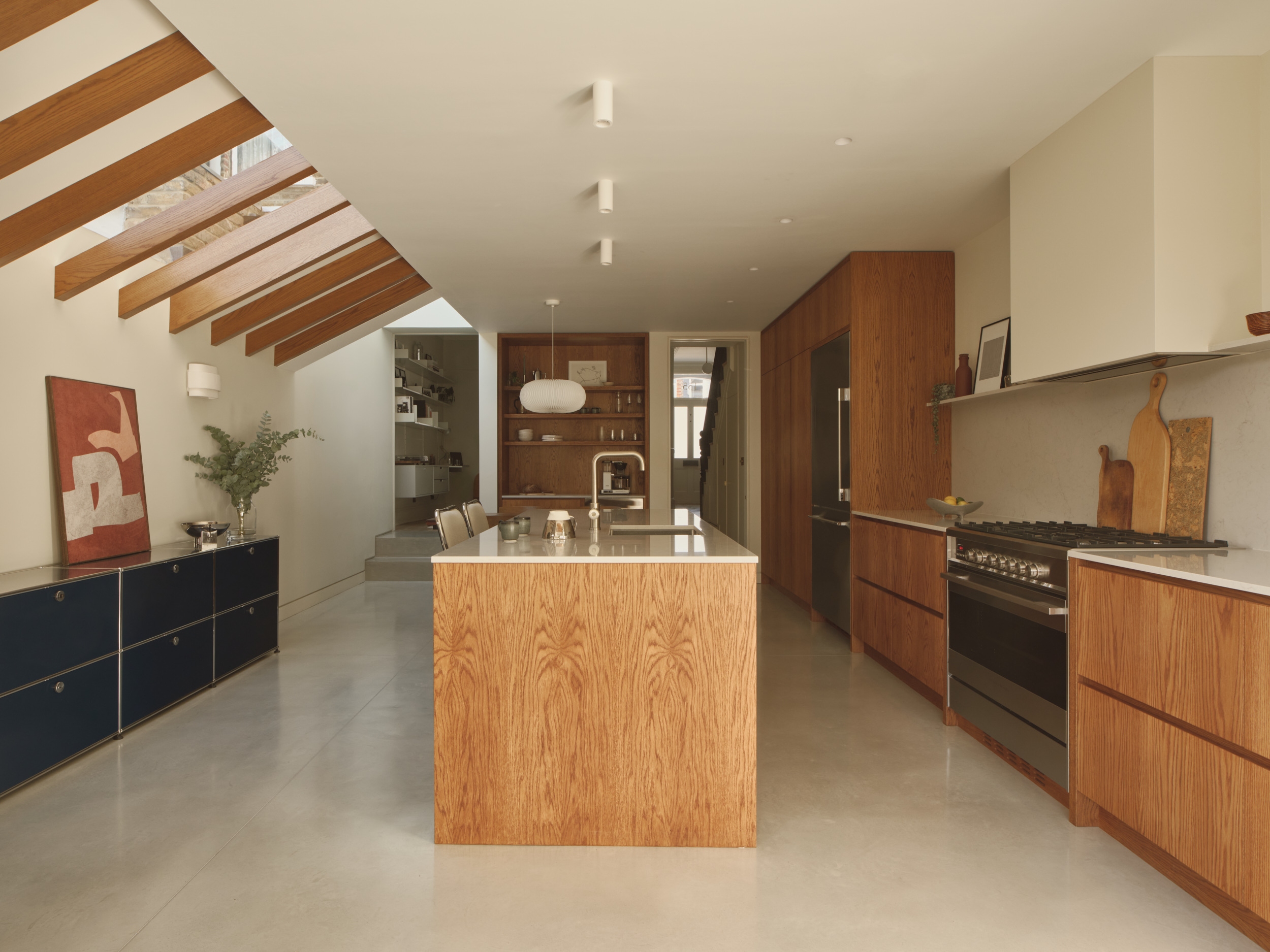
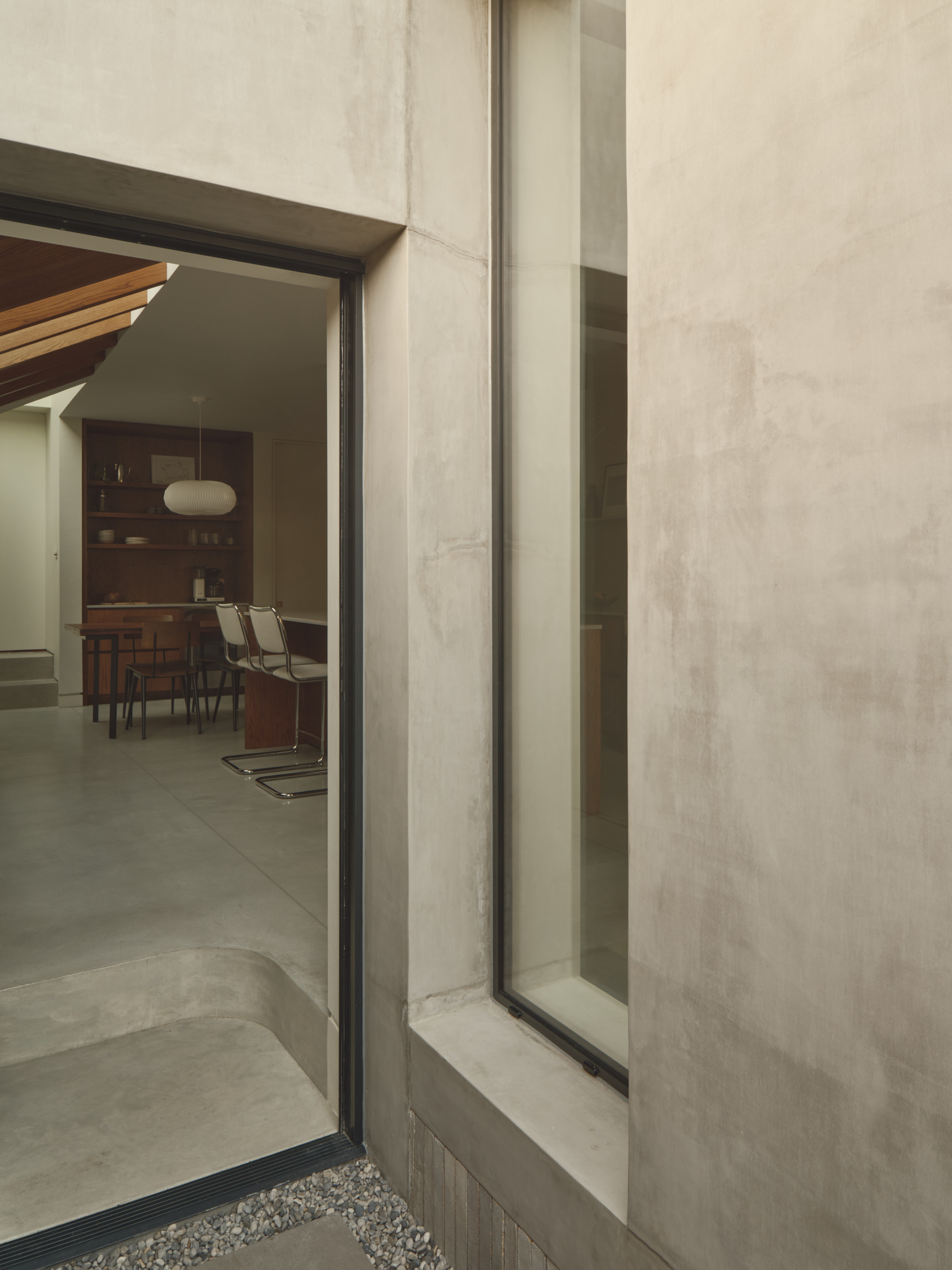
We are particularly proud of Loggia House. When you walk in, the space immediately opens up, revealing the connection to the garden beyond. The transition feels effortless, drawing light and landscape deep into the home.
We love the sunken seating area and how just two steps can create a completely different and intimate zone, while still maintaining a visual connection to the kitchen and dining spaces. It’s just a subtle shift in level, but it transforms the experience of the room.
Moving through the house, there’s a genuine sense of calm and comfort, it feels grounded, flooded in light, and entirely of its place.
What are the main challenges facing the stone and surfaces industry?
Sustainability is one of the biggest challenges right now. Clients are increasingly conscious of sourcing, embodied carbon, and material longevity, but there’s still a lack of clear, reliable information to guide these decisions.
At the same time, specialist craftsmanship is under pressure. Skilled stoneworkers, joiners, and finishers are essential to achieving the quality we expect in high-end residential projects and preserving that expertise is vital.
The challenge is balancing these demands, sustainability, cost, and uncompromising quality, while still creating spaces that feel considered, beautiful, and enduring. It’s a constant negotiation, but one that drives innovation and attention to detail in every project.
What are the positives of using stone in the built environment?
Stone offers a combination of authenticity, permanence, and natural beauty. Its tactile quality engages the senses, and subtle variations in tone and texture are impossible to replicate with manufactured materials. It’s also resilient, aging gracefully over time.
When used thoughtfully, stone feels both contemporary and timeless. It grounds a space while enhancing character and depth. In residential projects, it contributes to understated luxury and solidity, elegant without ever feeling ostentatious. For us, it’s about quiet, enduring impact rather than fleeting statement.
How does sustainability shape your thinking?
Sustainability informs every decision we make, from initial layout to material selection. We prioritise durability, longevity, and emotional resonance, a home should endure physically and continue to delight over time.
Natural materials often support this philosophy because they are robust, timeless, and adaptable. At the same time, we embrace innovation, exploring low-impact finishes, reclaimed materials, or new fabrication methods, wherever they align with the same principles. Sustainability, for us, is about designing spaces that are environmentally responsible but also deeply loved, so they endure both in use and in memory.
All images - Loggia House ©Henry Woide