

Surface Spot: Compostboard

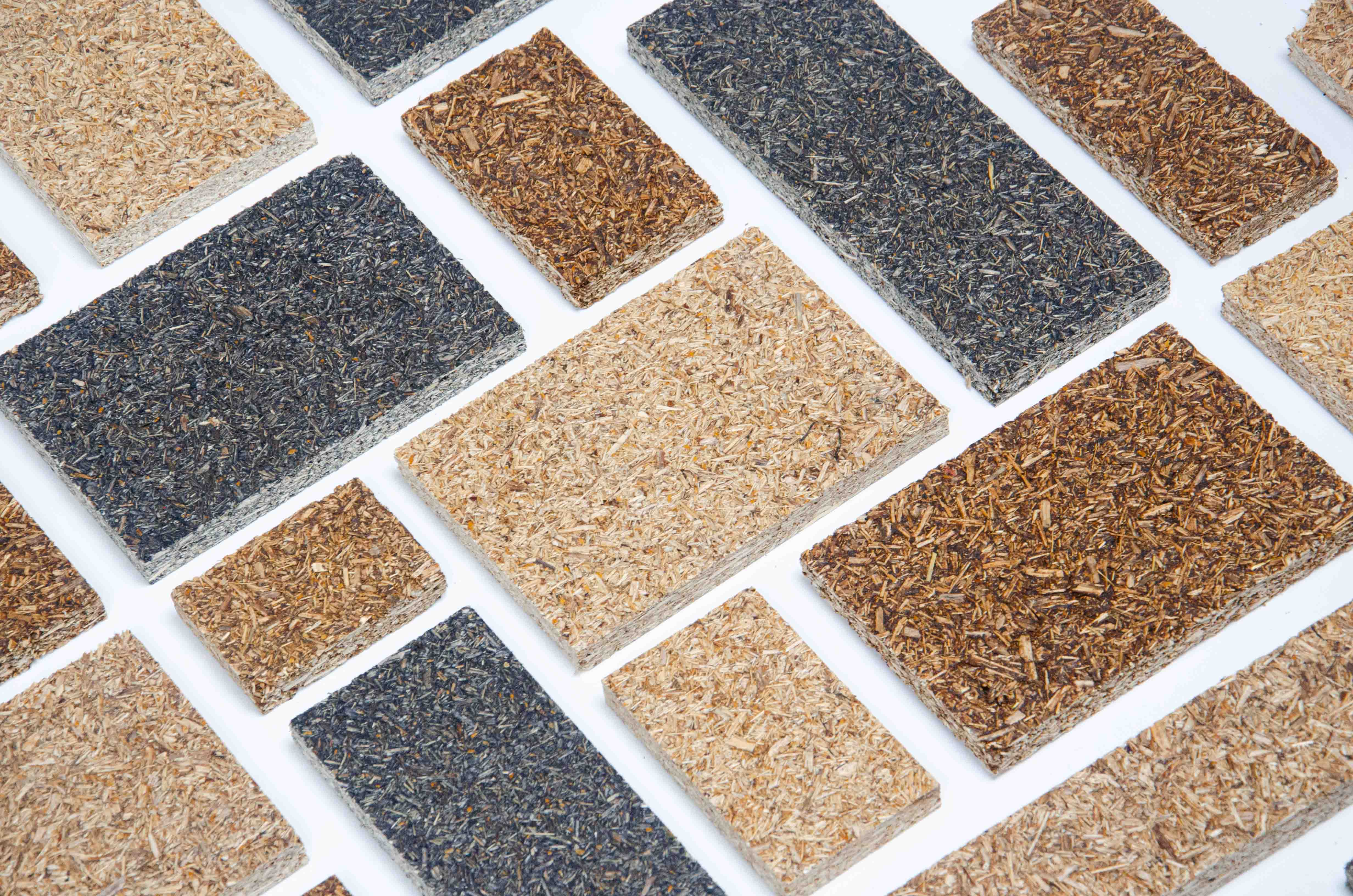
While the ongoing news cycle may feel like a perpetual poke in alternate eyes, there are stories unfurling in the world of design, and materiality in particular, that offer moments of hope for the future.
In recent years, designers have become more attuned to how the spaces they create affect both the people who use them, and, ultimately, the planet. The way sound and temperature interact within an interior plays a key role in this transition, as does the life cycle of the materials used to produce them.
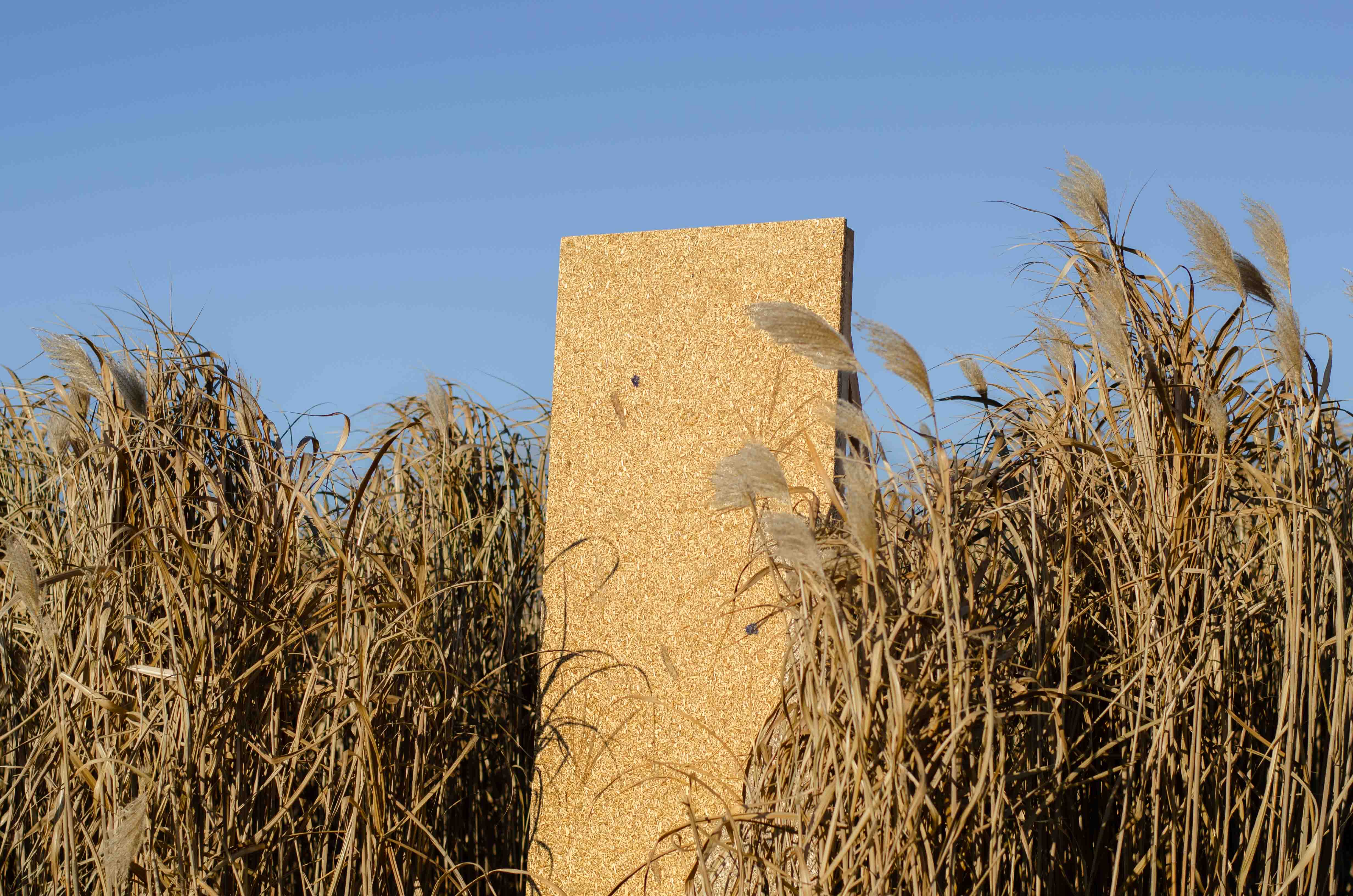
Developed by Dutch designer Rik Maarsen, Compostboard is an acoustic panel made entirely from plant fibres. Produced from locally sourced renewable fibres bonded with a natural sugar-based adhesive, the panels avoid synthetic layers, foams or chemical binders common to conventional acoustic systems.
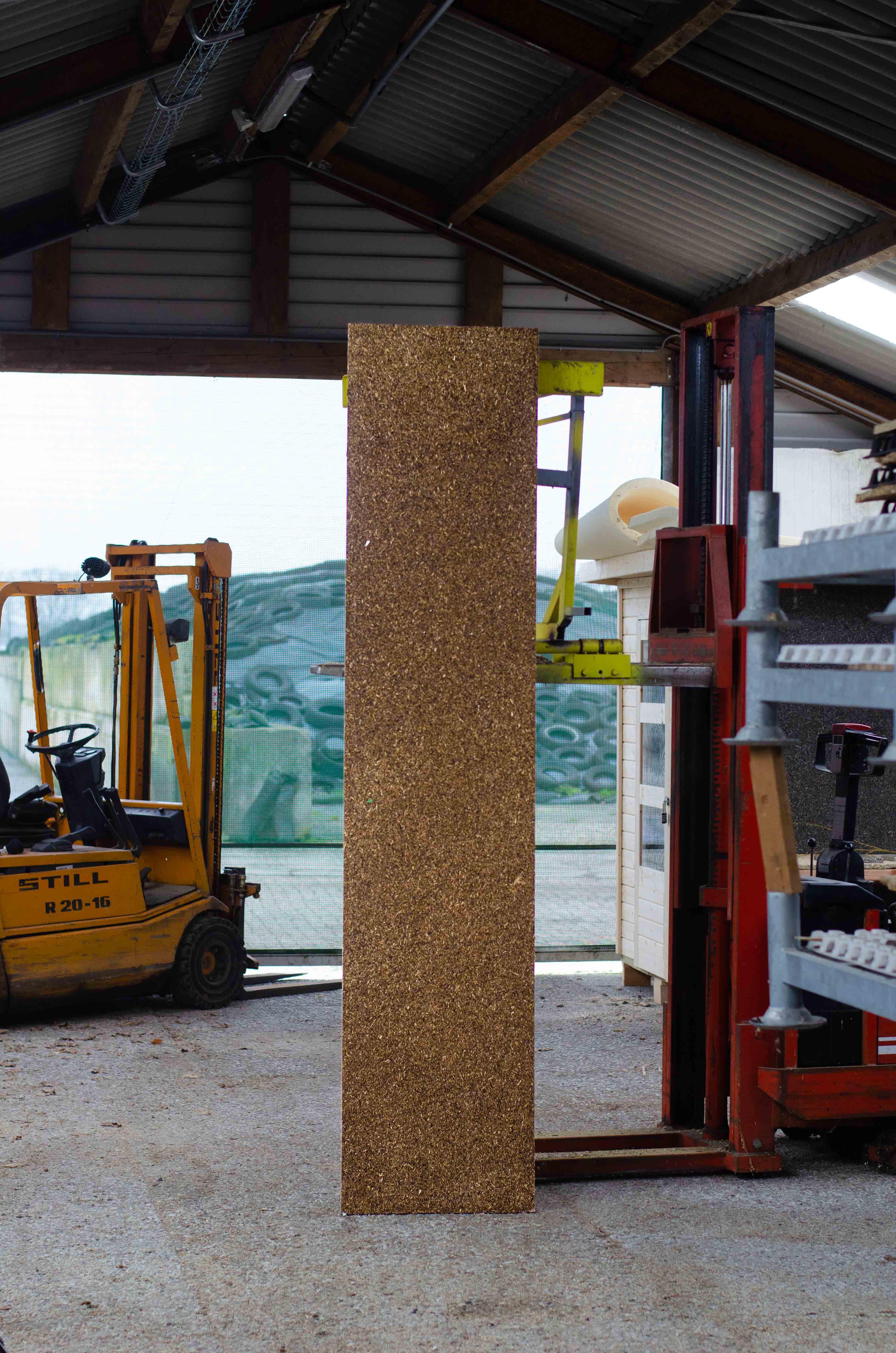
While the panels don’t fall into the biomimicry camp, their acoustic performance still relies on the inherent structure of plant fibres. Their porous composition absorbs ambient sound while remaining breathable, helping regulate humidity and contribute to a healthier indoor environment. Rather than applying technology onto a surface, Compostboard allows the material itself to perform acoustically, as if relying on an inherent, natural technology of sorts.
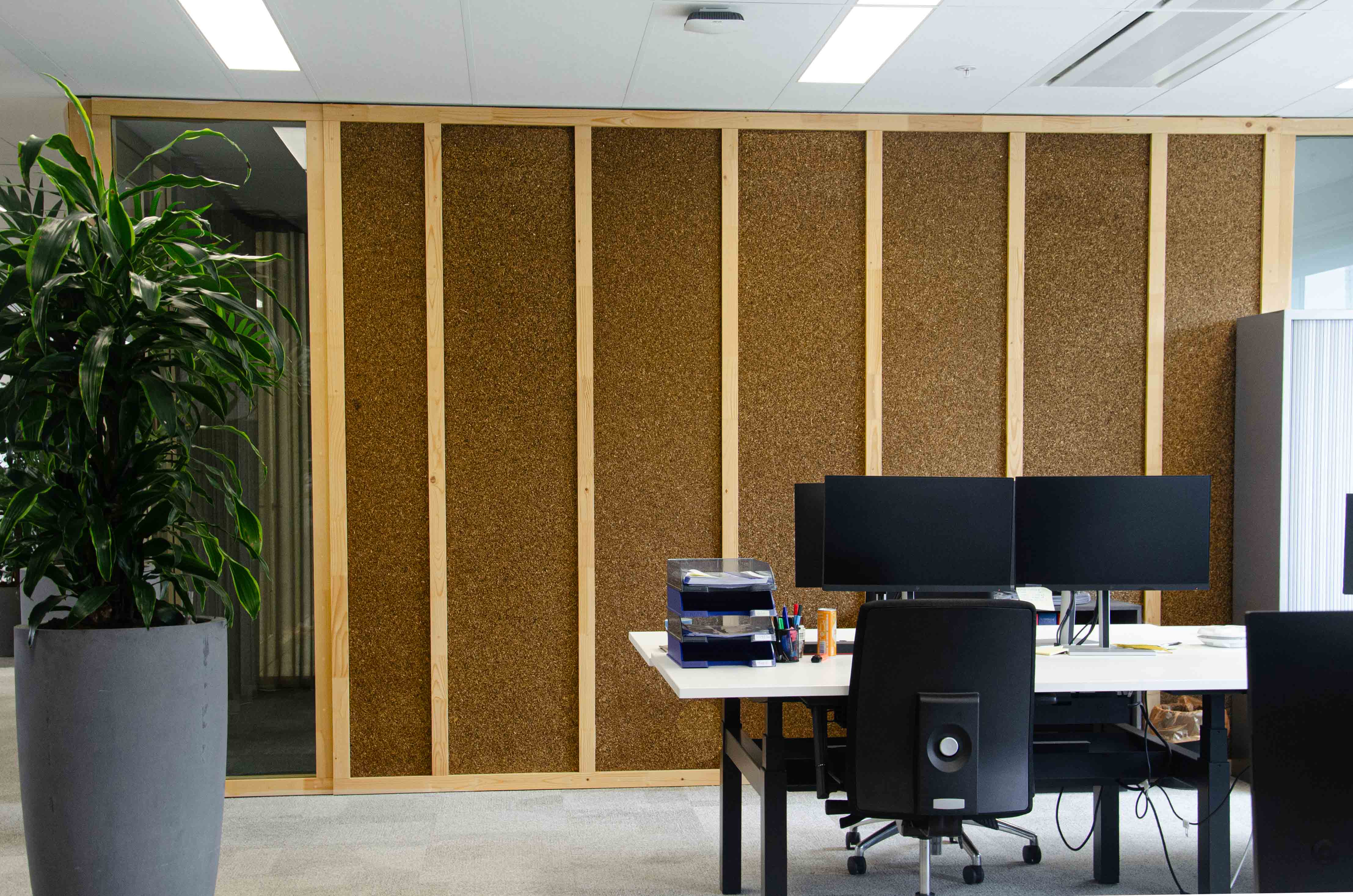
All raw materials are sourced within a 200km radius of manufacture, reinforcing the project’s emphasis on regional supply chains and reduced transport impact. Each square metre reportedly stores around 7kg of CO₂, which is dramatically more than conventional plasterboard and notably lower in embodied carbon than synthetic felt acoustic panels.
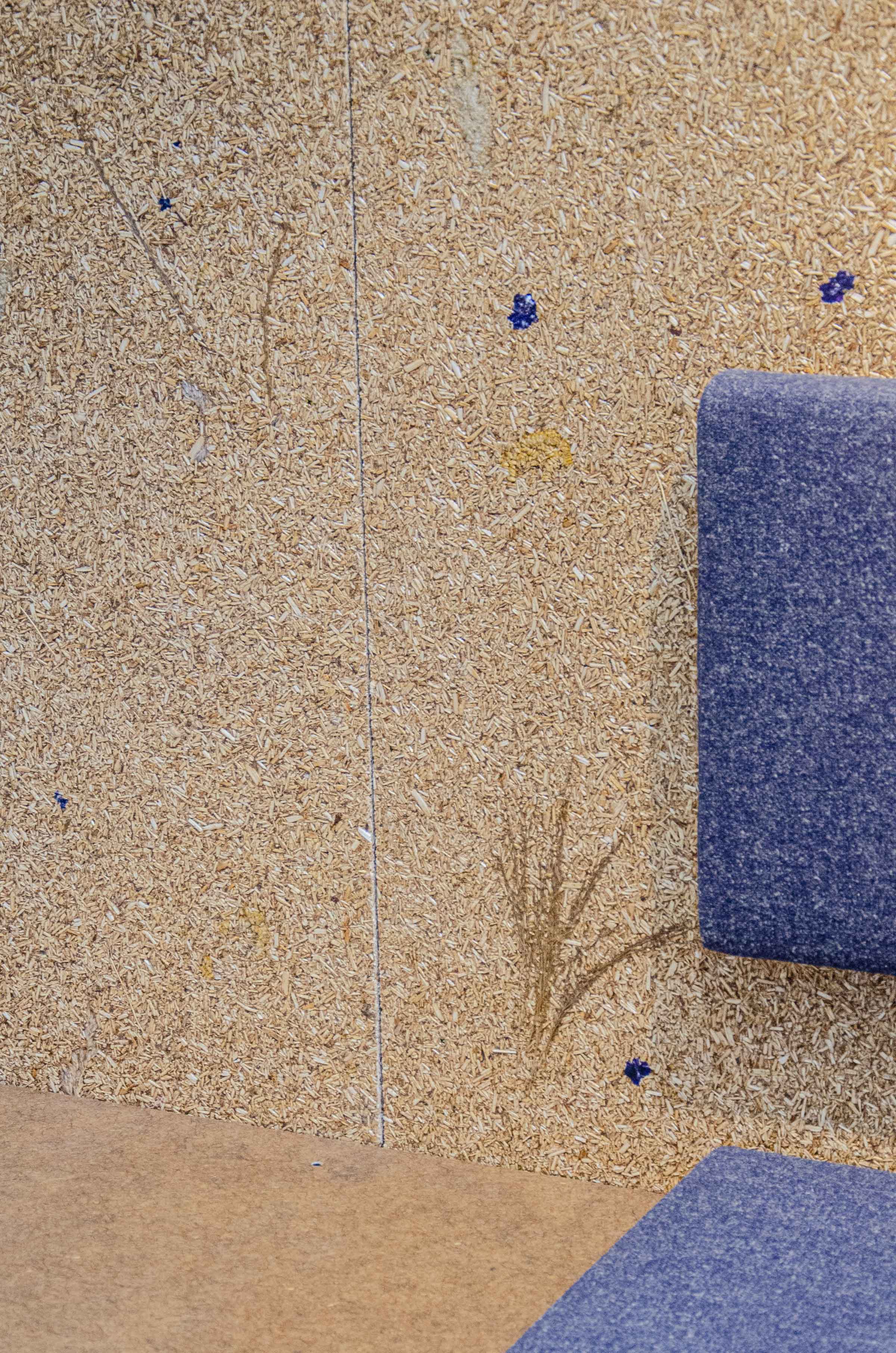
The boards have a very raw aesthetic, not totally unlike that of actual compost materials, although the product name owes more to the fact that they are compostable. Seasonal flower patterns pressed into the surface create limited-edition batches linked to agricultural cycles, giving each panel subtle variation and a clear material narrative. Equally, at the end of use, they can be easily recycled into new boards or reused as design elements.

The result is a surface that combines acoustic comfort with ecological intent. As the interiors sector continues to reassess material lifecycles, Compostboard joins a new generation of surfaces that may not only reduce impact, but actively participate in ecological renewal, while improving the feel of the space it is intended for.