

Surface Spot: McKie's Rotational Bricks

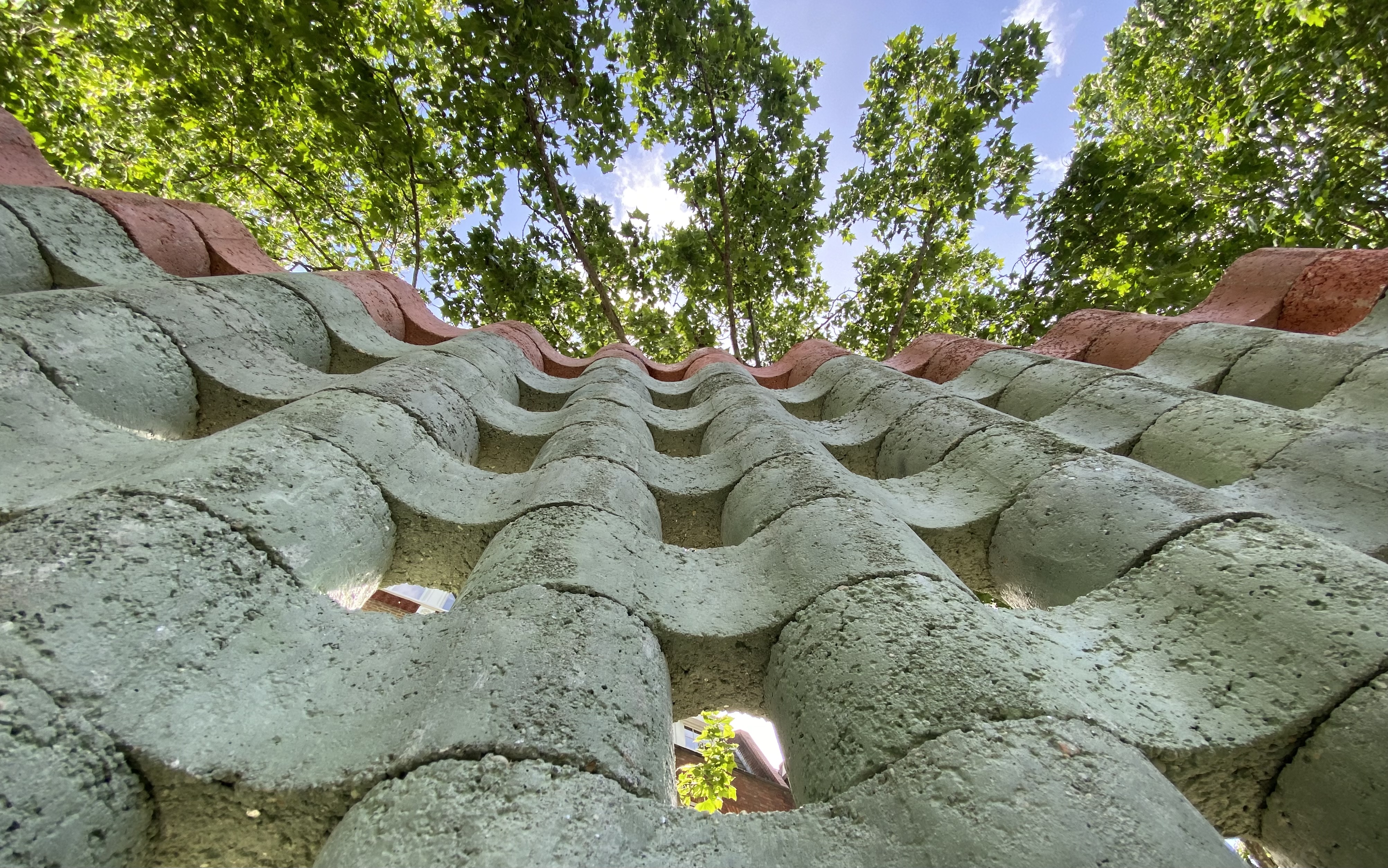
Brickwork is usually governed by a simple geometry: rectangular units laid in courses, with curves achieved through careful setting out, specialist skills and, often, considerable cutting. McKie’s Rotational Bricks takes a different approach, rethinking the shape of the brick itself to make walls that turn, weave and follow more complex footprints without losing their vertical alignment.
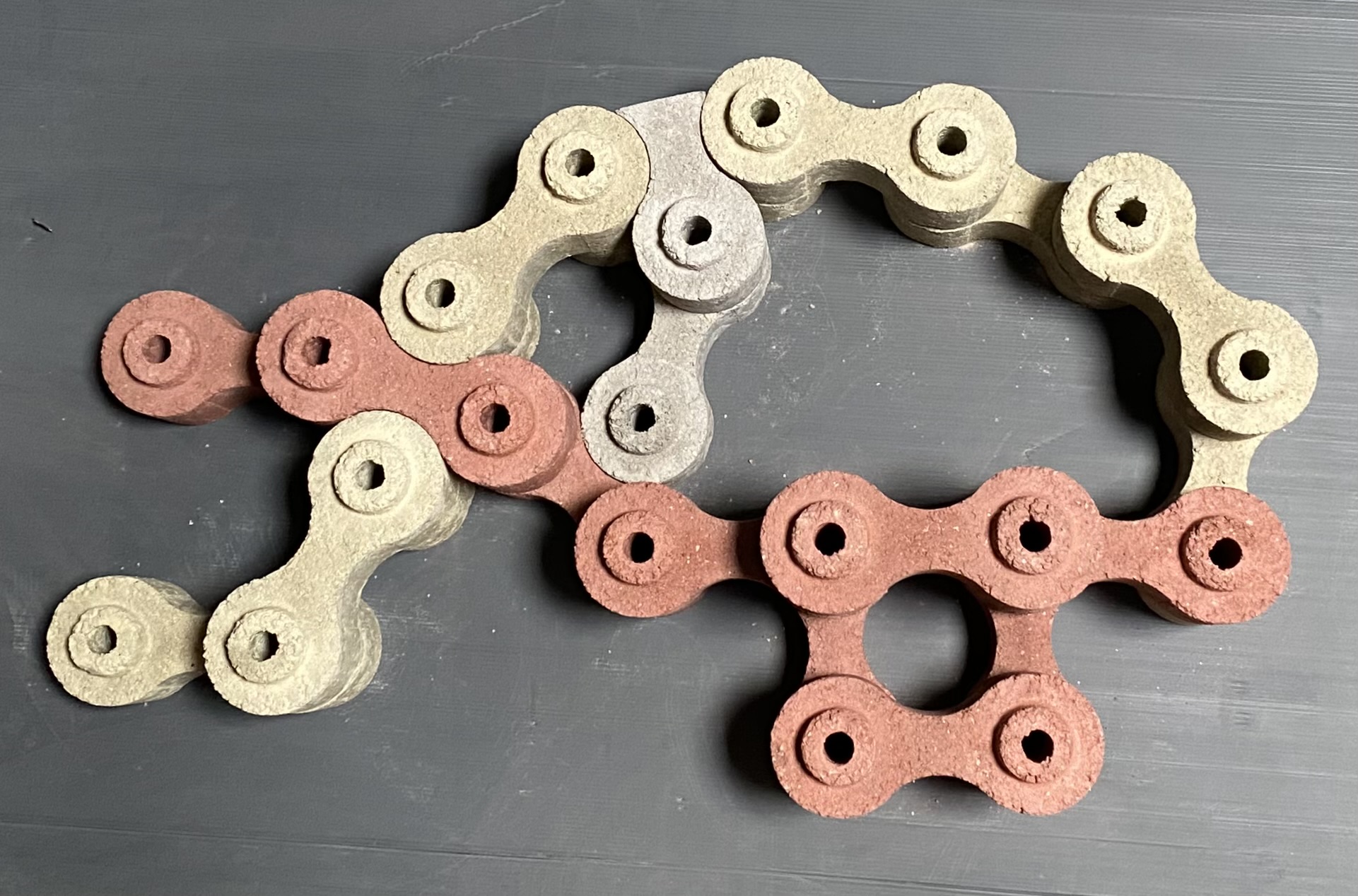
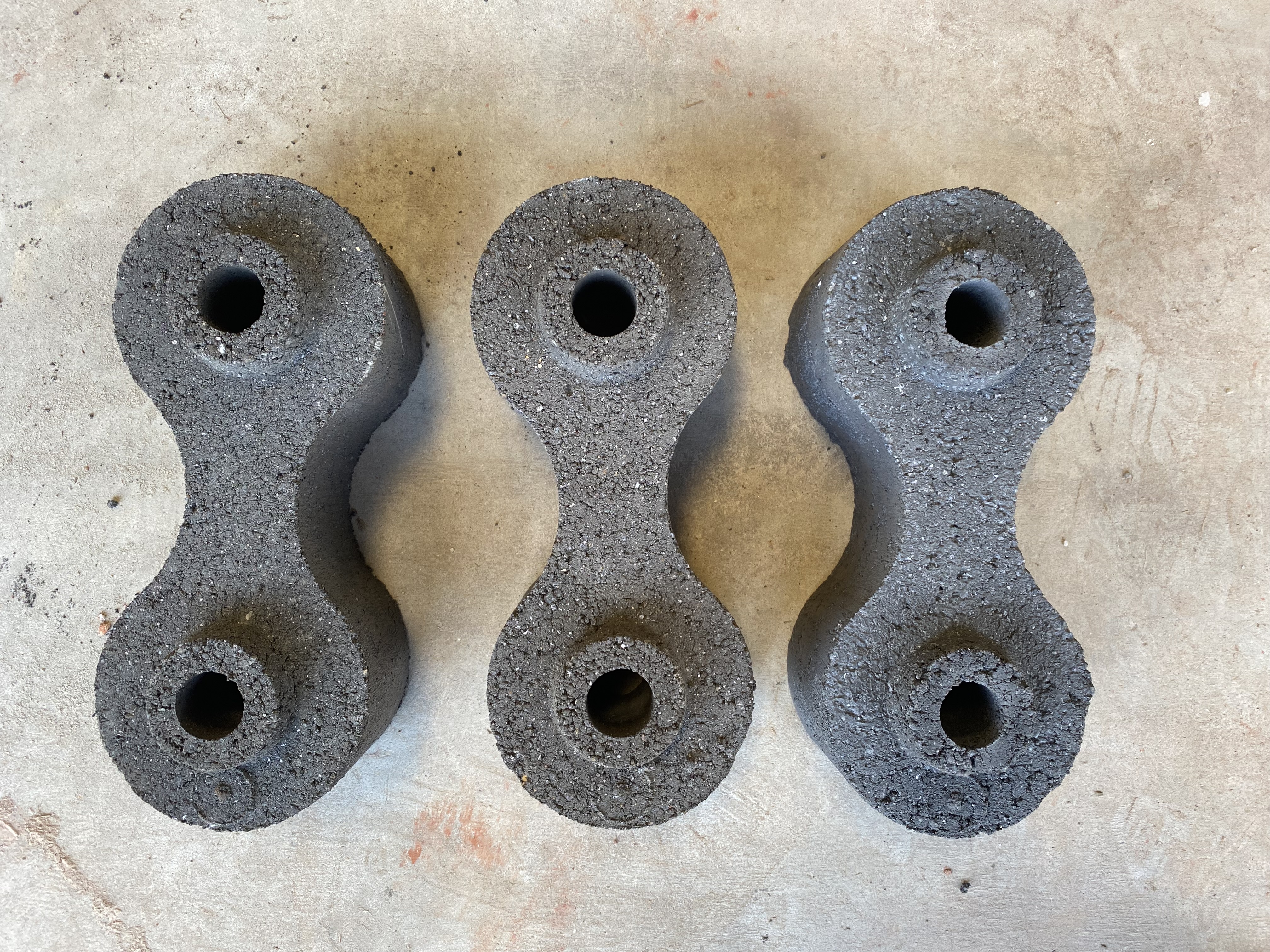
Developed by designer-builder Mark McKie, the patented system allows each brick to be rotated at an angle to the one beside it. The geometry enables a wall to change direction while maintaining a plumb face, opening up possibilities for curved enclosures, garden walls and more intricate architectural forms without the labour associated with conventional curved brickwork.
The bricks’ interlocking geometry, which makes each row rather like a bicycle chain, also allows secondary walls to connect to a principal wall without disrupting the bond. Walls can even pass through one another, creating continuous, looping forms that would be difficult to achieve with standard masonry units.
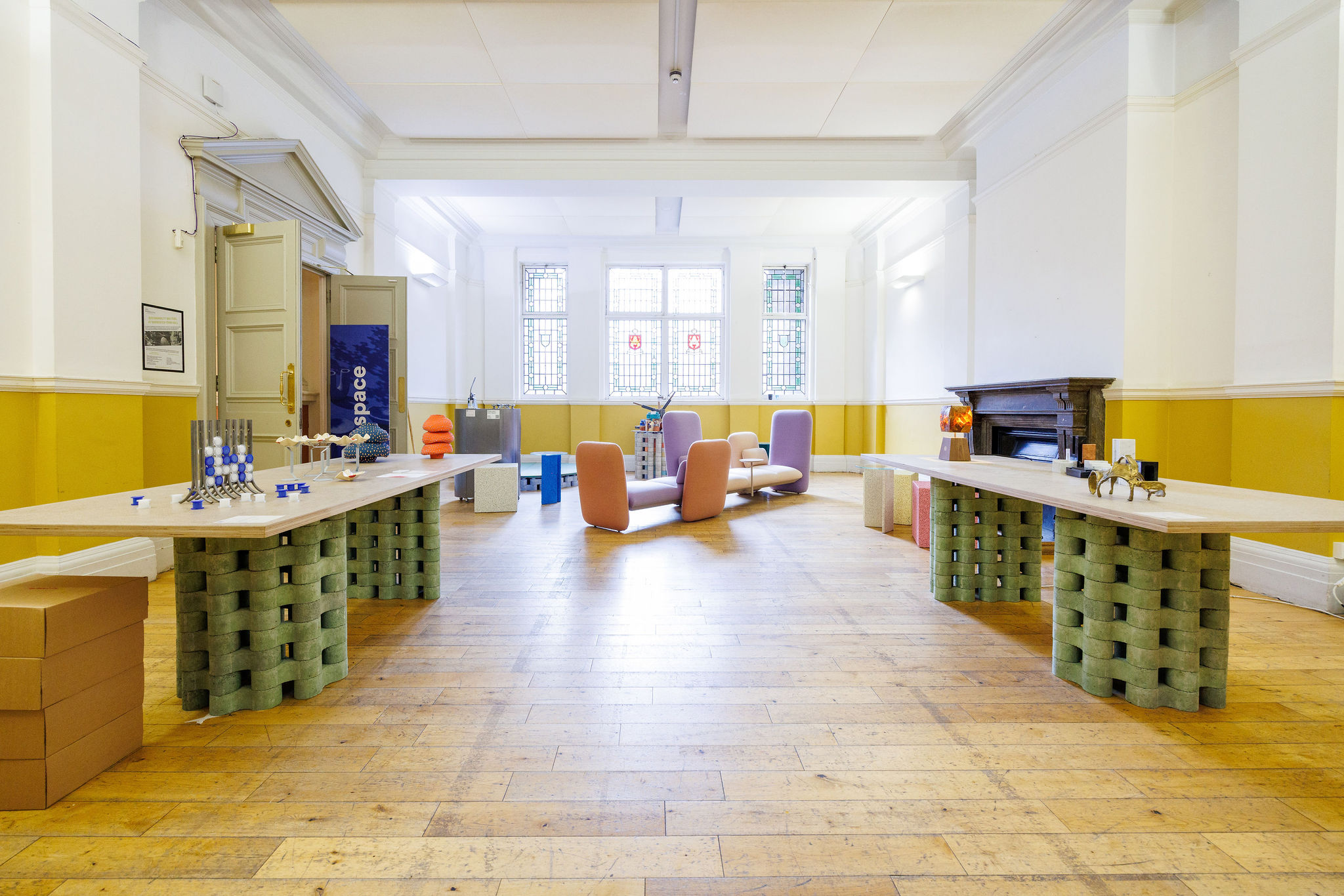
What’s more, the gaps between the bricks have been made part of the design rather than something to conceal. Left exposed, they create an open, almost woven surface, allowing light and air to flow, while also providing opportunities for planting. This makes the system particularly suited to landscape projects, where the wall can operate as both boundary and permeable screen. Where a weatherproof envelope is required, a complementary bracket system allows walls to be clad, insulated and boarded using conventional methods.
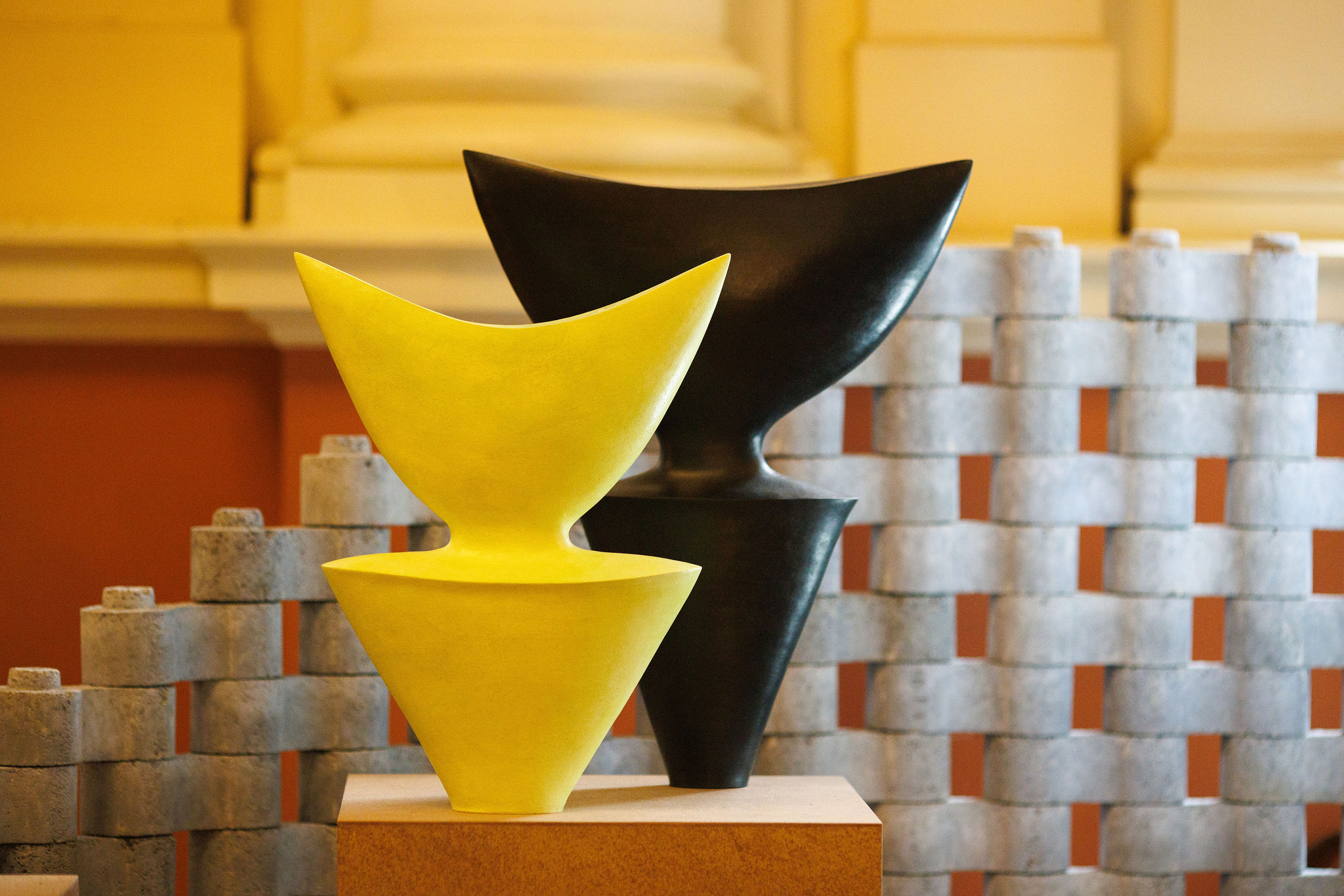
McKie developed the concept during lockdown, initially while designing a construction toy for his daughters, before recognising its potential for building and landscaping. Early prototypes included bricks made from recycled plastic bottle lids, demonstrating how the geometry could be explored beyond conventional masonry materials. The company now offers cement-bound bricks made from a reduced-carbon mix, with further material development intended to broaden the range. The system has been demonstrated at events including Clerkenwell Design Week and Shoreditch Design Triangle, where curved structures have woven their way throughout the design showcases, with an exciting building made entirely from the bricks soon to be completed.
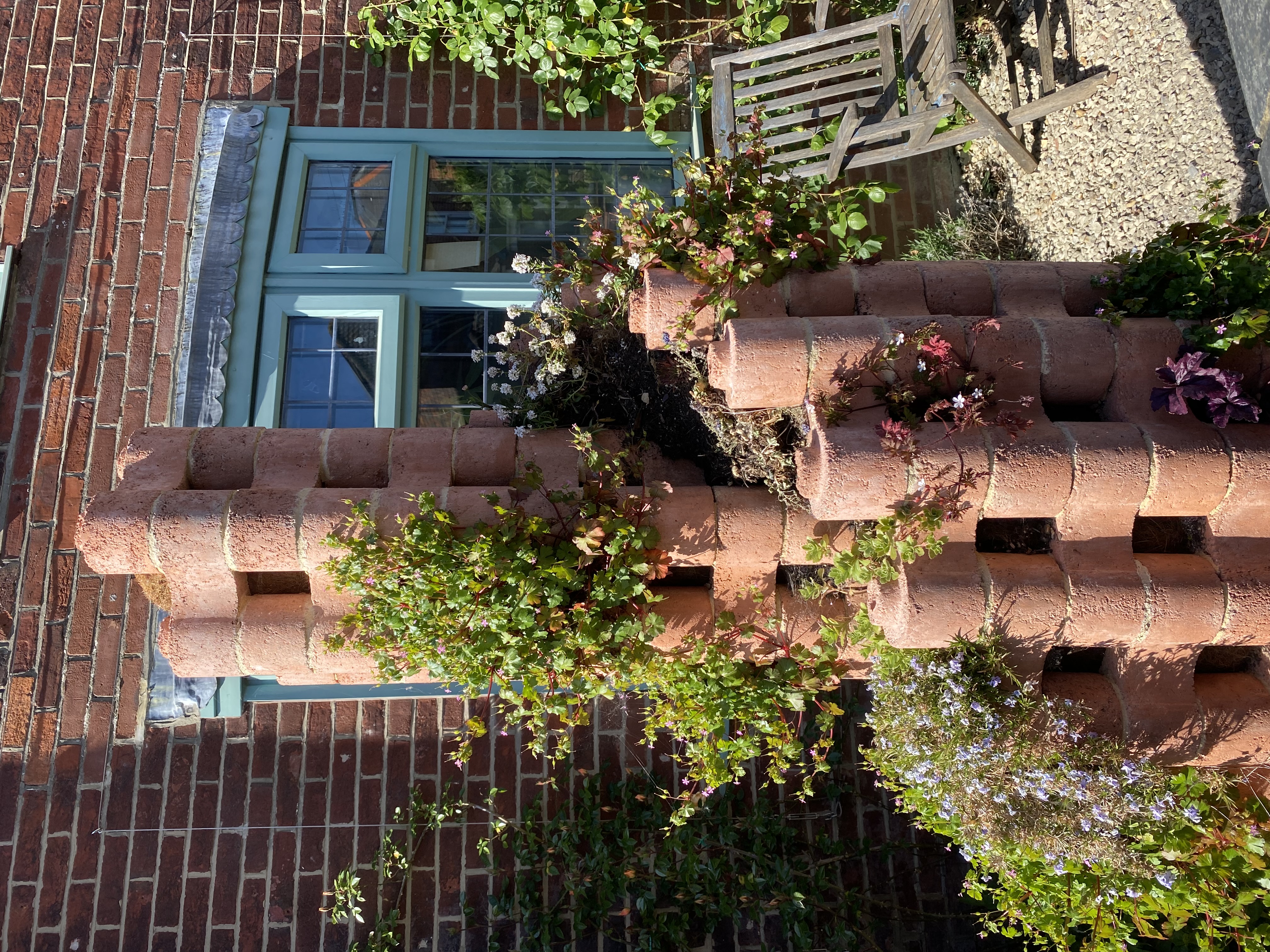
With more to follow, Rotational Bricks are less about introducing a new surface finish than reconsidering what a brick wall can do. Changing the shape and relationship between individual units has created an alternative to the straight line as the default starting point for masonry. Here’s to more curved walls!