

Case Study: Ercolina, McLean Quinlan

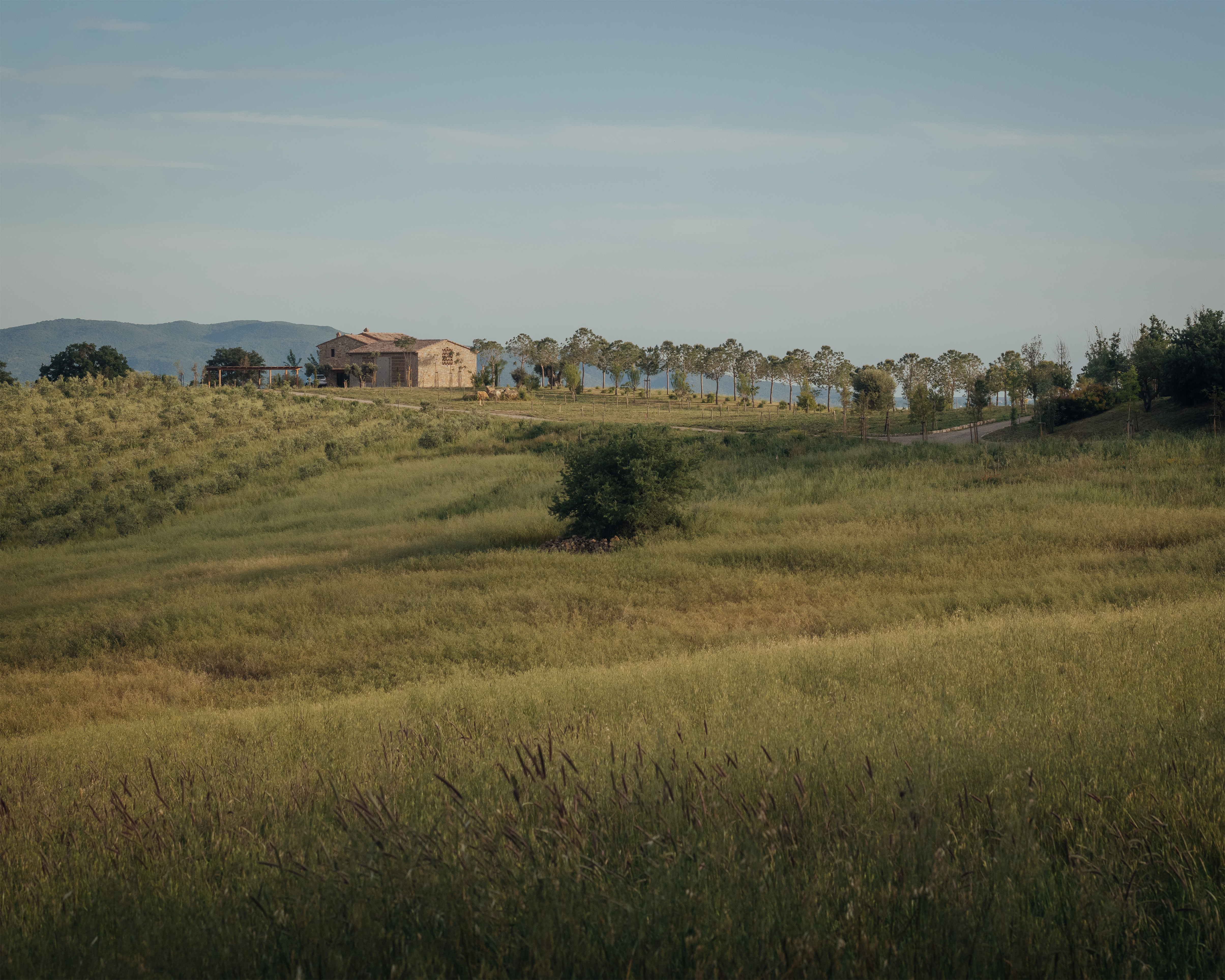
Set across two hilltops in the Maremma countryside of southern Tuscany, Ercolina marks the first Italian project by London-based practice McLean Quinlan. The private residential estate demonstrates a design approach grounded in landscape, vernacular precedent and the careful use of local materials.
Located near Magliano in Toscana, the 30-hectare site comprises olive groves, long coastal views set across rolling hillside terrain overlooking the Orbetello lagoon and Monte Argentario peninsula. Rather than treating the landscape as a backdrop, the architects began with an extensive masterplanning exercise, analysing topography, orientation and existing vegetation before determining the placement of buildings.
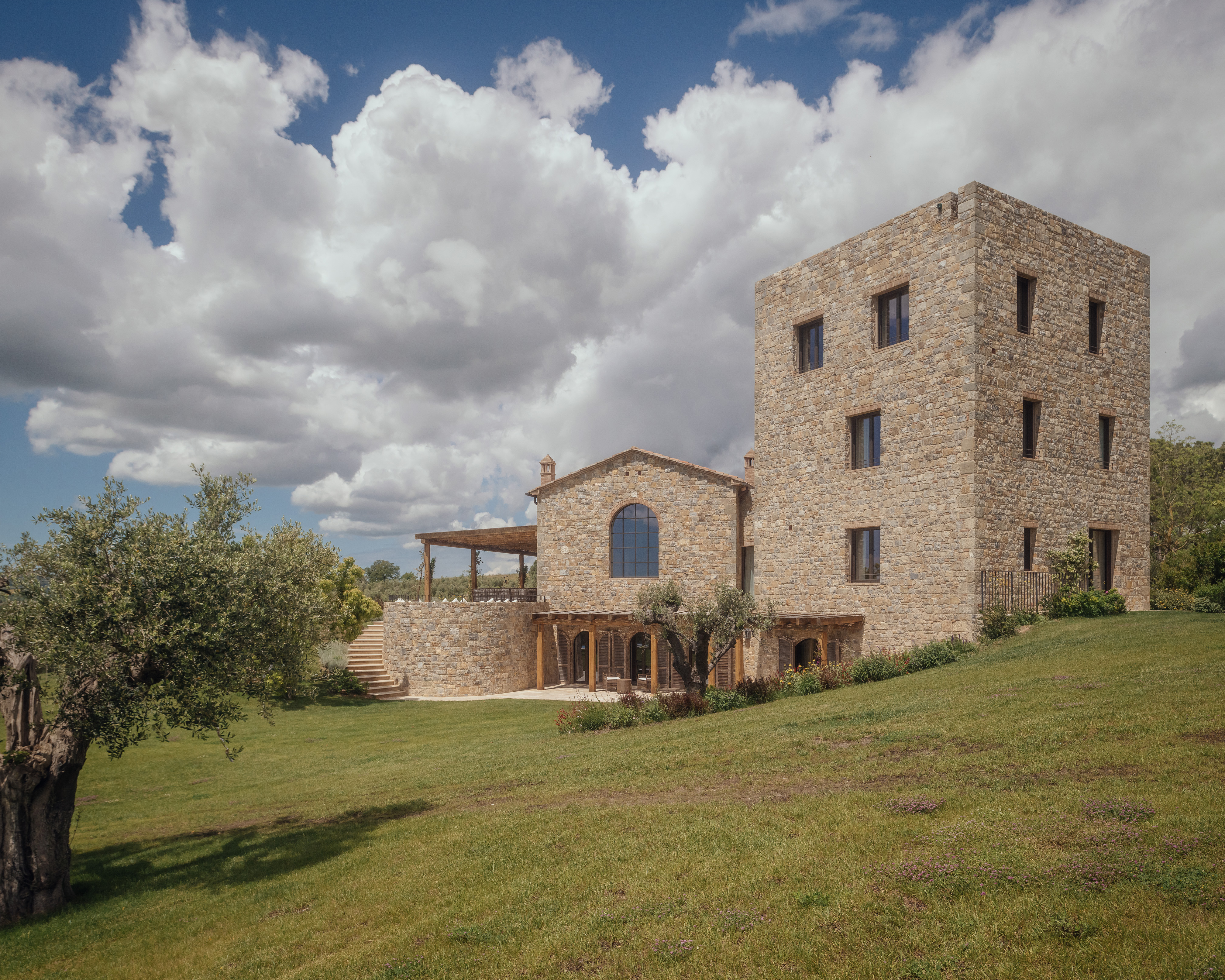
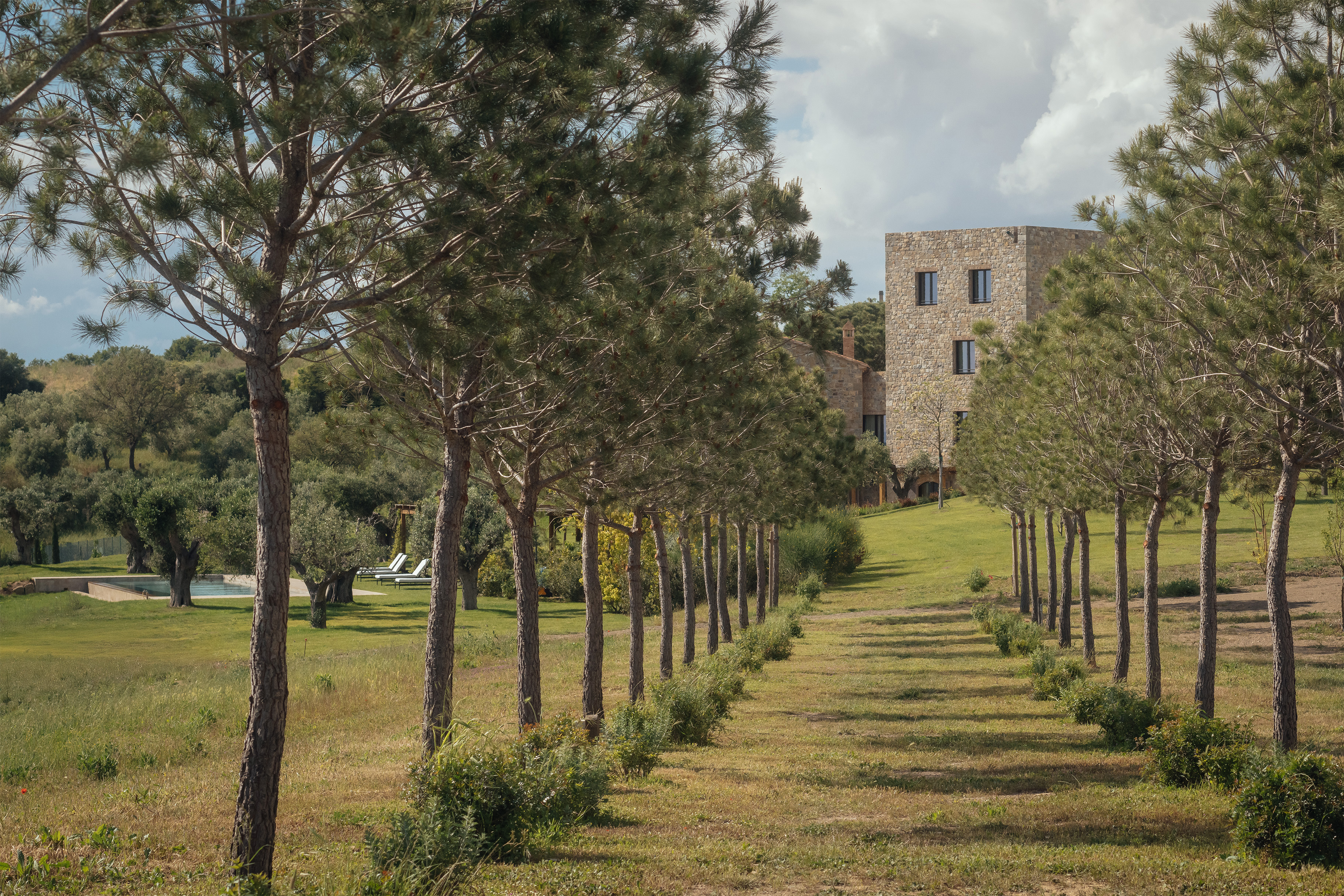
The estate replaces an unremarkable farmhouse and scattered ruins with three new structures: a Tower, a Barn, and a guest house, positioned approximately 150 metres apart. Overall, the property has some grandeur, with some eleven en-suite bedrooms, two fully equipped kitchens, ample outdoor spaces for entertaining, along with an infinity pool, tennis court, and tasting rooms. But the building’s distribution across the hills reflects a sensitively considered dispersed settlement pattern typical of rural Tuscany, allowing each building to respond individually to light, the prevailing breeze, and stunning views across the countryside, while maintaining a tasteful presence within the wider landscape.
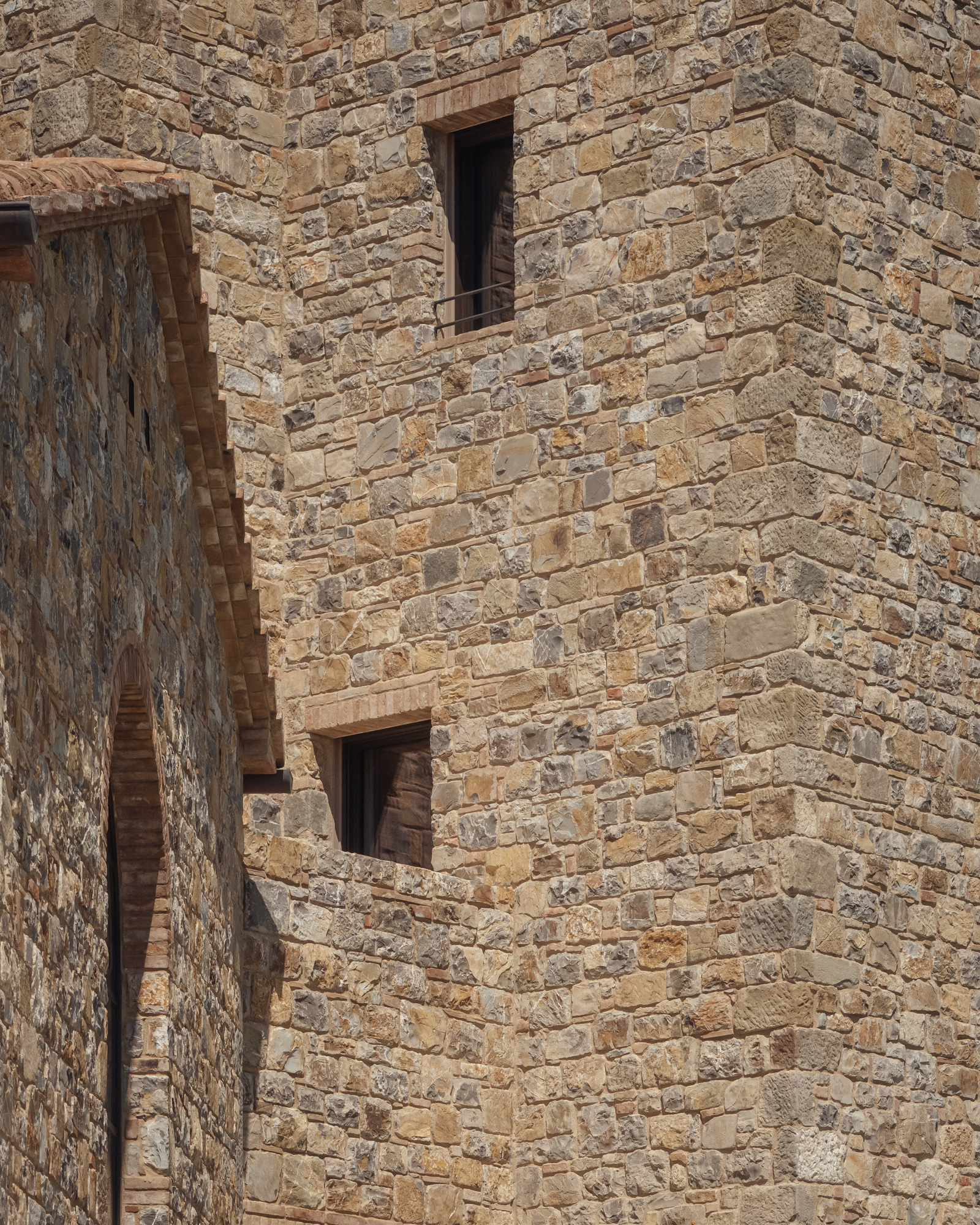
Material selection has played a central role in anchoring the new architecture to the site. Stone walls were constructed using material extracted directly from the surrounding location, reducing transport while reinforcing visual continuity with surrounding farm buildings and historic settlements. Shallow terracotta roofs, traditionally arched openings and locally sourced tiles further embed the project within regional construction language and create a sense of familiarity and longevity.
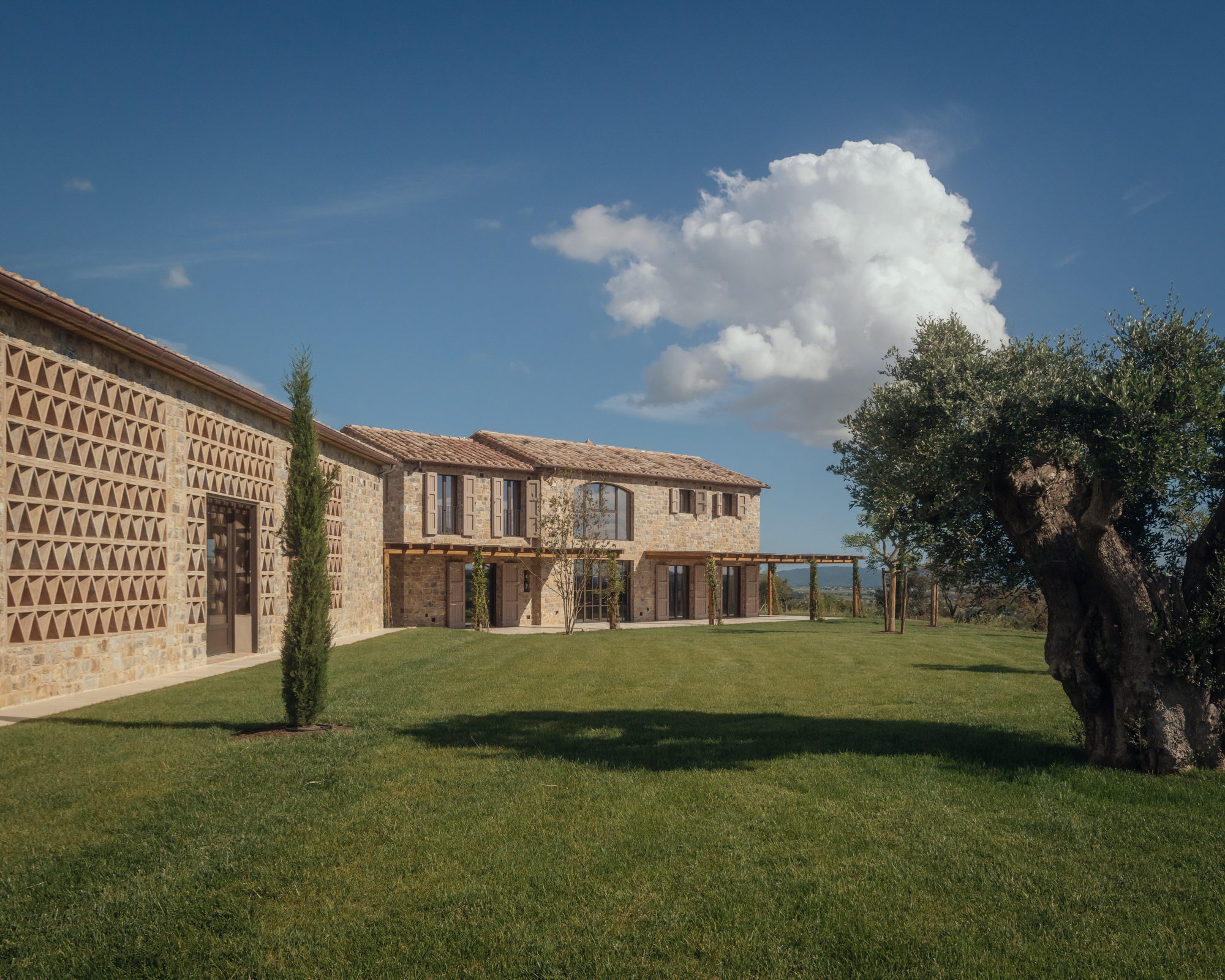
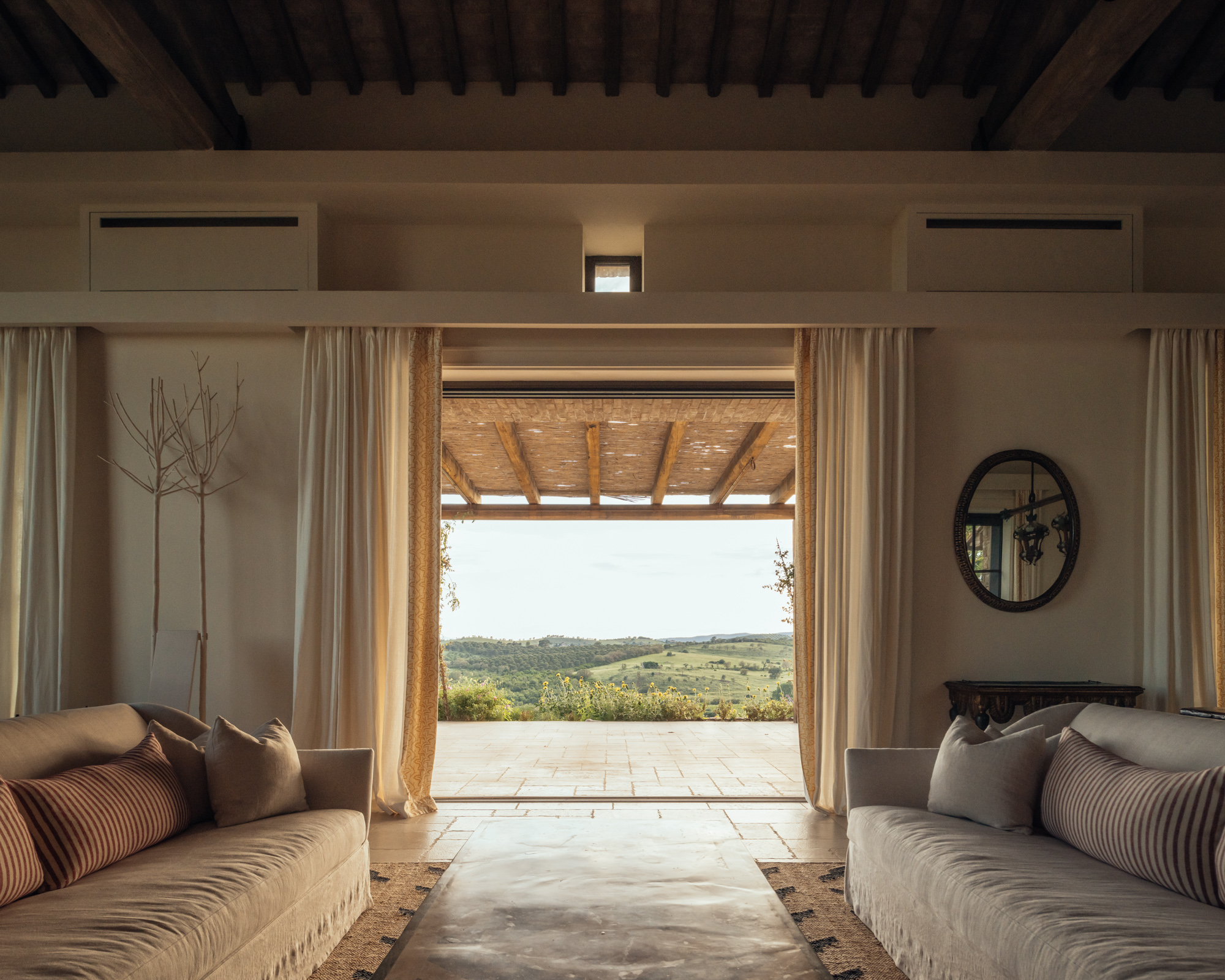
Indeed, rather than pursuing a contemporary contrast, the architects have adopted familiar construction techniques to create buildings that appear settled within the landscape. The principal residence occupies the footprint of a former chicken coup, preserving mature olive trees. Terraces, traditional Italian loggias and shaded outdoor rooms blur the threshold between interior and exterior, allowing daily life to unfold in response to climate and season. As director Kate Quinlan explains, while the project is the team’s first in Italy, it reflects a “long-held interest in craft, landscape and context,” with design decisions made “in response to the site’s topography, climate and impressive views,” as well as surrounding architecture.
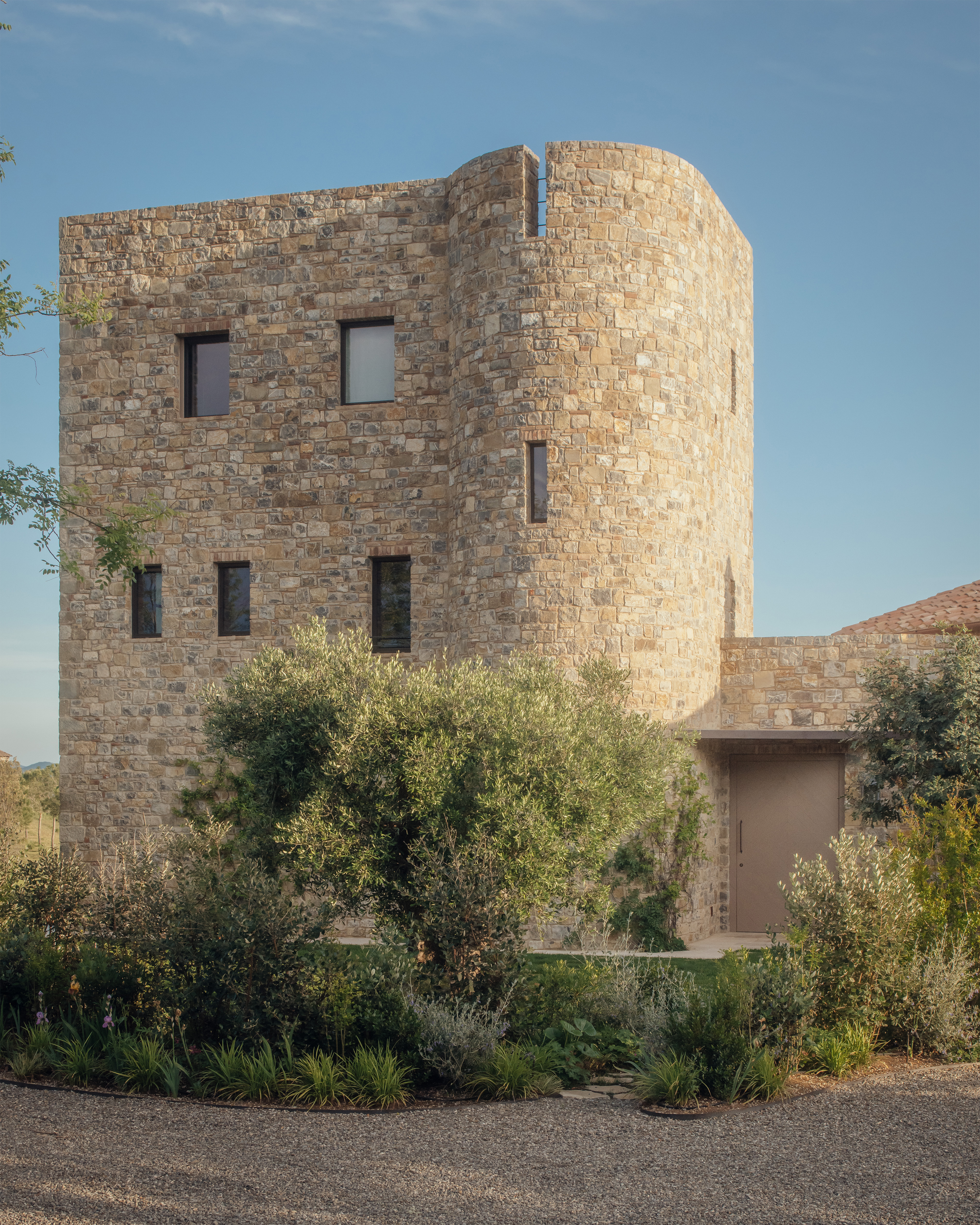
With its additional height and elegant form, the Tower forms the estate’s most recognisable element. Its slender vertical profile references the defensive towers and hilltop landmarks found across central Italy, including the defensive walls and towers of nearby Magliano. Arched openings and carefully proportioned windows draw from regional precedent while accommodating contemporary expectations for light and openness. The ongoing curved geometries subtly echo local masonry traditions, once again, softening the building’s presence within the terrain.
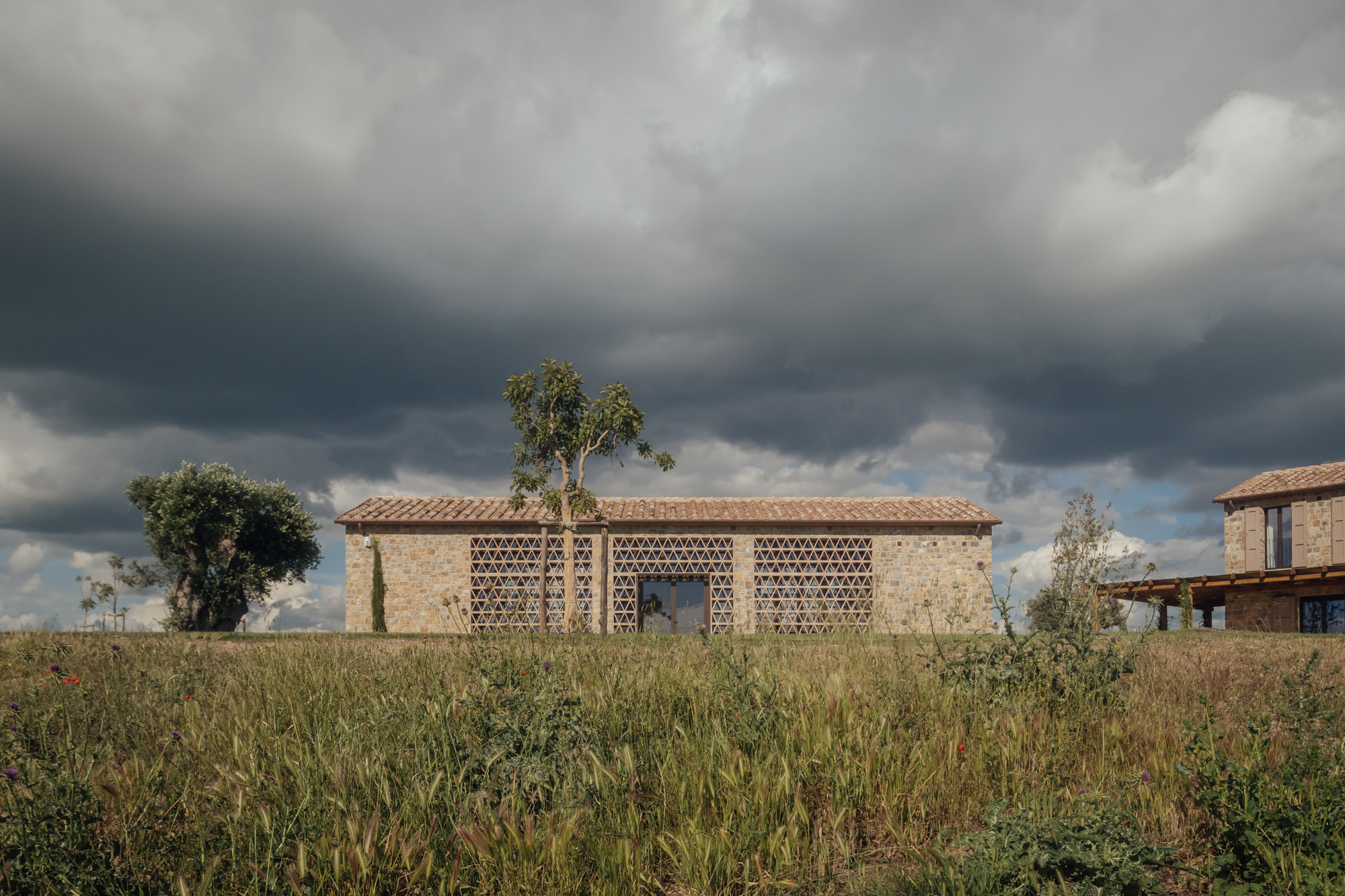
On the neighbouring hill, the Barn and guest house adopt a lower, more horizontal character. The guest house operates as an informal social hub oriented towards southern views, while the Barn supports ongoing olive oil production alongside flexible event and leisure uses, thus linking the architecture to working agricultural traditions rather than treating the estate solely as a retreat.
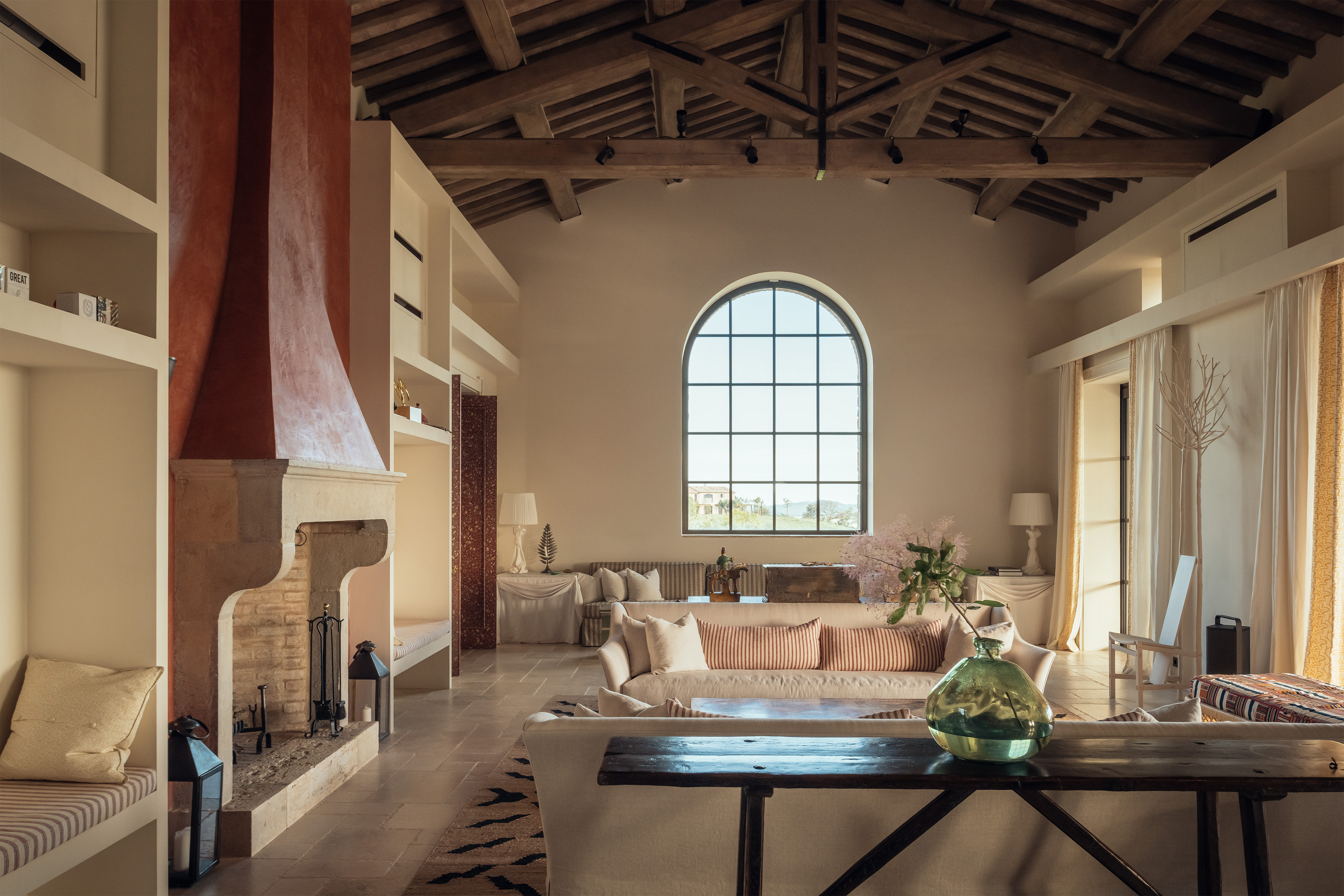
Interior concepts were developed with Italian designer Tommaso Ziffer alongside Studio GAA Architects, later refined by a Spanish interior design studio. Antique furnishings, frescoed doors and textured finishes introduce layers of history without dominating the amazing views or distracting from the unique light quality found within. Landscape design was developed alongside the architecture in collaboration with Studio Baccari and designer Gaia Chaillet Giusti, reinforcing the project’s ambition to evolve as a unified environment rather than a collection of standalone buildings.
The estate reads as a small settlement with buildings carefully positioned in dialogue with one another and with the surrounding agricultural landscape. By working with local stone, traditional construction methods, and landscape-led planning, Ercolina demonstrates how new architecture can reinforce regional identity while accommodating modern living, allowing material and place to shape the architecture as much as design intent itself.