

Case Study: McLean Quinlan's Tactile Studio Beneath it's Winchester Office

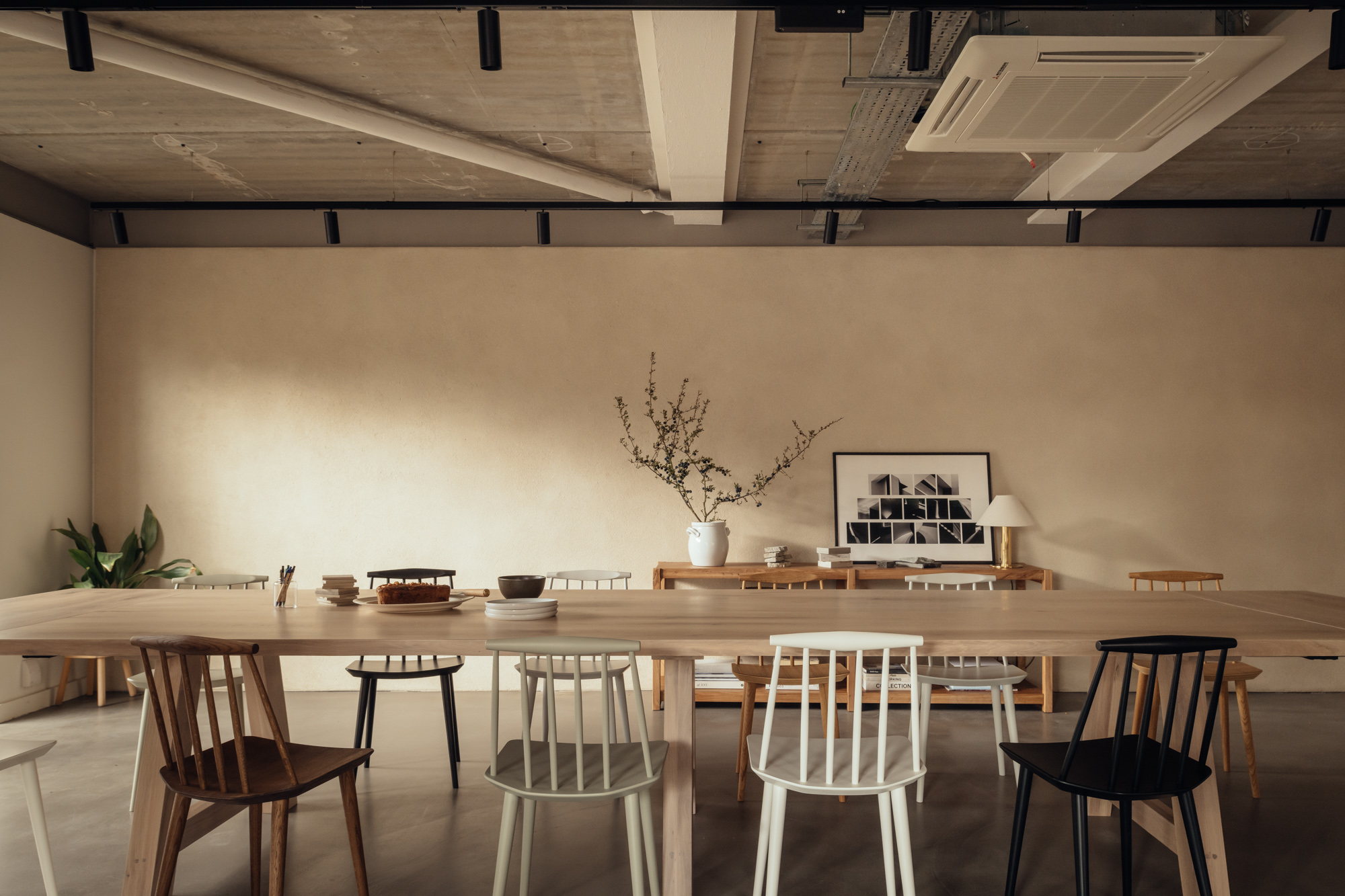
McLean Quinlan has created a new studio beneath its Winchester office that is less showroom and more lived-in manifesto for the practice’s design values. The 72m² ground-floor space has been conceived as a place where clients can experience, at first hand, the materials, textures and atmosphere that underpin the studio’s residential work.

For a practice known for its careful curation of warmth, scale and tactile detail, the move is a natural extension of its approach. Founded more than 40 years ago, McLean Quinlan has built a reputation for crafting homes and retreats that rely on natural materials, subtle light and a strong sense of place. The new studio translates those principles into a working environment that demystifies the architectural process by grounding conversations in physical experience.
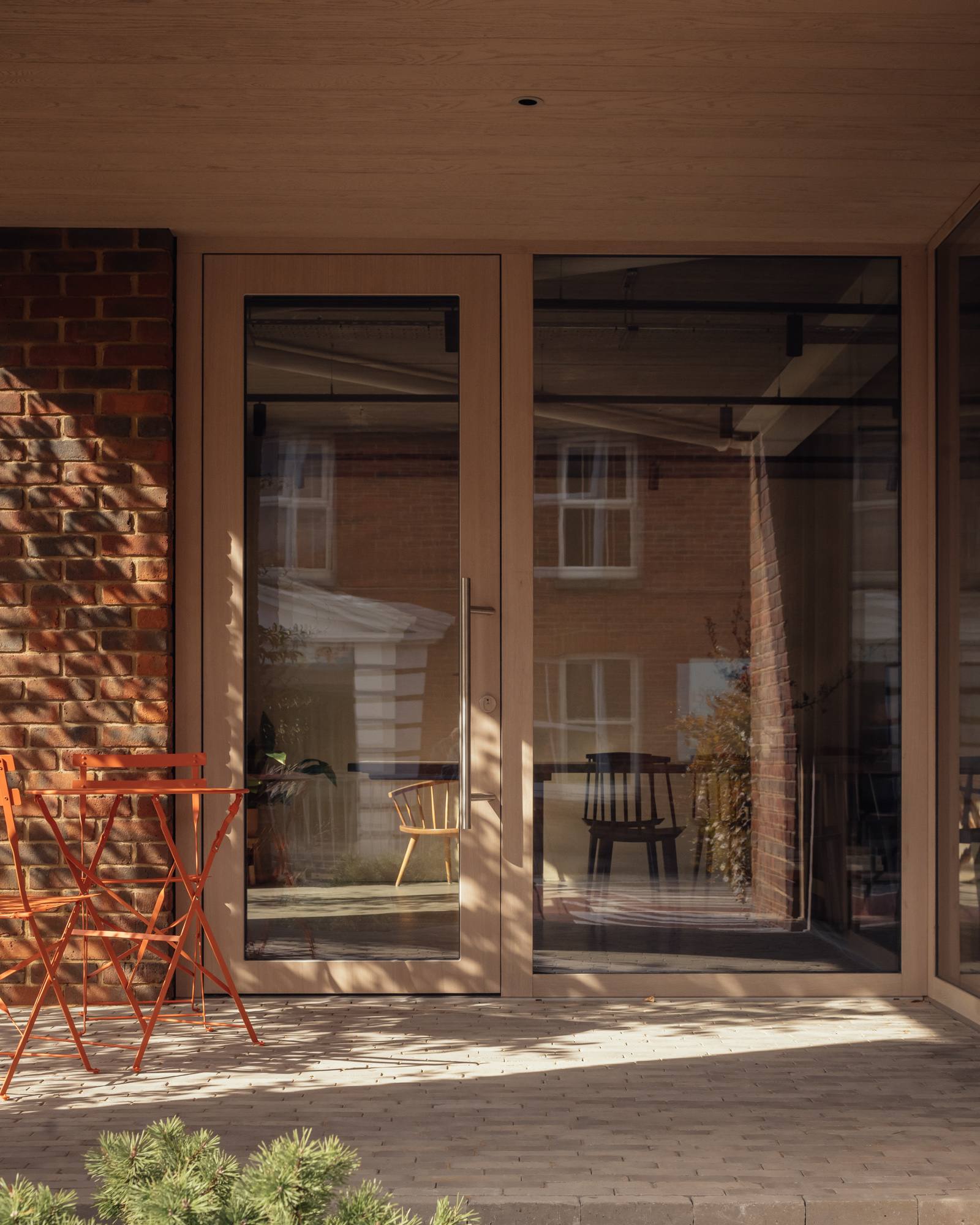
Accessed either internally from the office above or from the street through a landscaped entrance, the arrival is deliberately domestic in tone. A short stepping-stone path leads to a raised, covered porch with space for a small bistro table and chairs. Brick paving, Millboard composite cladding and timber-framed glazing set a residential note before visitors even step inside.
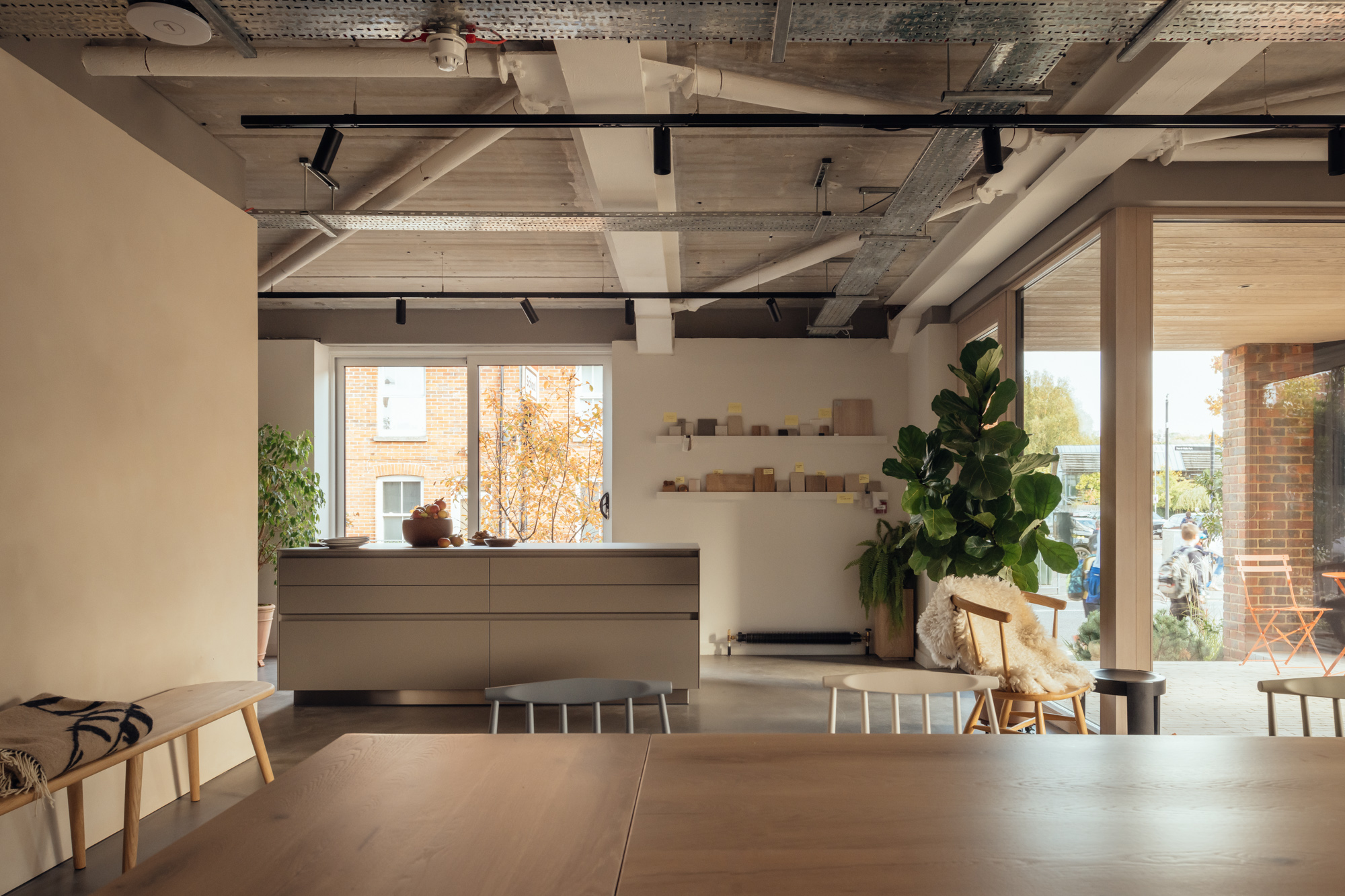
The interior is organised as a single open volume, with gentle zoning created by joinery and furniture rather than walls. A large kitchen island replaces a conventional reception desk, offering a familiar focal point for informal introductions and refreshments. Beyond it, a substantial oak dining table seating up to 20 anchors the room and doubles as a setting for team meetings, client presentations and evening events.
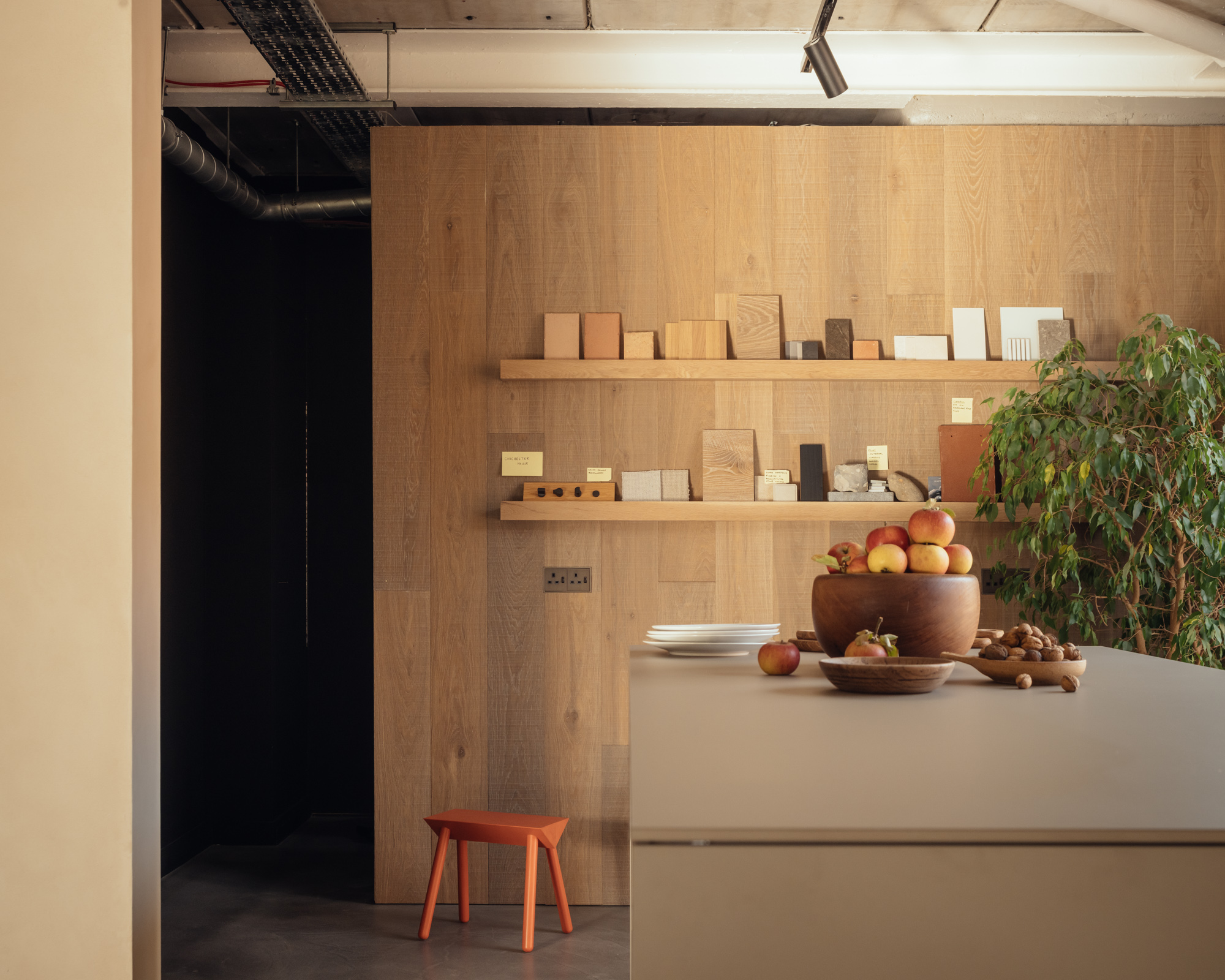
Materiality is central to the studio’s purpose. Soft clay plaster walls from Clayworks and warm timber finishes moderate the scale of the space, creating an atmosphere that is calm rather than corporate. Timber wall panelling by Solid Floor forms a feature ‘project wall’ where curated palettes and moodboards from current commissions are displayed. Rather than overwhelming clients with endless samples, the display offers proven combinations that reflect the practice’s aesthetic and help guide discussions.
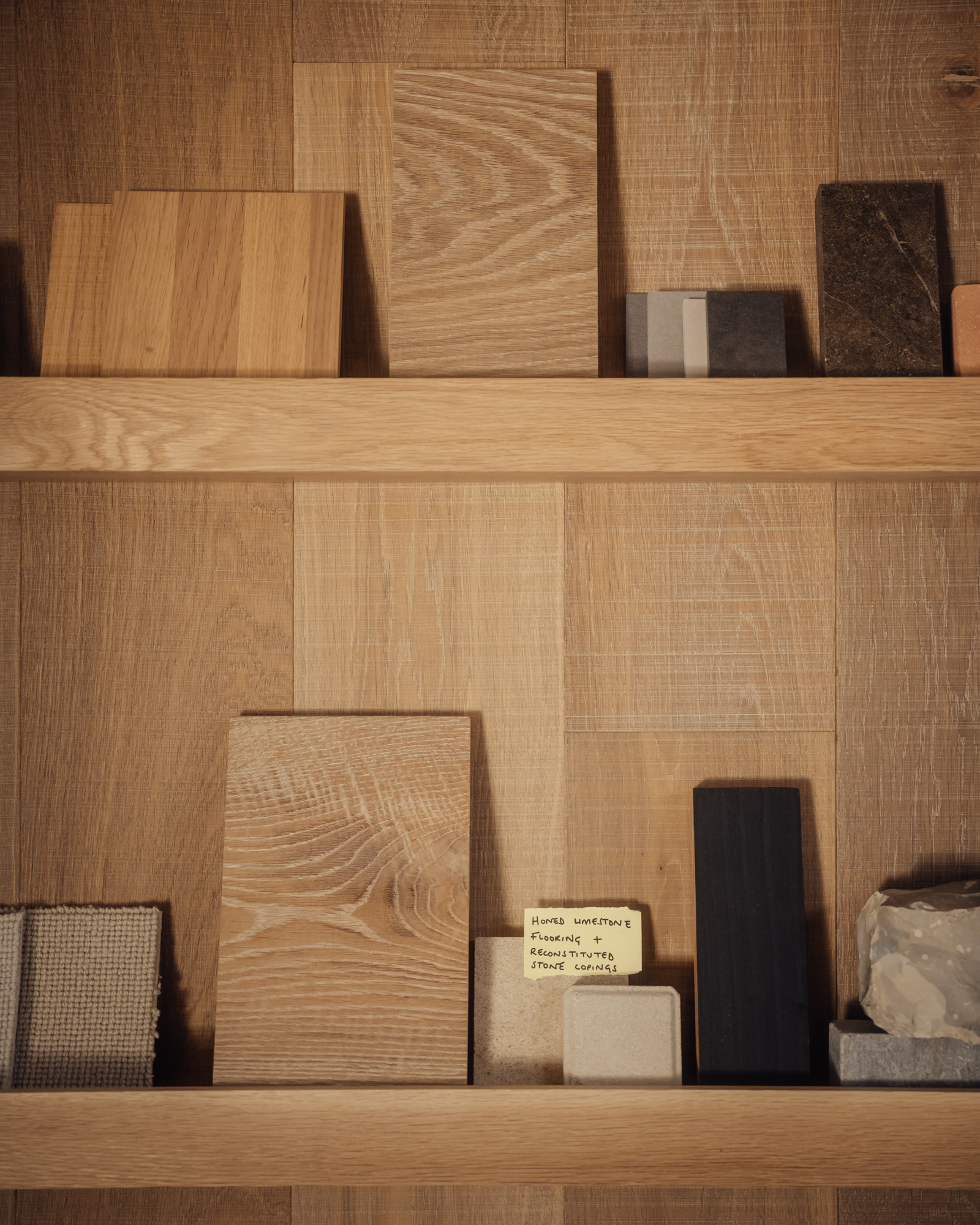
Every element has been chosen to perform a dual role: functioning in daily use while demonstrating the sort of specification clients might encounter in their own projects. The kitchen worktop is by Bulthaup, lighting is supplied by Orluna, and windows and doors are from Josko via S&T. Seating includes chairs by HAY supplied by Holloways of Ludlow, a bench by Konk, and a table by Ennis & Brown. Shelving was made by a local craftsman, reinforcing the studio’s emphasis on provenance and making.
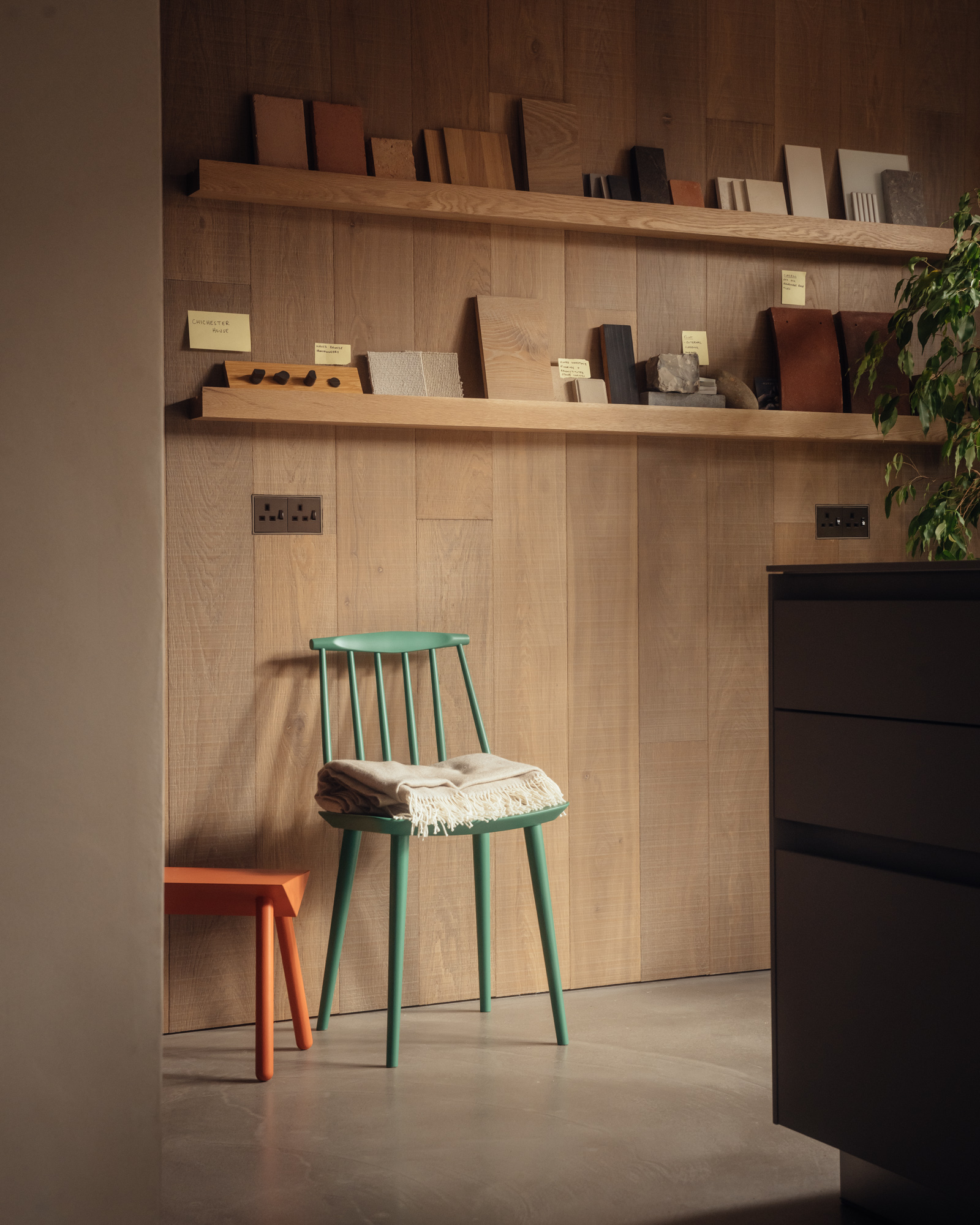
The result is a space that can adapt easily from a quiet retreat for focused work to a convivial venue for dinners and workshops, without losing its underlying sense of intimacy. For senior architect Emily Johnson, the rationale is about removing barriers between idea and reality. “When clients can sit at a table we would specify for their own home, or run a hand along a timber wall that could feature in their project, it demystifies the process,” she says. “They experience the quality and aesthetic firsthand, which makes decisions less intimidating and the entire creative journey more collaborative.”
In that sense, the studio is not simply an accompaniment to the Winchester office but a physical embodiment of McLean Quinlan’s ethos: an environment where craftsmanship, material honesty and careful detailing are not just discussed, but felt.
All images: Jim Stephenson