

Case Study: Purbeck Cottage, TYPE

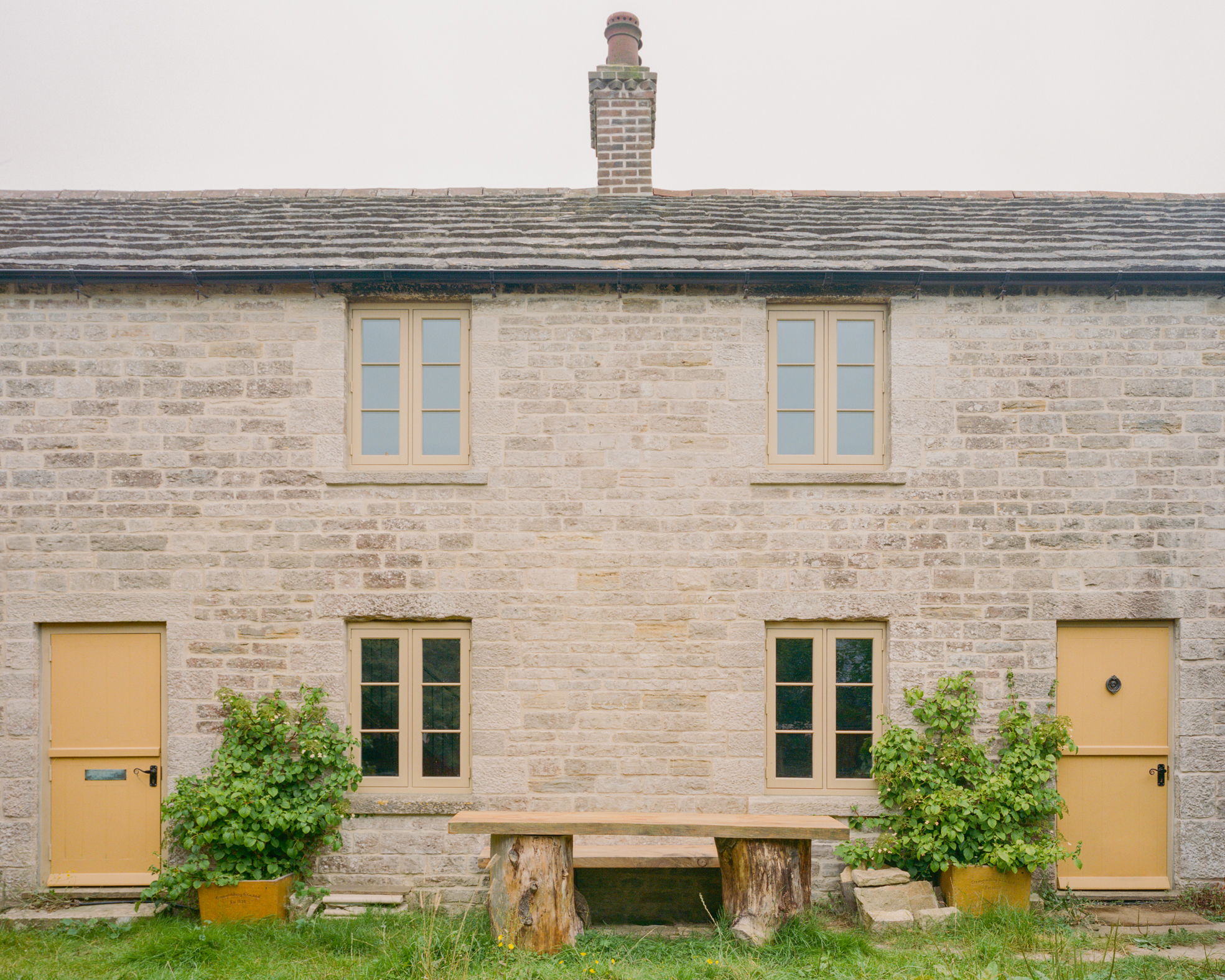
The Isle of Purbeck has long been known for its quarrying credentials. Limestone has been extracted over many generations and has shaped much of southern England's architecture. It’s therefore rather fitting that TYPE has completed the transformation of two derelict quarrymen's cottages into a contemporary rural retreat.
Rather than treating the existing buildings as outdated structures requiring replacement, the project embraces the cottages themselves as a quarry of materials, demonstrating how natural stone and reclaimed fabric can underpin a genuinely circular approach to domestic architecture.
The 85m² cottage occupies a small hamlet on Dorset's Jurassic Coast, within a landscape intrinsically linked to Purbeck limestone. Developed for clients who actively rejected pristine finishes in favour of weathered materials with visible histories, the brief centred on retaining as much of the existing building as possible while sourcing any additional materials through reclamation rather than new manufacture.
For TYPE, the project became an exercise in radical reuse that breaks from the take-make-dispose mindset of recent times. "There is a tendency in the industry to default to stripping and throwing out," says director Ogi Ristic. "Purbeck Cottage is intended to be a case study of what is possible when you resist that instinct. By beginning with what already existed – the stone, the joists, the floors, the fittings – and asking how each element could be retained, repaired or reused, the project has arrived at a quality of character that no new specification could replicate."
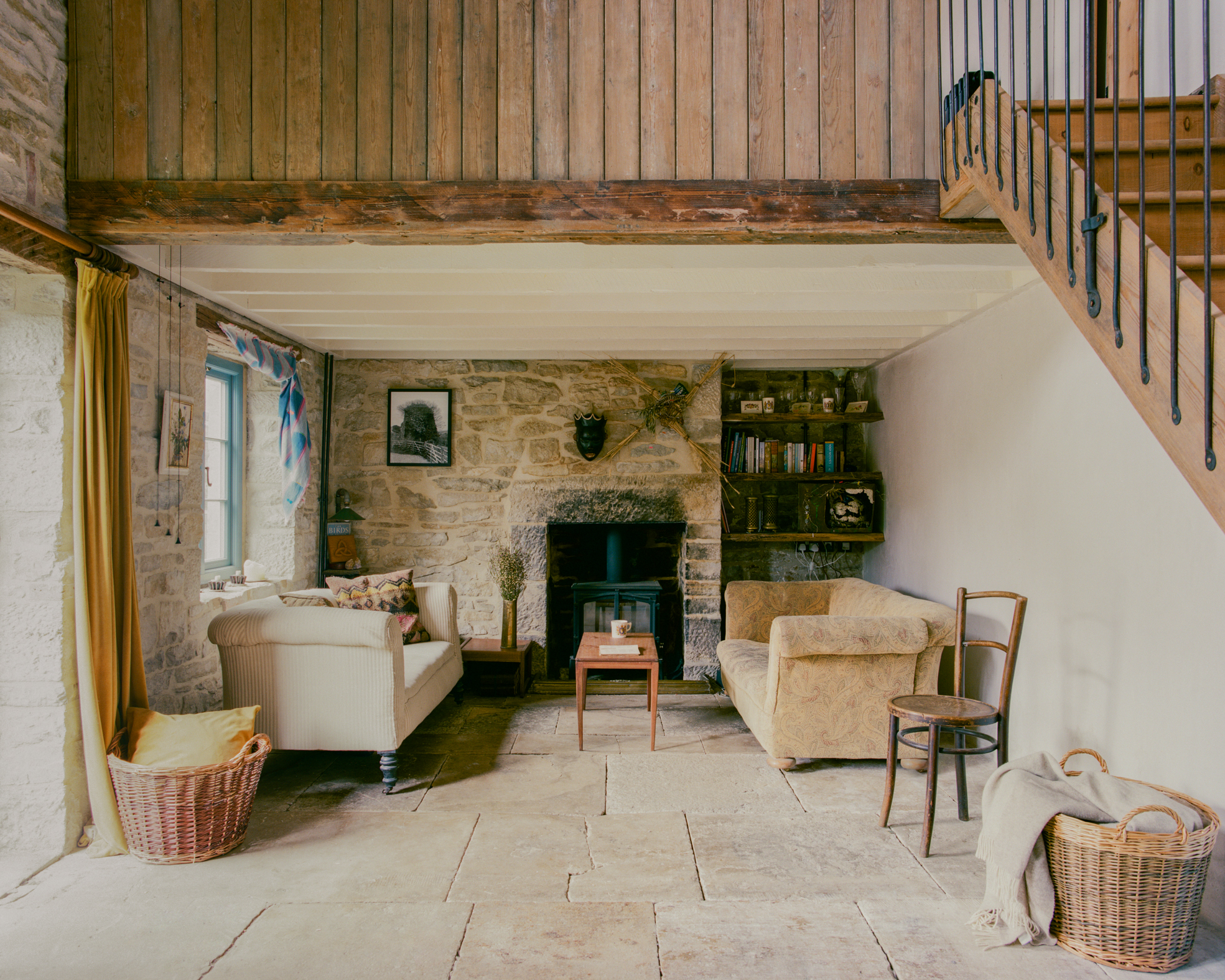
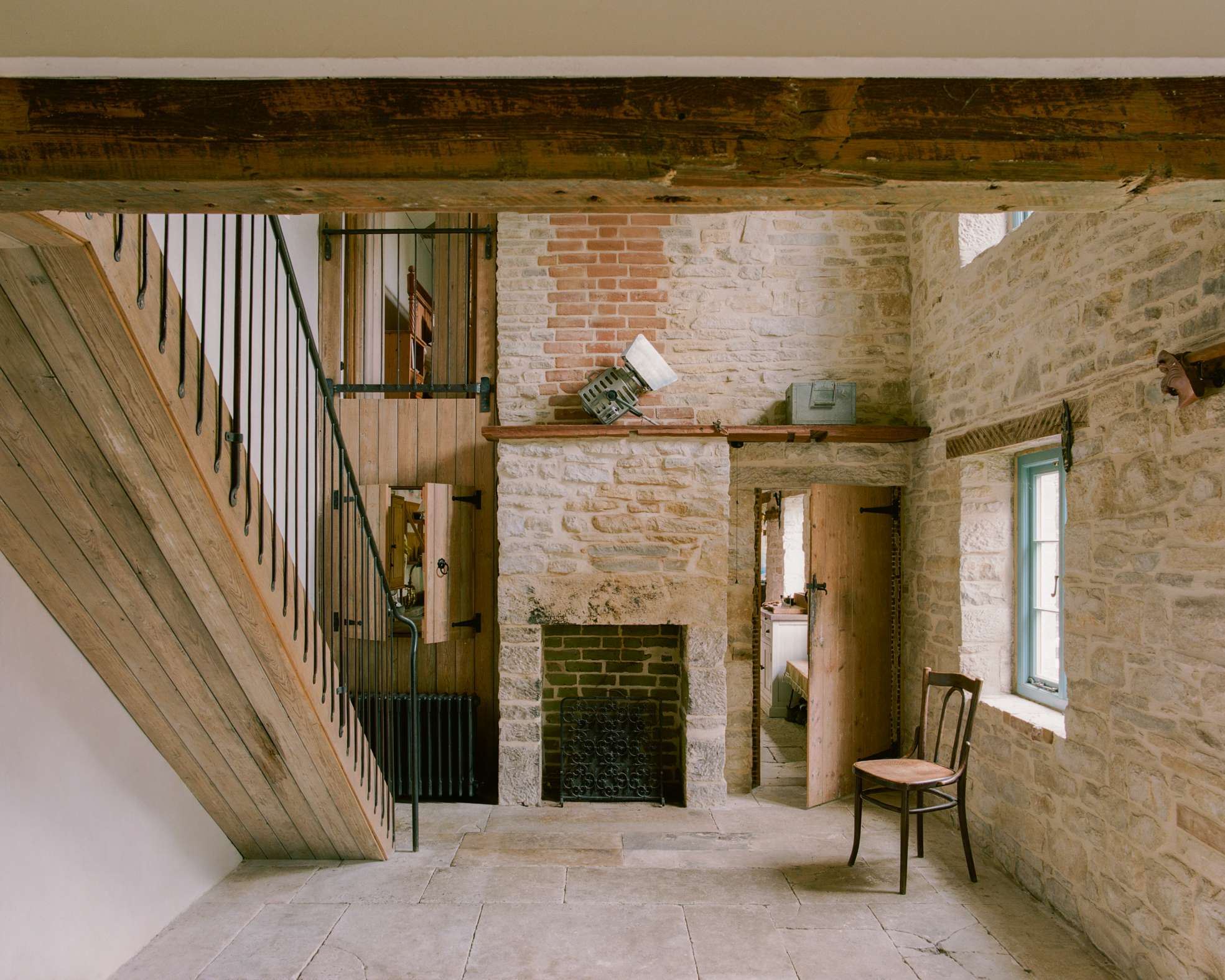
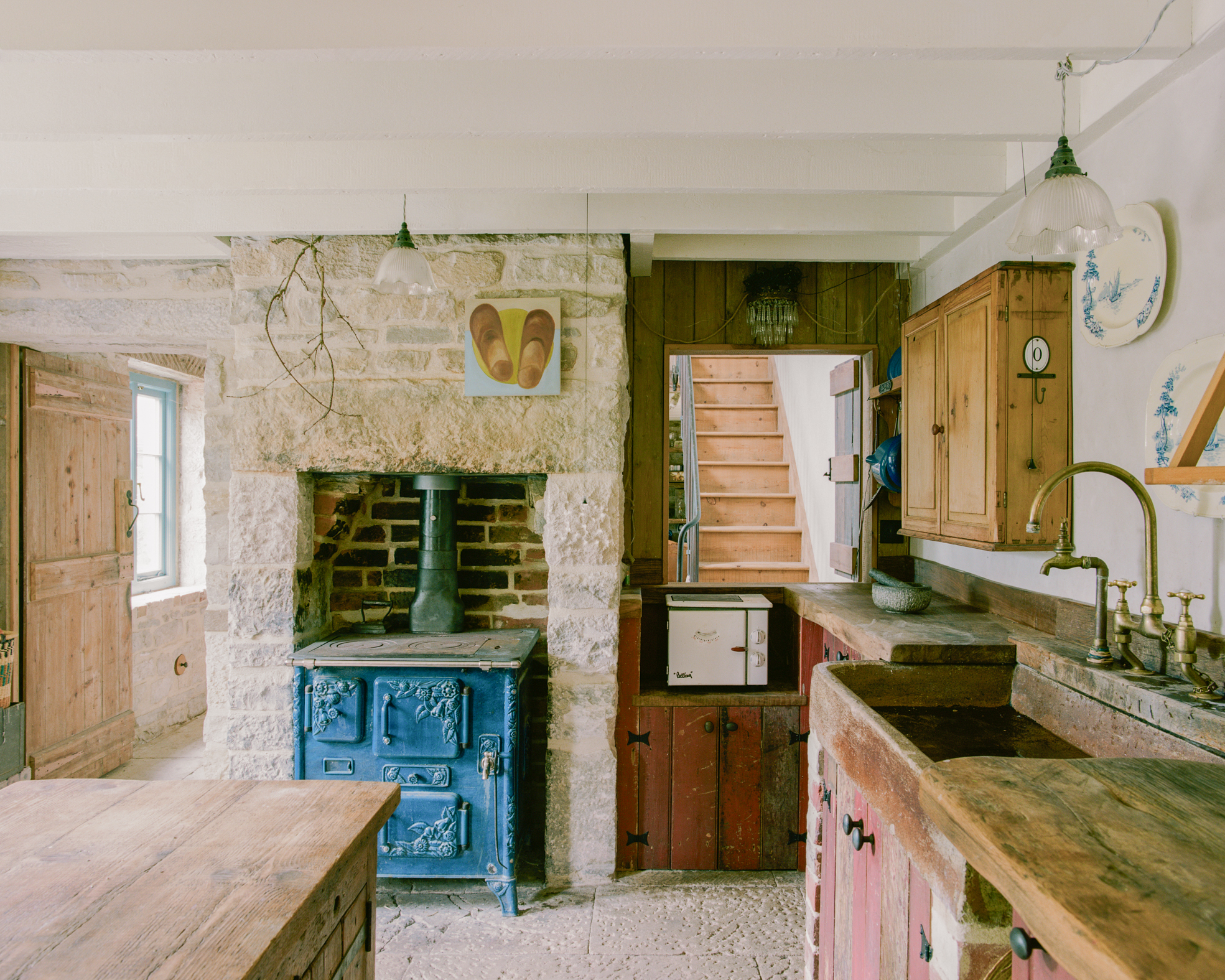
The original cottages had already undergone alterations before the current intervention, including the introduction of a double-height volume. Rather than attempting to reinstate an earlier layout, the architects used this existing intervention as the organising principle for the new home, creating an open-plan living space at its centre while positioning bedrooms at either end on the first floor. A restored butler's hatch reconnects the kitchen with the main living space, while a compact service core containing bathrooms, storage and utilities allows the principal rooms to remain open and flexible.
The greatest discoveries came during the strip-out. Beneath layers of carpet and concrete screed lay the original Purbeck stone floors, while removing later finishes revealed carefully dressed limestone walls built by local quarrymen more than a century ago. Rather than disguising evidence of previous alterations, TYPE chose to preserve them. Jackhammer scars remain visible in the stone floor, while areas of historic brick infill around fireplaces have been left exposed, creating a layered material palette that records successive chapters of the building's life.
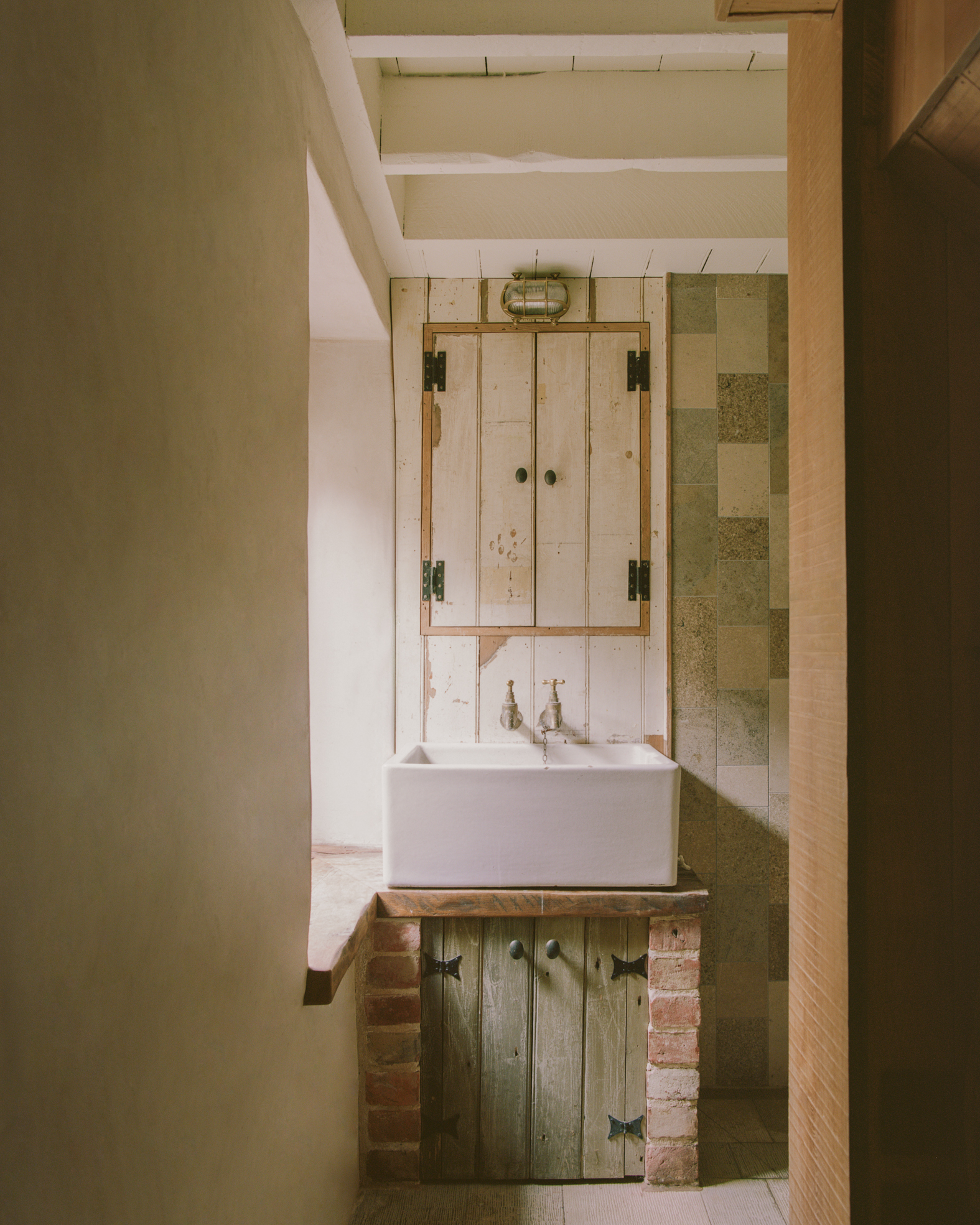
That philosophy extended throughout the construction process. Every component removed from the building was assessed for reuse before replacement was considered. Floor joists that could no longer serve structurally were painstakingly denailed, resized and repurposed as framing within the new service core. Original floorboards found new life as ceiling linings, while both existing staircases were dismantled, adapted and reinstated using as much of the original timber as possible.
What’s more, new interventions are deliberately restrained. Hand-forged steel balustrades by local blacksmith John Churchill provide a contemporary counterpoint to the retained fabric without competing with it. Salvaged timber cladding carrying traces of its former red and green paint has been incorporated into doors, shelving and wall linings, while leftover offcuts were carefully worked back into the design to eliminate waste.
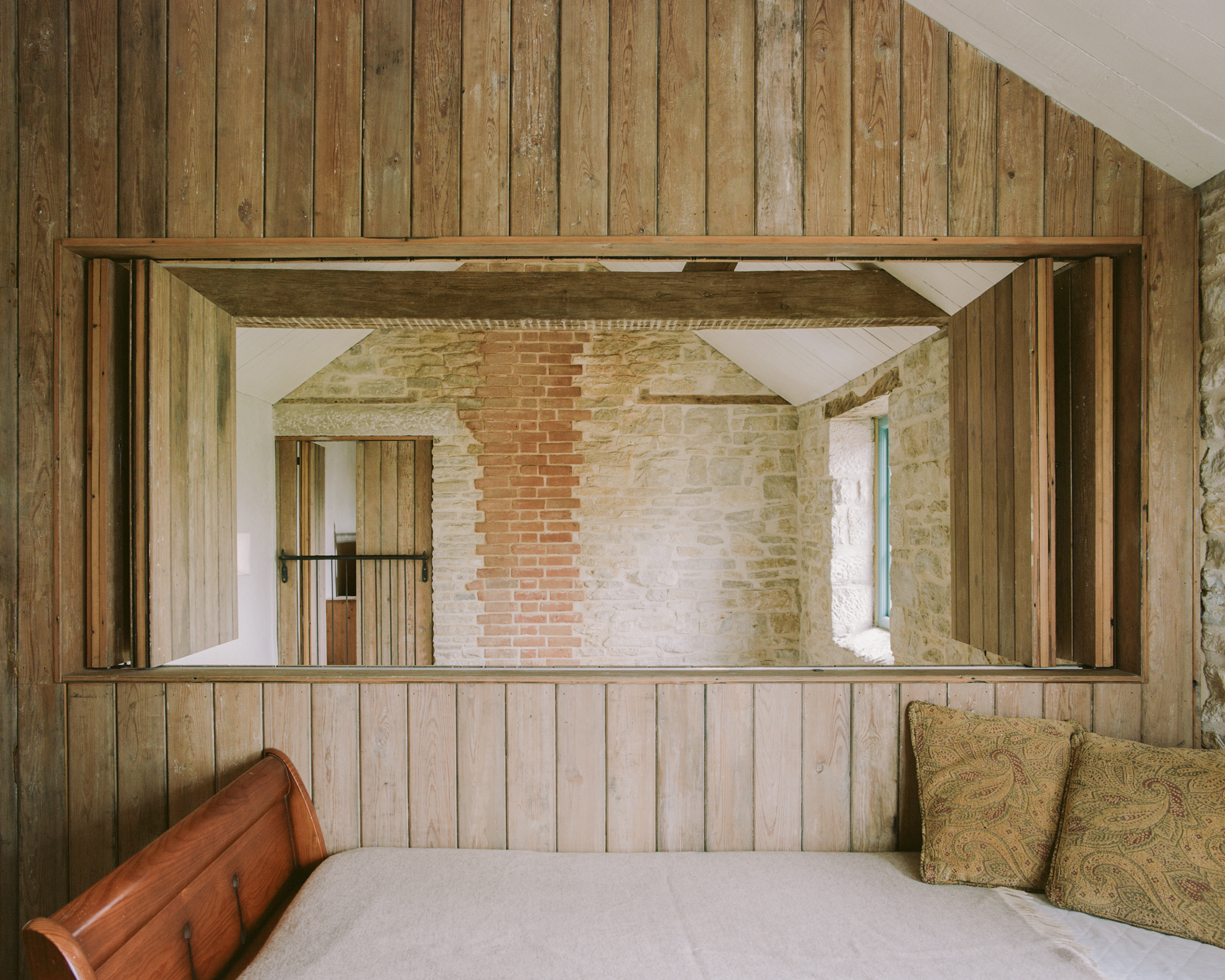
Natural stone continues to anchor the project beyond the retained structure. Stone sinks were carved from leftover fragments at a nearby Purbeck quarry, reinforcing the connection between the house and the geology that originally gave rise to the settlement itself. Indeed, where reclaimed materials could not be sourced from within the cottages, TYPE turned to reclamation yards, local suppliers and salvage dealers. Vintage brassware, sanitaryware, cast-iron radiators, lighting, ironmongery and a restored French stove all contribute to an interior where each element carries evidence of a previous life.
Environmental performance has also been improved through targeted interventions rather than wholesale replacement. Wood-fibre insulation was added within the roof, lime plaster replaced impermeable cement render to improve the thermal performance of the solid stone walls while allowing them to breathe, and an air-source heat pump, solar panels and high-performance timber windows modernise the building's services without altering its essential character.
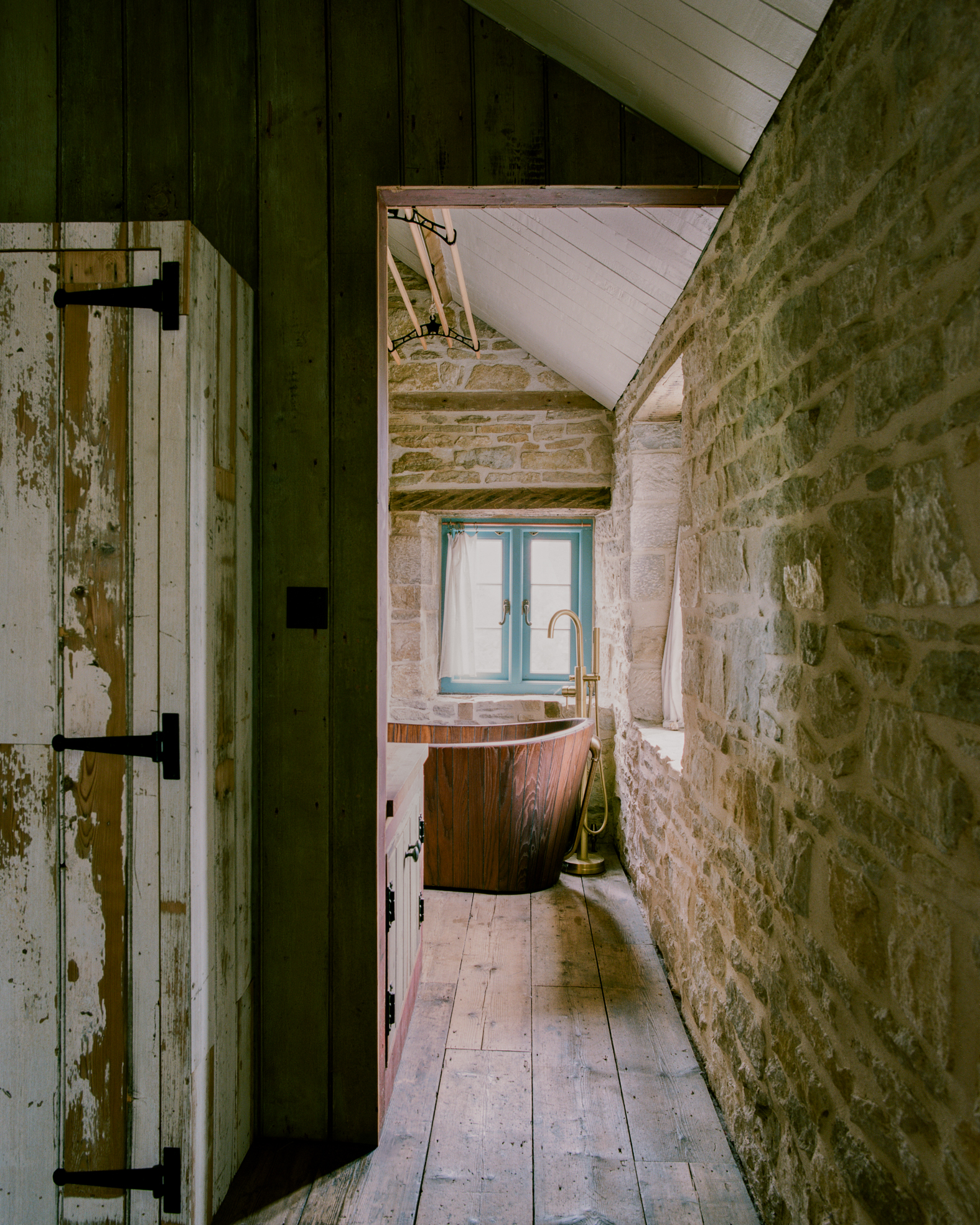
Importantly, no extensions were added and the external envelope remains largely unchanged, avoiding the embodied carbon associated with demolition and new construction.
Purbeck Cottage illustrates how careful attention to the material already present within a building can generate architecture with both environmental integrity and remarkable richness. Here, the original limestone remains the constant thread, carrying the memory of the site's quarrying heritage while forming the foundation of a home designed for another century of occupation.
Images © Lorenzo Zandri