

Case Study: SEVEN at Southbank Place, Stanton Williams

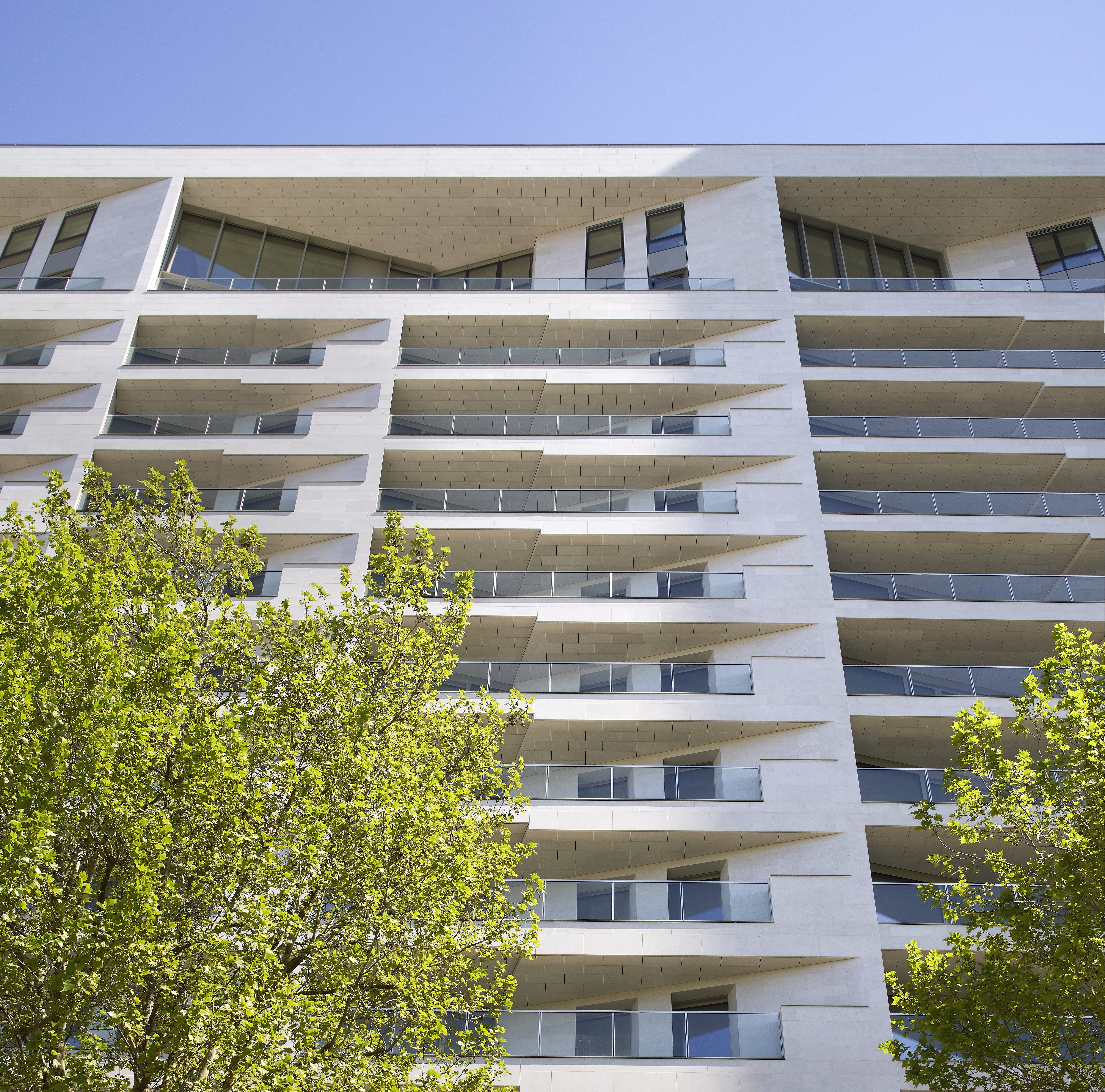
Natural stone plays a defining role in SEVEN at Southbank Place, a new residential building by Stanton Williams that completes a prominent section of the wider Shell Centre redevelopment on London's South Bank.
Positioned between the Grade II-listed Shell Centre tower and the Hungerford Bridge railway viaduct, the 24,560m² development delivers 92 apartments above retail, restaurant and concierge facilities. Developed by Braeburn Estates, a joint venture between Qatari Diar and Canary Wharf Group, the project forms one of nine buildings within the masterplan for the 5.25-acre Shell Centre site.
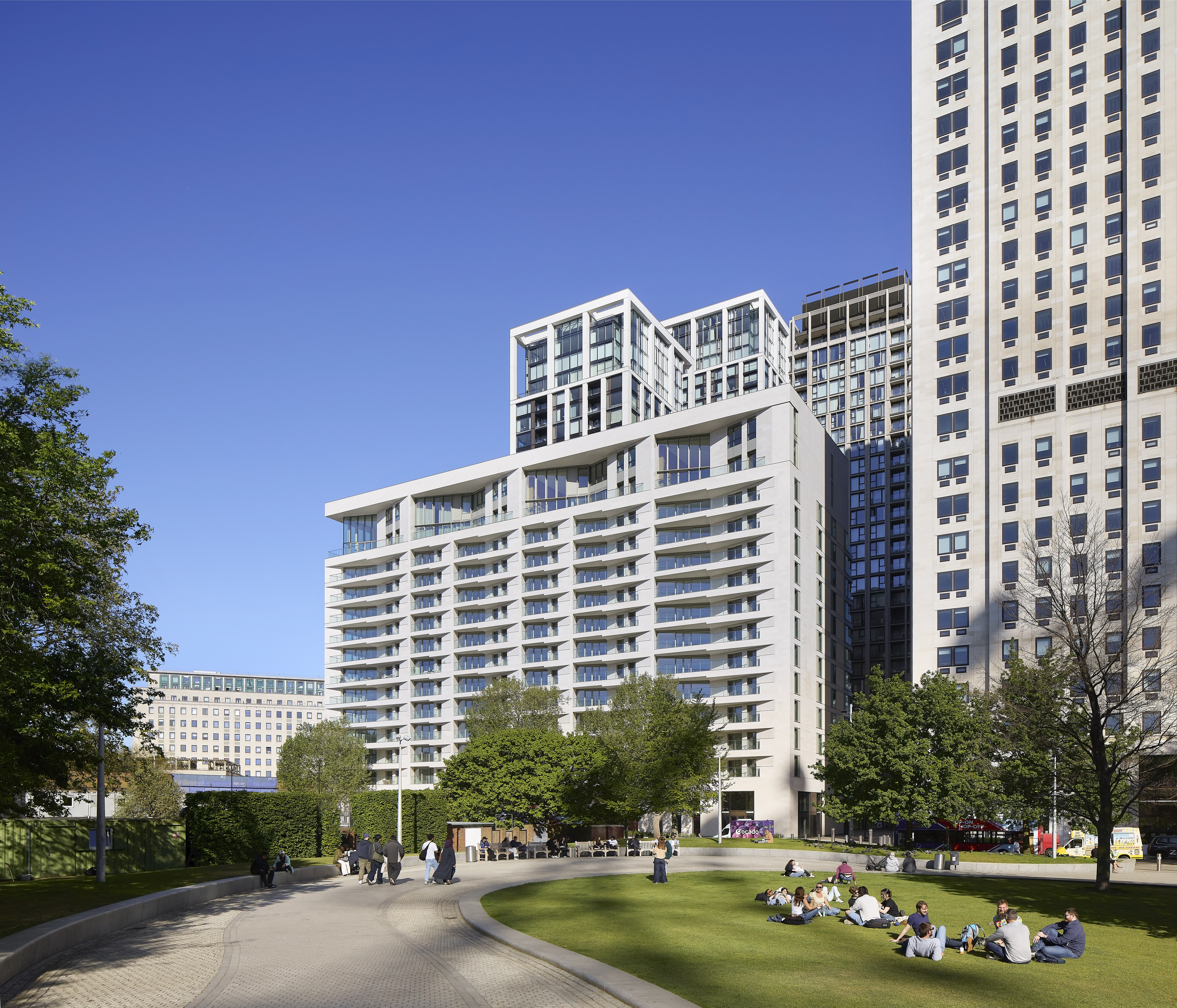
For Stanton Williams, stone became both a contextual response and a central architectural idea. The practice conceived the 15-storey building as a monolithic block of limestone emerging from the surrounding public realm, drawing inspiration from the material character of neighbouring landmarks including the Shell Centre and the Royal Festival Hall.
"SEVEN's architecture intentionally doesn't shout," says Paul Williams, director at Stanton Williams. "We wanted to design a building that harmonises with the Shell Centre, maintaining the same sculptural solid appearance, and, at the same time, creating a strong river-facing presence to Southbank Place."
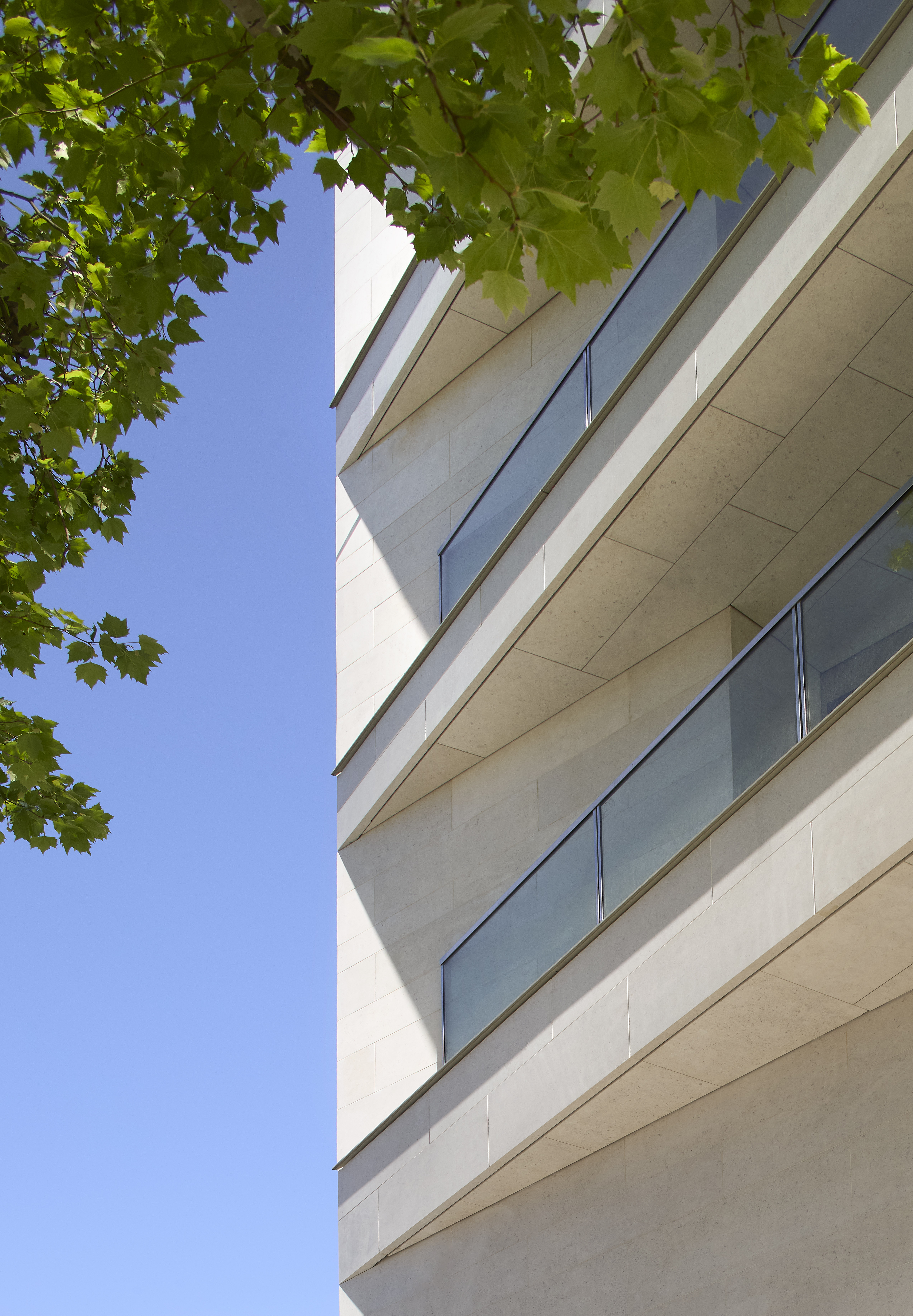
The building's river frontage is carefully modelled to reinforce that concept. Deeply inset balconies are cut into the façade, creating a faceted surface that catches light and shadow throughout the day while preserving a sense of solidity. Chamfered balcony openings widen views towards the Thames, while the horizontal expression references the rhythm of the neighbouring Royal Festival Hall.
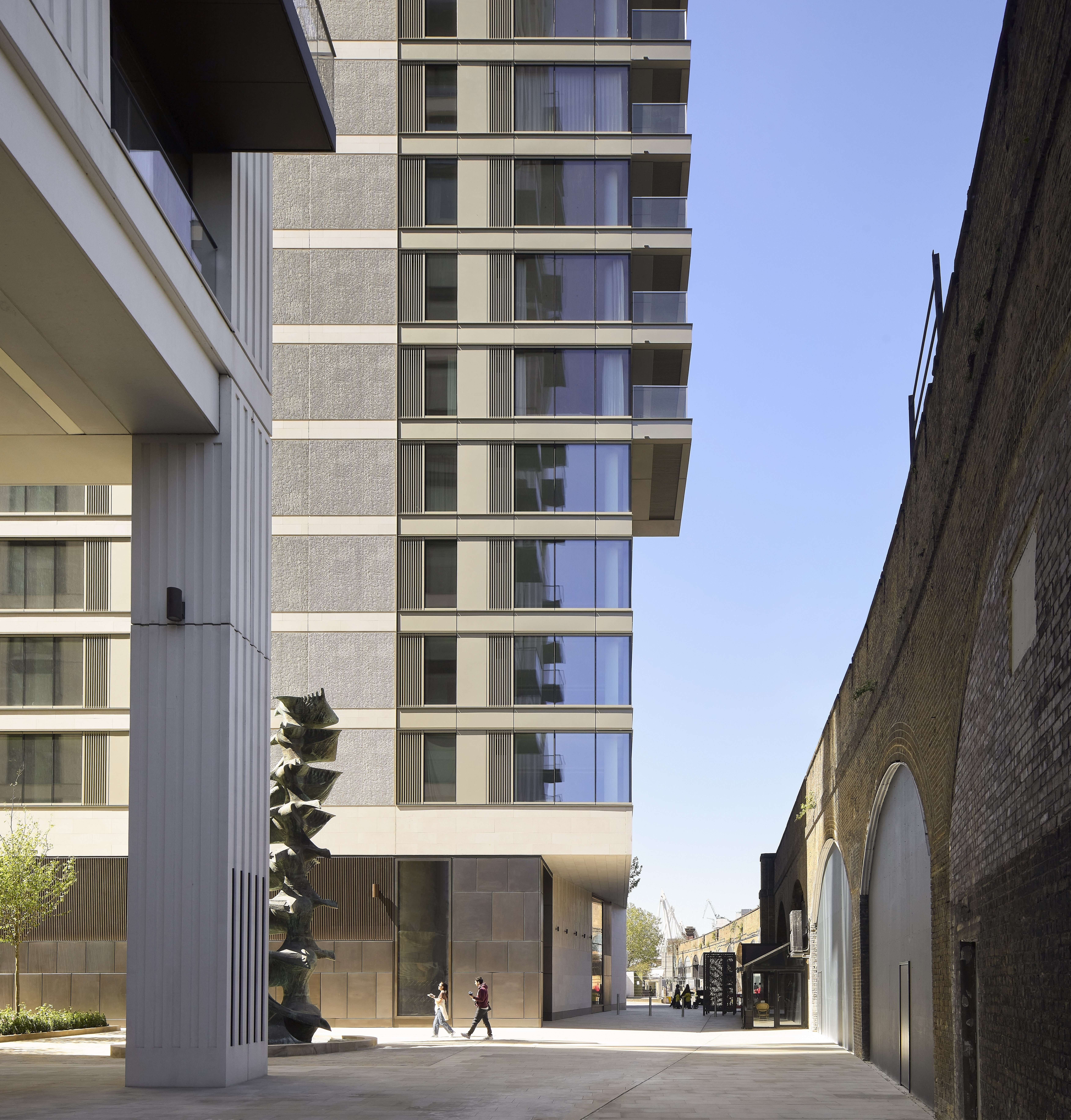
At ground level, the building sits on a double-height plinth clad in Portuguese limestone. Facing west towards Jubilee Gardens and the river, the stone base establishes a visual connection with the wider South Bank context while providing a durable and tactile material at street level. The height of the plinth responds both to the proportions of the Shell Centre tower and the scale of the adjacent railway arches.
Elsewhere, the building adopts a more restrained language. The eastern elevation overlooking Casson Square combines bronze-coloured metal panels and glazing, while the north and south façades are characterised by punched openings and deep reveals. Ribbon windows on the northern elevation maximise views across the city.
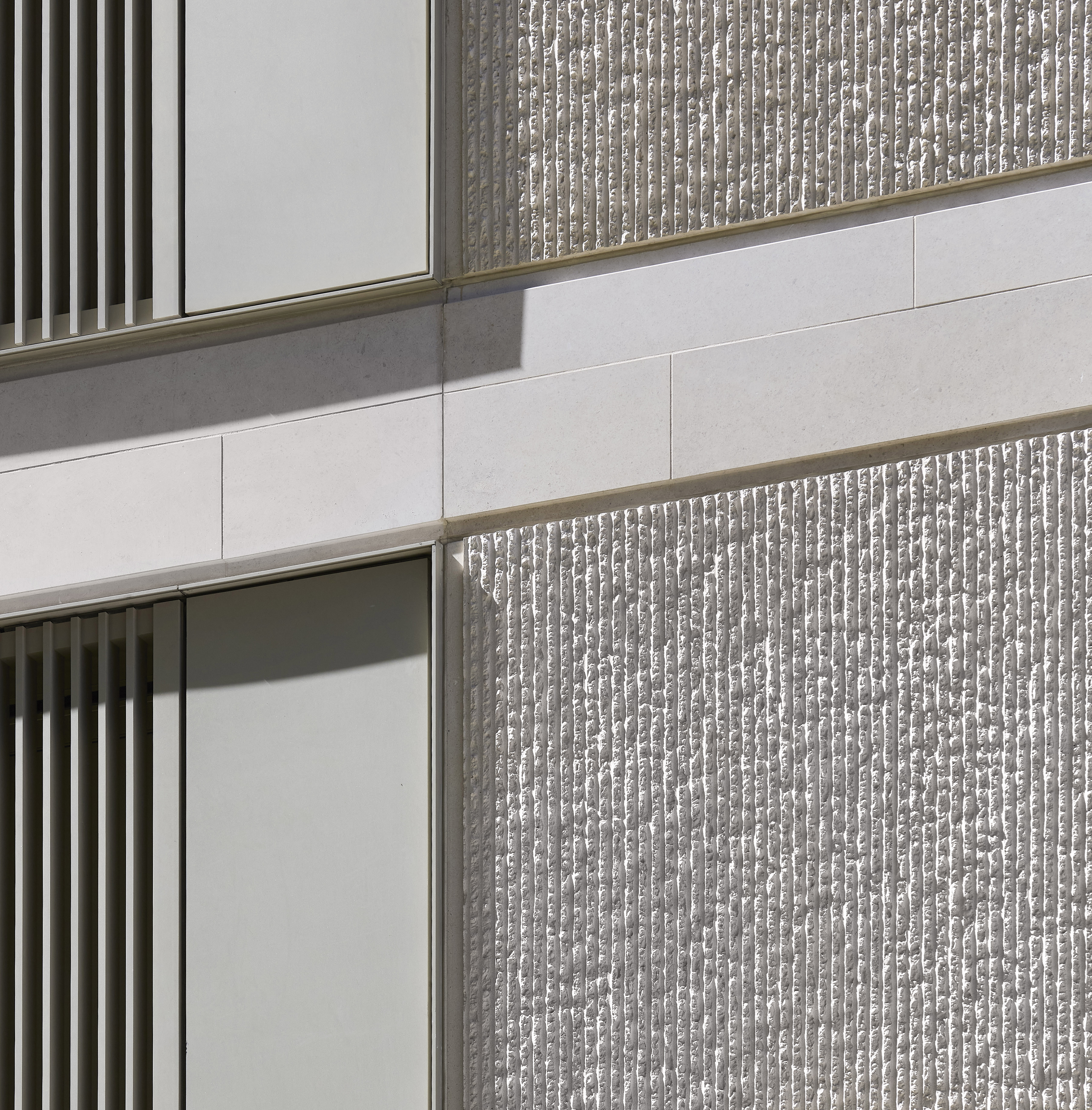
The use of natural stone was also informed by longevity. Designed as a permanent addition to one of London's most significant riverside locations, the building employs a material palette selected to weather gracefully over time and maintain its character at both urban and human scales.
This emphasis on durability aligns with the project's wider environmental strategy. A fabric-first approach delivers high levels of insulation and airtightness, supported by triple glazing and whole-house ventilation systems with heat recovery throughout the apartments. Additional measures include an intensive green roof, integrated bird boxes and water attenuation systems. Residential elements have been designed to meet Code for Sustainable Homes Level 4, while non-residential spaces target a BREEAM Very Good rating.
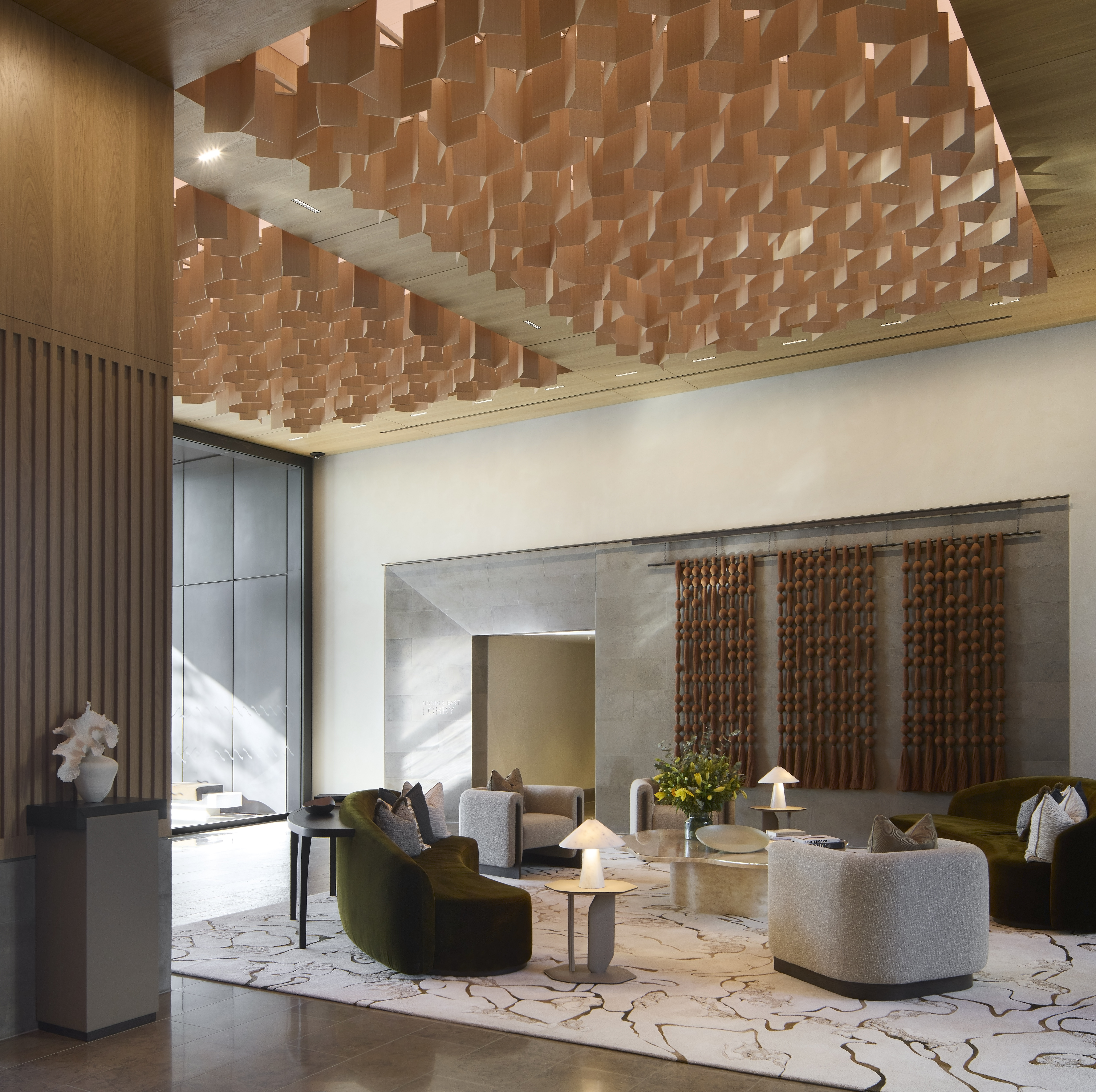
Internally, the development offers a mix of one, two and three-bedroom apartments, together with a collection of duplex penthouses occupying the upper floors. Many homes are dual aspect, maximising natural daylight and views while maintaining privacy within a dense urban setting.
The completed building marks the final phase of the Southbank Place masterplan and occupies a highly visible position within one of London's most culturally significant districts. Overlooking Jubilee Gardens and within walking distance of the Southbank Centre, National Theatre and Waterloo Station, it sits at the intersection of post-war modernism, contemporary development and public life.
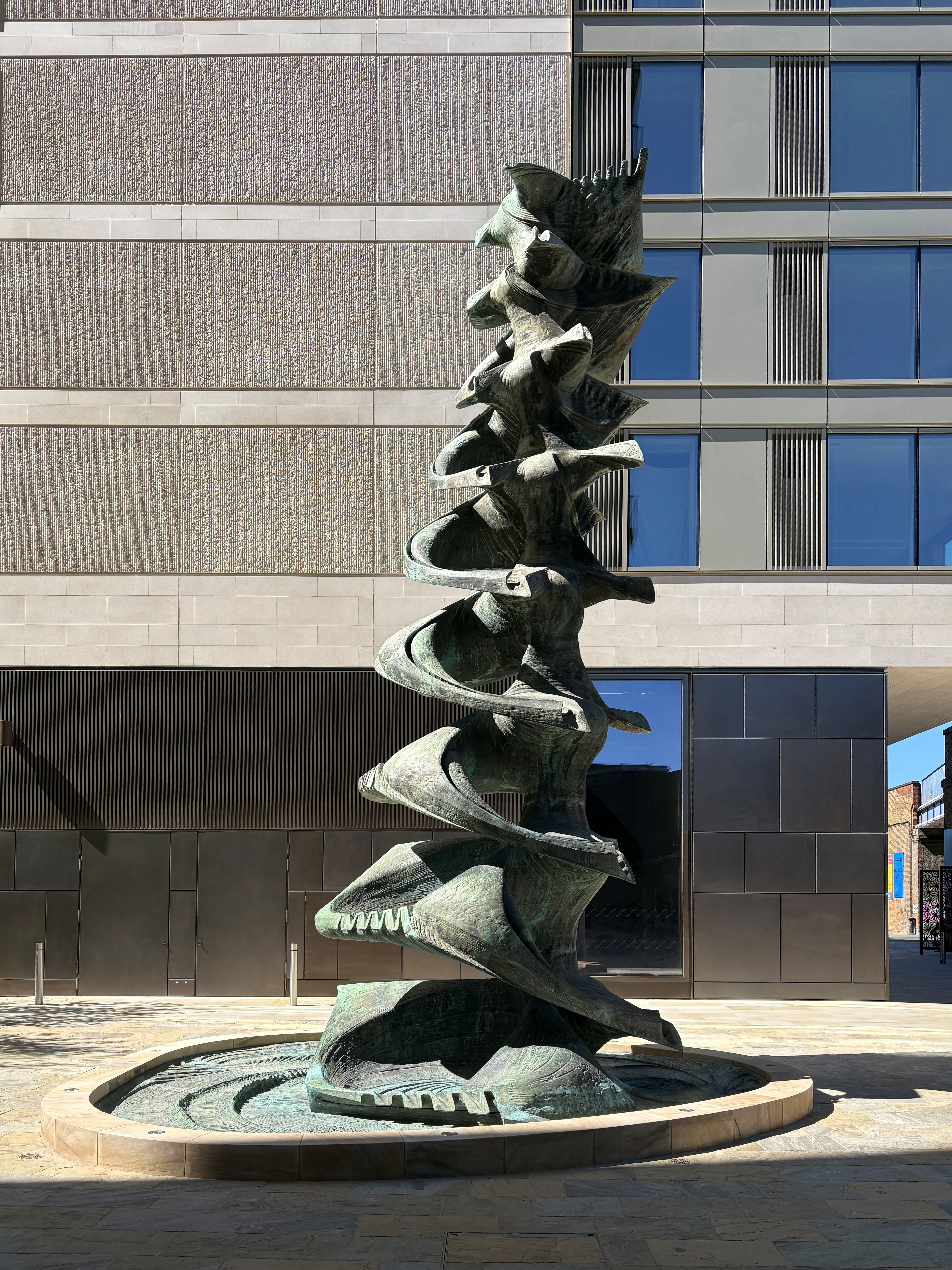
For Stanton Williams, the challenge was to create a building capable of mediating between these conditions. Through its restrained form and extensive use of limestone, SEVEN at Southbank Place demonstrates how natural stone can contribute not only to architectural character but also to a sense of permanence and continuity within a rapidly changing urban landscape.