

Profile: Material Index


As the construction industry faces mounting pressure to reduce carbon emissions, cut waste and preserve finite resources, circular methodologies are rapidly shifting from aspiration to necessity. Nowhere is this more evident than in the growing movement to reclaim, reuse and repurpose materials already embedded within the built environment. At the forefront of this shift is Material Index, a London-based platform and services company dedicated to enabling material reuse at scale through a combination of digital technology, technical expertise and logistics support.

Founded by architect Morgan Lewis and engineer Rob Smith to tackle the systemic inefficiencies that see vast quantities of valuable materials sent to landfill, Material Index works collaboratively with building owners, contractors and design teams to unlock the latent value within existing buildings. By integrating pre-demolition audits, materials passports, digital marketplaces and storage and logistics services, the company provides a joined-up approach to circular construction that bridges the gap between ambition and delivery.

At the heart of Material Index’s offering is its proprietary digital platform, which underpins every stage of the reuse process. Through best-in-class pre-demolition, pre-redevelopment and material reclamation audits, the company captures highly detailed, component-level data, providing accurate insights into material condition, quantities, embodied carbon and waste potential. This granular approach allows project teams to identify opportunities for reuse early, enabling circular strategies to be embedded within design and procurement workflows rather than treated as an afterthought.

This data-led methodology delivers tangible results. Material Index reports a project reuse rate of 19%, significantly outperforming the current industry average of around 4%. By diverting materials from waste streams and reintegrating them into new construction and fit-out projects, clients benefit from reduced disposal costs, lower embodied carbon and a demonstrably lighter environmental footprint.

Beyond audits, Material Index has established one of the UK’s largest business-to-business marketplaces for reclaimed materials. Through its network of more than 300 trusted trade partners, spanning manufacturers, specialist contractors and reclamation businesses, the platform enables surplus materials to be exchanged, stored or sold with full traceability. Logistics coordination ensures that collections align with demolition and strip-out programmes, while environmental reporting provides transparent documentation of carbon and waste savings. The ever-evolving online resource is well worth a visit for anyone on the lookout for interior and construction materials, with stone, flooring products, lighting and furniture regularly updated and available at the click of a button.

The company has also developed a dedicated materials specification service, supporting designers, engineers and contractors in sourcing refurbished and reclaimed materials suitable for high-performance projects. This service is particularly relevant to stone and surface materials, where longevity, inherent durability and embodied carbon profiles make reuse an increasingly compelling proposition.

Another cornerstone of Material Index’s offering is its Materials Passports: secure, digital records of every material installed within a completed building. Drawing together information from BIM models, site audits, project documentation and supply chain data, the passports create a spatially searchable material directory that preserves knowledge long after project completion. In doing so, they transform materials into long-term assets, ensuring that when buildings are adapted, refurbished or dismantled, valuable resources can be efficiently recovered and reused.
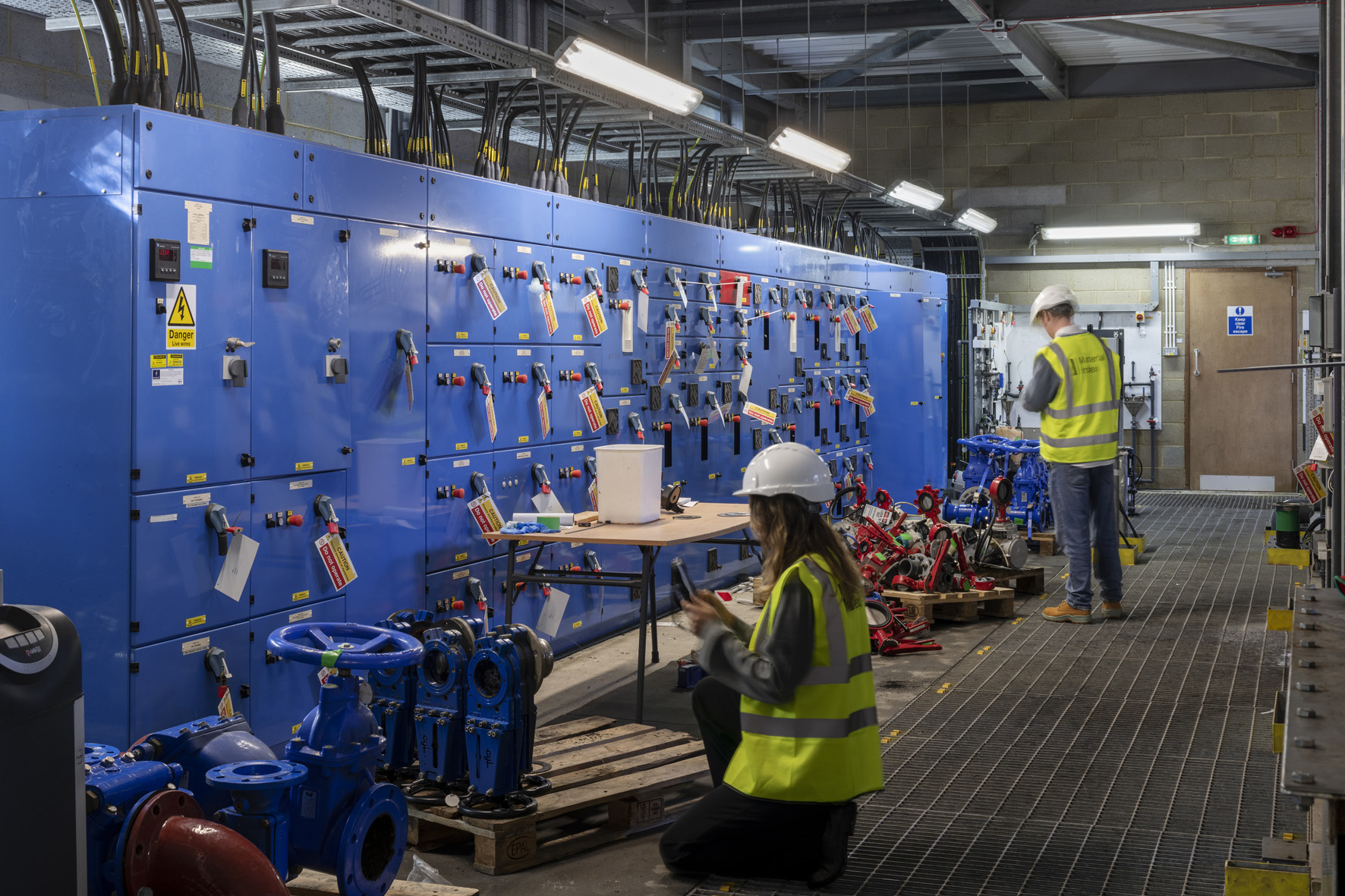
For larger estates and portfolios, Material Index offers a portfolio management solution, enabling asset owners and contractors to track materials across multiple buildings, facilitate internal exchanges and manage storage and resale. This approach supports strategic planning at scale, reinforcing circularity as a core operational principle rather than a project-by-project exercise.
With sustainability targets tightening and regulatory pressure increasing, the role of intelligent material management is only set to grow. By combining digital innovation with practical, on-the-ground expertise, Material Index is helping to redefine how materials flow through the construction industry – turning waste into opportunity and circular ambition into measurable action.