

Surface Perspectives: Emma Fairhurst, Collective Architecture

Working across heritage, civic and cultural projects throughout Scotland, Collective Architecture has built a strong reputation for the conservation, repair and adaptation of significant historic buildings. As a Conservation Architect with the practice, Emma Fairhurst specialises in developing approaches that balance the protection of historic fabric with contemporary requirements, often working closely with traditional materials and repair techniques.
In this Surface Perspective interview, Fairhurst discusses the role of stone within conservation projects, the importance of material compatibility, lessons from working on some of Scotland's most significant heritage buildings, and why longevity remains one of natural stone's greatest strengths.

What does a typical day look like for you?
As a Conservation Architect, the work I do on a day-to-day basis is highly varied - the majority of it is studio based, with occasional site visits. Rather than being fixed to one or two projects as a Project Architect, I have a more wide-ranging role supporting the conservation approach on various projects across the studio. I’m currently working on multiple Category A listed projects, including the Robert Burns Ellisland Museum, the 1894 Building at the Royal Observatory and two 1960’s Brutalist tower blocks at Cables Wynd and Linksview. I am also developing conservation plans, supporting Historic Environment Scotland applications and undertaking condition assessments across a number of other conservation focused projects in the studio. In relation to stonework, I am currently preparing a detailed package of stonework surveys and proposed repair details for the Royal Observatory, Edinburgh. This is a complex and ornate building, built as a working Observatory but also as a monument to scientific endeavor for the City of Edinburgh.
How integral are materials/surfaces to your day-to-day?
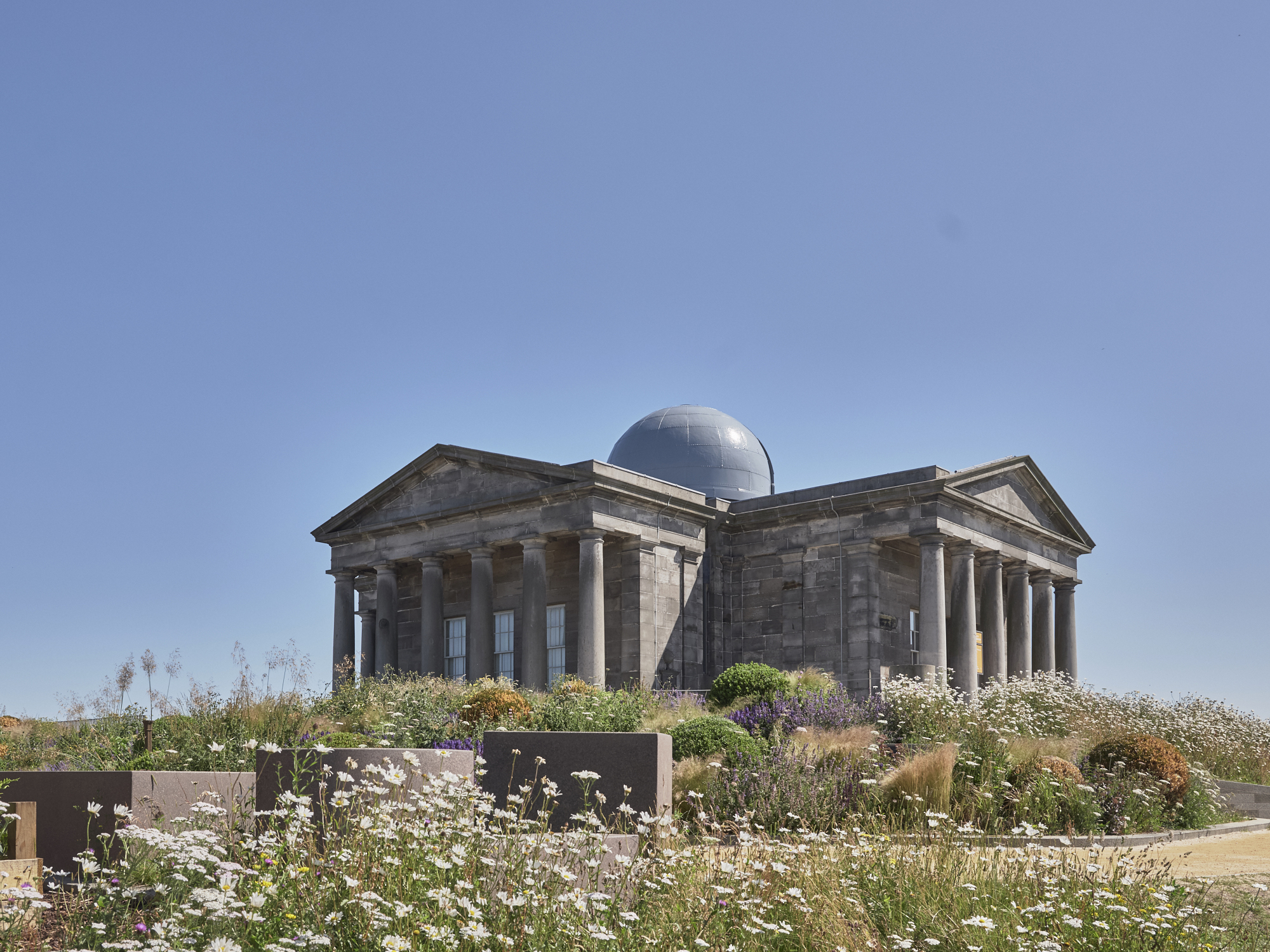
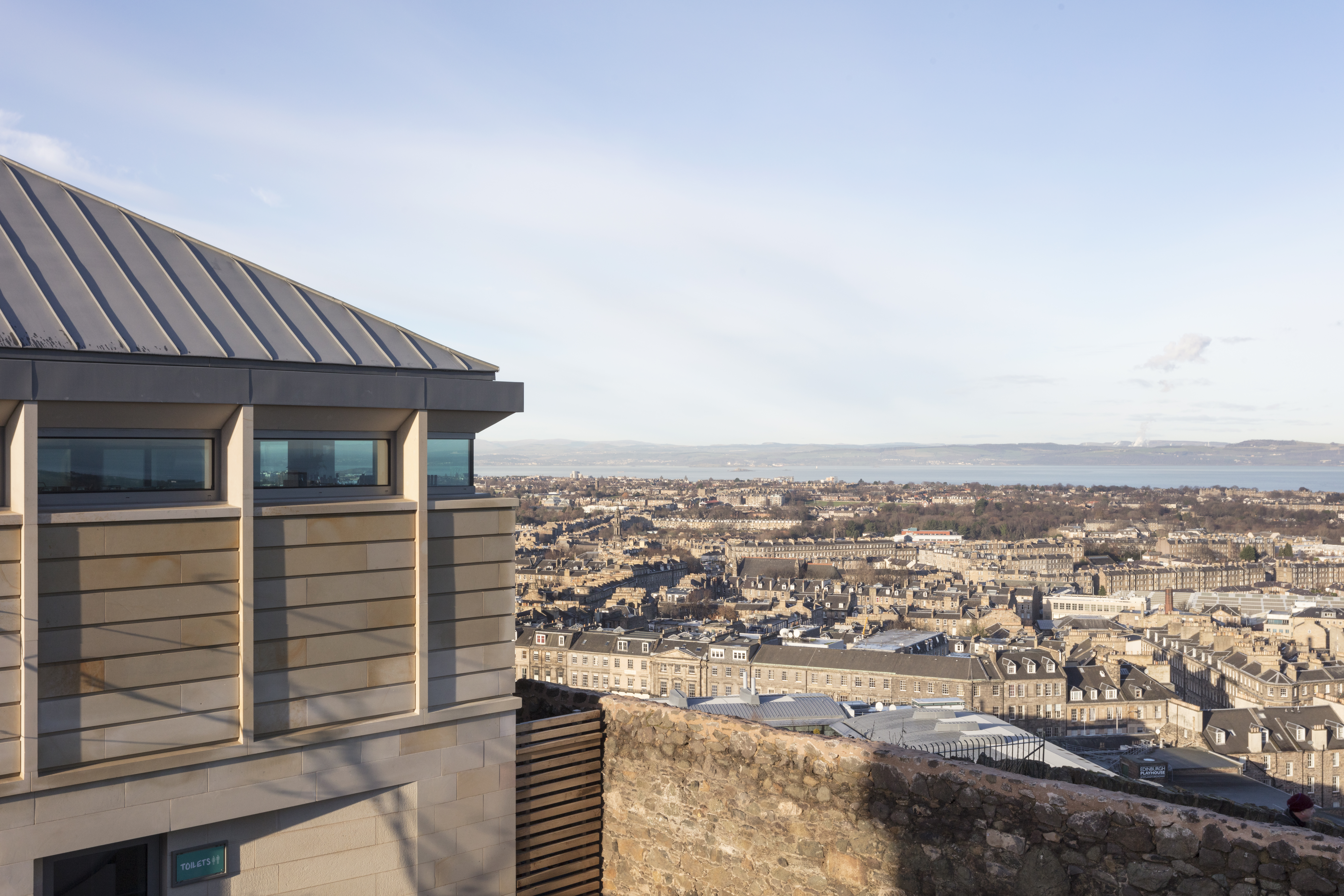
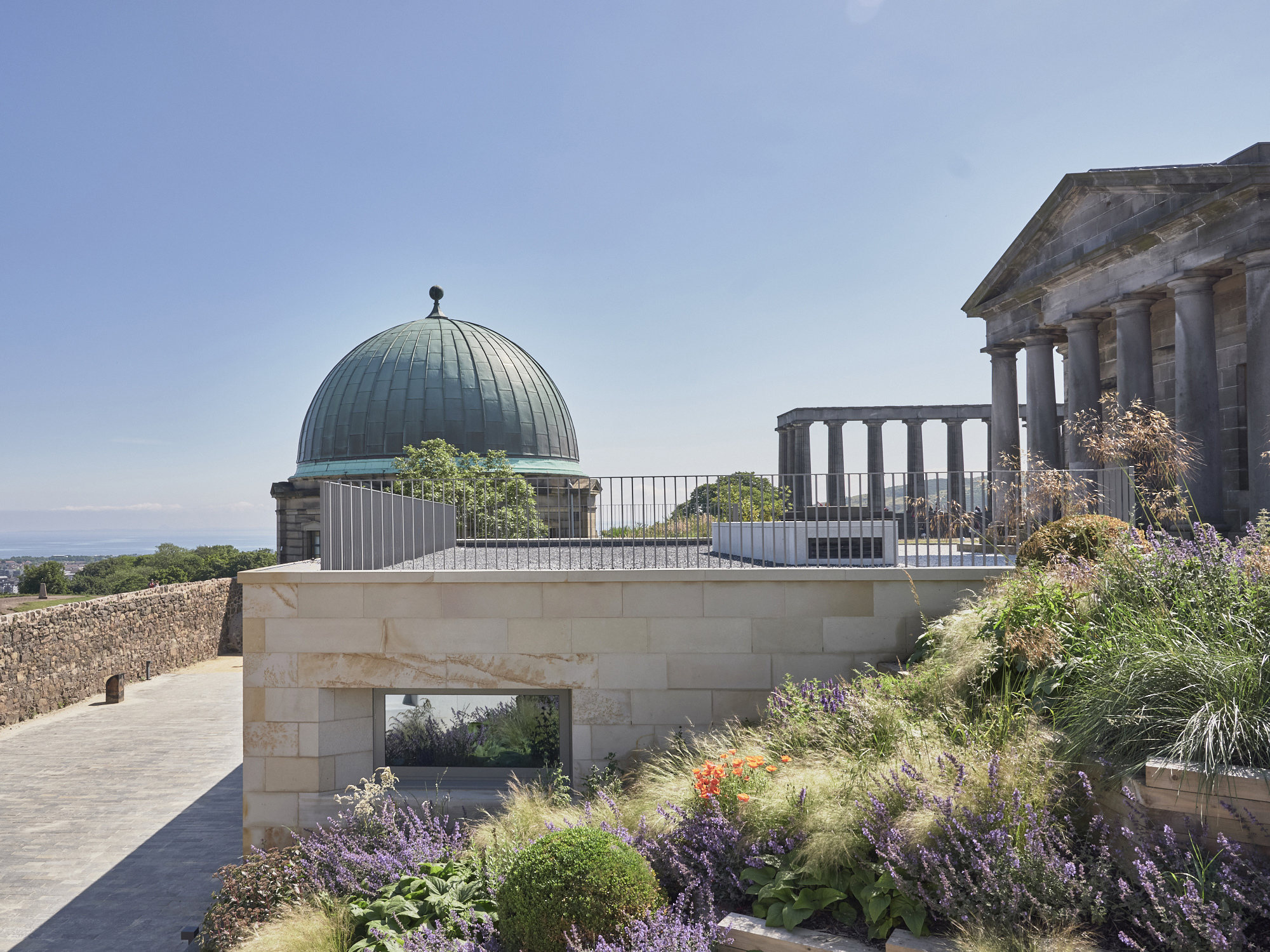
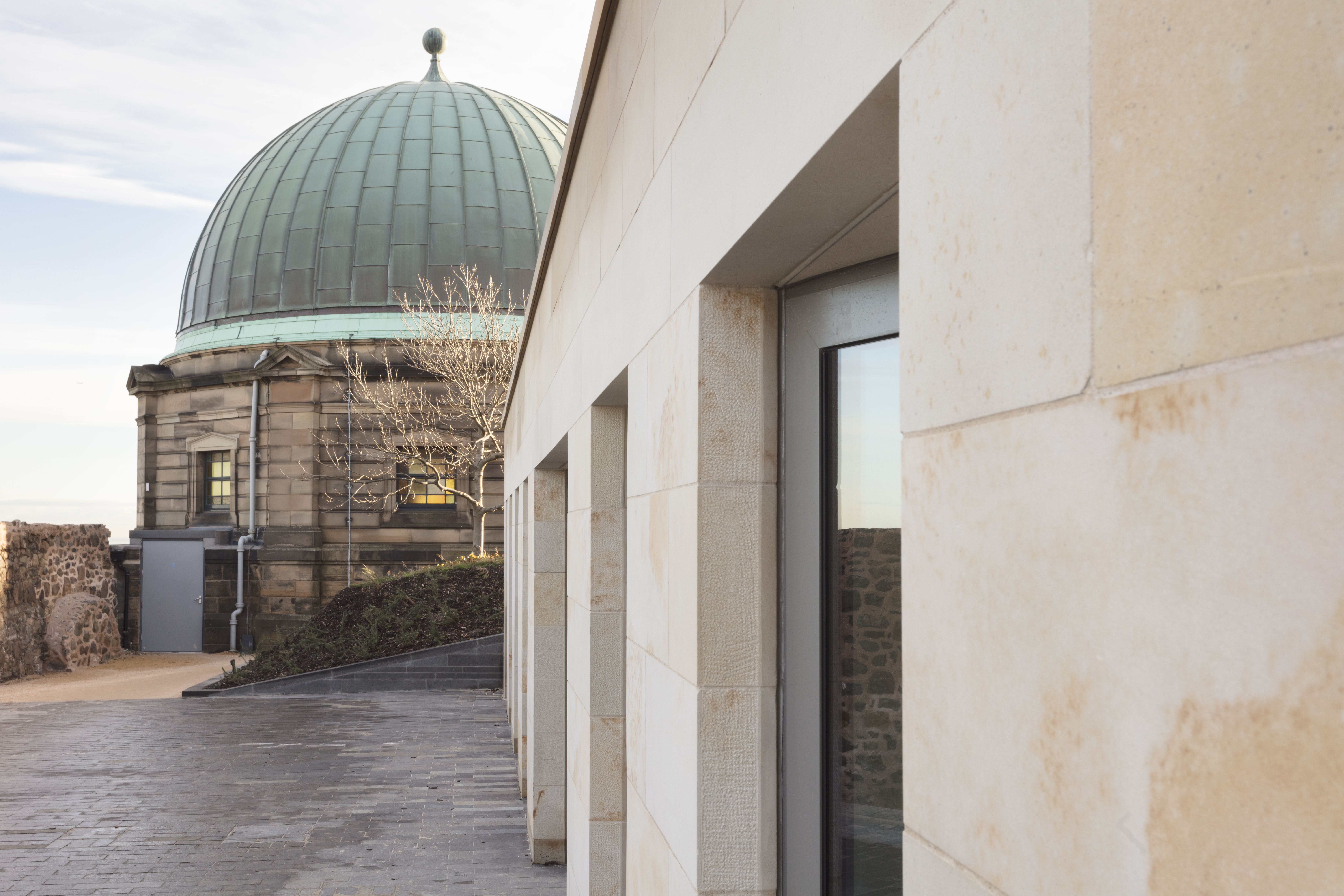
Depending on the project stage, materials can be a central part of my work. When working with existing buildings, an element of new-build is often needed to support the financial viability of the project and introduce modern functionality, while minimising impact on the existing fabric and layout. Materiality is therefore especially important at concept stage, where new materials must be chosen to integrate sensitively with the existing building from an aesthetic, planning, and cost perspective. The careful selection of stone is also fundamental when developing repair details for existing buildings, to ensure geological compatibility. An interesting example of this was our work at Calton Hill City Observatory where Cullalo sandstone was used for the new-build elements, with traditional tooling methods used to accentuate entrance points to the buildings. Cullalo was selected as the closest geological match for Craigleith sandstone, which was originally used to build the Observatory and was also specified for indent repairs.
What are the biggest lessons you have taken forward from your original training?
My original Architecture training at Newcastle University concluded in 2007, with professional qualifications completed in 2009. The training was relatively practical, compared to some other architecture schools, and for all projects we not only developed the conceptual design, but also had to consider materiality and draw technical details of how all the aspects were brought together. However, University largely taught me how to ‘think’, whereas being in practice taught me how to ‘do’. I was fortunate enough to work on a series of interesting existing building projects in my early career; barn conversions, chapel conversions, a Category A listed town hall and also a number of listed University buildings. This early learning and exposure to the complexities of working with existing buildings slowly developed into a specialism. Whilst working on Calton Hill City Observatory I became RIAS Conservation Accredited and a further five years of focused work on listed building projects has now led to me achieving Advanced Accreditation. I do not recall setting out on a path to specialise in Conservation, but the projects I have had the privilege to work on, alongside a natural affection for dilapidated buildings, have shaped where my career is today.
Which project/s are you most proud of being involved with and why?
The Calton Hill City Observatory project is possibly the one I am most proud of, but I feel all the projects I have worked on have been important to me and have shaped my learning and experience. Calton Hill was particularly special for a number of reasons; I worked on it over a seven year timespan; being up the hill is a really special place and the amazing views never disappointed; the clients were visionary and collaborative, the buildings are of exceptional significance and required extensive and complex repairs; I was part of adding contemporary buildings into the heart of the UNESCO World Heritage Site. It was a huge challenge, but incredibly rewarding to be a central part of.
What do you feel are the main challenges facing the stone and surfaces industry today?
As the projects I work on tend to be of exceptional heritage significance, there is often the will, statutory requirement and the budget to repair the buildings properly, with the correct materials and using traditional repair techniques. However, budgets are always stretched, with material prices, international factors and resulting inflation all putting pressure on the ability to specify high quality materials. We ensure material specification is considered early in a project, such that costs are adequately allocated and market tested, so that cost plans are as accurate as possible. However, Value Engineering is an aspect of all projects, where advocating to retain high quality materials can be challenging.
In your opinion, what are the positives of using stone in the built environment?
The main benefits of stone are its longevity, I have worked on projects where the facades date back over 350 years. Stone ages well and sits quietly in its setting, easily complementing other adjacent materials. It can equally be used in traditional or contemporary ways. Correct detailing is crucial to ensure the stone will continue to look good long after the opening ceremony, but is an interesting part of our challenge as architects to ensure this is carefully considered.
How does sustainability shape your thinking and decision-making, and how do materials fit into this?
Working with existing buildings is an inherently sustainable approach. Working with clients to find financially sustainable new uses for often dilapidated and disused buildings can help avoid a more energy and waste intensive demolition and new build. Throughout my career, I have developed a detailed understanding of how to marry the competing demands of protecting historic fabric whilst upgrading a building to operate to high environmental standards and be comfortable to inhabit. This needs to be a bespoke approach to every project and depends greatly on the significance of the building fabric, interiors and condition. I try to specify local, sustainably sourced, appropriately certified and environmental conscious materials wherever possible. At Collective, we also develop our own Management and Maintenance strategies for projects, so ensuring material longevity and maintainability are always fundamental considerations.