

Surface Spot: Contemplative Chormatic Ceramics

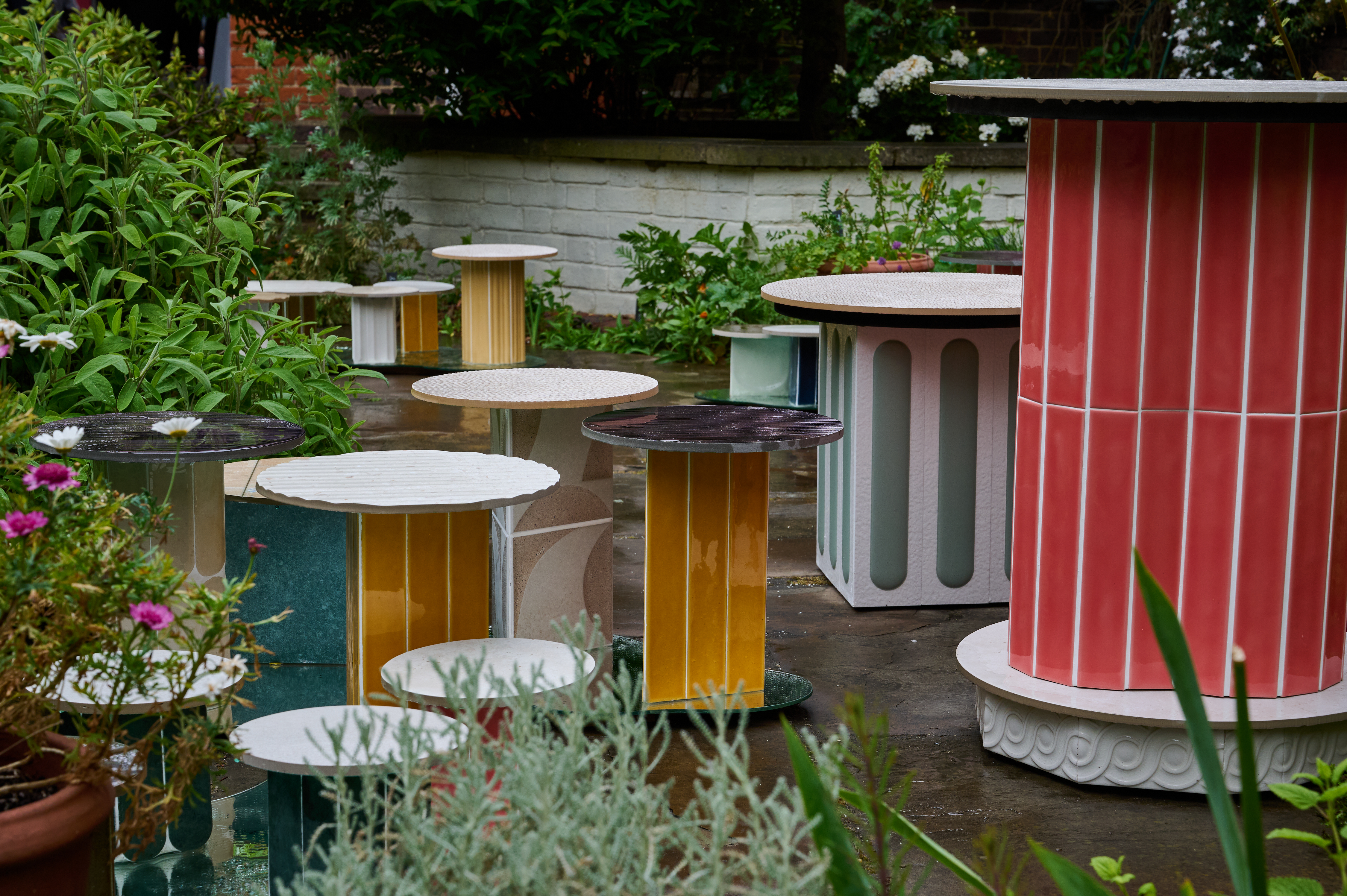
The sun is finally shining, and the sights and smells of summer are filling the air. What better way to celebrate the moment than with a materially-led pop of chromatic joy?
At Clerkenwell Design Week, where installations often compete for attention through scale or spectacle, Secret Garden did precisely that, using ceramic and stone not simply as finishes, but as the architecture of gathering itself.
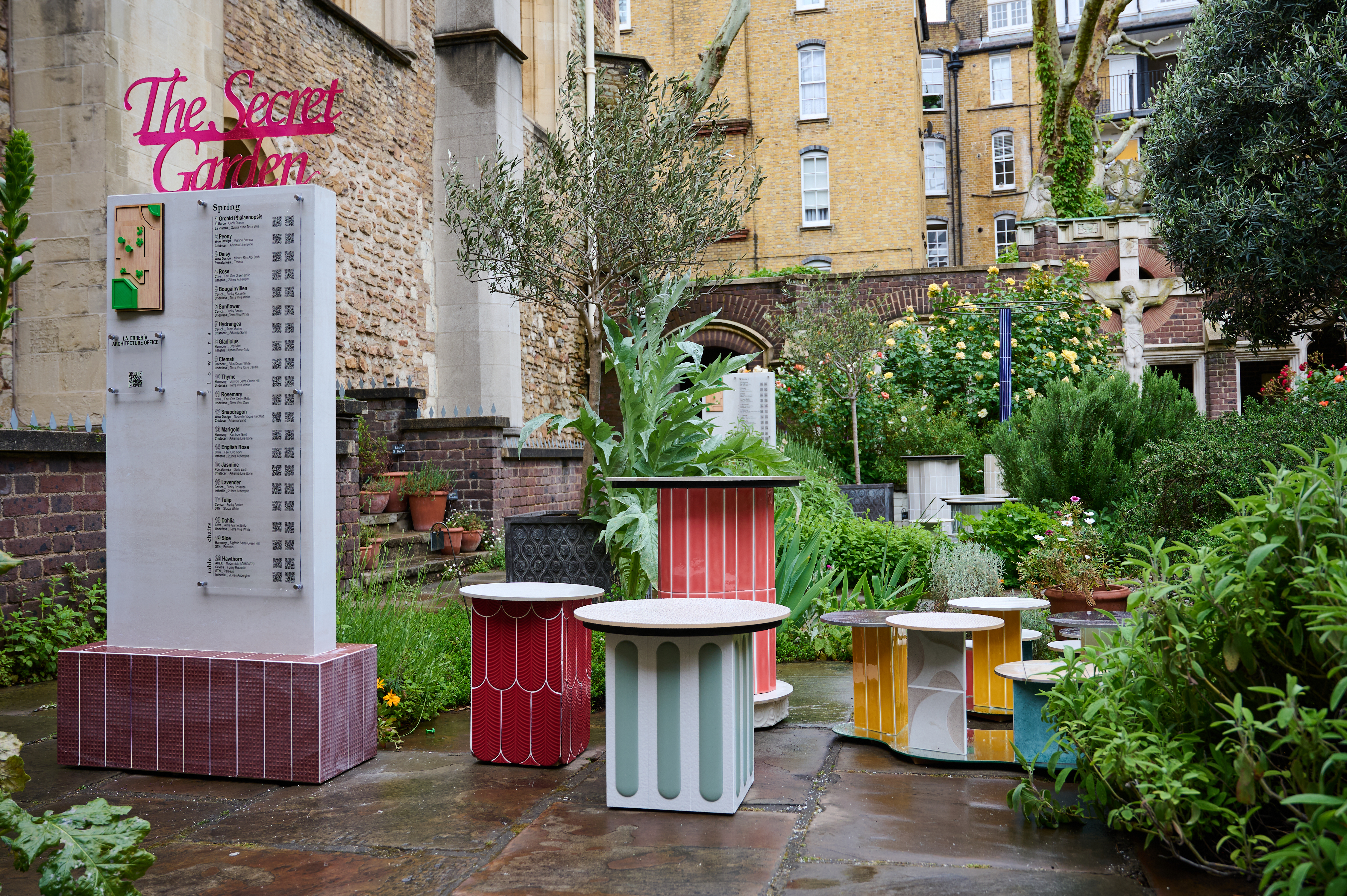
Created by Tile of Spain and architecture and design studio LA ERRERÍA, it also underlined that sometimes the most memorable interventions are the ones that invite people to slow down and take a moment to soak up the (sunny) moment.
Tile of Spain is the international brand representing Spain’s ceramic tile industry through ASCER (The Spanish Ceramic Tile Manufacturers’ Association). Known for combining technical innovation with a strong design culture, Spanish ceramic manufacturers have become prominent contributors to contemporary architecture and interiors, particularly in the exploration of colour, texture and large-format surface applications.
The installation transformed the historic grounds of the Order of St. John into a loose landscape of seating, surfaces and sculptural interventions. Curved benches, tiled forms and monolithic elements created pockets for conversation and pause, blurring the line between furniture and architecture. Rather than presenting ceramics as pristine display objects, the project explored how material can shape behaviour, encouraging visitors to sit, linger and move through the space differently.
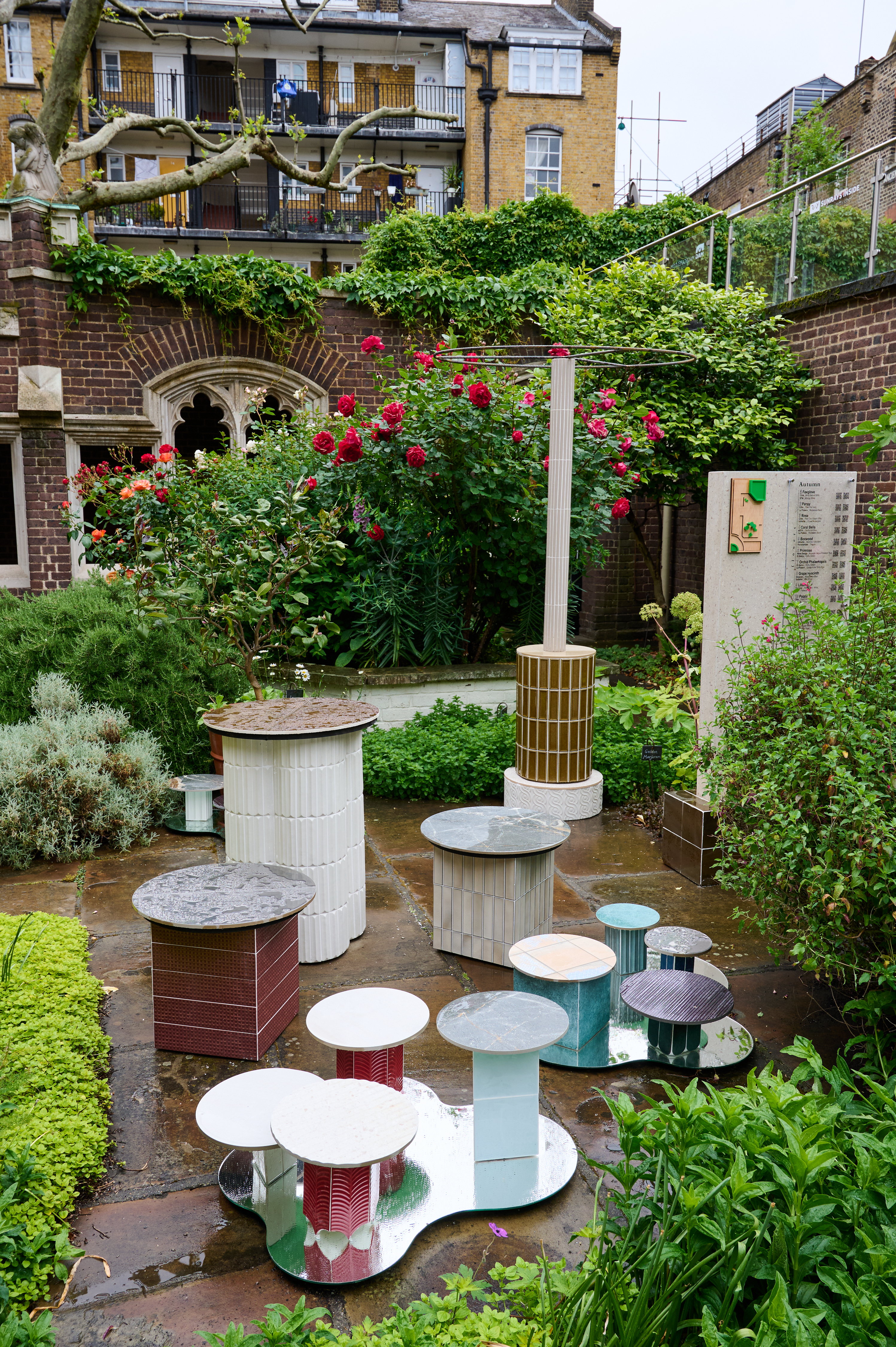
The seating became central to this experience. Some pieces appeared almost geological in character: weighty, tactile and grounded, while others used colour and pattern with a lighter touch, introducing a sense of play across the courtyard.
More than 125 Spanish tile manufacturers contributed materials to the installation, including Adex, Apavisa, Decocer, El Barco, Harmony and Wow Design. The variety of finishes revealed the breadth of contemporary ceramic production without turning the space into a catalogue exercise. Matt glazes sat alongside glossy surfaces, earthy tones met sharper chromatic moments, and hand-crafted textures contrasted with precise geometric forms.
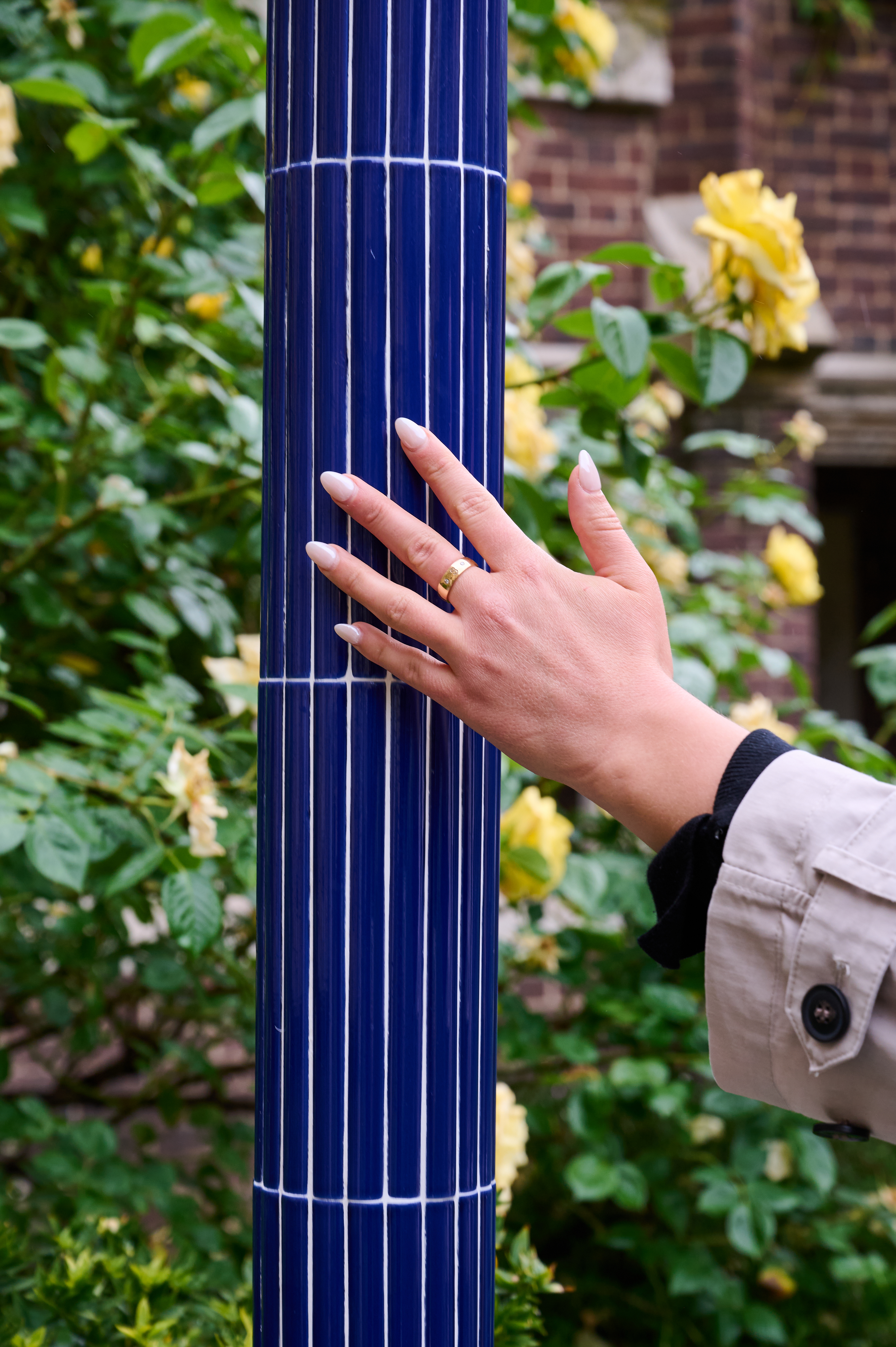
There was also a welcome informality to the project. Visitors perched on edges, gathered in clusters and occupied the installation instinctively, giving the materials a lived-in quality that design exhibitions often struggle to achieve.
For all its colour and experimentation, the installation’s success lay in its restraint: a reminder that surfaces are often experienced most powerfully when they support everyday acts of sitting, meeting and observing.