

Surface Spot: Insulating With Agri-Waste

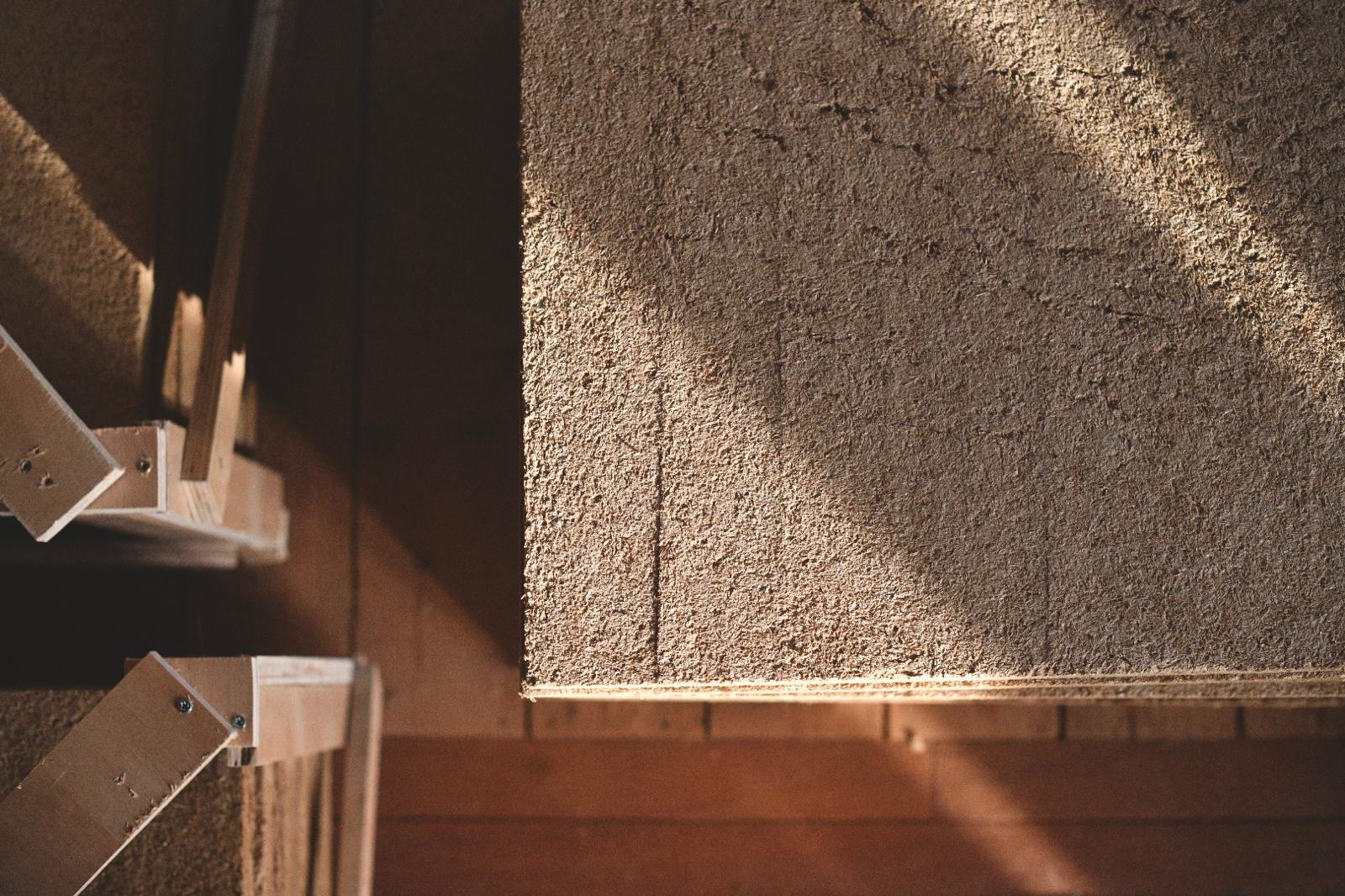
Among the growing number of bio-based construction materials reaching the market, agricultural residues remain relatively underused despite their abundance. Wheat straw, produced in millions of tonnes each year as a byproduct of cereal farming, is increasingly being explored as a feedstock for insulation and board products that reduce reliance on petrochemical materials while creating new value for farming communities.
One company working in this space is Agreka Build, a UK climate-tech business developing regenerative construction materials from agricultural waste. Founded by designers, engineers and farmers, the company aims to connect decarbonisation in construction with new opportunities for UK agriculture by transforming wheat straw into high-performance building products.
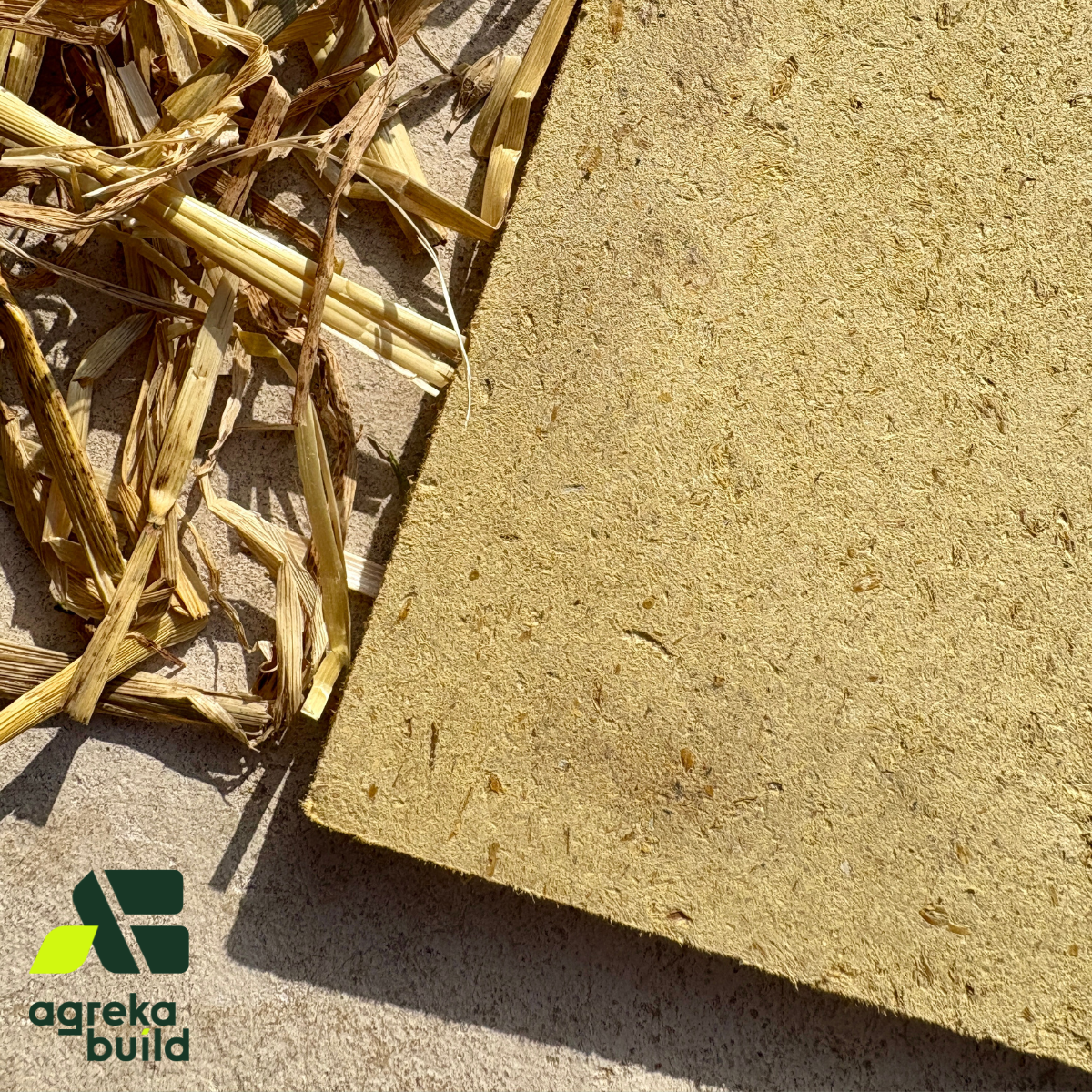
Its first product, WHEATEX®, is a rigid insulation board manufactured entirely from UK-grown wheat straw without synthetic binders. Rather than concealing its origins, the board retains the golden, fibrous appearance of the crop itself, giving the material a distinctive visual identity while highlighting the provenance of its raw ingredient.
The approach reflects a wider shift towards bio-based materials that prioritise renewable feedstocks alongside operational performance. Wheat straw is one of the UK's most abundant agricultural residues, and Agreka Build works directly with regenerative wheat farmers to establish a local supply chain that keeps both carbon and economic value within rural communities. The company is currently developing a pilot production line in Cheshire as it moves towards commercial manufacture.
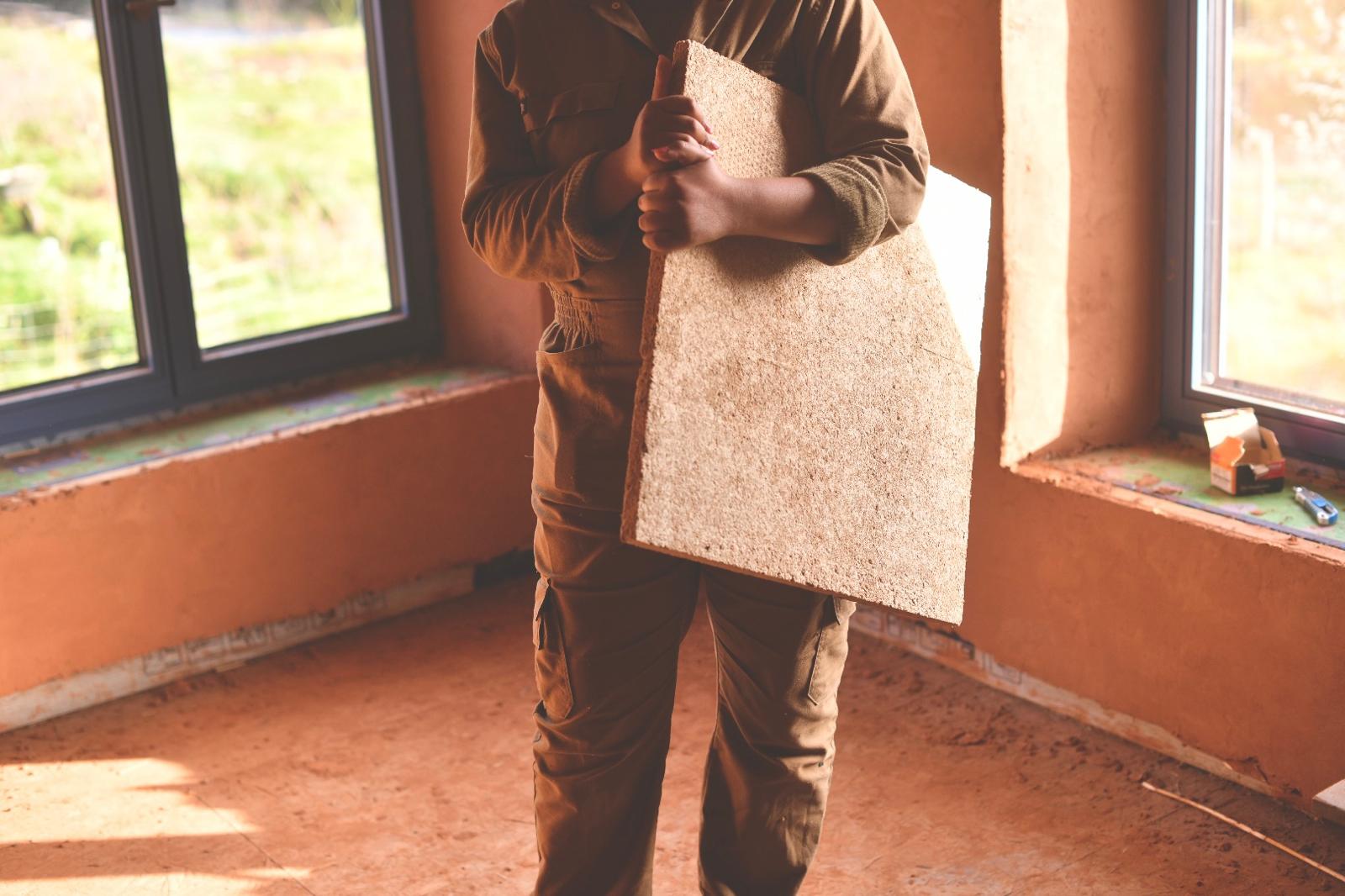
Manufactured without synthetic binders, WHEATEX is intended as a rigid insulation board for retrofit, housing and self-build projects. The company says the material combines competitive thermal performance with good compressive strength while remaining lightweight to install and fully recyclable at the end of its life. The board has a thermal conductivity of 0.05W/mK, achieved Euroclass E fire performance without added flame retardants, and offers higher compressive strength than comparable plastic insulation boards. It is lightweight to handle, produces minimal VOCs and particulates during installation, and is designed to be fully recyclable at end of life while supporting moisture regulation within building fabric. Agreka Build estimates the product's embodied carbon to be up to 80% lower than conventional rigid insulation products such as PIR, XPS and EPS.
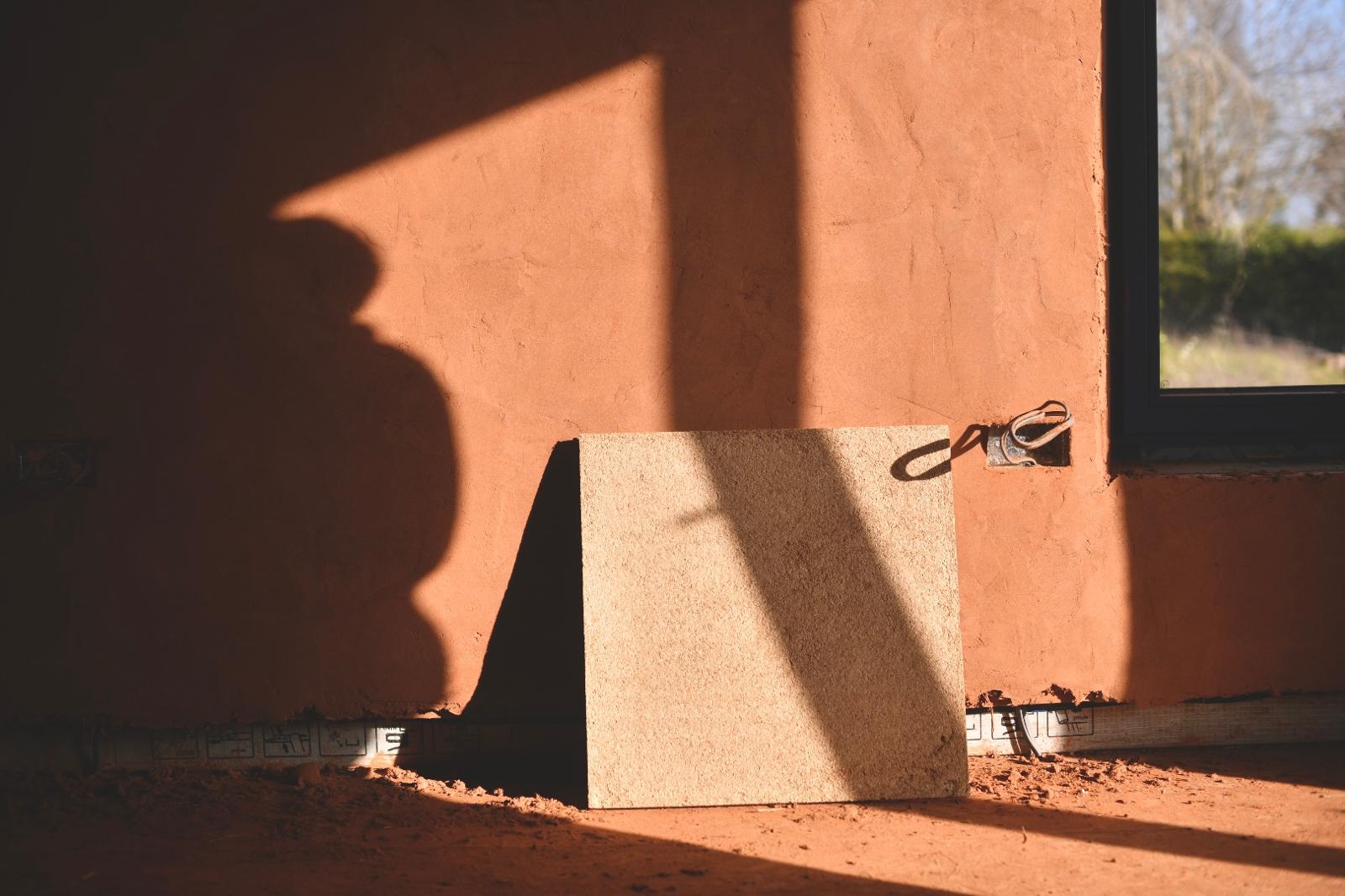
The company has also begun testing the material outside the laboratory, with a pilot installation in an 1850s farmhouse in Cheshire. WHEATEX® was used as internal wall insulation in two rooms, with environmental monitoring and life-cycle assessment running alongside the retrofit. According to Agreka Build, the trial recorded thermal retention improvements of approximately 20-30%, together with improved acoustic performance, while also helping to develop installation guidance for future projects.
Commercial launch is planned for 2027, with certification testing continuing alongside further pilot projects with architects, contractors and developers. As co-founder and CEO Antoinette Oni explains: "WHEATEX is about more than insulation. It's about proving that agricultural byproducts can be the foundation of a regenerative, scalable materials future — rooted in both rural resilience and urban sustainability."