

Surface Spot: Mycelium Material

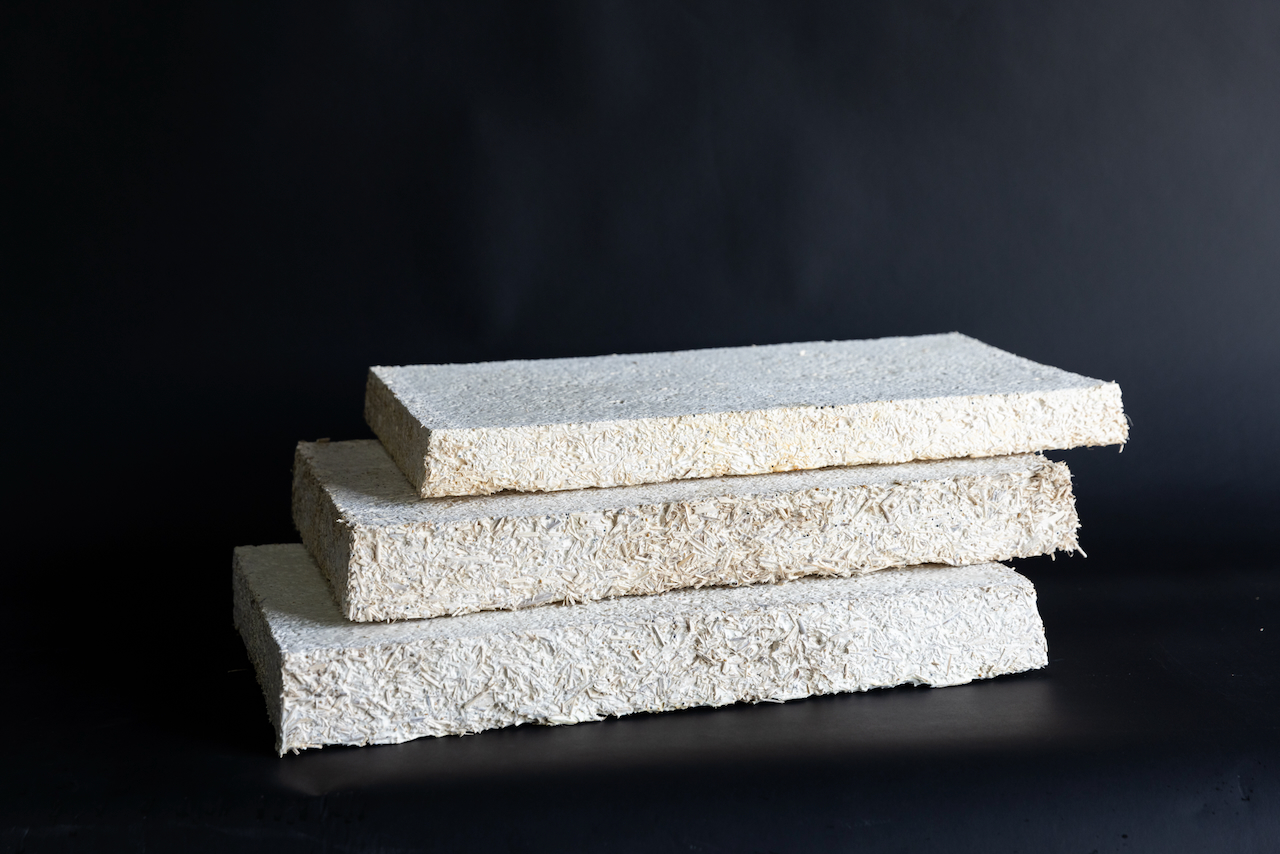
As we've been reporting, the search for lower-impact materials is increasingly moving beyond simply replacing one resource with another. Instead, a growing number of designers and manufacturers are rethinking how materials are conceived in the first place, shifting attention from extraction and manufacture towards cultivation. Among those exploring this emerging territory is Dutch company Mycelium Material, whose work harnesses the natural growth of fungal networks to create circular products and architectural surfaces.
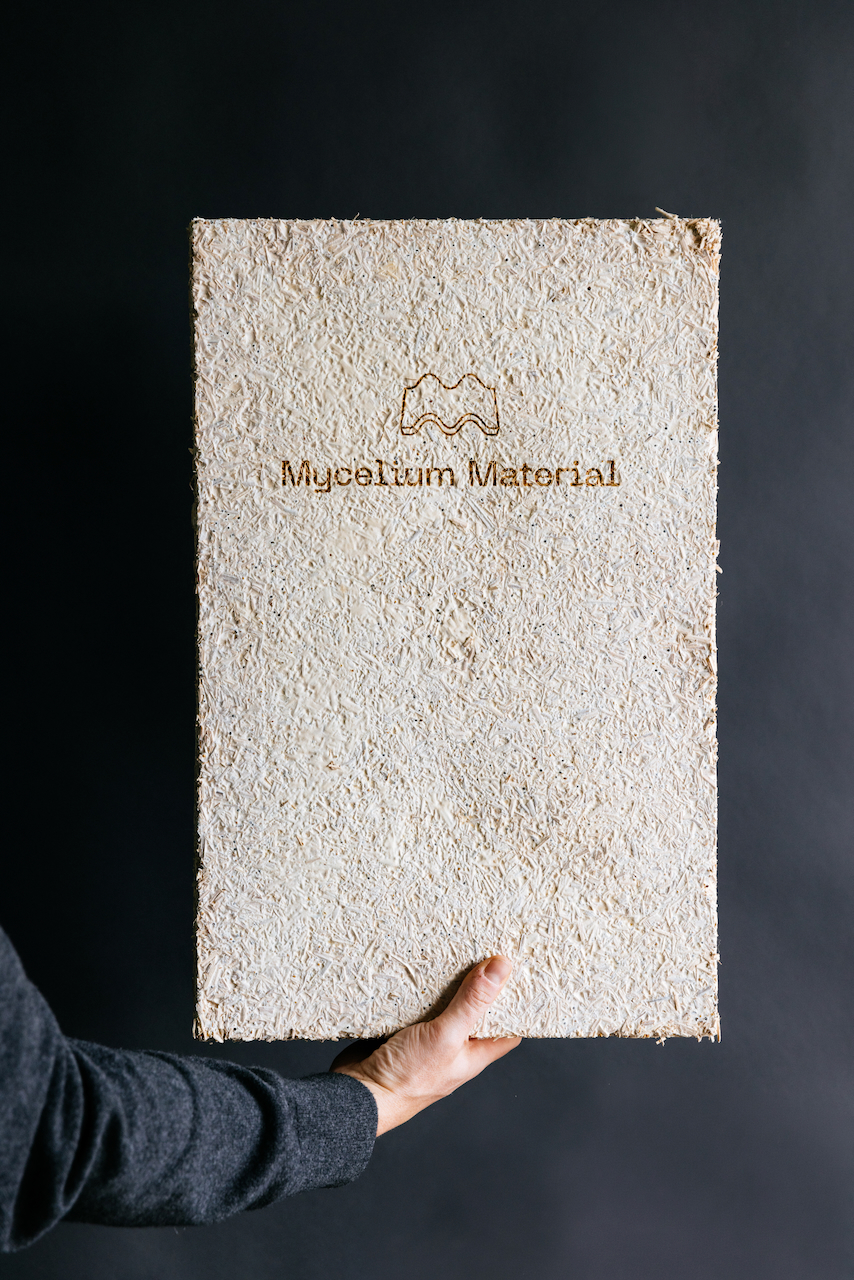
Founded on the belief that materials can be grown rather than manufactured, the company has developed a process that repurposes waste from mushroom cultivation into new sheet materials and formed components. We’ve seen a steady increase in the number of designers taking up the process in recent years, with the word mycelium itself going from dictionary-required to household term in rapid time.
And, as has been widely reported, mycelium is the underground network of fungal threads that binds together forest ecosystems by breaking down organic matter and redistributing nutrients. Rather than treating this biological process as something to imitate, Mycelium Material uses it directly. The company's products are created from spent mushroom substrate and living mycelium, allowing the organism to grow through the waste material and bind it into a solid mass. Once the desired form has been achieved, the growth process is halted, leaving behind a lightweight, fully bio-based material.
The approach transforms what would traditionally be an agricultural waste stream into a new resource. Instead of relying on virgin feedstocks, the company works exclusively with substrate blocks that have already completed their primary role in mushroom production, extending their useful life before they eventually return to the biological cycle.
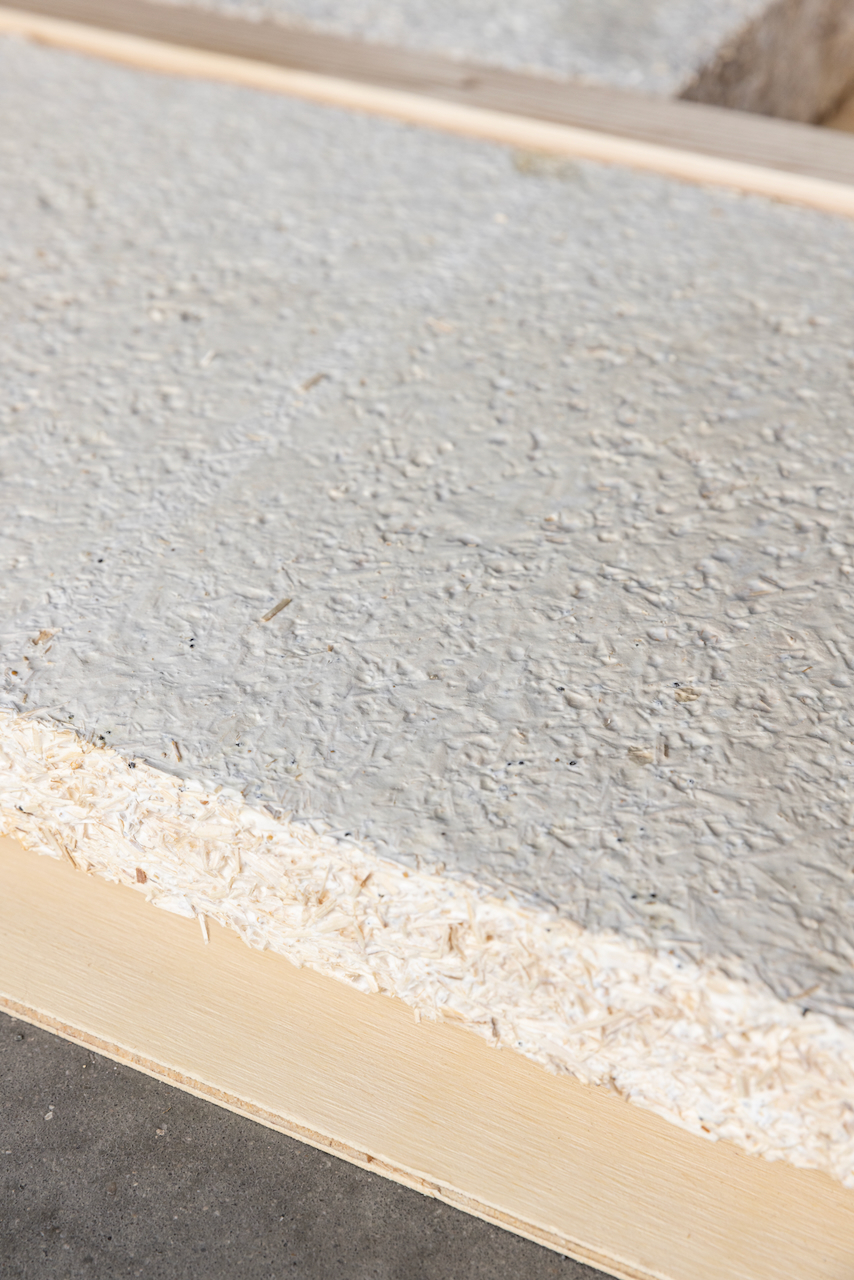
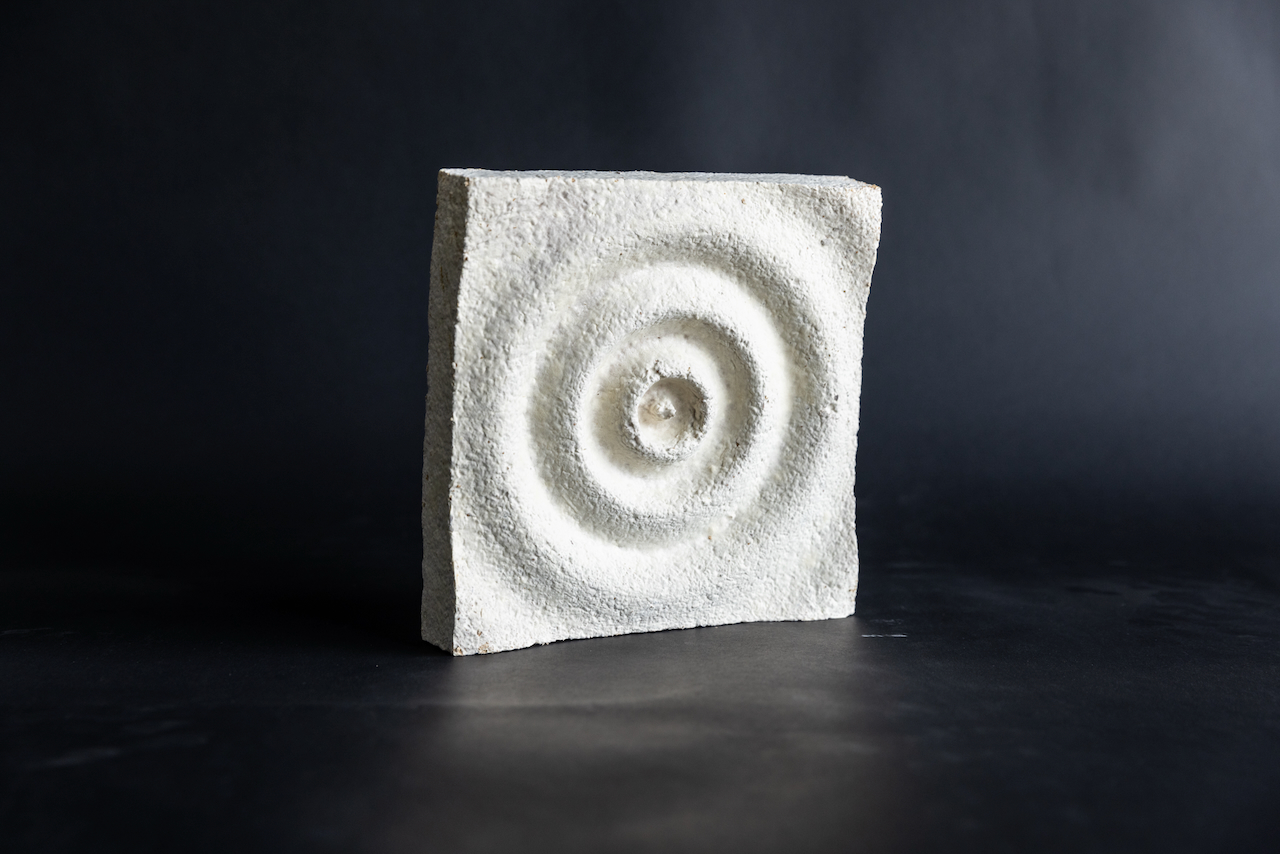
Material research sits at the centre of the practice, and by varying both the substrate and the behaviour of the mycelium itself, different physical characteristics can be achieved, allowing materials to be developed that are rigid, flexible or somewhere in between. Equally, the material has inherent insulatory qualities, making it an ideal environmentally sound choice for keeping buildings warm. And, because the material grows within moulds rather than being machined from larger stock, it can be produced as flat panels or more complex three-dimensional forms.
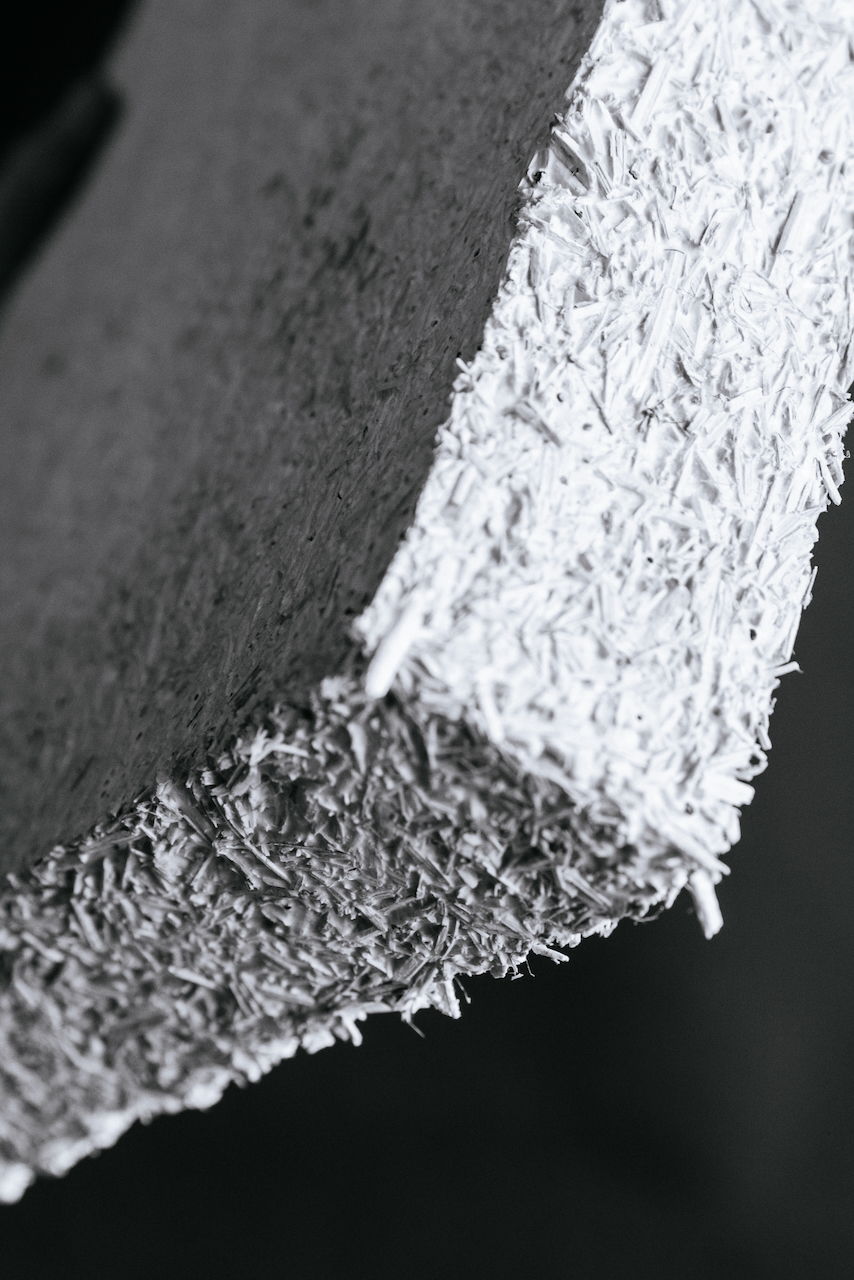
Ultimately, the process challenges conventional ideas of manufacture; rather than shaping an inert material through cutting, pressing or casting, the material effectively assembles itself over time, using biological growth to create structure with relatively low energy input.
Mycelium Material describes its approach as one of symbiosis, drawing parallels between the way fungi exchange nutrients within woodland ecosystems and the collaborative relationships required to build more circular manufacturing systems.