

Surface Spot: Spared Tables

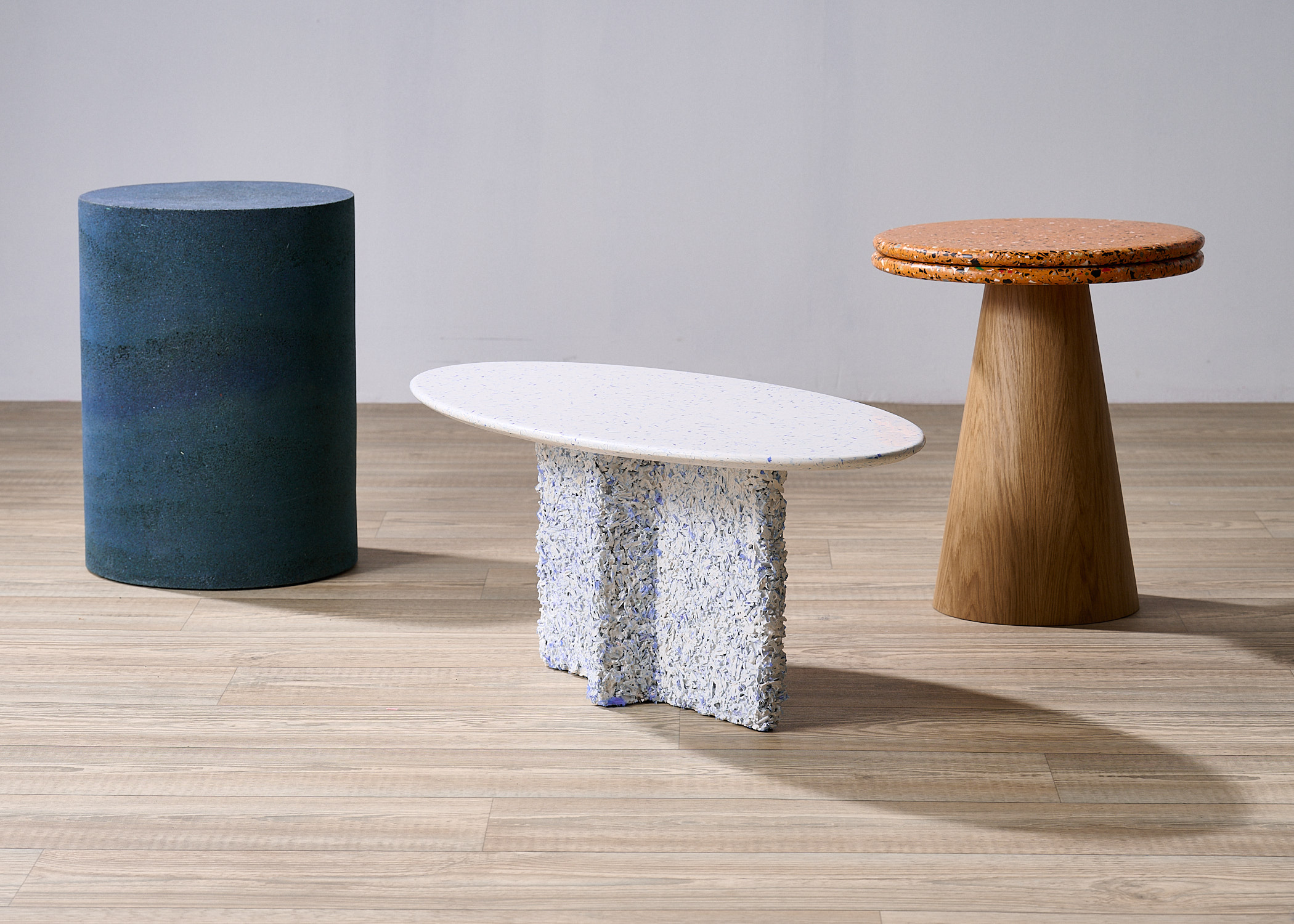
Earlier this year, we looked at how Brighton-based studio Spared was transforming construction and manufacturing waste into bespoke interior surfaces, demonstrating that discarded materials can become both functional and visually compelling. The studio's latest body of work extends that research beyond architectural applications and into furniture, where the material itself remains the primary focus.
Founded by Callie Tedder-Hares and Emma Lally, Spared continues to work with waste streams generated by its clients rather than sourcing virgin materials. Each project begins with what already exists, whether plastic offcuts, timber by-products or industrial waste, before undergoing a process of testing, binding and refinement that produces durable composite surfaces while preserving visible traces of their origins.
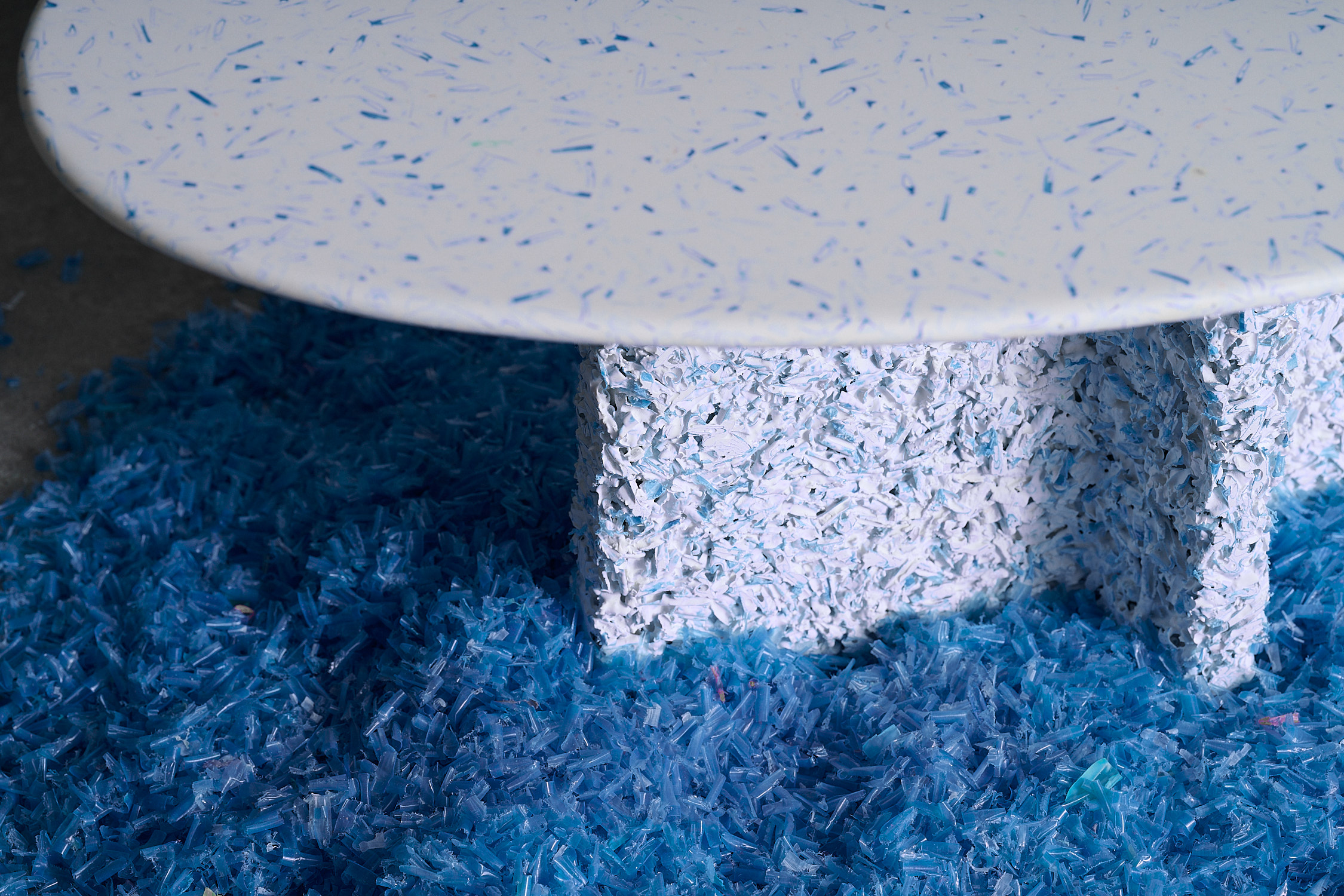
The newest prototypes – Alba, Mira and Daphne – each investigate a different waste stream, demonstrating how materials often overlooked at the end of manufacturing processes can be consolidated into robust furniture with distinctive surface qualities.
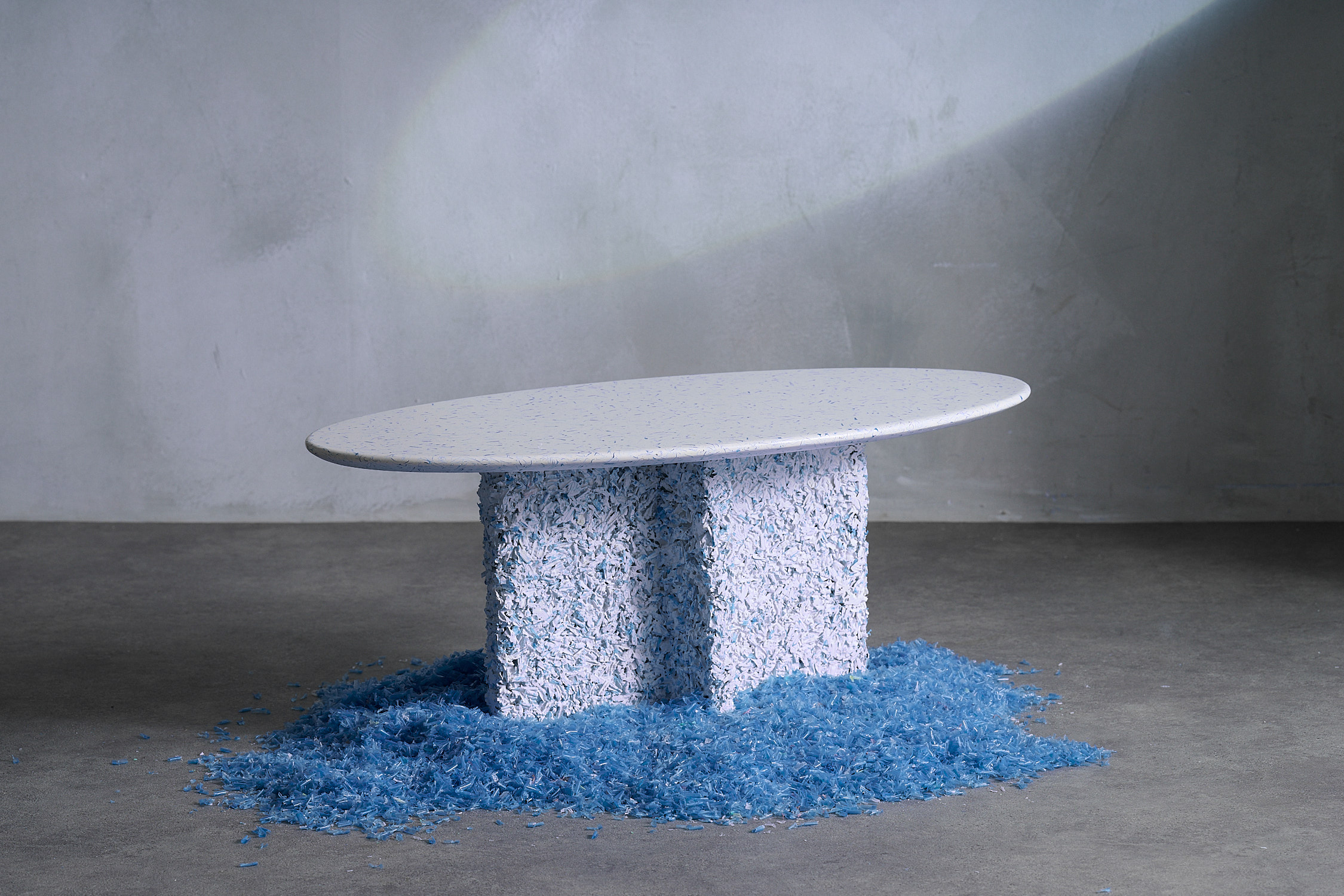
Alba is developed from plastic chopping board waste generated during commercial resurfacing. Rather than masking the material's previous life, the table reveals subtle shifts in colour and layering across its polished top and more textured base, allowing the recycled plastic to retain a sense of its accumulated history while taking on a new level of refinement.
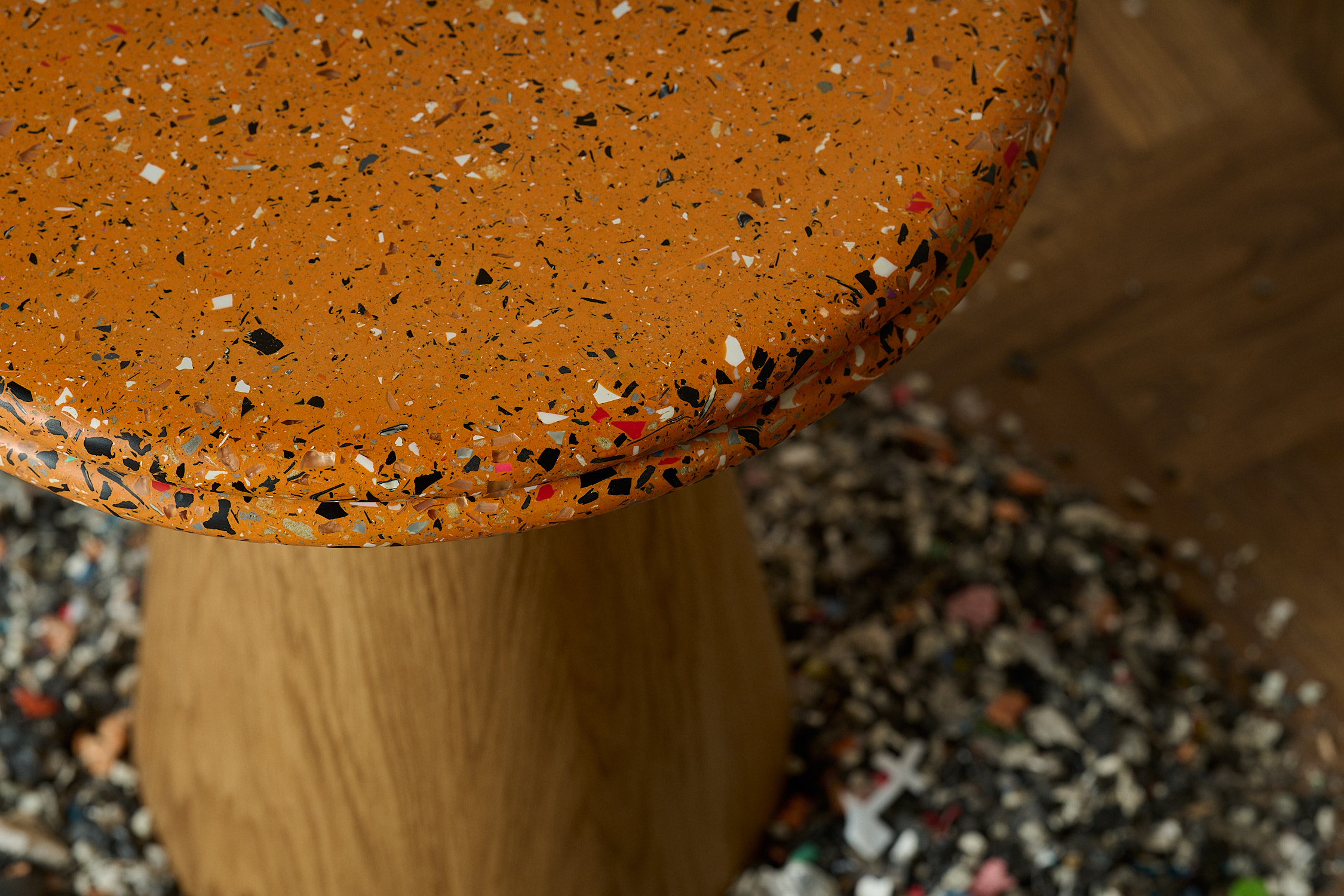
With Mira, the studio turns its attention to production losses from plastic recycling itself. The terrazzo-like tabletop combines fragments of rigid plastics that fall outside conventional recycling streams, producing naturally varied patterns that change depending on the composition of each batch. Paired with an FSC-certified timber base, the piece embraces unpredictability as part of its material identity.
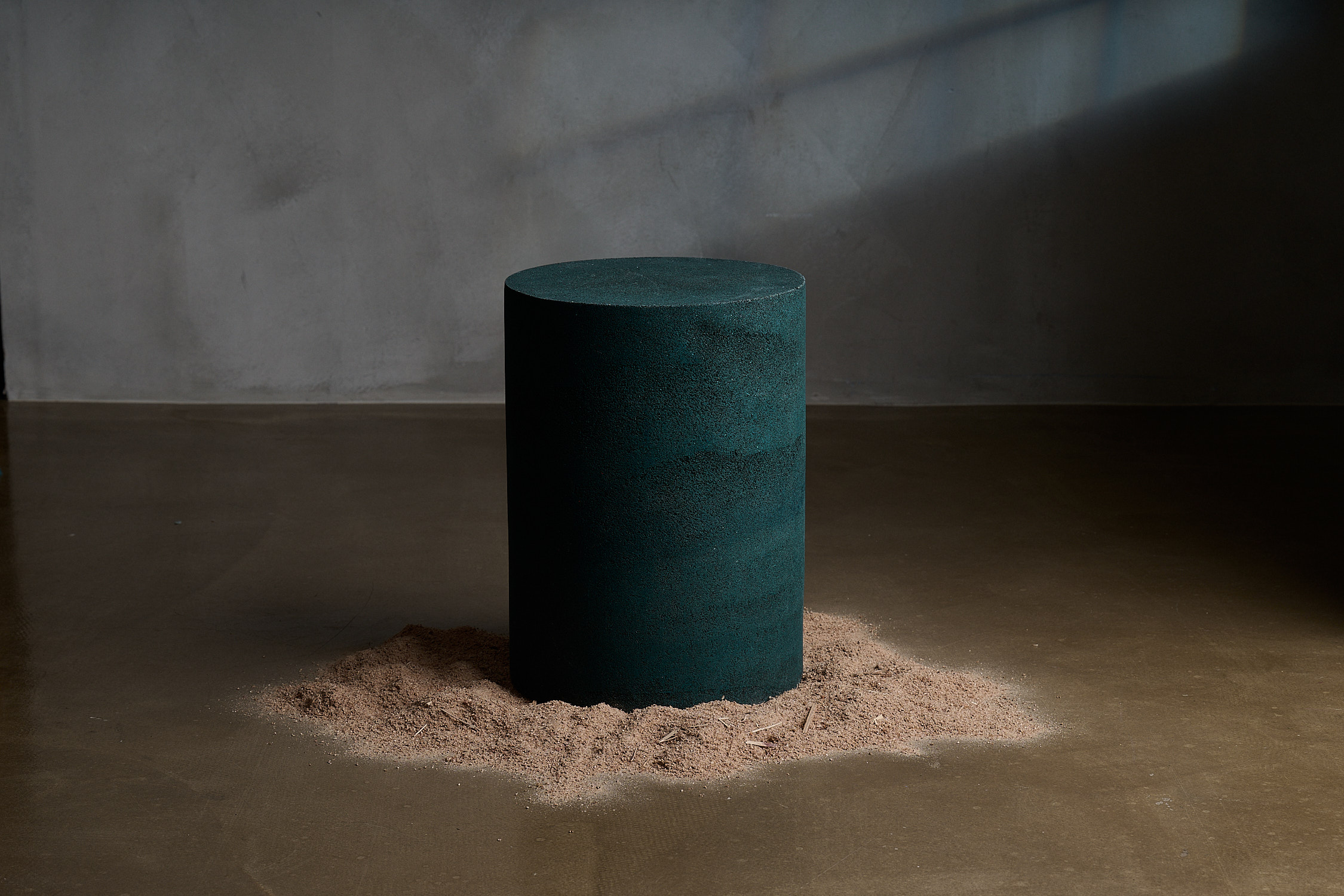
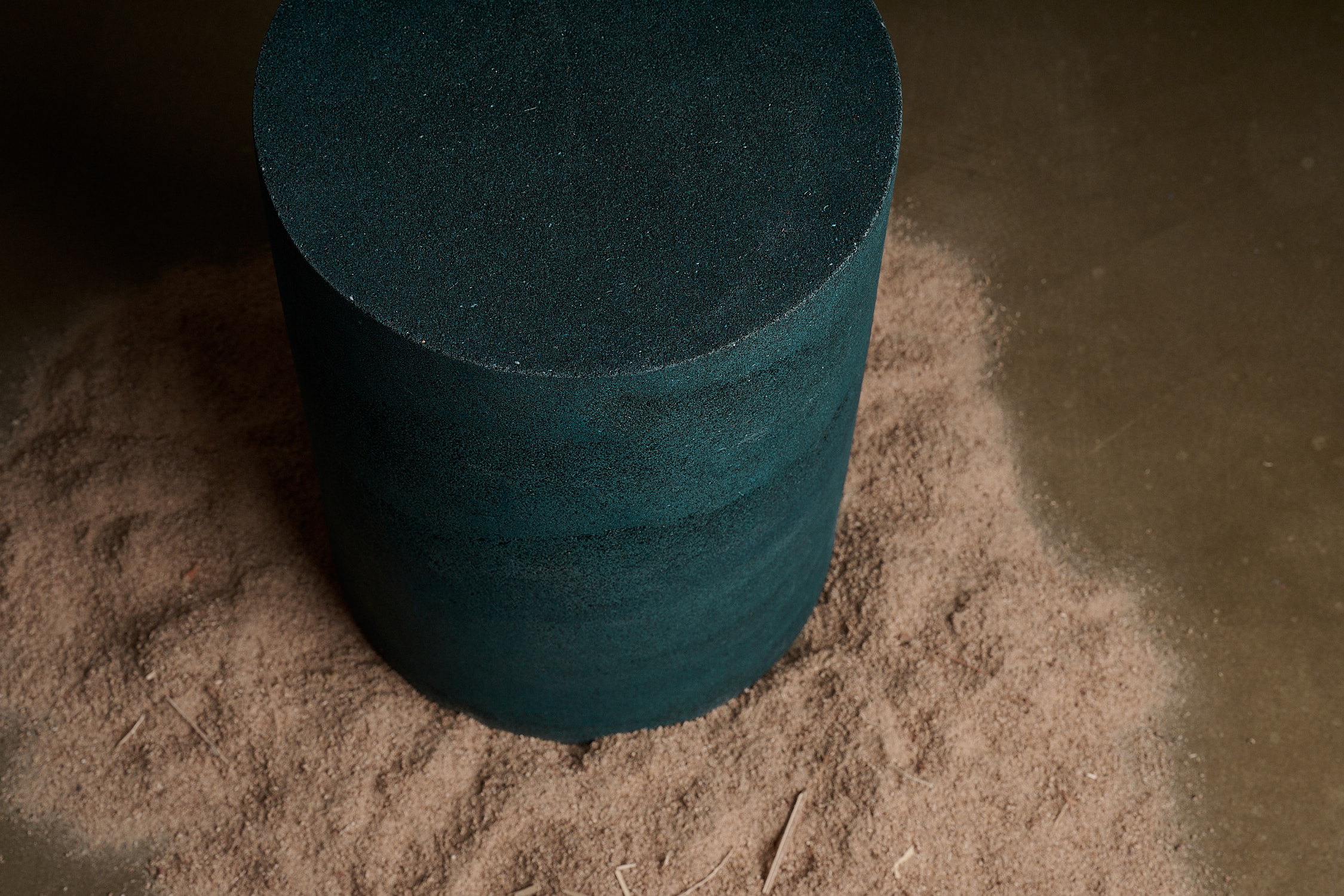
Perhaps the most tactile of the collection is Daphne, which transforms fine birch plywood sawdust generated through CNC machining into a dense composite side table. Instead of being sent for energy recovery, the timber particles are consolidated into a richly textured material that retains much of the warmth and visual softness associated with wood, despite its entirely new form.
Across all three pieces, Spared resists homogenising its materials. Surface variation, particulate texture and colour shifts are preserved rather than engineered out, giving each object an honesty that reflects the character of the waste from which it originated. In doing so, the furniture sits somewhere between material research and collectible design, where the narrative of the material is as important as the object itself.
The collection also reflects a wider movement within contemporary materials practice. Increasingly, designers are looking beyond recycling as a purely technical exercise and towards processes that retain the identity and provenance of waste streams. Rather than concealing previous lives, materials are allowed to communicate them.
For Spared, the aim remains consistent with the philosophy explored in its earlier architectural surfaces: designing with what already exists. The new tables simply broaden that ambition, demonstrating how overlooked industrial by-products can become expressive, durable furniture while expanding the vocabulary of circular material design.