

Surface Spot: Sparing Materials From the Waste Stream

As we continue to report, across the industry, there is a growing shift towards materials that are no longer treated as offcuts or waste streams, but as active resources for construction and finish. Within this space, designers are increasingly working directly with post-consumer and site-derived materials, testing how far residual matter can be refined into functional architectural elements without losing its traceability.
Founded by Callie Tedder-Hares and Emma Lally, Spared operates at the intersection of design, fabrication and material research, working with architects, cultural institutions and brands to reframe discarded material as a viable design resource. At the core of Spared’s practice is a straightforward premise: design with what already exists. Rather than sourcing virgin materials, the studio engages directly with client waste streams, treating them as the starting point for form, finish and function.
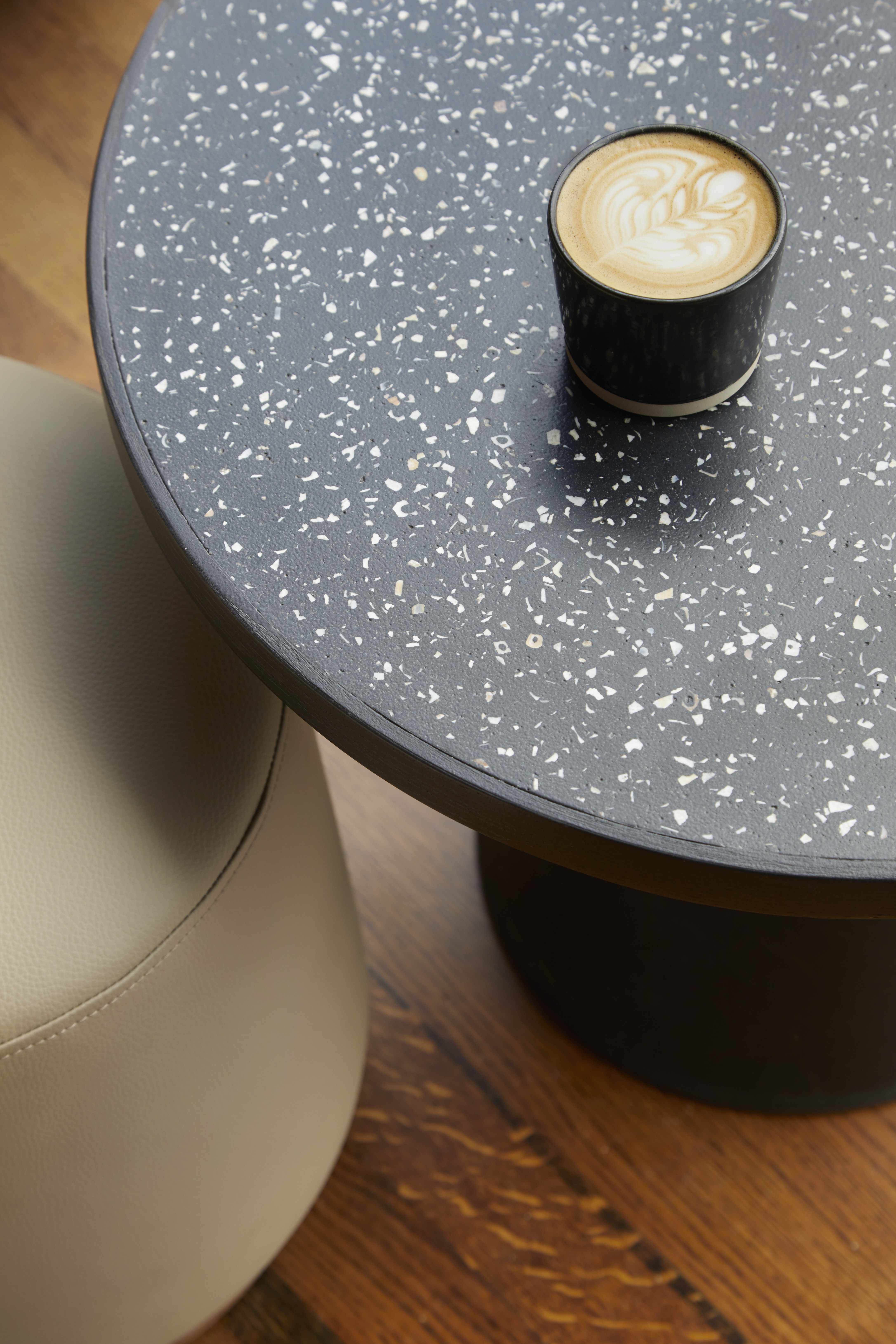
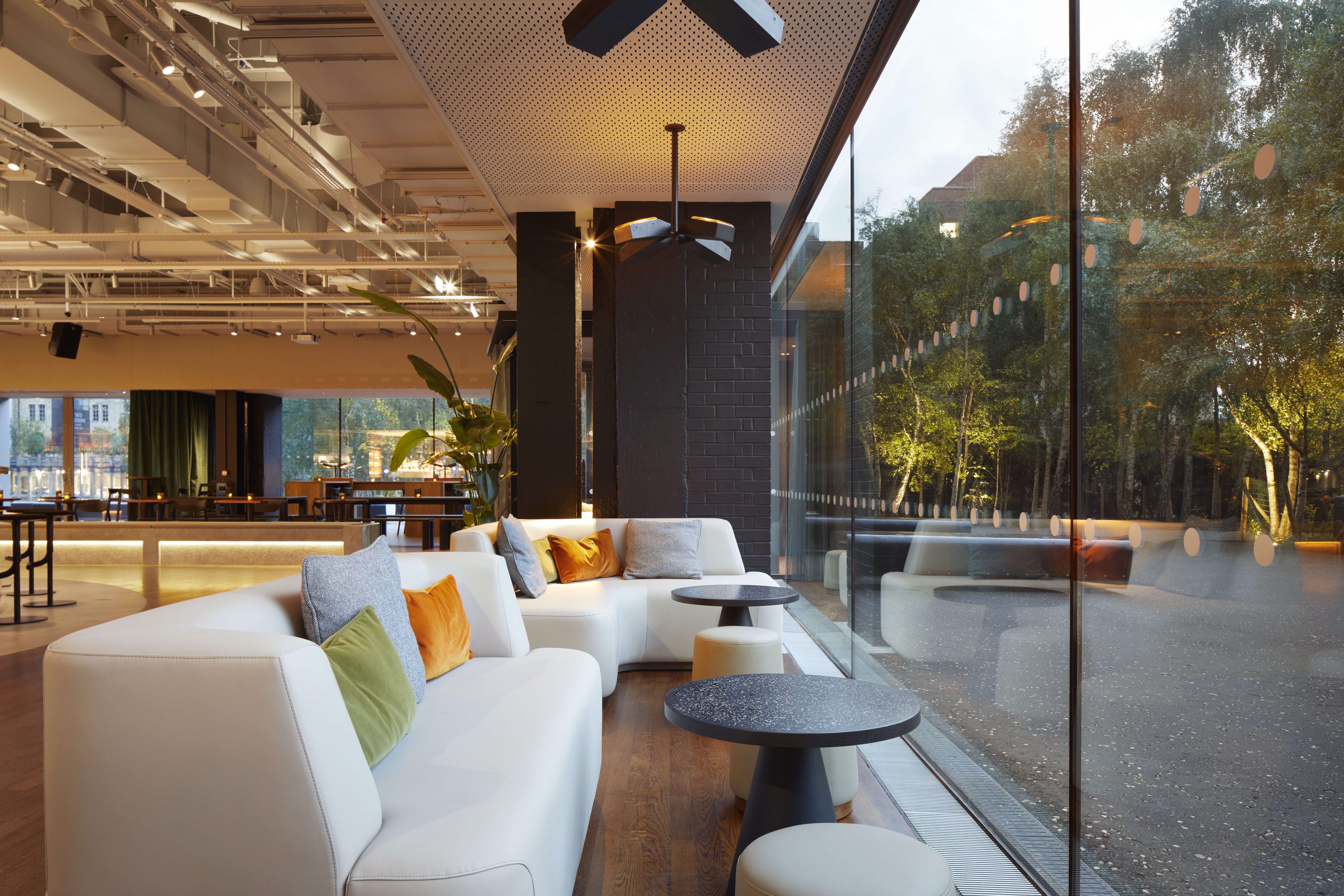
The studio has been particularly busy of late, with a number of projects going live in the last month, many of which debuted during the recent Clerkenwell Design Week. Among them is furniture developed for Tate Modern, produced using coffee waste, where organic residue is stabilised and reconstituted into durable interior components.
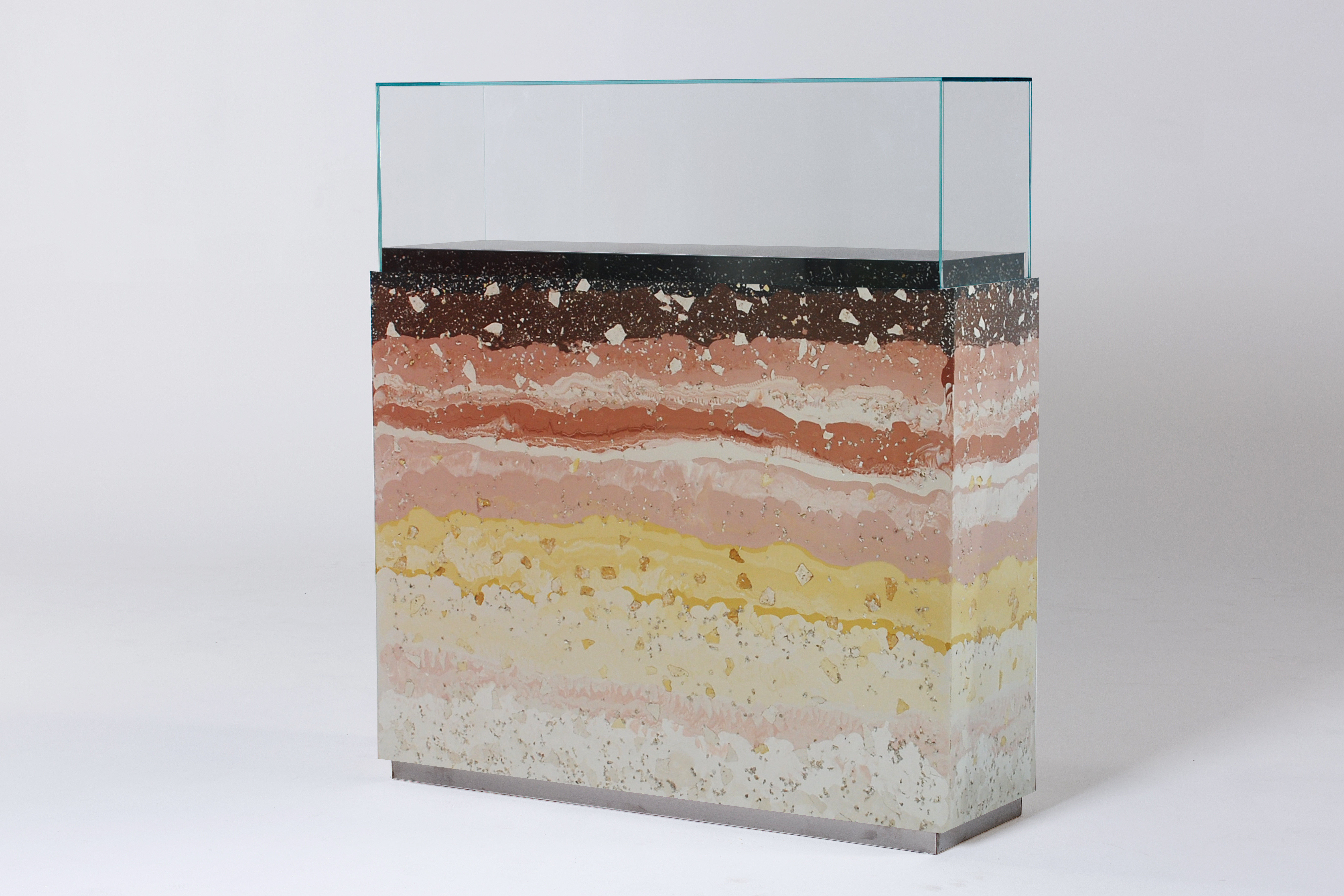
Also on the list are display units for Virgin Voyages, fabricated using salvaged oyster shells, in which layered shell fragments are compressed into a dense, textural surface that retains the tonal variability of the original material.
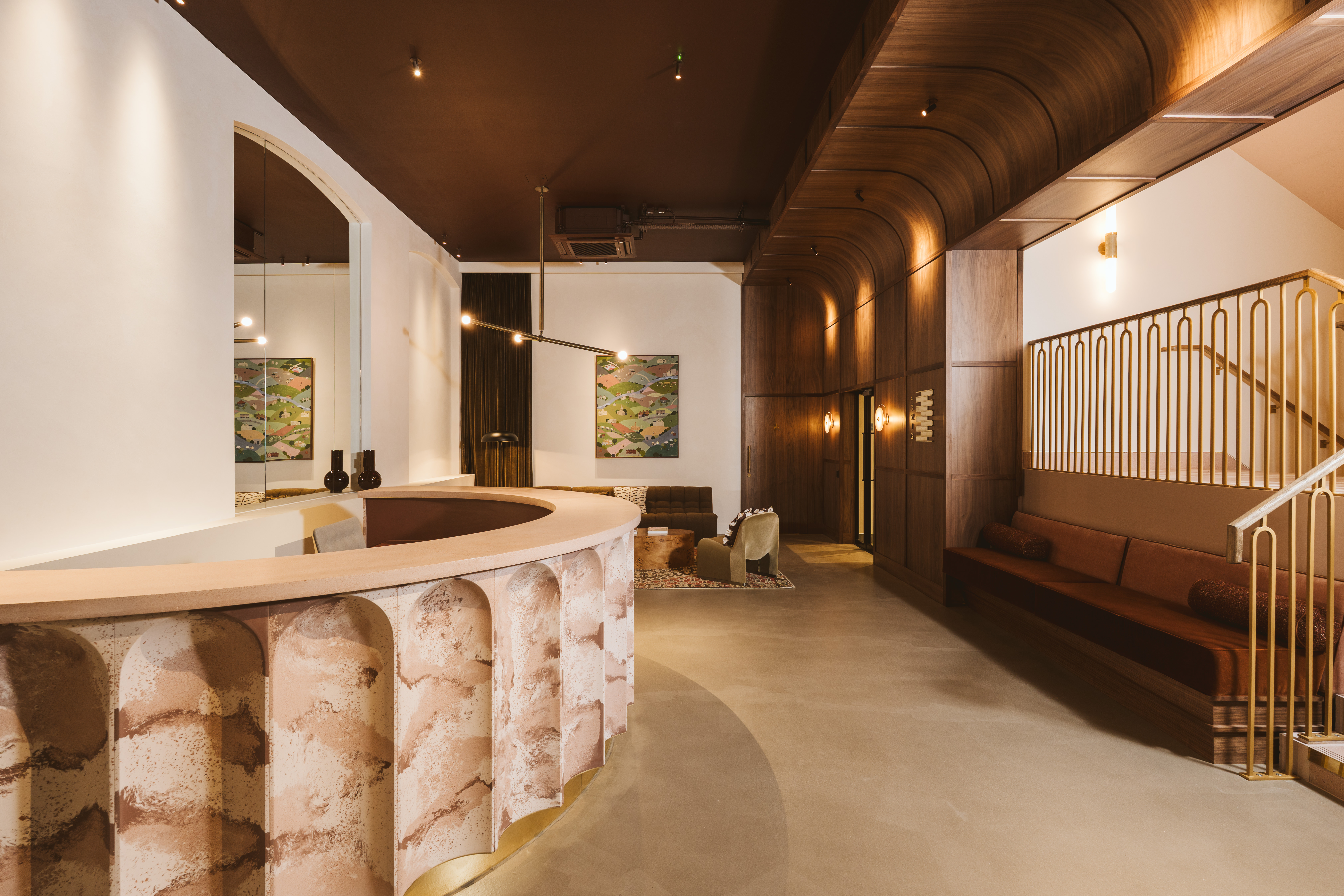
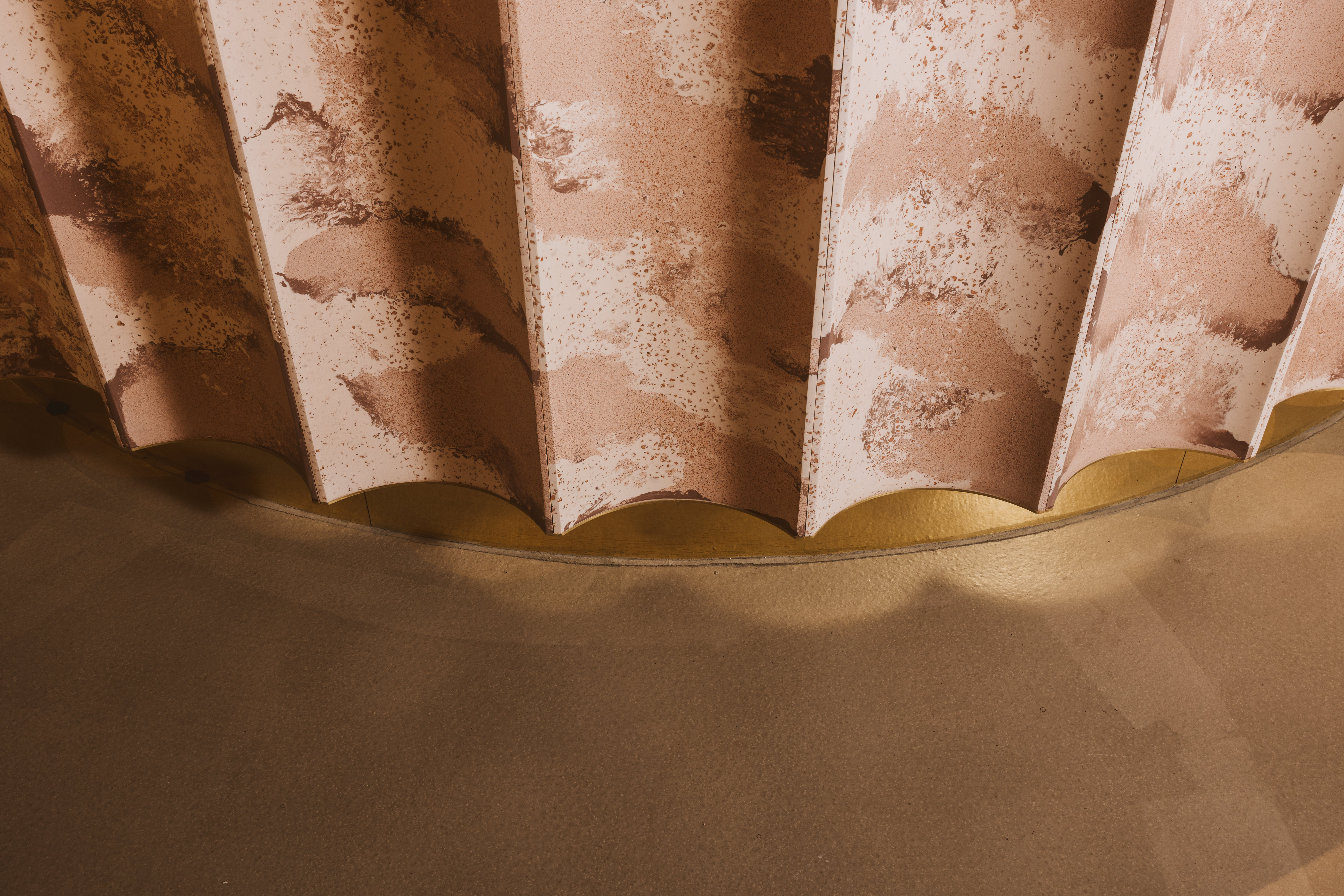
But a permanent installation at The Harrison for Aviva is arguably the jewel in the crown of recent achievements. A prime example of the company’s approach to materiality in the built environment, it is designed to make this process visible. Incorporating approximately 400kg of masonry waste, the newly fitted reception desk transforms crushed and reprocessed stone material that is bound into a stunning new monolithic surface.
These installations frame waste not as an endpoint of consumption but as a material stage with its own design potential. The emphasis is on transformation without concealment: surfaces remain legible, aggregates remain visible, and material origin is never fully abstracted away. Spared offers another refreshing example of how materials are not being simply erased and replaced, but reorganised and stabilised.