

Case Study: Church House, Neil Dusheiko Architects

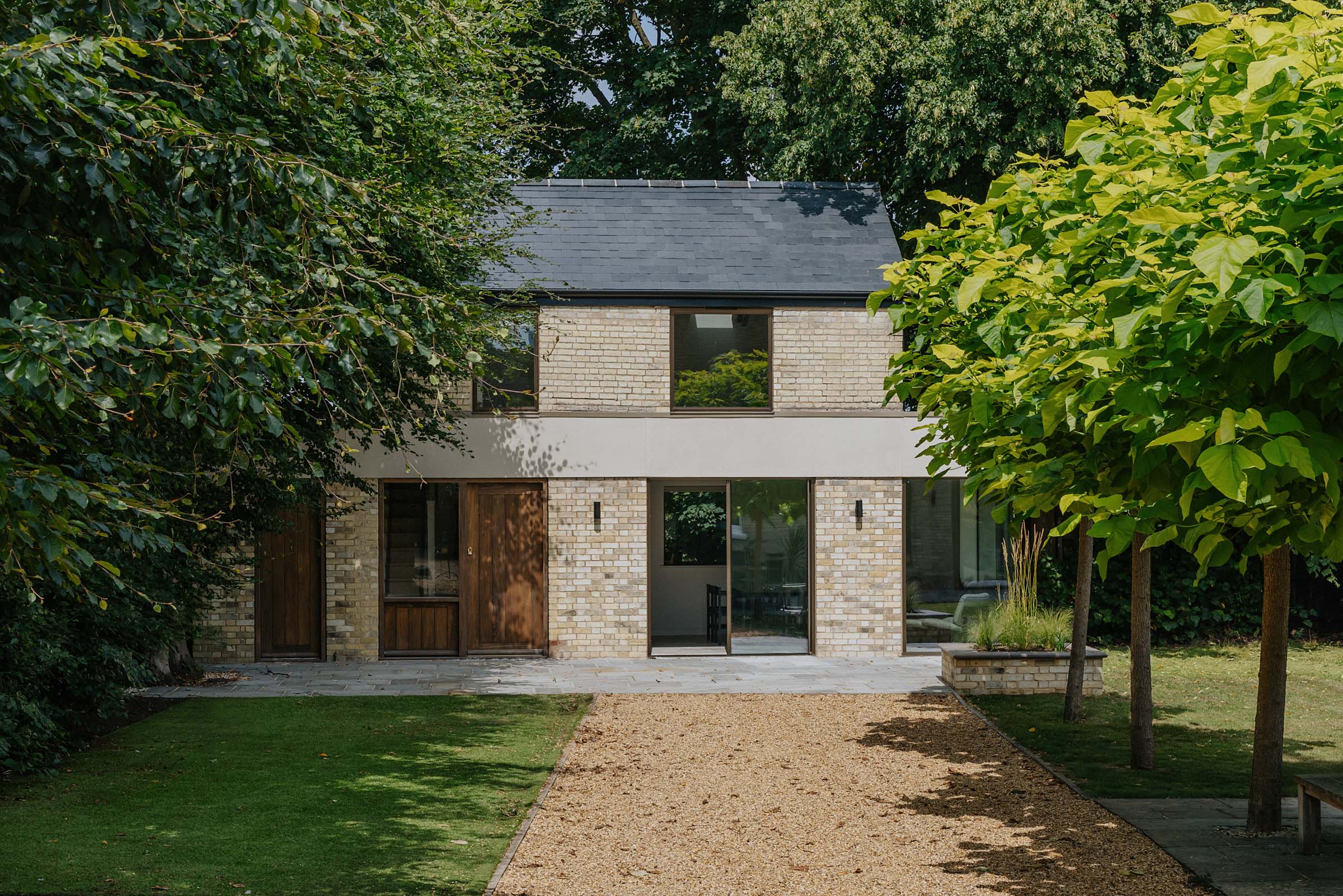
It is often said that there is an innate desire in our species to lay down roots of one kind or another. Houses generally become true homes when there is a deep connection between the building and its inhabitants, as well as its surrounding local heritage and landscape. A sensitive extension and refurbishment of a historic house in South Cambridgeshire demonstrates how contemporary architecture can reinforce these long-established relationships within residential design.
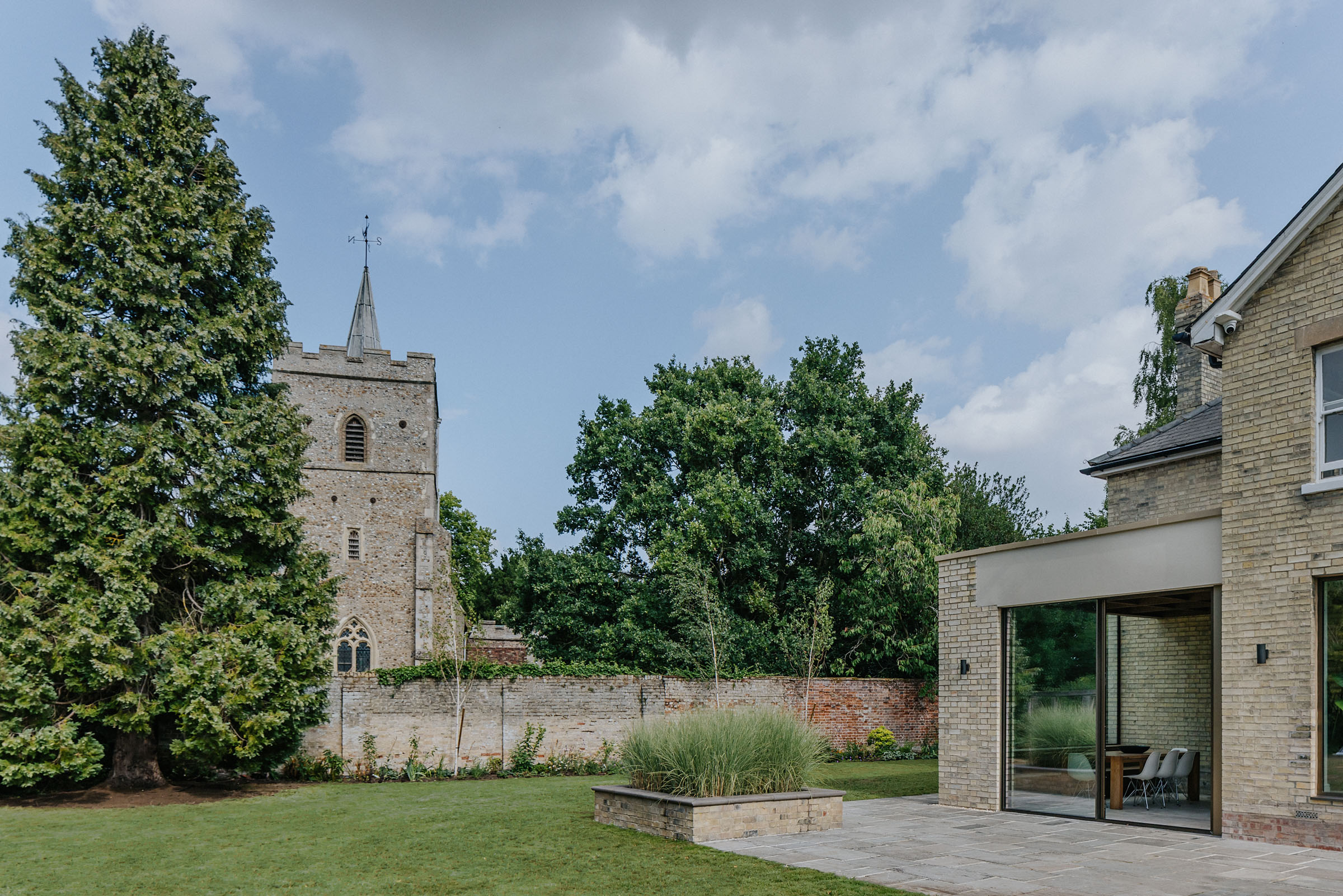
Completed by Neil Dusheiko Architects, Church House sits within a conservation area directly opposite the Grade II* listed All Saints Church. The project reworks both the main residence and its former coach house, strengthening spatial and visual connections between the home, its outbuildings and the historic stone church beyond.
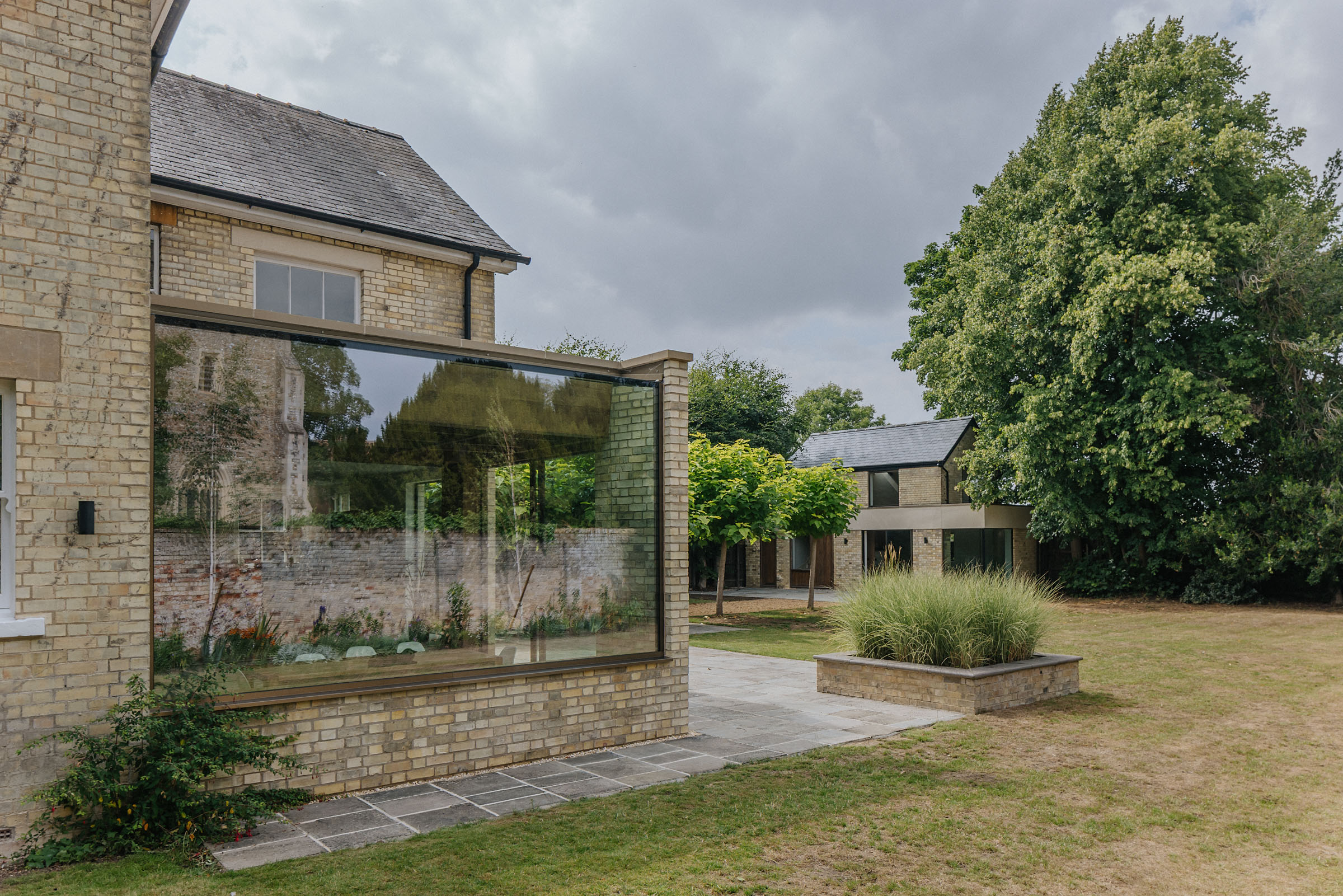
Originally arranged around a more inward-looking plan, the house has been opened towards the garden through a new single-storey rear extension. Rather than alter the formal street elevation, the intervention focuses on the private side of the property, creating a contemporary living space orientated towards views of the church spire, which is now a constant reference point within everyday domestic life.
The clients, Susannah and Jonathan Manning, who both work in fashion, were pivoting from London life and seeking a long-term family home for them and their three teenage children. Manning’s early exposure to historic architecture, shaped by her father’s work as an architectural historian, informed a design brief rooted in continuity rather than contrast, with a deep desire for a connection to place and memory.
Material selection plays a central role in anchoring the new work within its surroundings. Yellow Cambridge stock brick and flint roofing references the textures and tonal qualities found across the village and church fabric, allowing the extension to sit comfortably within the historic context while maintaining a clearly contemporary expression.
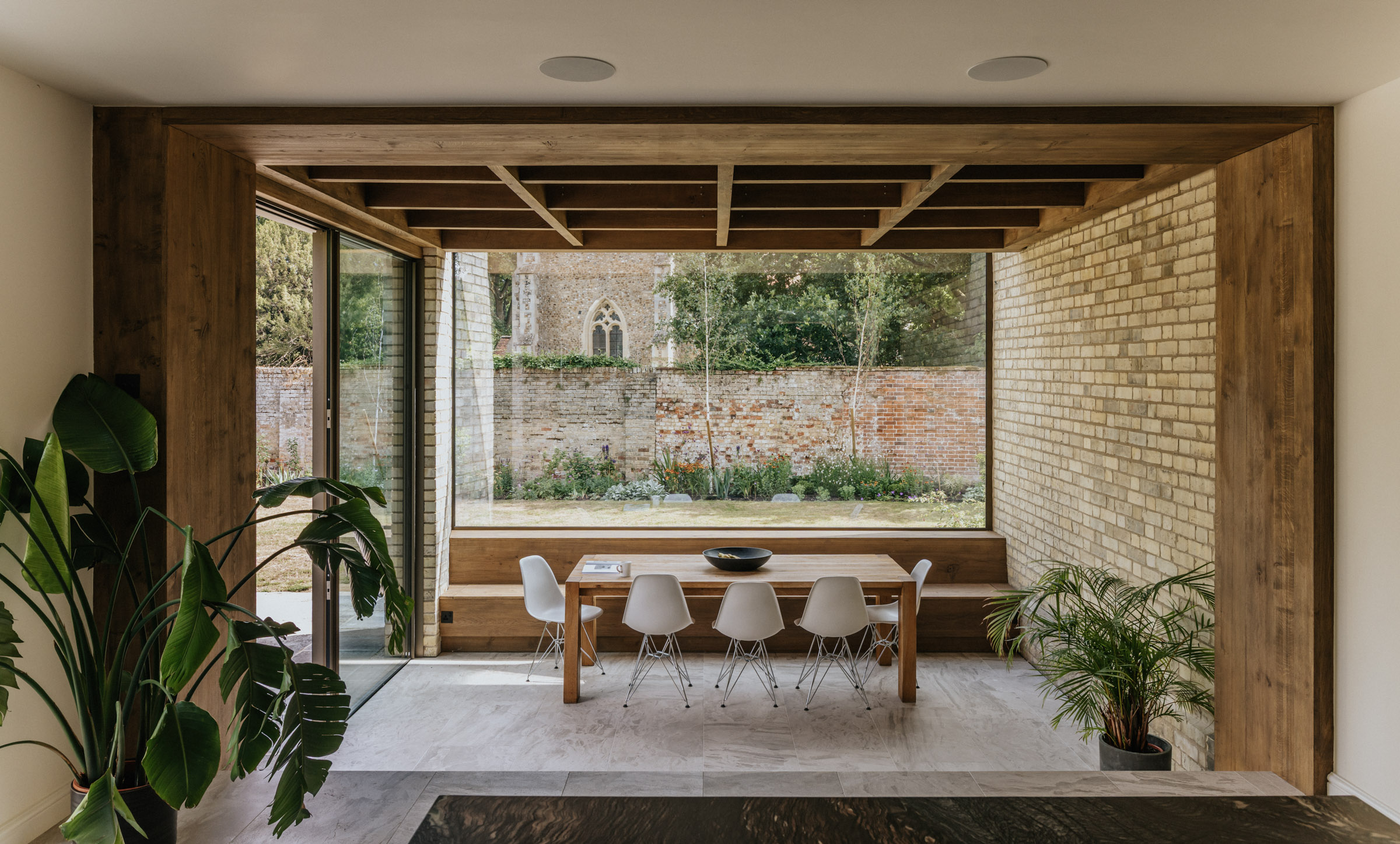
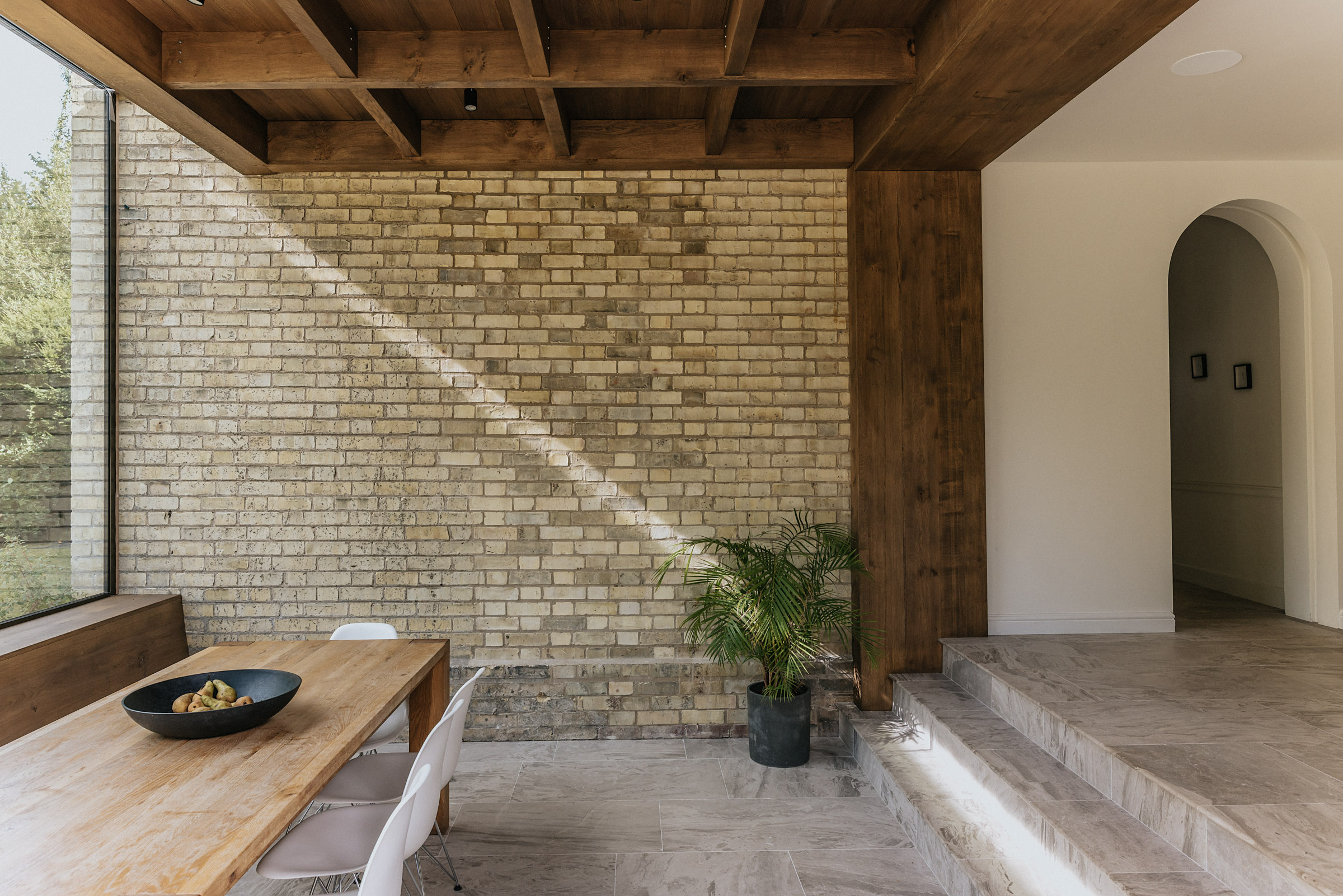
Inside, the ground floor has been reorganised to establish a clearer spatial sequence from entrance to garden. A relocated WC frees the entrance hall to operate as a central circulation spine, while kitchen, pantry and dining areas are combined into a single open volume defined by proportion and controlled sightlines. Large-format glazing draws daylight deep into the plan, while a subtly lowered floor level aligns interior and garden without compromising privacy from the neighbouring churchyard.
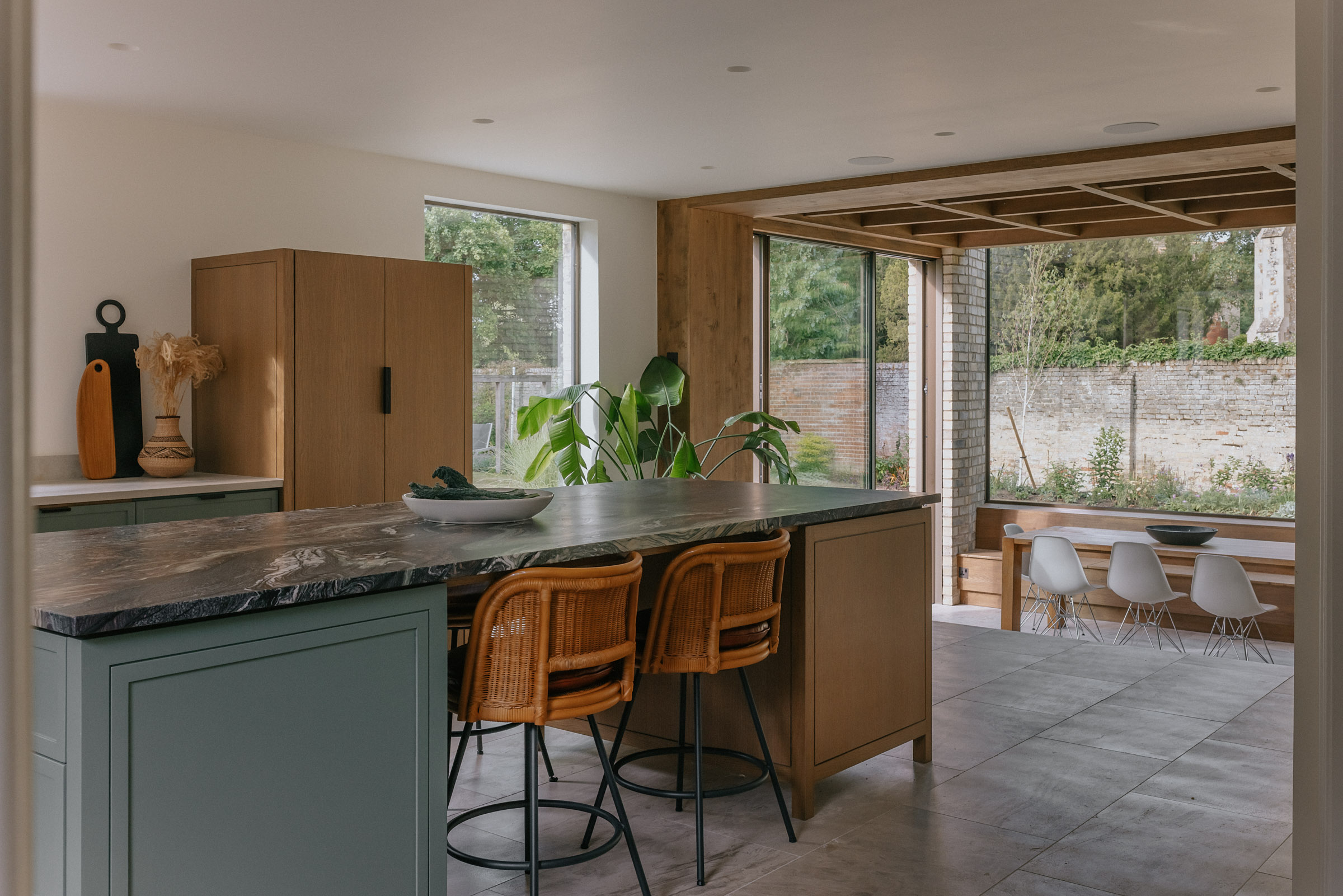
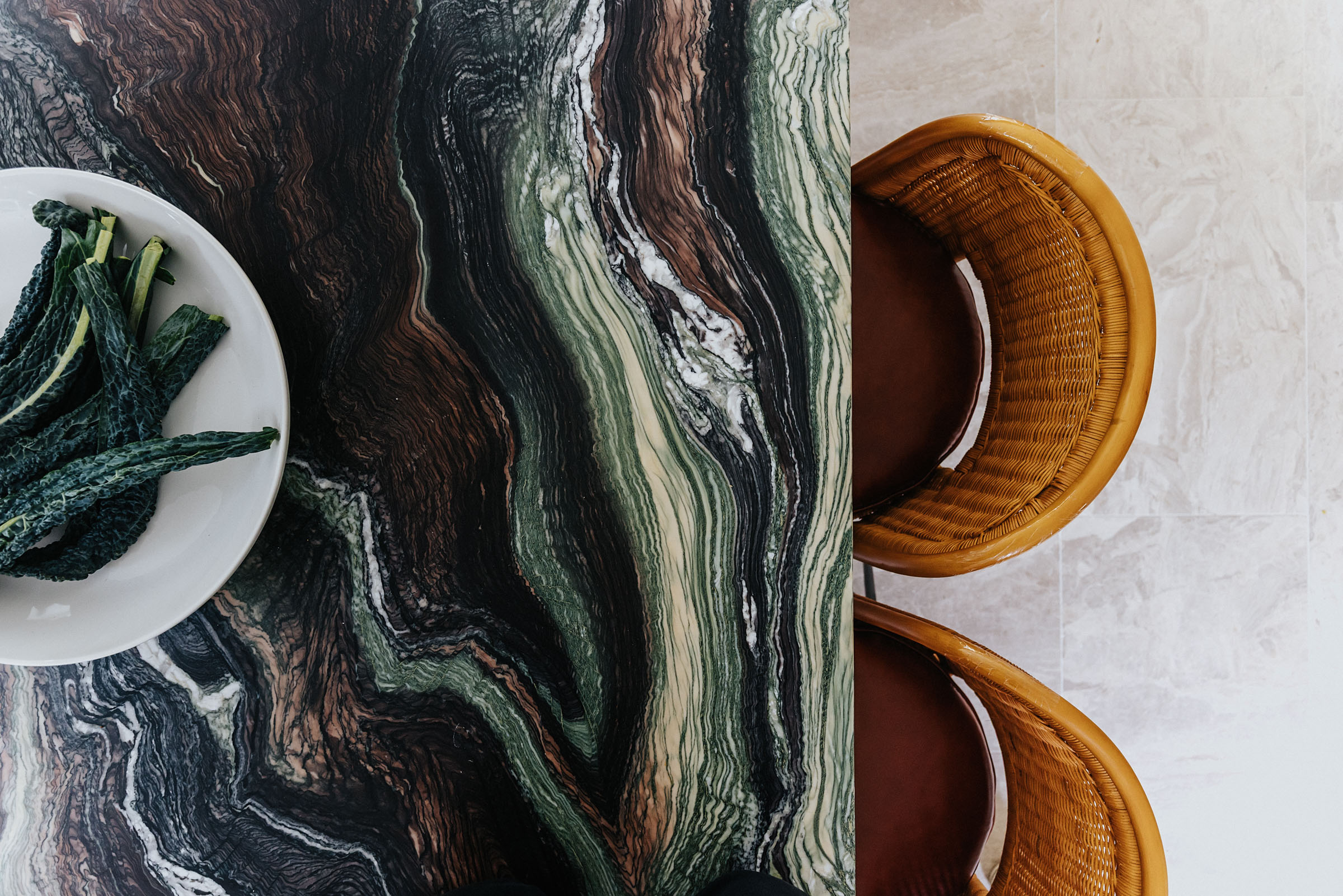
Architectural references to ecclesiastical space feature, although through the structure itself, rather than mere decoration. Exposed rafters and a measured ceiling rhythm echo the spatial order of a church nave and nearby outbuildings, and are translated into a domestic scale. Materials including reclaimed brick, oak joinery, brass fittings and handmade lighting reinforce a restrained palette focused on longevity and tactility. Upstairs, interventions remain deliberately light-touch, retaining original sash windows and cornices while introducing a new ensuite to the main bedroom.
At the end of the garden, the former coach house has been transformed from storage building into flexible family accommodation. A deteriorated lean-to has been replaced with a timber extension incorporating full-height glazing, an oriel window and a green roof. Its form establishes a quiet dialogue between old and new structures, visually linking coach house, main extension and church into a cohesive architectural composition.
The result is a contemporary family home that sensitively interweaves itself into its historic village setting, and looks set to be a well-loved space for a long time to come.