

Interview: Julian Mills, STUDIO/gather

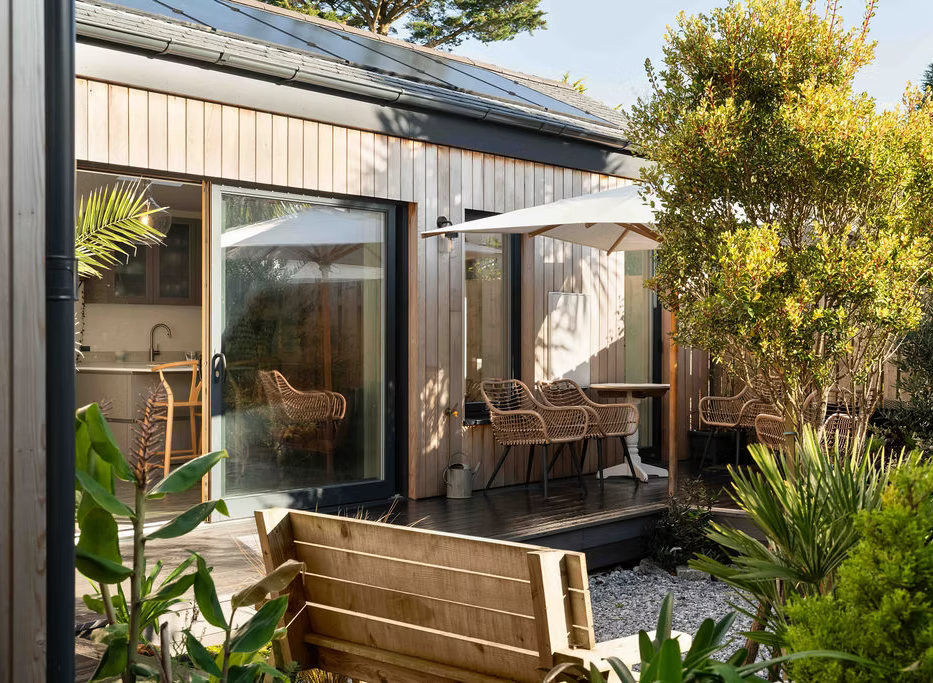
As we continue to report on how the construction industry is taking action in reducing its carbon emissions, we turn our attention to a practice that specialises in retrofit and Passivhaus buildings.
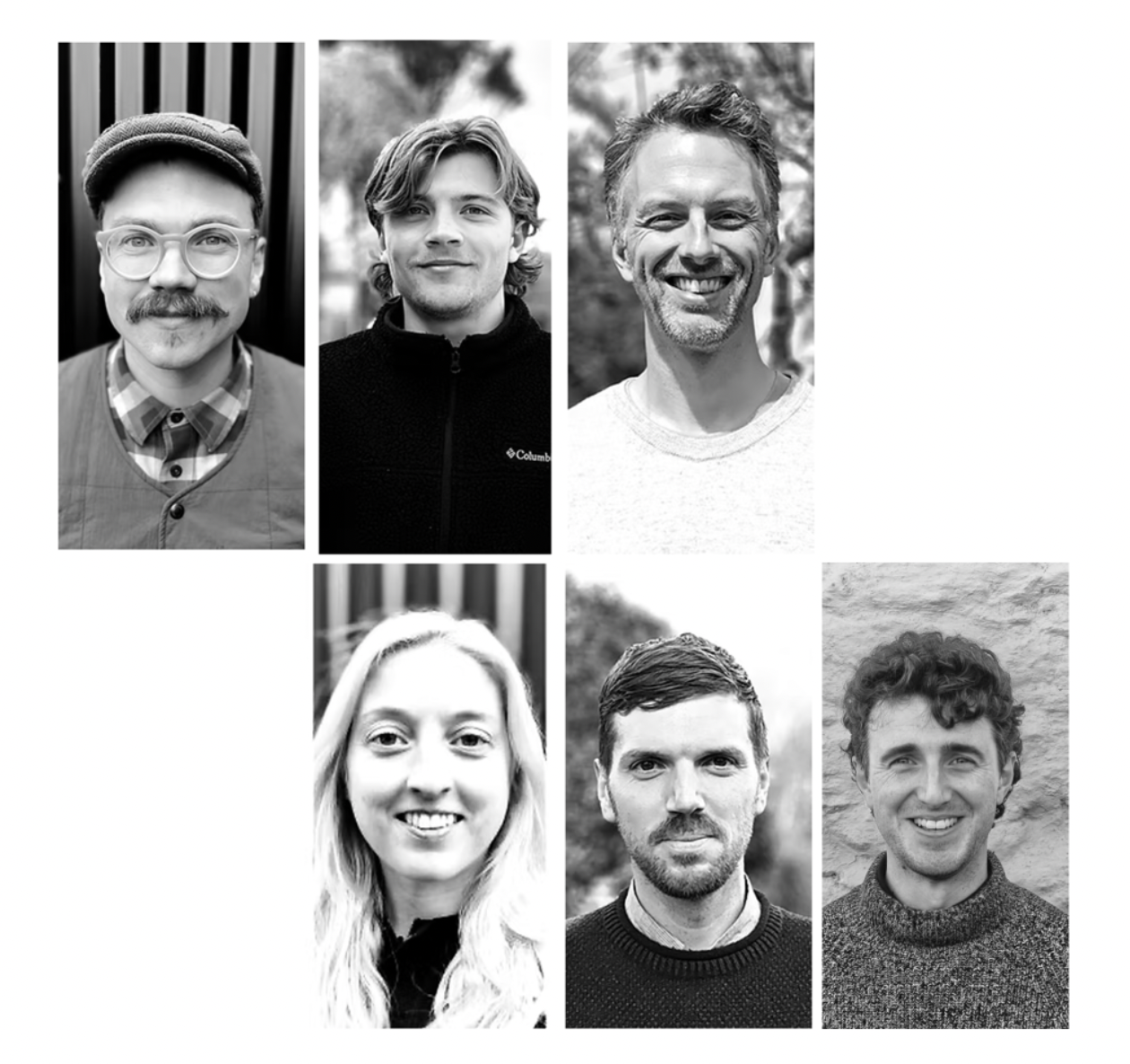
STUDIO/gather is a sustainability-led architecture practice whose work is shaped by environmental responsibility, bespoke design and a strong sense of place. Established by architect Julian Mills shortly after the pandemic and now based by the sea in Cornwall, the studio has grown into a six-strong team delivering carefully crafted residential projects for creatively driven clients who share a commitment to a positive, low-impact future. With roots in alternative technology, sustainable practice and long-form architectural experience, Studio Gather brings material intelligence, collaboration and environmental thinking to the forefront of every project.
SS: As a practice, you work with both retrofit and new build, although it’s noticeable that with both approaches, the performance of the building is central to your thinking. Can you give some insight into how you approach retrofit projects?
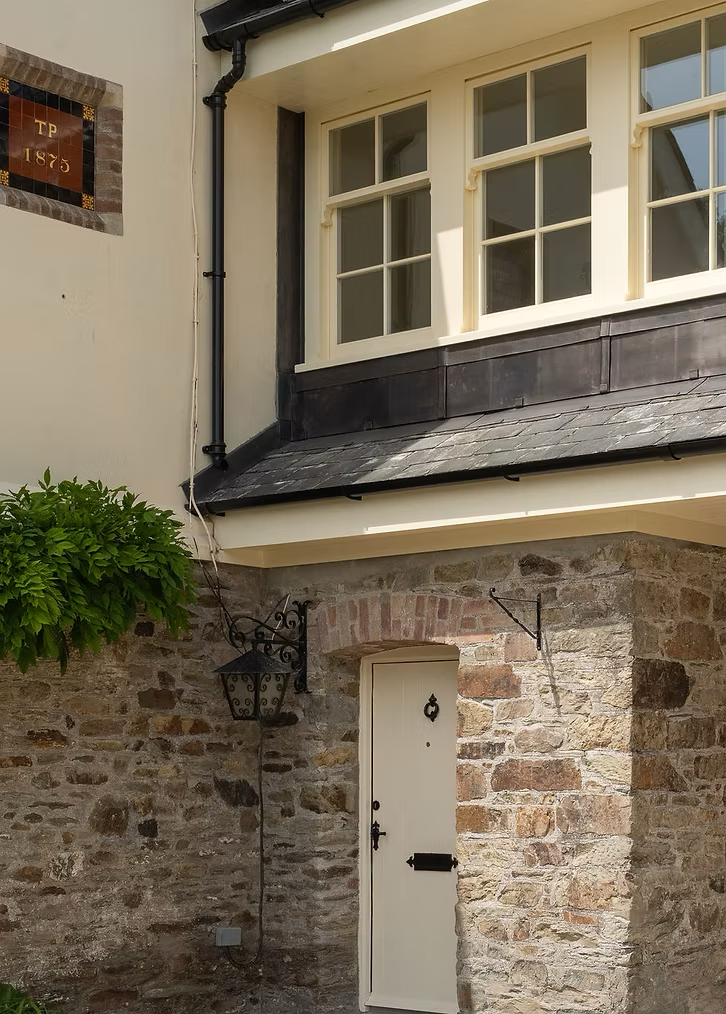
JM: Each retrofit is different, as generally, no two older properties are built the same. Getting to know the ins and outs of how it's been constructed in all parts is key. A solid floor needs to be dealt with differently from a suspended floor, and likewise a solid stone wall to a brick cavity. If we can, we like to get stuck into some intrusive work to properly investigate what's going on. It's also key to speak to the clients and know how the building reacts during the seasons – is it super hot in the summer and really cold in the winter, are there areas where damp seems to appear seasonally, do they notice any spikes in their energy bills? If we can get a good view of how the building is put together, we often model the building in a software know as PHPP (PassivHaus Planning Pack), which will start to indicate the building's current performance and how upgrades will make a real difference. Obviously, the brief is also key in retrofits – can we look at the wants and needs of the clients and balance addition with upgrade? Not all the money needs to go into new if we can make an old space light, bright and warm.
SS: How does this differ from your approach to new builds? Can you give some more insight into your Passivhaus approach?
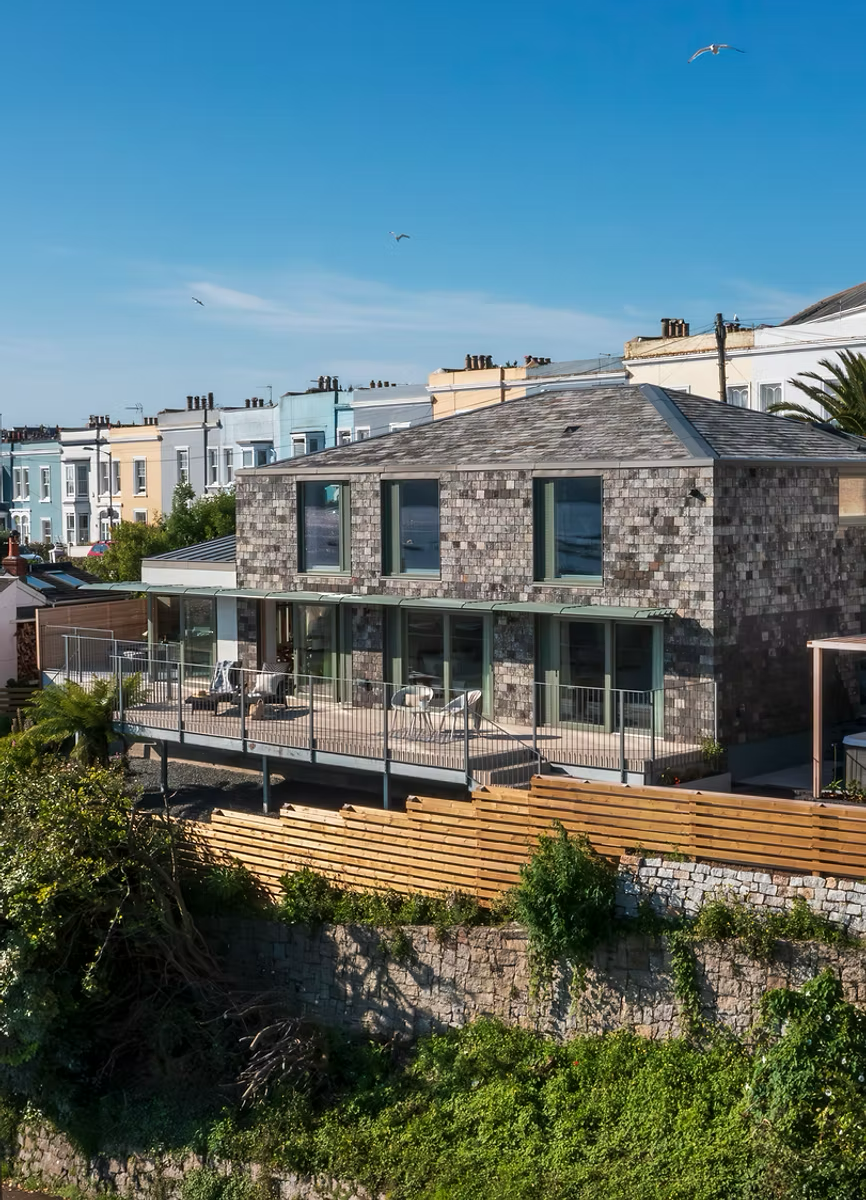
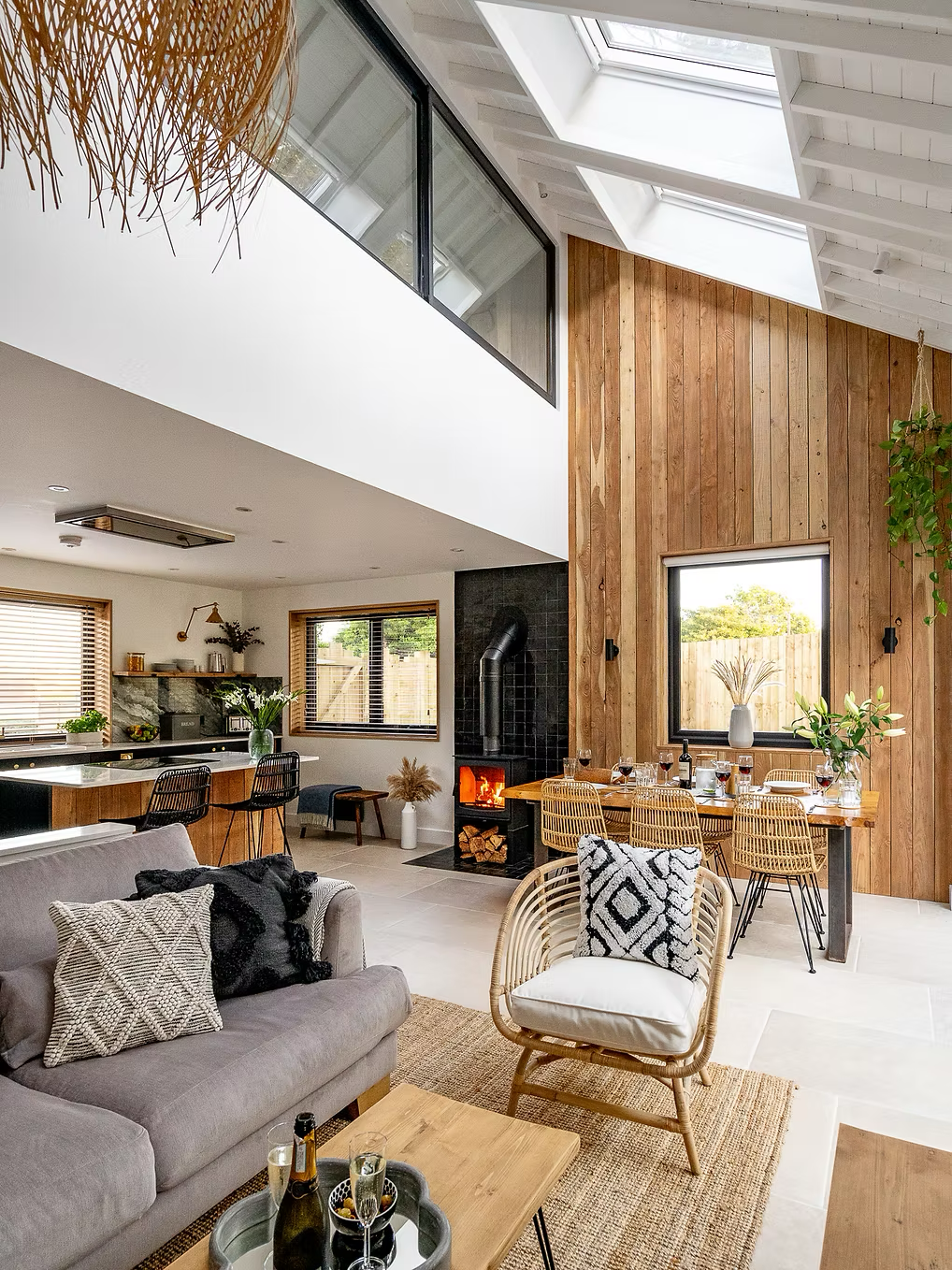
JM: New build is fairly similar in a way, but we will know from the get-go that we can construct well-performing floors, walls and roofs. Having tried and tested systems that we use time and time again is really handy. It means we can pretty much guarantee the performance of a building of any shape and size with some small adjustments to the level of insulation. Testing the design throughout with RIBA works stages using the PHPP is critical in meeting Passivhaus, including with new builds. More often than not in the South West, the best views are facing, you guess it, South West. As such, clients want lots of glazing facing in that direction. Great for the views, not so much for overheating. So, making sure you manage this with shading or first-floor balconies, etc., means the building remains within the limits of PassivHaus, and also for client comfort during use. It can be quite easy to assume ‘PassivHaus principles’ will create a well-performing building, but these principles, if not analysed, can lead to a super hot building that then needs cooling – it flips the whole issue on its head and you end up spending lots on energy bills to keep the building cool rather than warm. We have found that clients are often really interested in the nitty-gritty of the numbers and we can spend a good amount of time in the Excel software making small incremental changes to find the sweet spot. You certainly have to love and be comfortable with an Excel spreadsheet in our line of work!
SS: It’s always excited to hear designers talk about collaboration, and it feels like your clients are your most important collaborators. How does this relationship work, and how receptive do you find they are when it comes to your sustainability ethos in particular?
JM: We always kick projects off with a feasibility report. This allows clients to dip their toes into basically the whole process leading up to planning. But getting some quick ideas of layout, design vision, costs and performance on paper means everyone is across how the project will play out. Using hand sketching is also a good way to keep clients on the collaborative side, as everyone feels quite accustomed to scribbling over scribbles. Being handed a full, bold-lined CAD drawing can be quite overwhelming, especially in the early days, so keeping things simple puts the big questions on the table upfront and allows us all to discuss. We also work fully in 3D and offer the 3D model out for clients to ‘float round’. This means they can see the spaces, see how they work throughout the day, and come back to us with their thoughts. This keeps the creative process very open book and means they are fully involved in how it evolves. They get less of a final presentation and more of a ‘this is our thinking, we would love your input’. As I say, tackling the big questions early on is key, especially when thinking about sustainability. There is no cheap silver bullet, so making sure you talk about what the compromises might be, the trade-offs to allow you to have a zero running cost house early on, is a great way to lock in the ethos.
SS: It would be great to hear more about your other collaborations - how do you work as a team? And how do you bring in contractors and tradespeople? Again, how receptive are they to your ethos?
JM: Our office is a studio environment, and although we offer flexible working, a lot of the team prefer to be in, as it’s a very pleasant place to get on with work. Being all in one room means you can overhear and oversee what each other is working on. This offers great cross-pollination between schemes and means each project has much more than just ‘the one person’ working on it. We also have a structural engineer renting a desk space, meaning it's super quick to bounce ideas around beyond those of the pure architecture. In terms of contractors, we generally work with the same pool of contractors time and time again. Growing this professional relationship means everyone gets to know how the other works and what they expect. They know our drawing style, which has been commended for the level of detail, and we know their quality control onsite and overall craft. This gives us all confidence that the project will go off well. They work with us, like we work with them, because we want to offer the best service to our clients and ultimately produce wonderful low-energy architecture that will be something we are all proud of. This synergy has led us to new work together through word of mouth, which further solidifies the bond.
Collaboration is key in all aspects; there are plenty of horror stories of projects not going well, and when you dig down into them, it’s often due to the parties fighting against each other rather than seeing it as an opportunity to work together. Life in construction is much sweeter as collaborators. One of our clients called it ‘your ecosystem’. Ecosystems work where there are dynamic interconnections with exchanging energies. I guess what he was trying to say was work with those who work well, and the system will remain positive. So far, so good with us, and the phrase has stuck with me since.
SS: Materiality is clearly an important part of your practice, so it would be interesting to discover more about how you select palettes for projects.
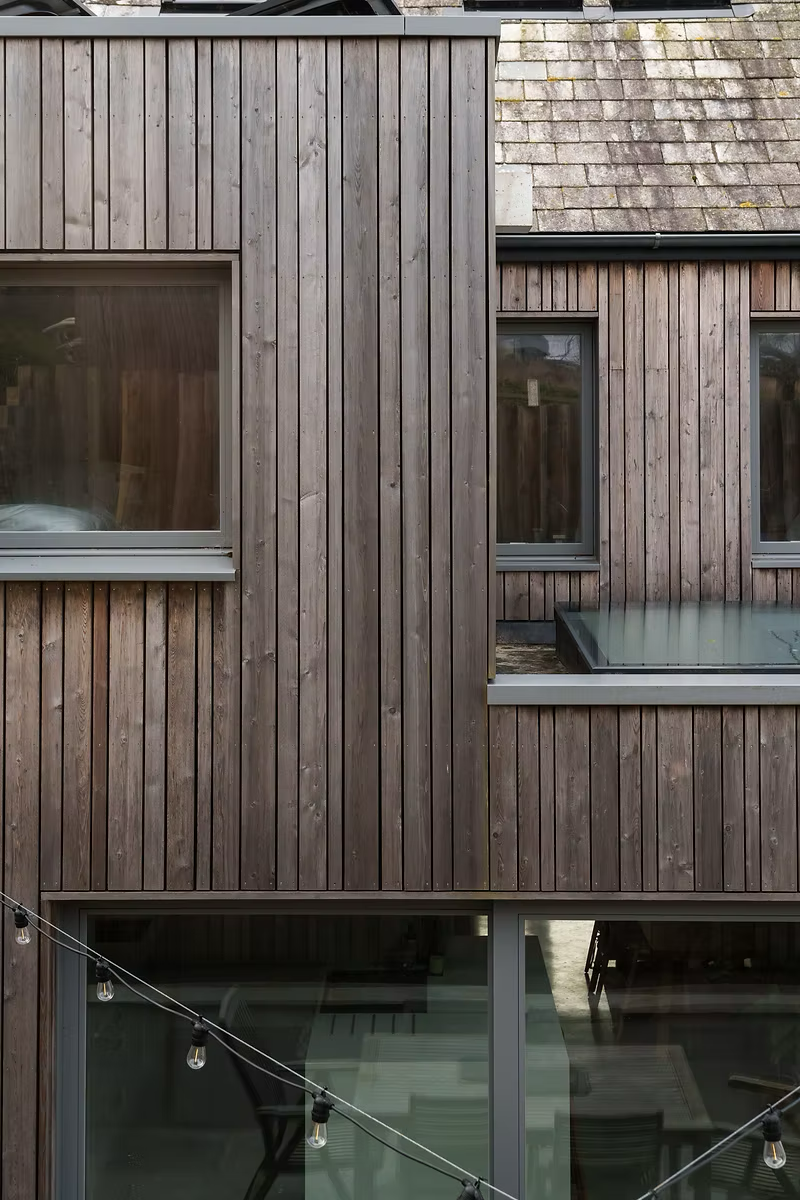
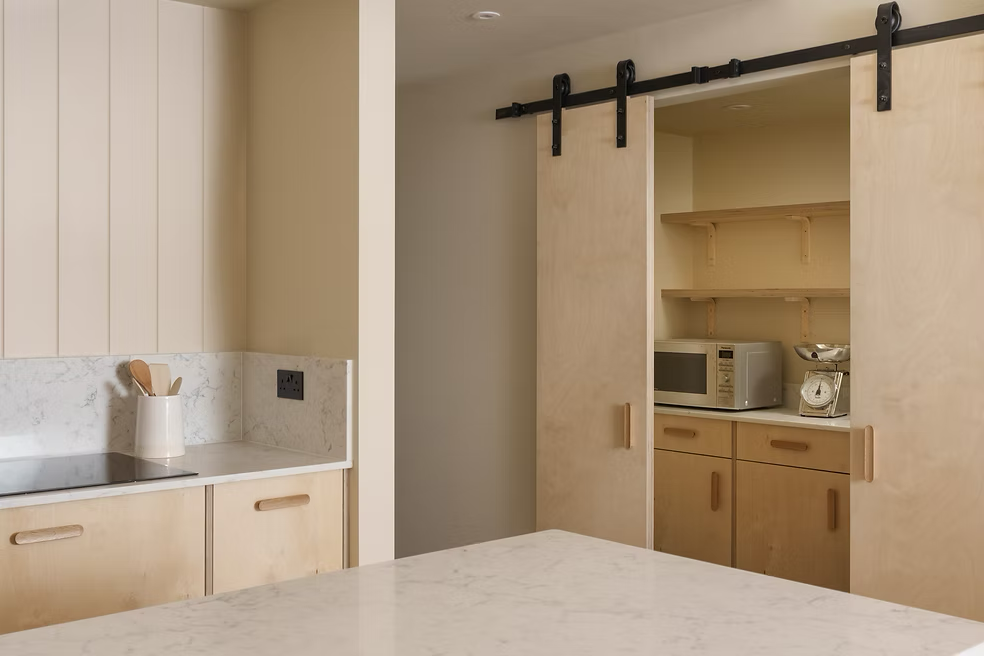
JM: Sure. Ultimately, we aim to create a material palette for the project that is contextual and uses a natural palette. The buildings that people tend to love the most are those that have stood the test of time for centuries. They were not cladding these lovely old buildings in plastics or composites; they were using materials local to them with trades that knew the crafts to manufacture them into the correct components for their use. If we can source reclaimed materials, especially when looking at slate, we will. Natural timbers from local saw mills also work well. They soften over time and react to the site's conditions – how much sun falls on them, etc. Sourcing locally also helps with the ‘ecosystem’; keeping the money in production locally, supporting local trades, forestry, etc. We often like to be playful with these materials, which then elevates them to give them a ‘of this time twist’. Less pastiche, more modern. They look and feel individual and can make simple forms ‘pop’. These ideas behind how we use the materials are also not just for a look, but also for a feel.
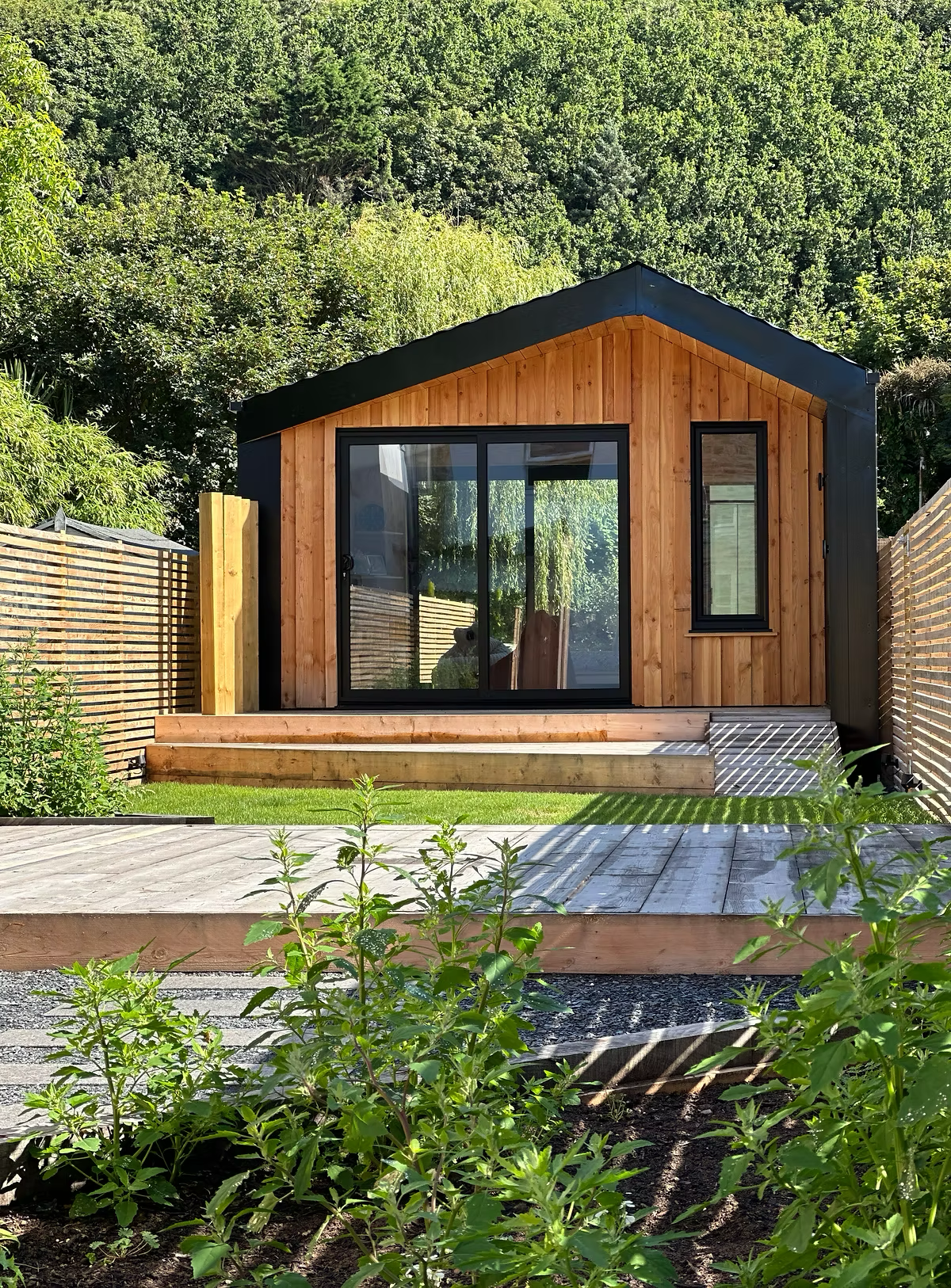
Real materials mean a building becomes tactile; the textures are enjoyed when you are close up to it, brushing past it, walking barefoot around the house. It deepens the connection of occupant and building. This connection means people fall deeper in love with the building and, as such, respect it, look after it and keep it from falling into disrepair. This means that our buildings are self-sustaining and one hopes wont be knocked down and replaced, as you see with poorly constructed architecture. Being able to design buildings that one hopes will still be there in 100-200 years means you want the materials to feel and look as good as they do now as they do then. And that those who inhabit them in years to come will feel that the person/s responsible for building it really thought about what they were doing.