

Profile: Surf Block

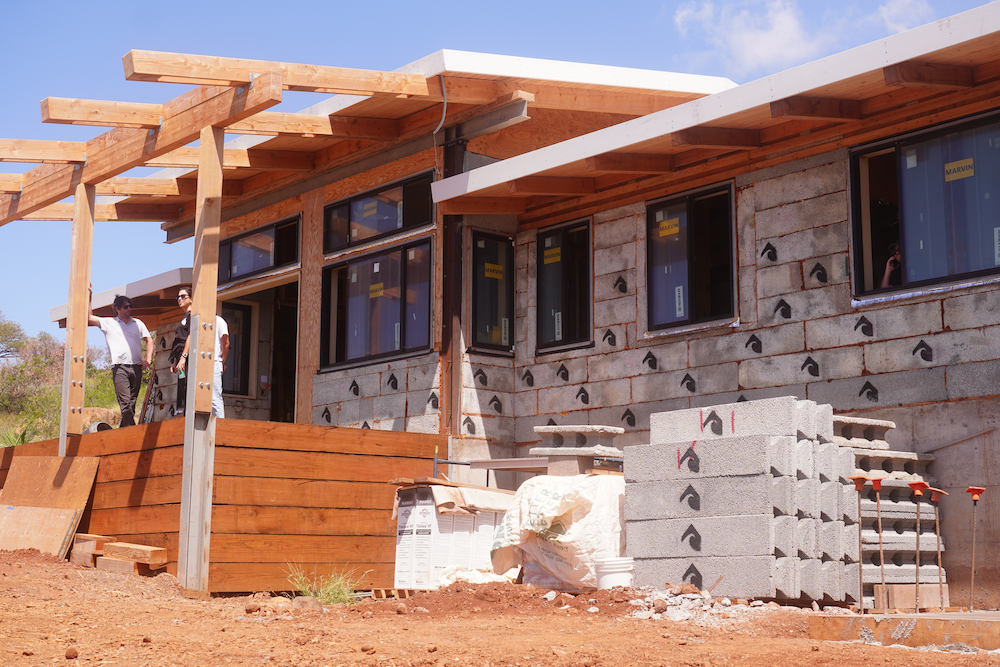
On Maui, where construction is shaped as much by environmental constraint as by cultural identity, Surf Block Maui has developed a building system that responds directly to both. Drawing on the island’s deep-rooted surf culture and a highly visible waste stream, Surf Block transforms discarded surfboard foam into insulated composite concrete forms (ICCFs) for use in construction.
The material originates from expanded polystyrene (EPS) offcuts generated during surfboard production, a lightweight, high-performance foam that would otherwise be sent to landfill. By reclaiming and reprocessing this waste, Surf Block redirects a locally abundant material into a new, long-life application within the built environment. The result is a composite block that combines recycled EPS with a cementitious binder, forming units that are stacked, reinforced and infilled with concrete to create structural walls.
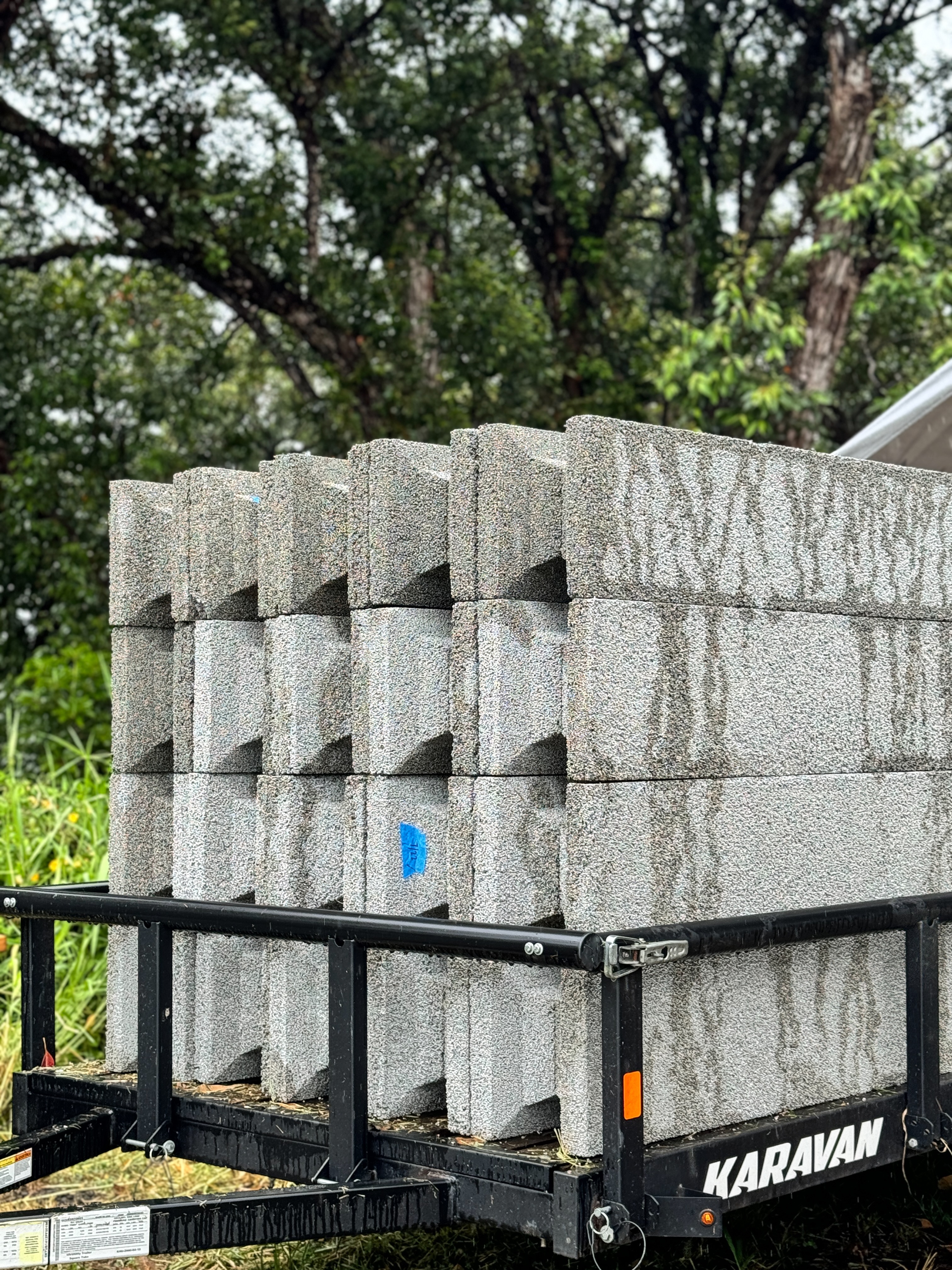
As a system, ICCFs are not new, but Surf Block’s approach lies in its rethinking of feedstock. Conventional insulated concrete forms typically rely on virgin materials; here, the insulating component is derived from recycled sources. In this sense, the material sits between established construction methods and emerging circular design thinking, adapting a known system through a more localised and resource-conscious lens.
Materially, Surf Block is defined by this duality. The EPS component provides insulation and reduces weight, while the concrete core delivers structural performance. Together, they form a continuous wall assembly that integrates thermal and structural functions within a single build-up. This consolidation simplifies construction while contributing to the energy performance of the finished building — a key consideration in Maui’s hot, humid climate.
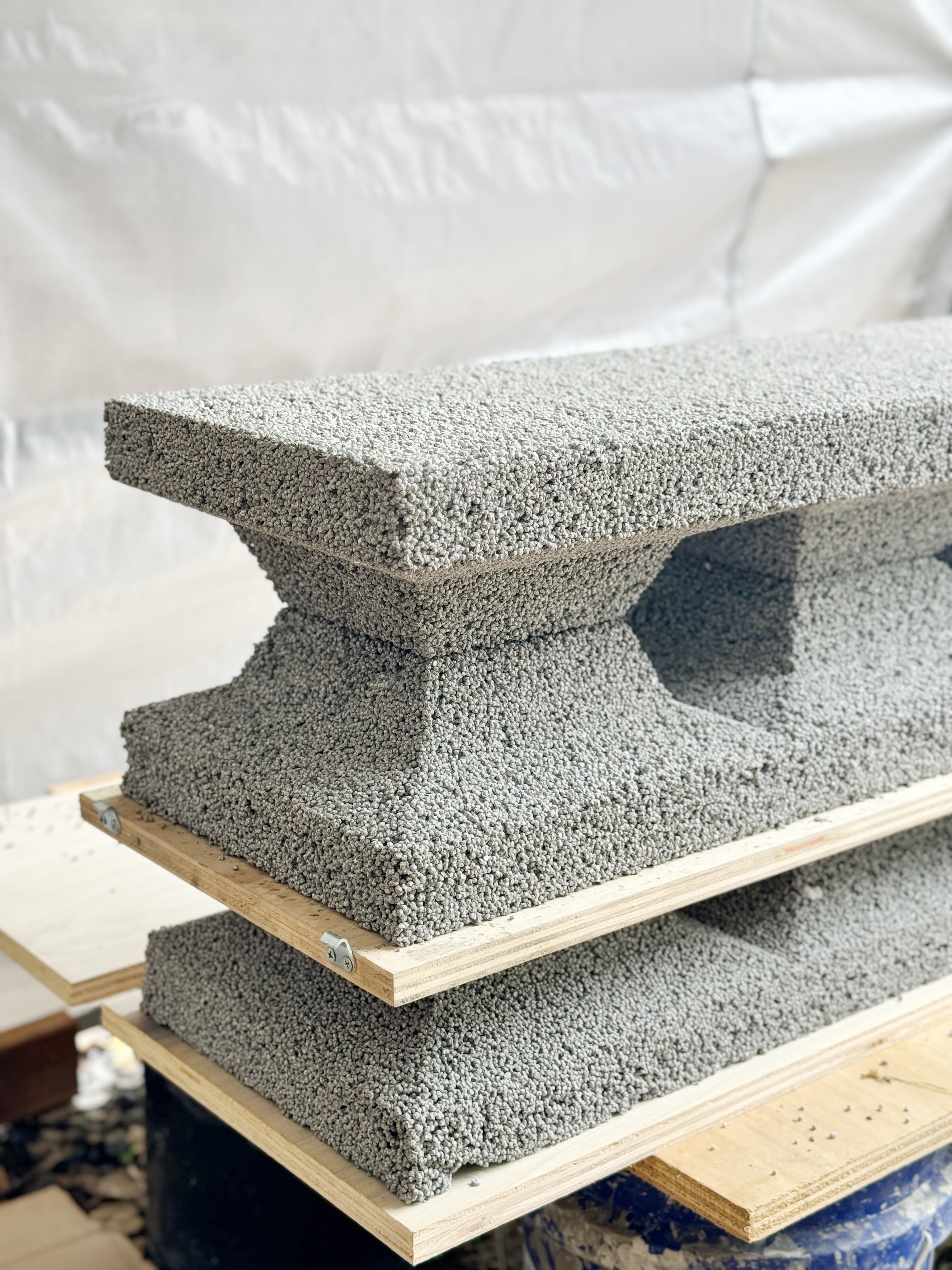
From a surface perspective, the material retains a visible connection to its origins. Unlike conventional concrete block, which tends towards uniformity, Surf Block carries a more heterogeneous character. Fragments of recycled foam are embedded within the matrix, creating a lightly textured, particulate surface that reflects the composite nature of the material. It is not a surface designed for refinement, but one that expresses process, where the narrative of reuse remains legible.
This directness aligns with the project’s broader environmental intent. By working with a waste stream generated on the island, Surf Block reduces reliance on imported materials — a significant factor in Hawaii, where much of the construction supply chain is externally sourced. The approach also addresses the issue of disposal, diverting foam waste from landfill and embedding it within long-life building fabric.
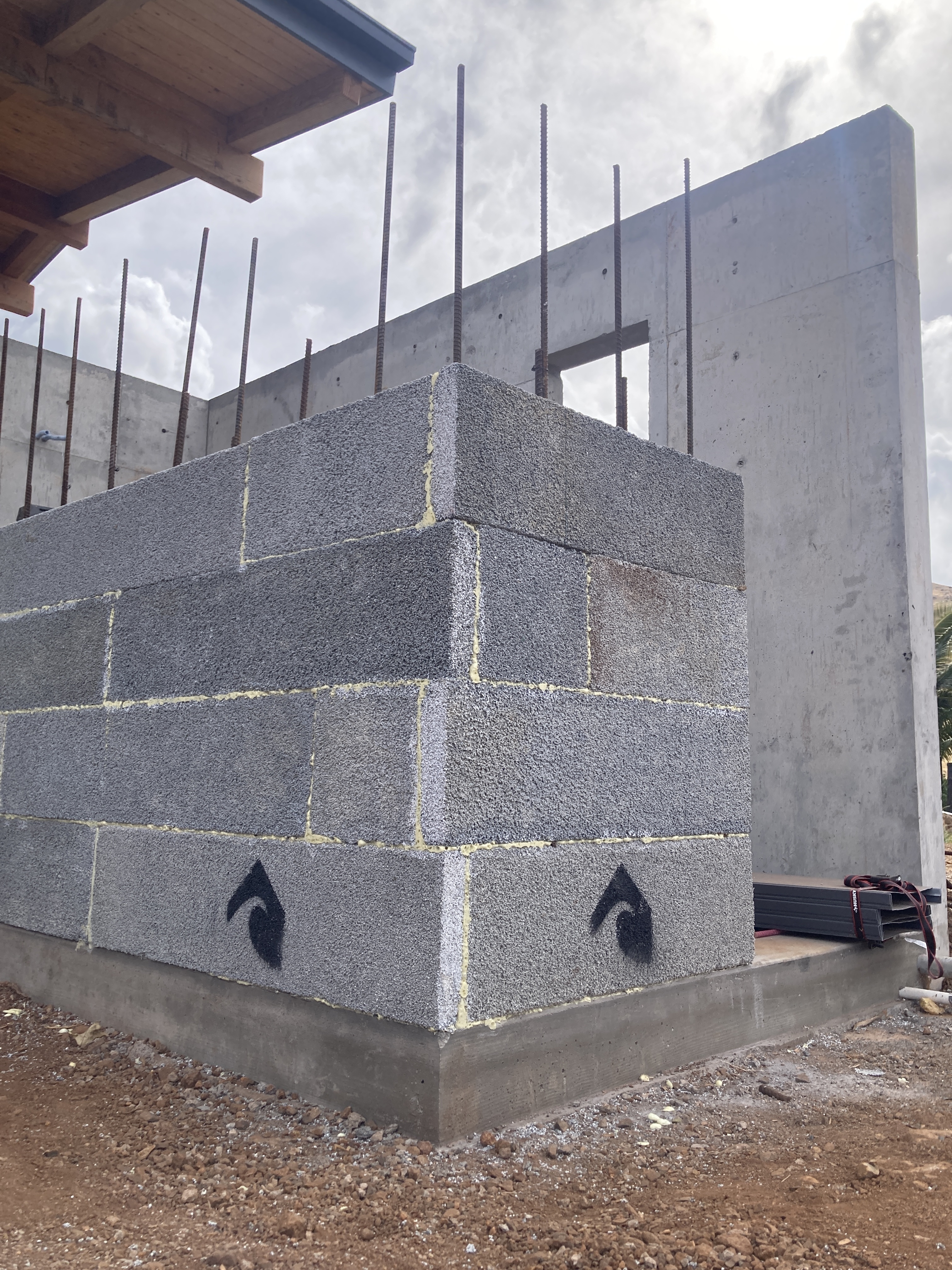
At the same time, the system responds to the demands of building in a coastal environment. ICCF construction is widely recognised for its robustness, and Surf Block builds on this with a material designed to perform in conditions of humidity, salt exposure and variable weather. The result is a construction method that balances durability with resource efficiency, without requiring additional layers of insulation or complex assemblies.
While the technical aspects are central, the project is equally defined by its cultural context. Surfing is not simply a recreational activity in Maui, but part of the island’s identity. By using surfboard waste as a primary material, Surf Block establishes a tangible link between local industry and the built environment, translating a by-product of one into the fabric of another.
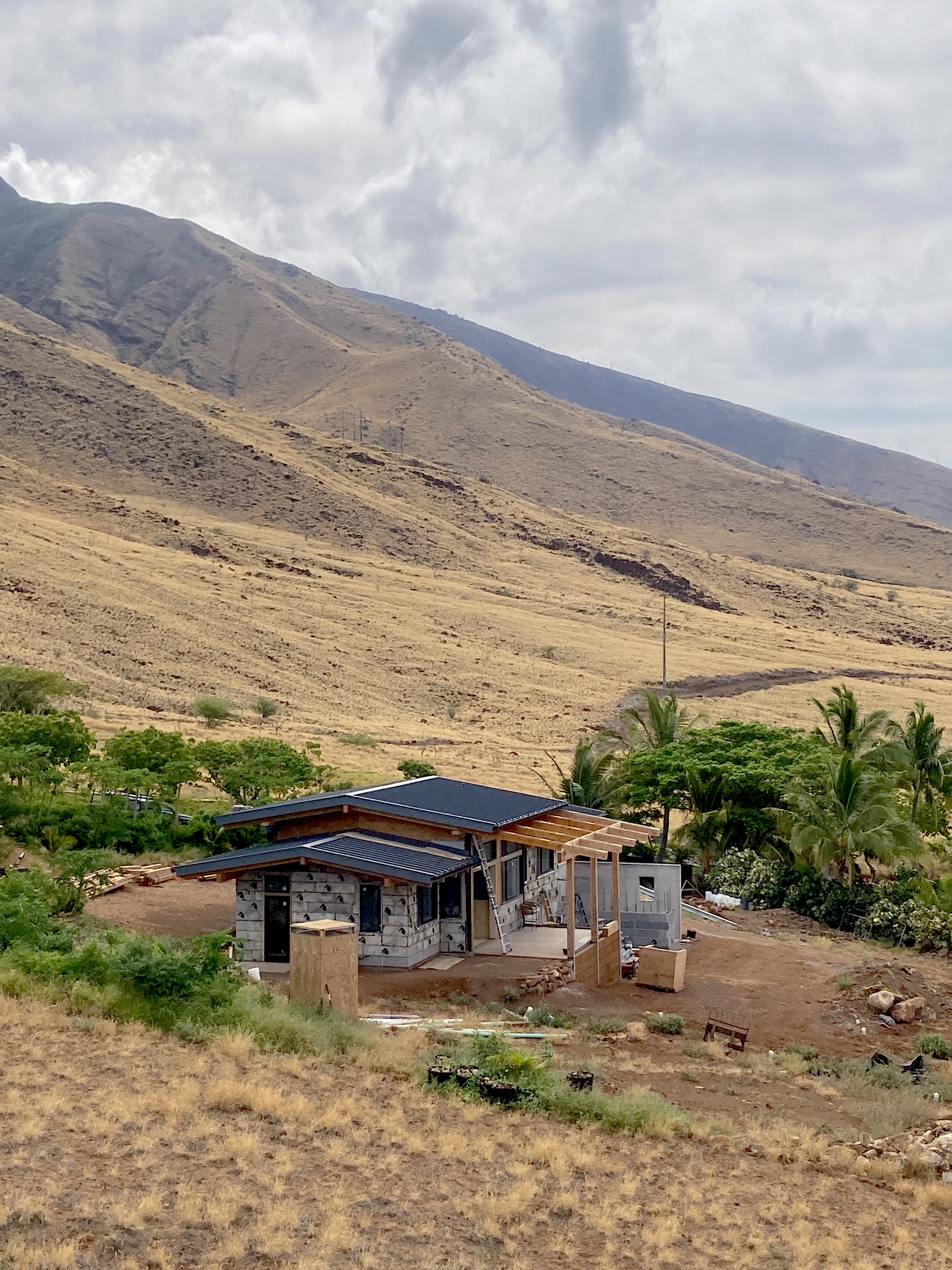
What gives the system wider relevance, however, is not the specificity of surf culture, but the logic underpinning it. Surf Block points to a model in which construction materials are derived from regionally available waste streams, rather than standardised, globally sourced products. This could involve a range of industrial by-products, from demolition to agricultural waste, but by sourcing and producing locally, such materials can create a deeper connection to place while reducing transport costs and saving waste.
It’s another great example of waste being given value and the result is a system that is both useful and transferable. In this sense, Surf Block represents a pertinent construction material while offering a way of working that could be adapted to different geographies, industries and material flows.