

Surface Perspectives: Artur Kowalczyk, AK Surface Solutions

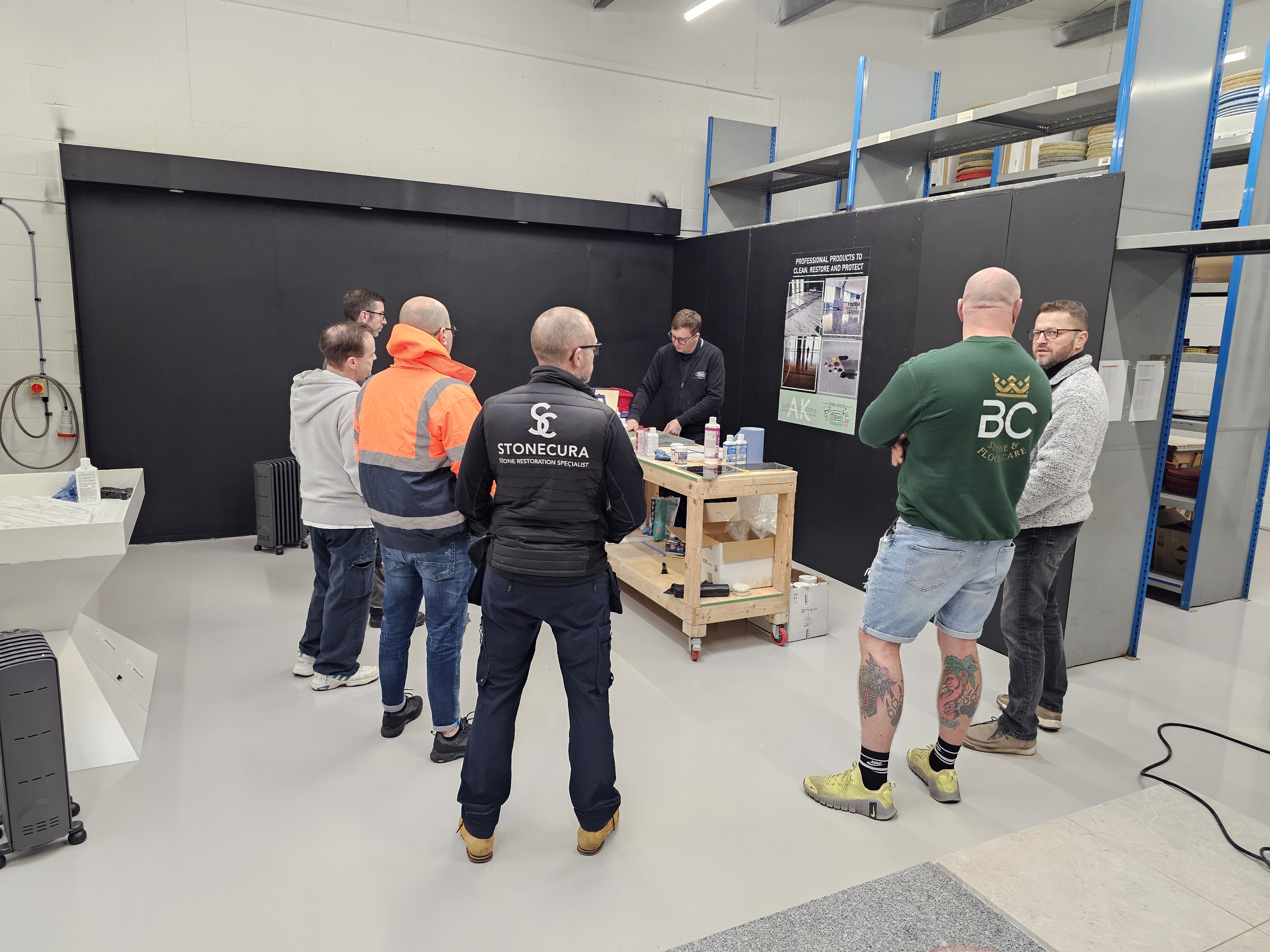
AK Surface Solutions specialises in the repair, restoration and maintenance of architectural surfaces, working across natural stone, terrazzo, concrete and resin finishes. The company has grown out of the success of Concrete & Stone Solutions, expanding from a specialist focus on concrete and hard-surface repair into a broader provider of surface care that includes the machinery and cleaning products they know from experience do the job. A dedicated supplier of Lavina equipment and official reseller of Faber products, the company supports both conservation and commercial projects, extending the life and performance of existing materials through technical surface expertise. Owner Artur Kowalczyk shared his unique insights about the industry in the latest of our Surface Perspectives series.
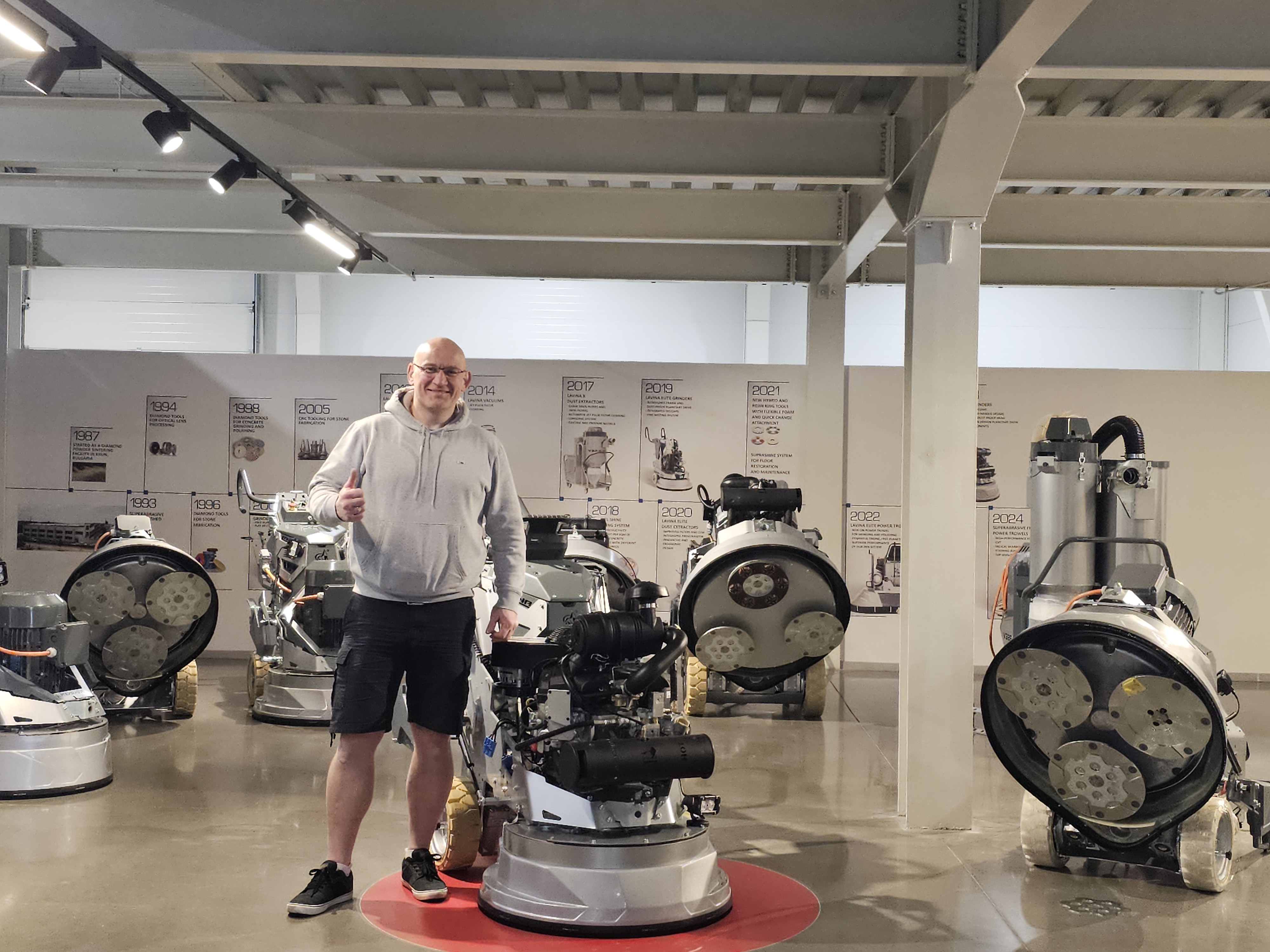
What does a typical day look like for you?
A typical day usually starts at the office, where I spend some time working on our new B2B business, AK Surface Solutions. That can mean packing orders, working on the retail website, adding new products, checking stock, placing orders when needed, and trying to keep on top of SEO when time allows.
I also go through enquiries and reply to emails, WhatsApp messages and customer questions for AK Surface Solutions and for my restoration business Concrete & Stone Solutions. These can be anything from product orders and trade enquiries to technical questions, quotations or advice about stone and hard surface restoration.
If we have orders during the day for the next day delivery, my wife also comes into the office to help with packing and sending parcels, and she takes care of the paperwork and admin side of the business. After that, I usually load the van from our unit, which we also use for storing my restoration equipment. I am still very much on the tools myself through Concrete & Stone Solutions, so a big part of my day can also be spent on site carrying out stone, concrete and hard surface restoration work.
After work, I often try to go through messages again and reply to clients where I can. When time allows, I also like to escape for an hour to my loft and jump on my rowing machine, and most importantly, spend some time with my family. So the days can be busy, but I enjoy the mix of practical work, customer contact, and building AK Surface Solutions.
How integral are materials/surfaces to your day-to-day?
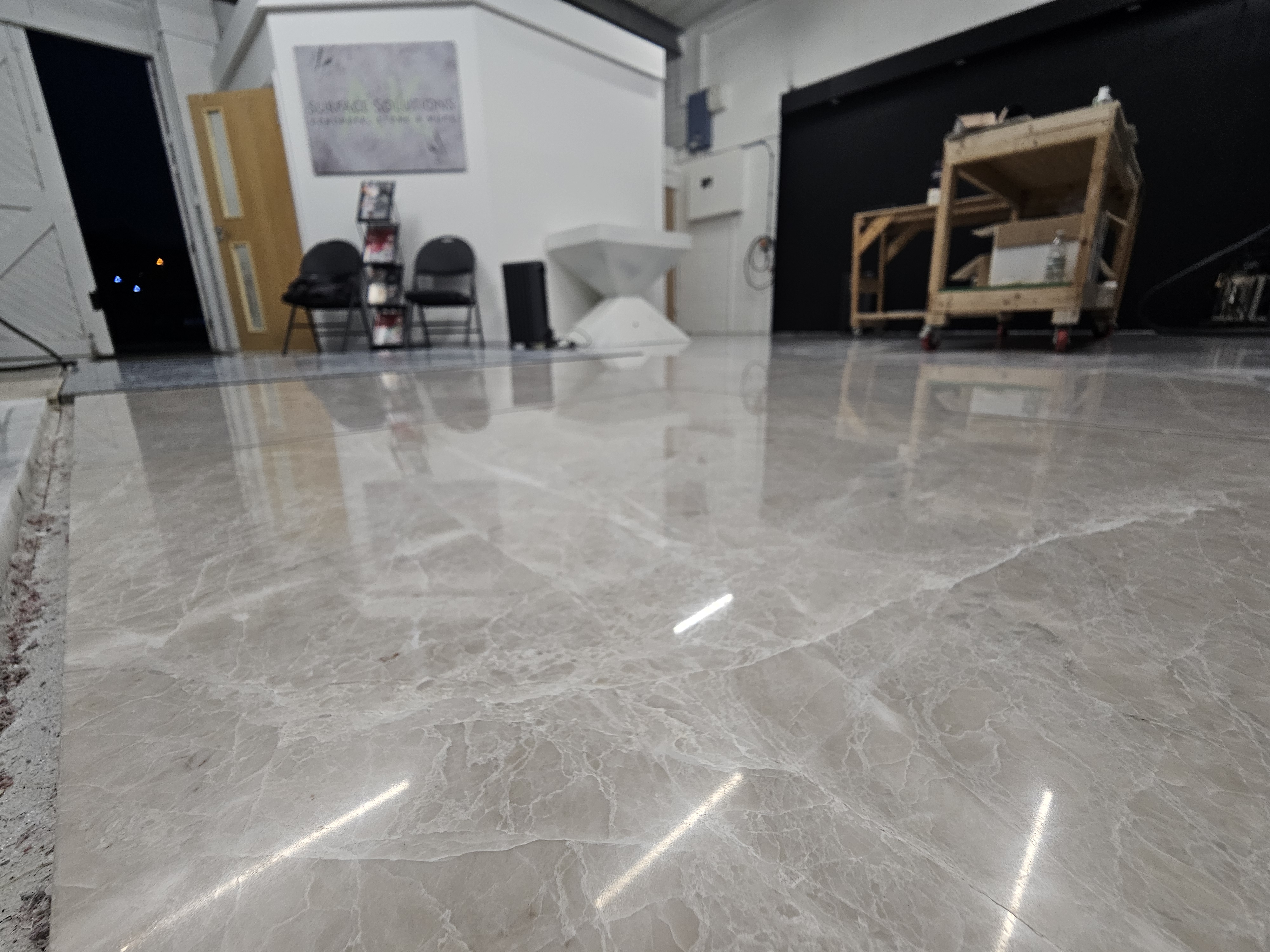
Materials and surfaces are a very important part of my day-to-day. I’m always dealing with cleaners, sealers and diamond tools, so I’m constantly thinking about which product or method is right for each surface. In my opinion, almost every job needs a slightly different approach, especially with stone. You can’t always use the same process on every floor, because the type of stone, condition, finish, age and previous treatments can all affect how to restore it.
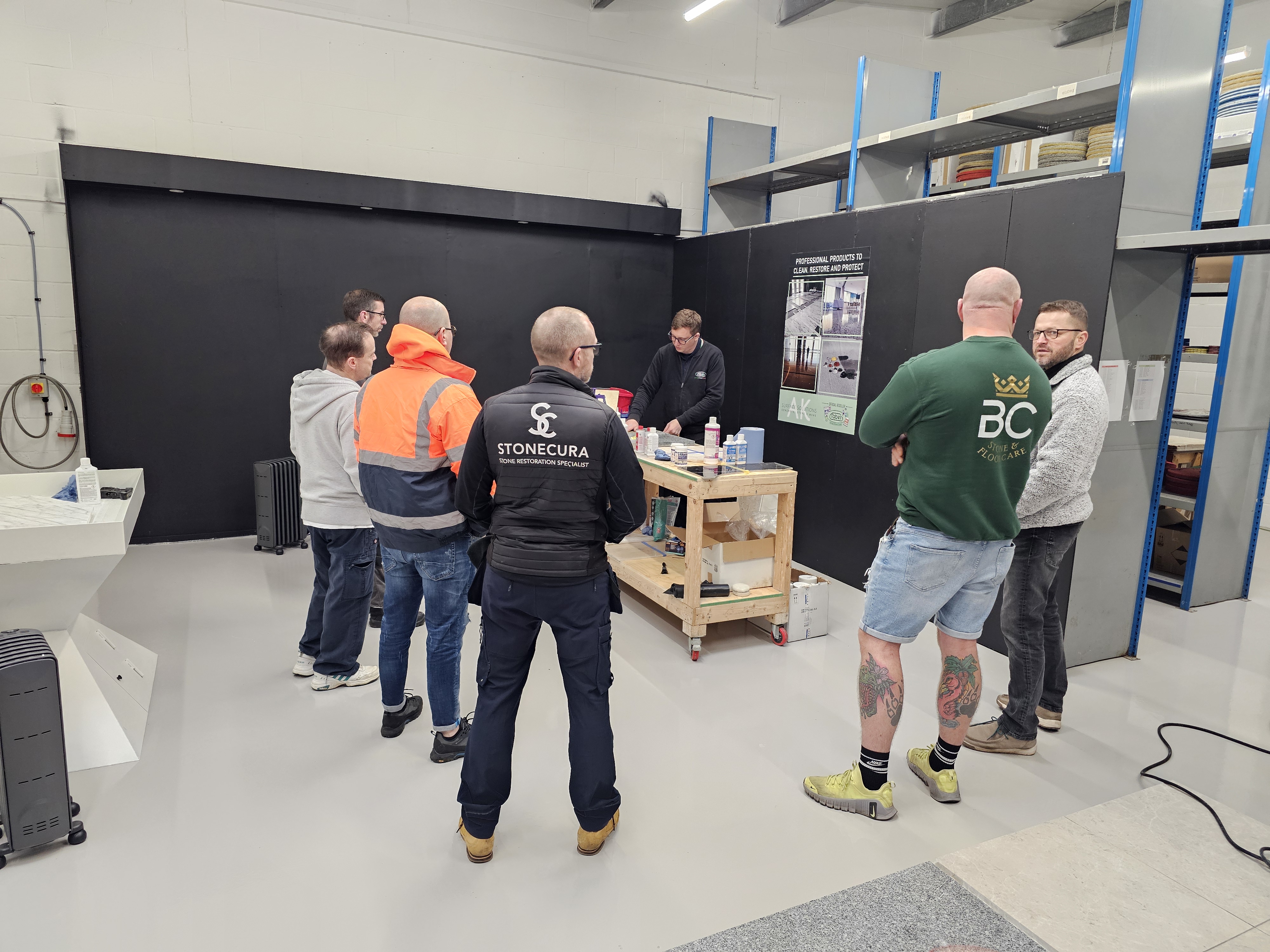
I also speak quite a lot with regular clients, many of whom are experienced people in the trade. We often talk about products, tools, different methods they used, or myself on certain jobs to get the best finish. I’m always happy to share what I’ve learnt over the years, much of it from being on the tools myself, but I also learn a lot from those conversations too. That exchange of knowledge is something I really value.
What are the biggest lessons you have taken forward from your original training?
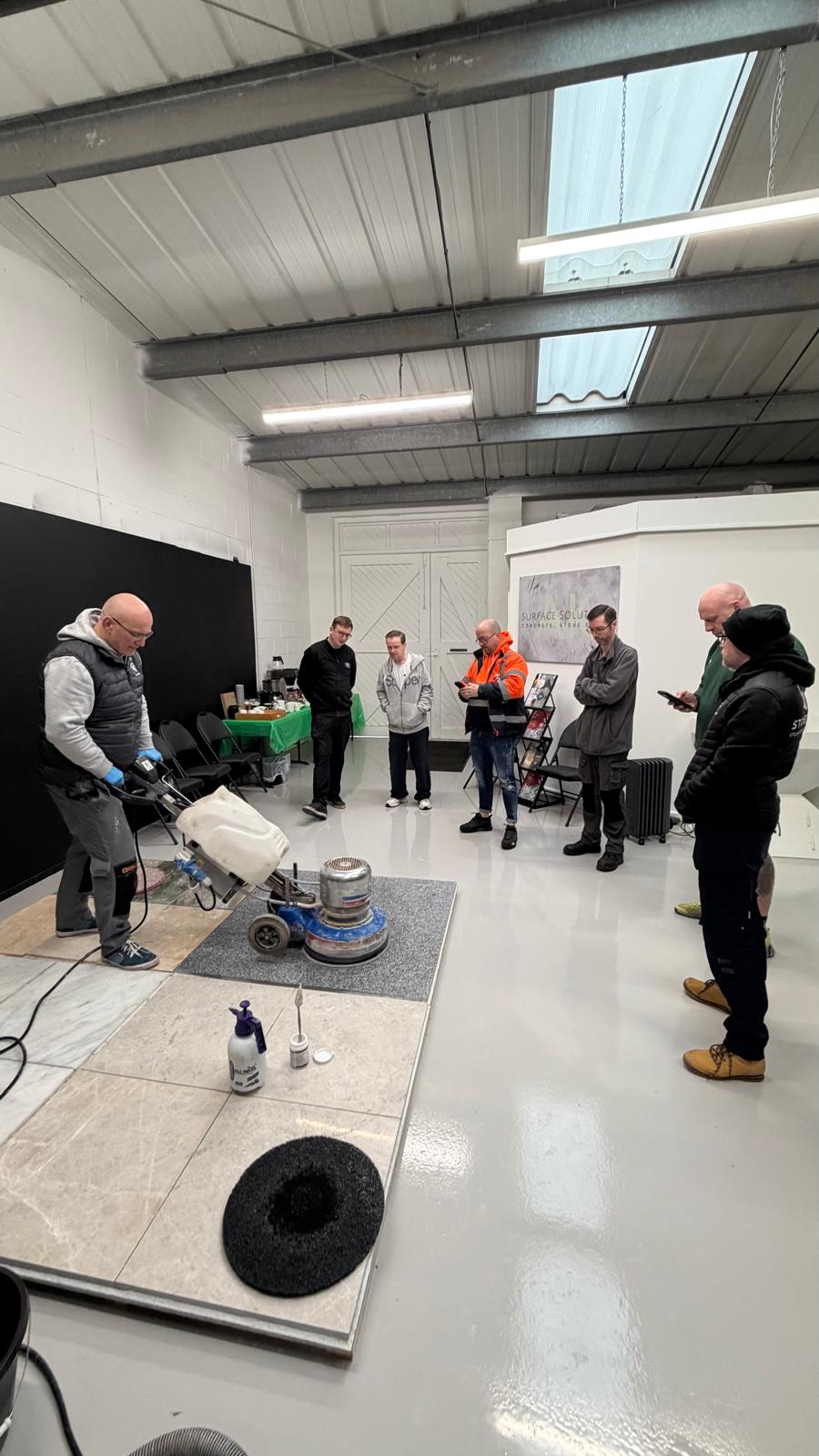
One of the biggest parts of my training was with Tiling Logistics, and also learning from Kevin and Antony Martin. That gave me a strong foundation, but I think some of the biggest lessons come from being on-site and dealing with real jobs.
One job that really stands out was my first marble grinding project. There was a lot of time pressure, and I was working from early morning until late evening every day, with barely any breaks — usually just a quick sandwich while emptying the vacuum or sorting something out.
I didn’t really make any money on that job because it took much longer than expected. It was probably the hardest seven days of work I have ever done, but what I learnt from it changed my confidence completely. After that, I felt I had reached a different level in stone restoration.
For me, training is very important, but the real education also comes from difficult jobs, problem-solving, and learning how different stones behave when you are actually working with them.
Which project/s are you most proud of being involved with and why?
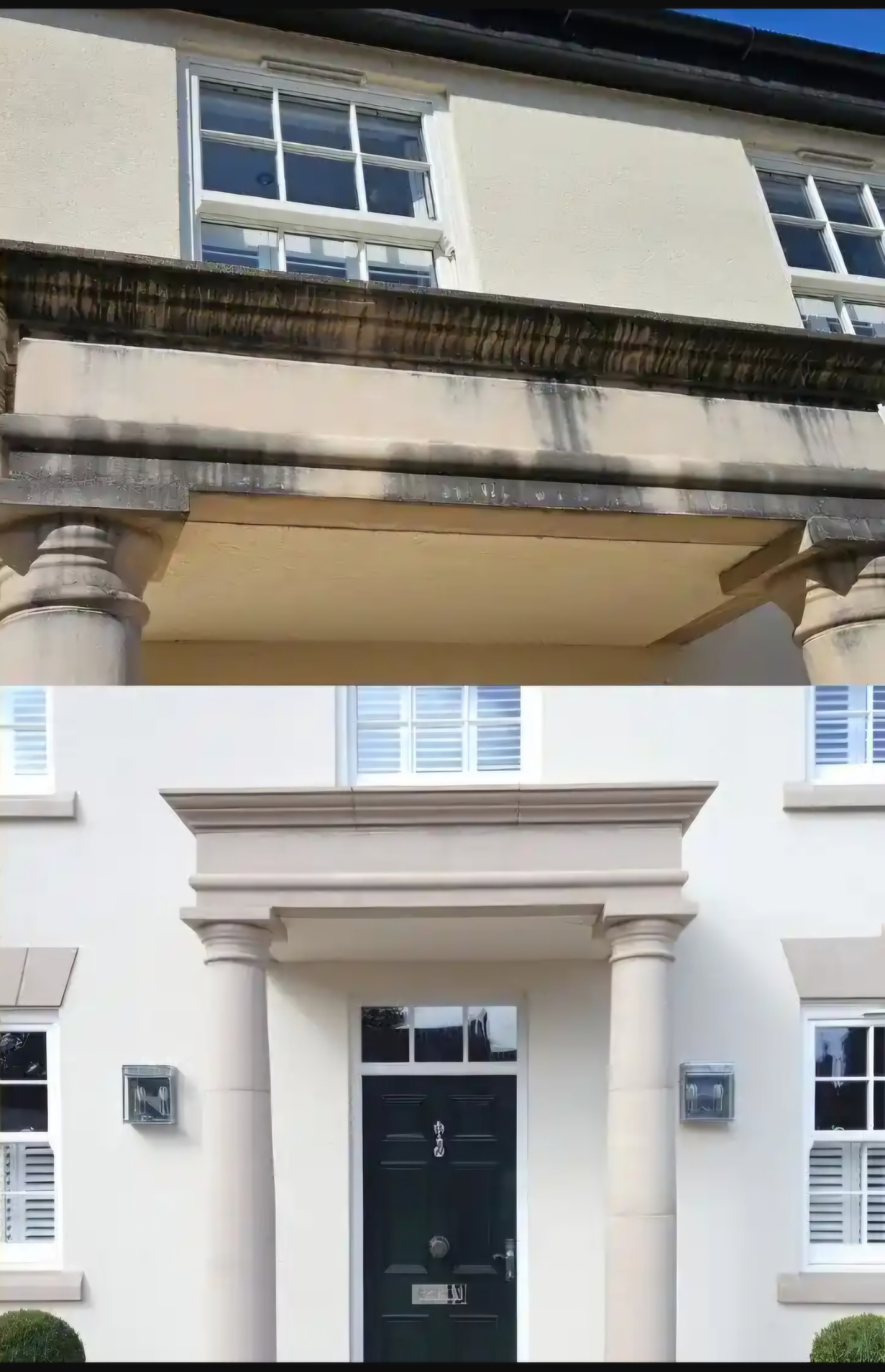
From my hands-on restoration work, one project I’m especially proud of is Ipswich Museum. The building is currently undergoing a major £12.3m+ redevelopment to restore its Victorian features while also modernising the facility. It is a Grade II listed building, so being involved in that kind of project felt very special.
My company was responsible for restoring the floors, including an original quarry tile floor dating back to 1881, which had been covered for many years. That project stands out because of the history of the floor, but also because of the challenges involved.
The red quarry tiles were very shallow, while the black tiles were bevelled, which made the floor very uneven and wavy in places. It was not ideal or safe to walk on, so we had to carefully grind the surface down. The black quarry tiles were not full-bodied, so there was a limit to how far we could go, and we had to be very controlled with the process.
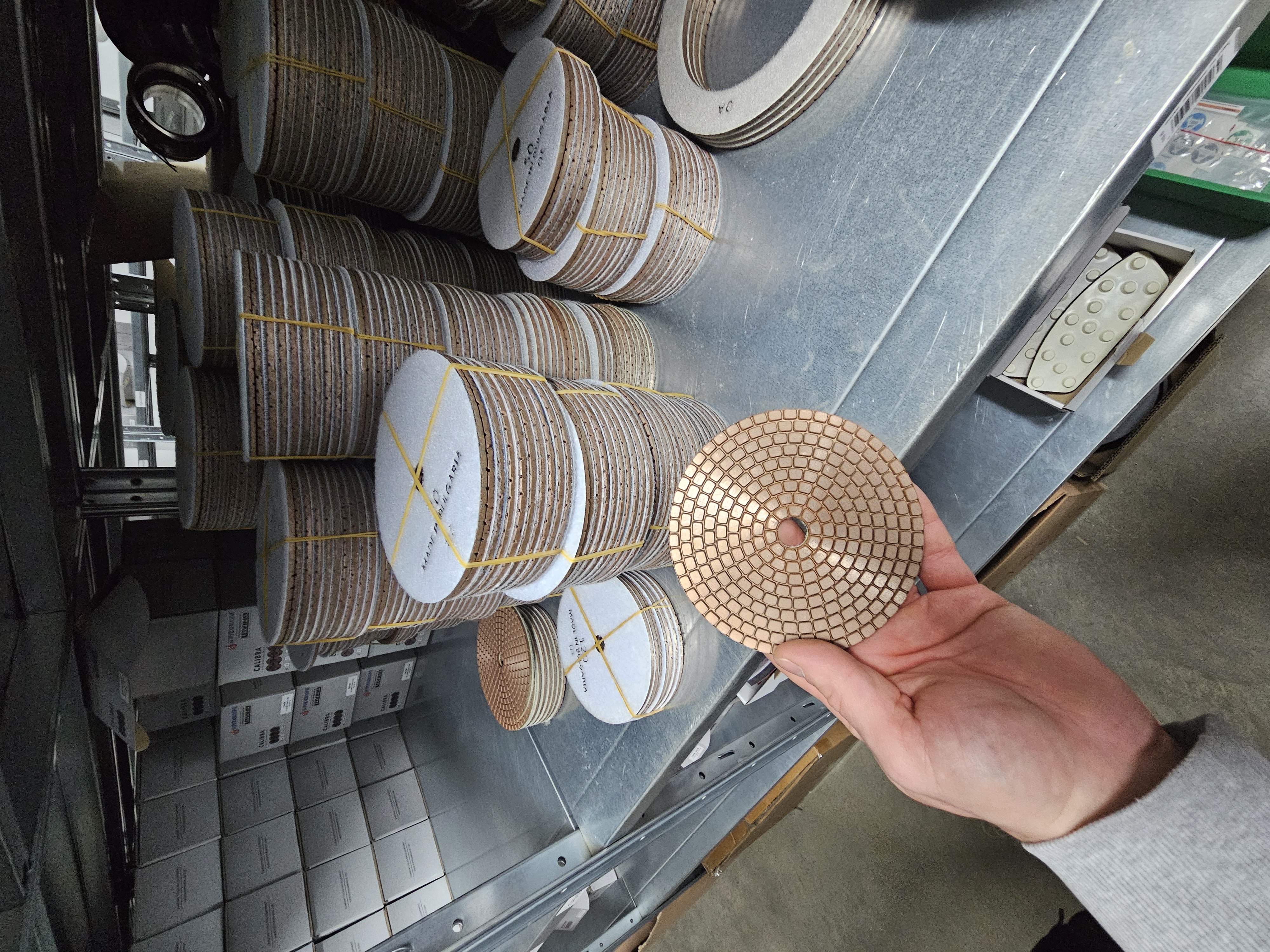
We also had to remove years of built-in dirt and grime, especially from the low spots, before closing the surface up to 200 grit and sealing it. It was a careful balance between improving the floor, making it more practical, and respecting the age and character of the original material.
What do you feel are the main challenges facing the stone and surfaces industry today?
One challenge I have come across recently is the confusion between real stone and artificial or composite materials. Some products are marketed with names that sound very natural or stone-like, so customers believe they are choosing a stone surface, when actually it may be acrylic, resin-based or only contain some stone dust.
I’m currently restoring 45 worktops for one of my commercial clients at a retirement village, and many of the residents thought they had chosen stone because the material was called “Earthstone” and they didn’t have a chance to see it before they purchased. In reality, they’re acrylic worktops with some stone content, so it behaves very differently from natural stone and is a very soft material.
In your opinion, what are the positives of using stone in the built environment?
For me, one of the biggest positives of using stone in the built environment is that it lasts. It is a natural material with its own character, and every piece is slightly different, which makes it unique and beautiful.
Another big advantage is that stone can be restored rather than replaced. Like wood, it can often be brought back to a very high standard, sometimes almost as new, with the right process and knowledge. That makes it a very practical and sustainable material when it is looked after properly.
Stone also has a quality and feel that is difficult to copy with artificial materials. It can suit both old and modern buildings, and over time, it can develop character rather than just looking worn out.
How does sustainability shape your thinking and decision-making, and how do materials fit into this?
Instead of removing stone and sending it to waste, we can extend its life and make it beautiful again. Good restoration protects the original material and helps clients get much more life from the surfaces they already have. With the right protection, stone stays looking great a lot longer without the need for restoration