

Surface Spot: Organoid

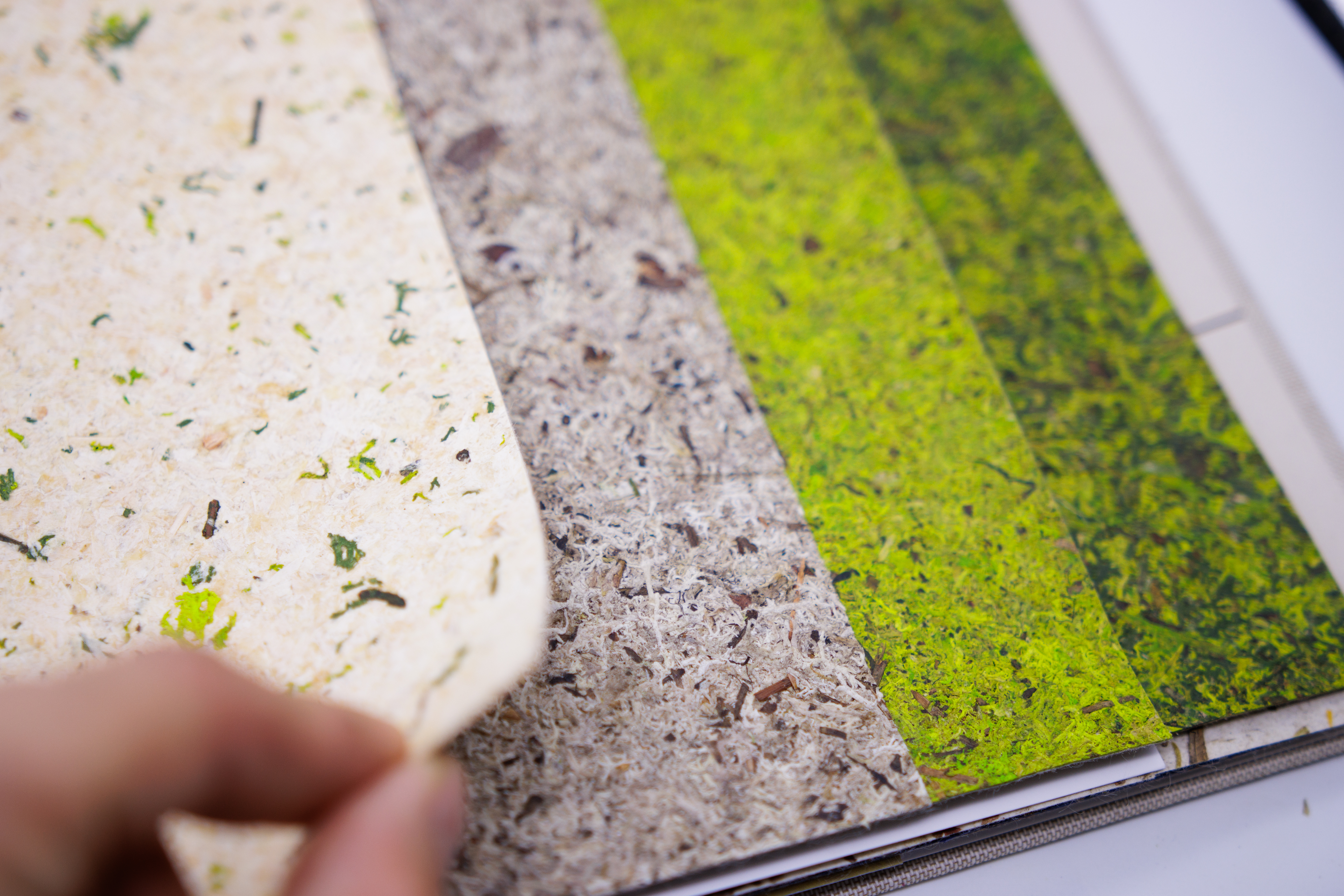
While the British weather continues to be predictably unpredictable, the riotous display of colour that the flora and fauna of the natural world are putting on right now is an unmistakably Springtime event.
The cyclical return of plant life is a welcome relief, perhaps even distraction, during challenging and unsettling times. Yet, as this eruption of buoyant vitality unfurls up and down the country, I’m reminded of a surface brand that allows spring-like-feels in our interior spaces all year round.
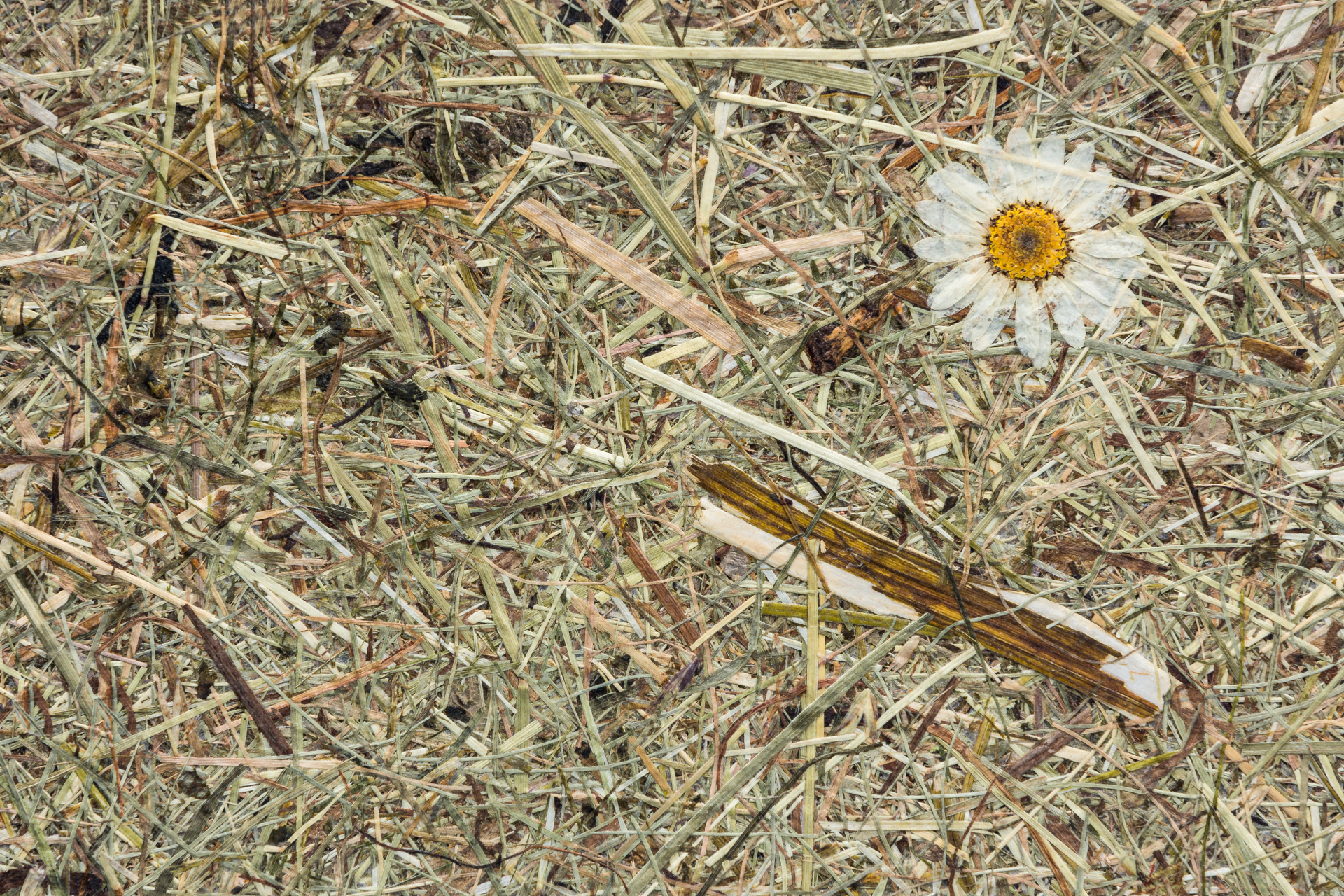
Austrian manufacturer Organoid’s natural surfaces are unmistakably architectural, coming in panels, laminates and acoustic finishes designed for interiors. Yet they are composed not of engineered composites or mineral aggregates, but of recognisable fragments of the natural landscape itself. Alpine hay, wildflowers, moss, lavender, rose petals and even reclaimed coffee grounds are pressed directly into surface materials, preserving colour, scent and texture in a way rarely seen within contemporary specification culture.
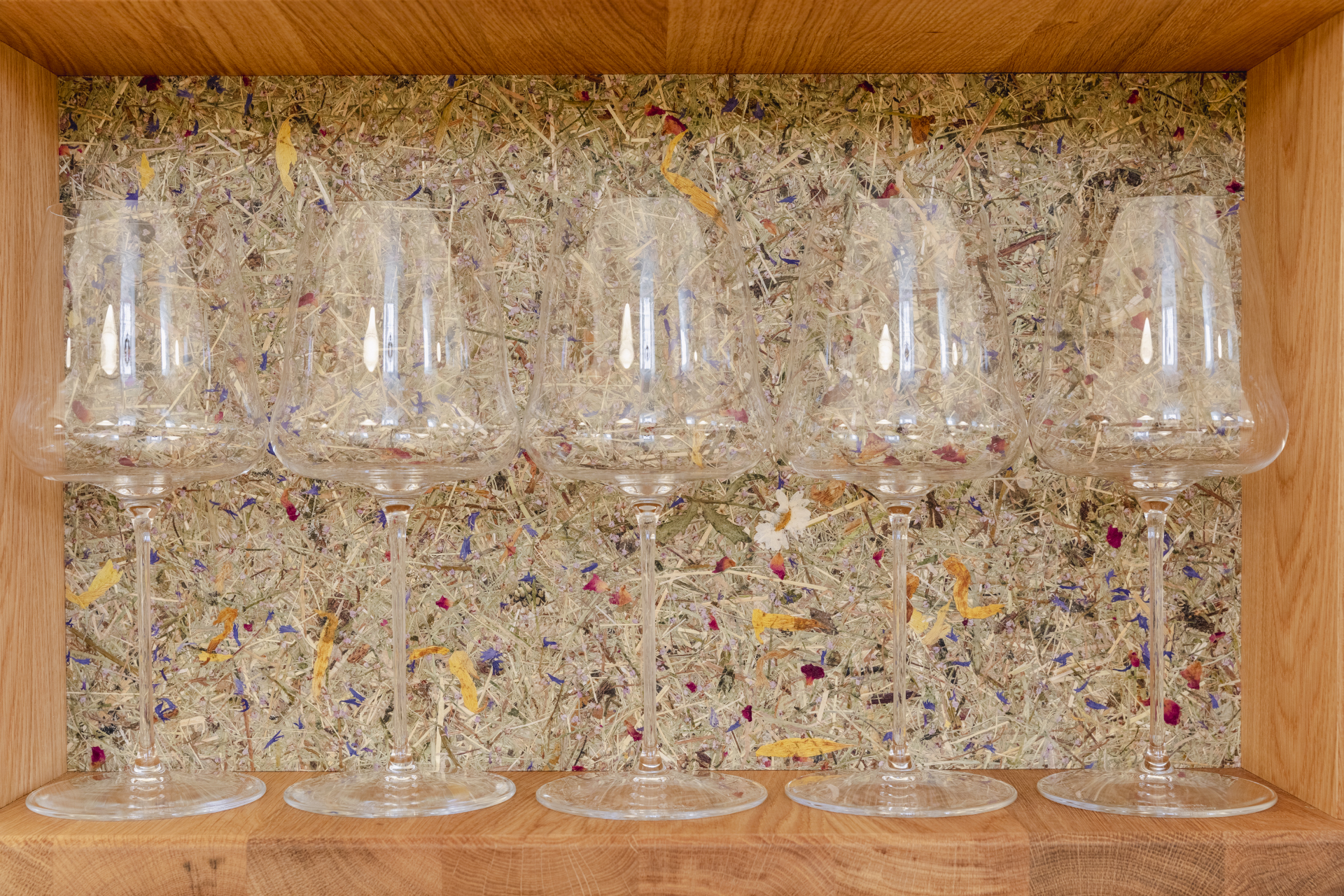
Founded in Tirol, the company sits within a growing European movement exploring how buildings might reconnect occupants with natural material cycles. Rather than imitating nature through pattern or print, Organoid works with actual organic matter, embedding plant fibres into breathable carrier layers using low-energy production methods and largely natural binders.
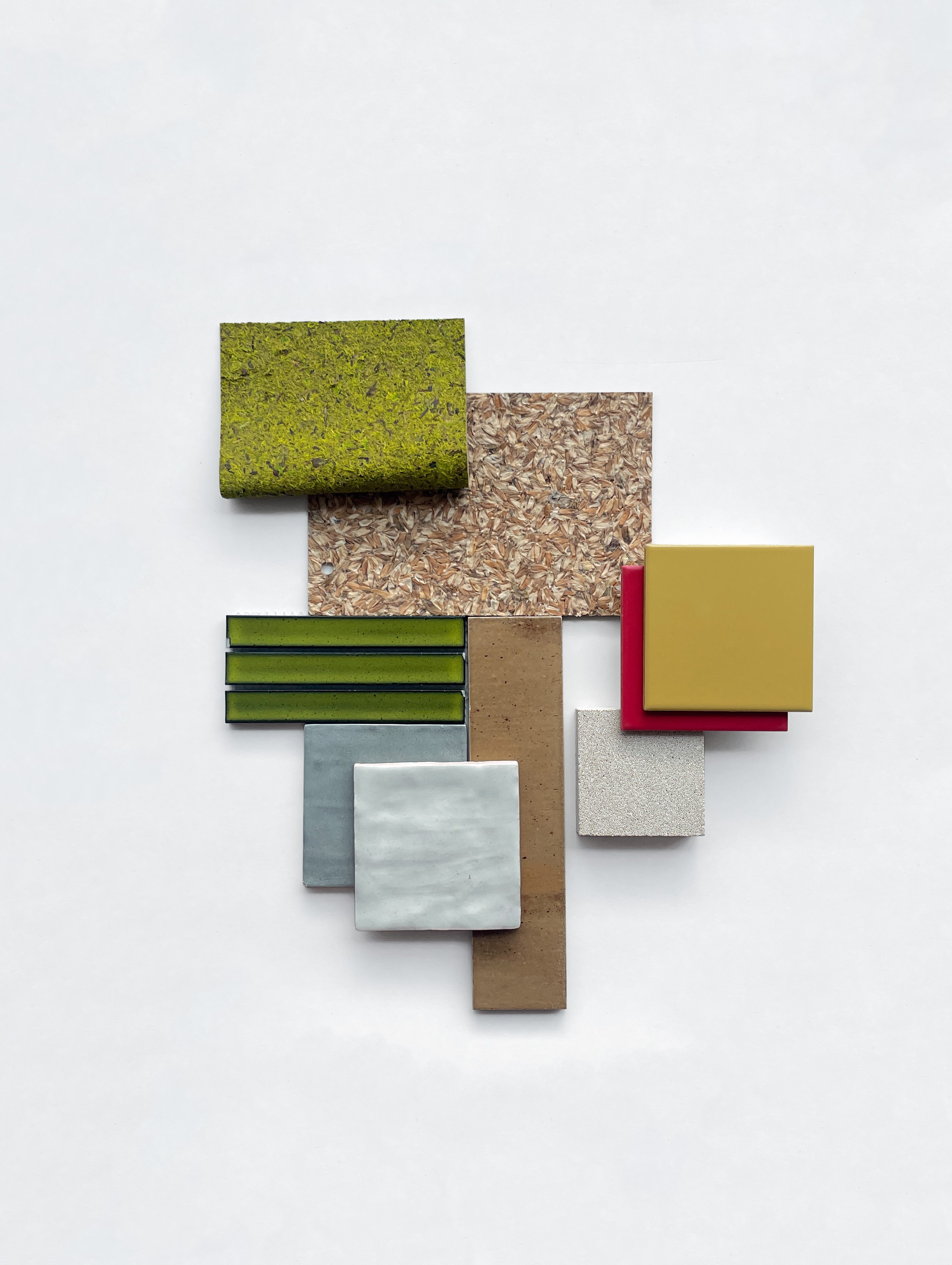
Texture is central: grasses remain tactile, petals retain variation, and no two panels are identical. What’s more, many Organoid products use rapidly renewable plant matter sourced from regional agriculture, including by-products that might otherwise be discarded.
The panels can be applied as wall coverings, furniture finishes, acoustic elements and joinery surfaces, offering designers a material that performs technically while retaining sensory depth.
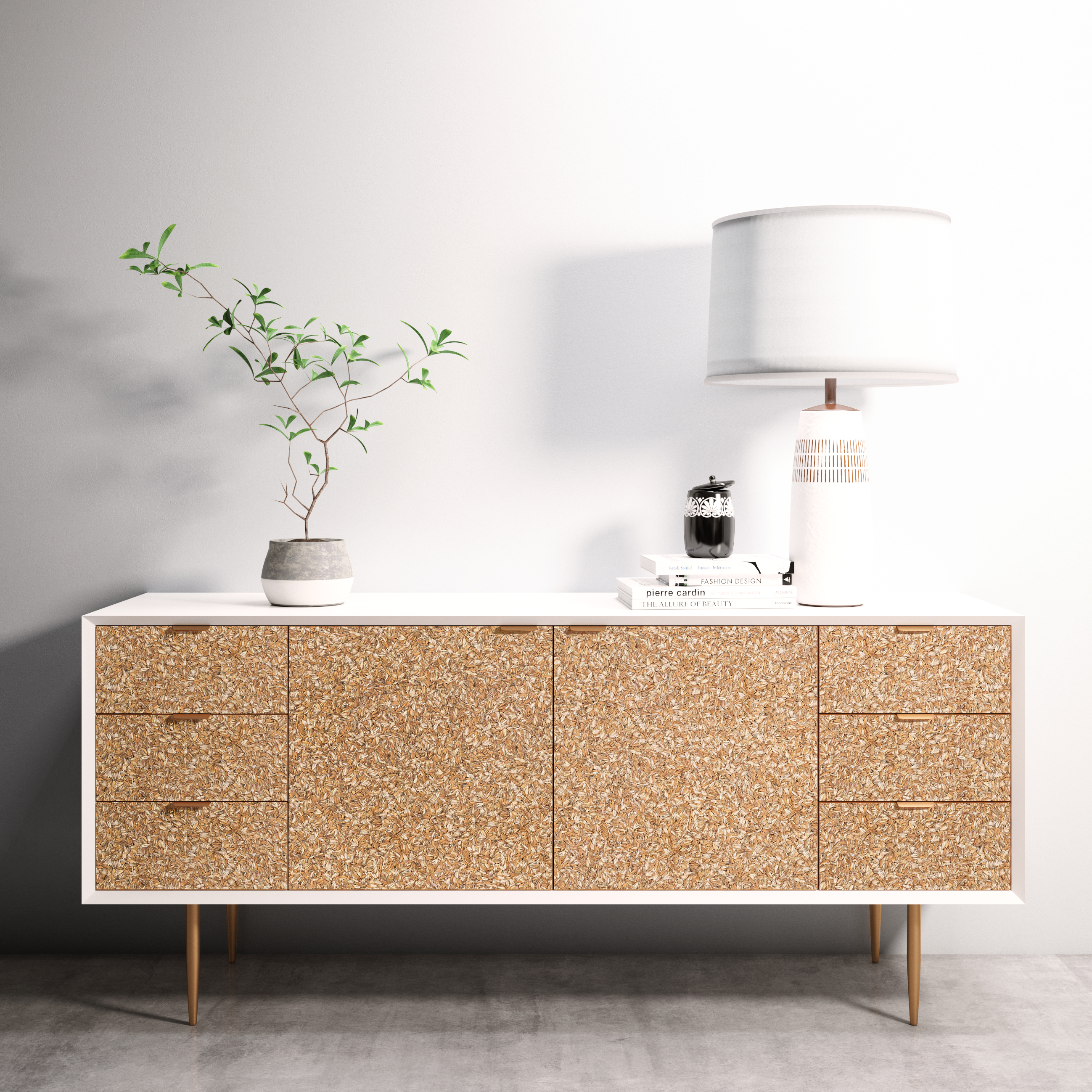
As interiors become ever more technologically mediated, materials capable of engaging smell, touch and memory are gaining renewed attention. A wall finished in Alpine hay or wildflower meadow introduces seasonality into architecture, and a welcome reminder that buildings exist within ecological systems rather than apart from them.
That said, Organoid’s work poses an interesting question: what constitutes permanence today? Stone represents endurance measured in geological time, while biomaterials such as these suggest a parallel value in renewal, growth and cyclical life.
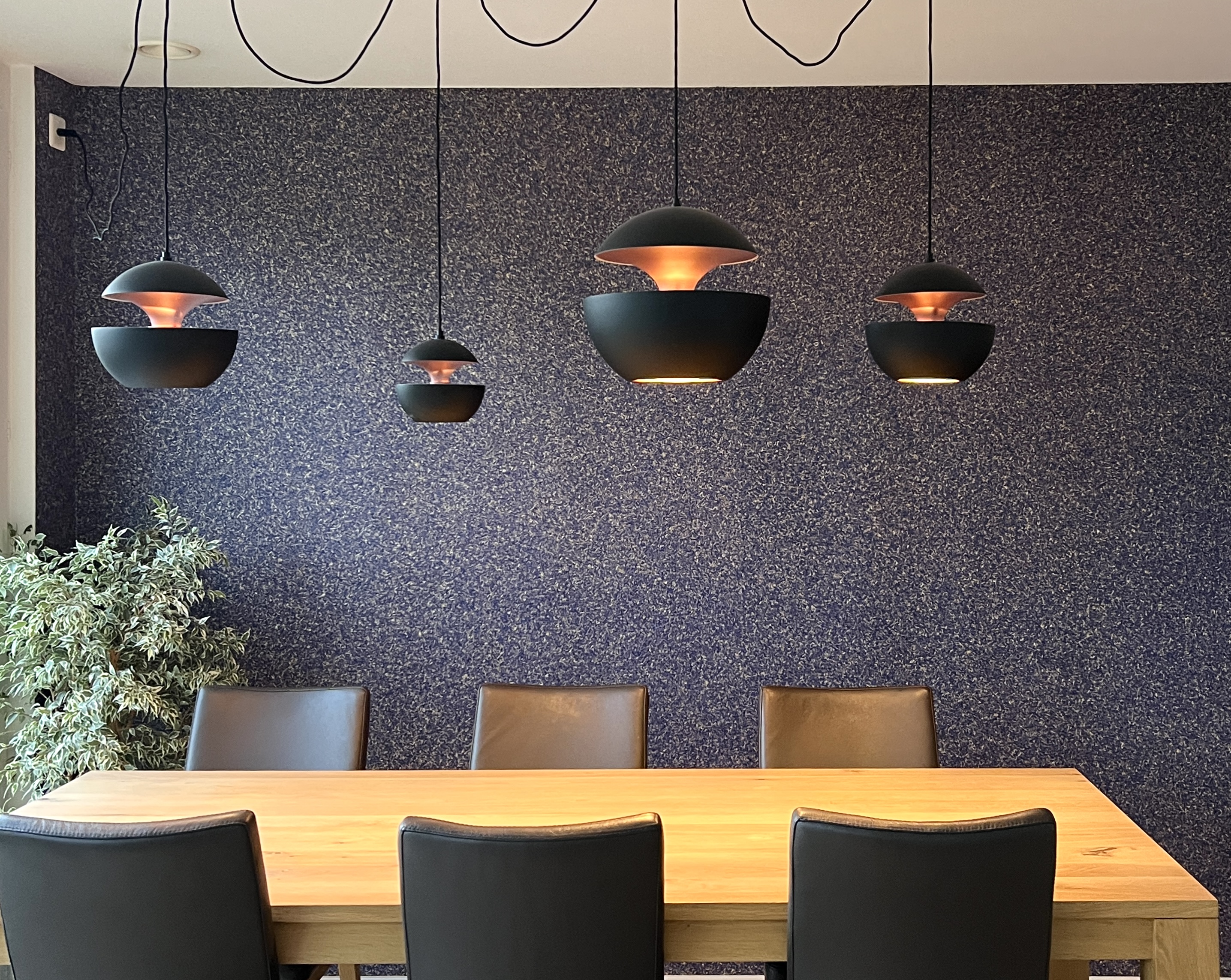
What is interesting is that both approaches challenge the dominance of synthetic finishes and point toward a broader material palette grounded in natural processes. Both forms of bio-derived materials demonstrate how surface innovation may lie not only in new technologies, but in rediscovering the sensory and environmental intelligence already present in the natural world. Regardless, it’s always a healthy feeling to be reminded of nature’s ceaseless and indiscriminate life-giving forces.