

Surface Perspectives: Stone Beyond the Surface

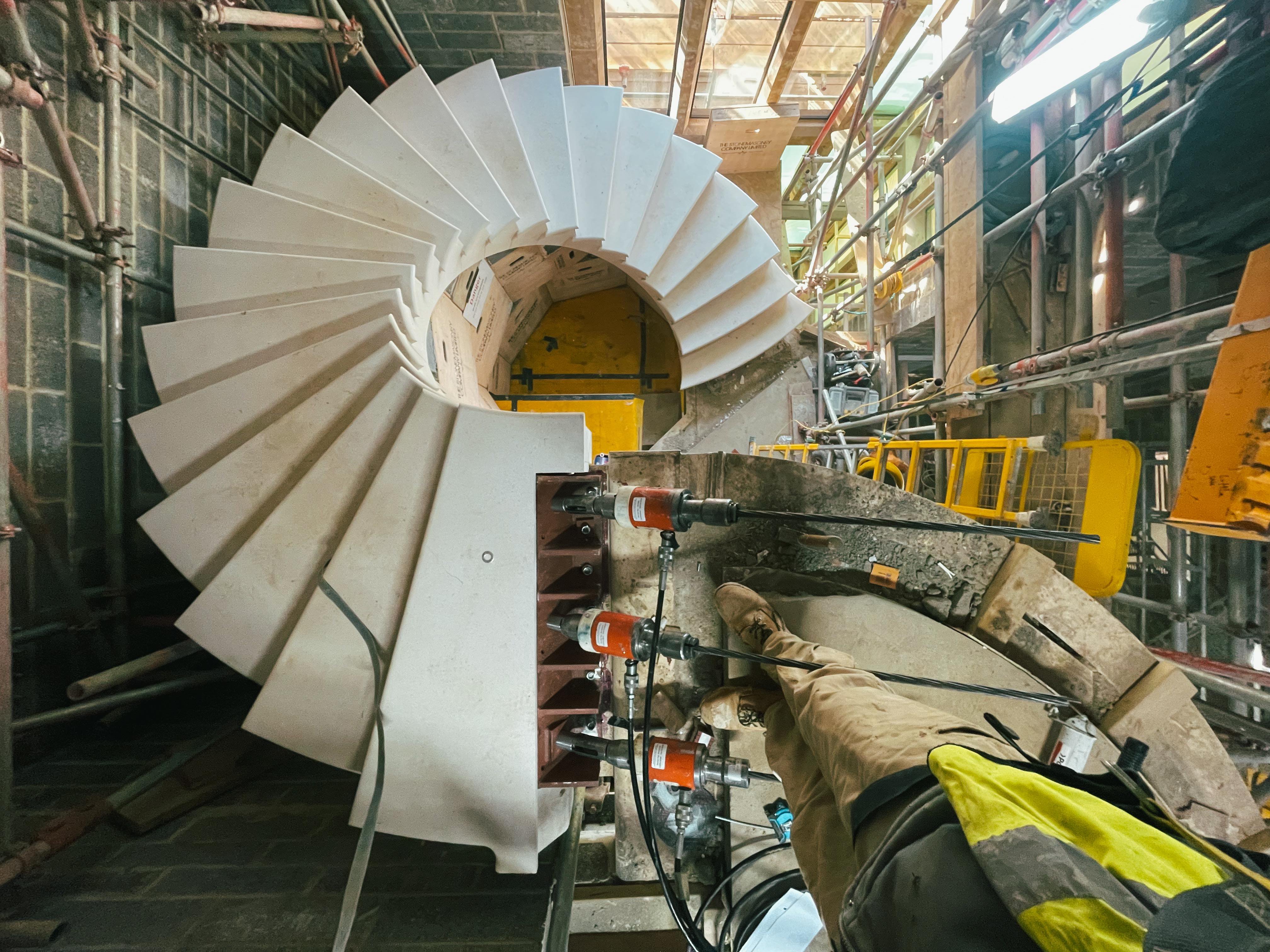
As we continue to mark the one-year anniversary of our Surface Perspectives series, we’re bringing together some of the themes that have emerged across the conversations to look more closely at the specification and use of stone.
The first article considered what informed specification means in practice, and why understanding performance, application and long-term value matters as much as appearance. But that raises another question: what happens when we stop thinking about stone primarily as a surface?
Across the interviews, there is a recurring sense that stone’s potential is much broader. It can be structural, sculptural, engineered, repaired, carved and integrated into architecture in ways that challenge the familiar distinction between structure and finish.
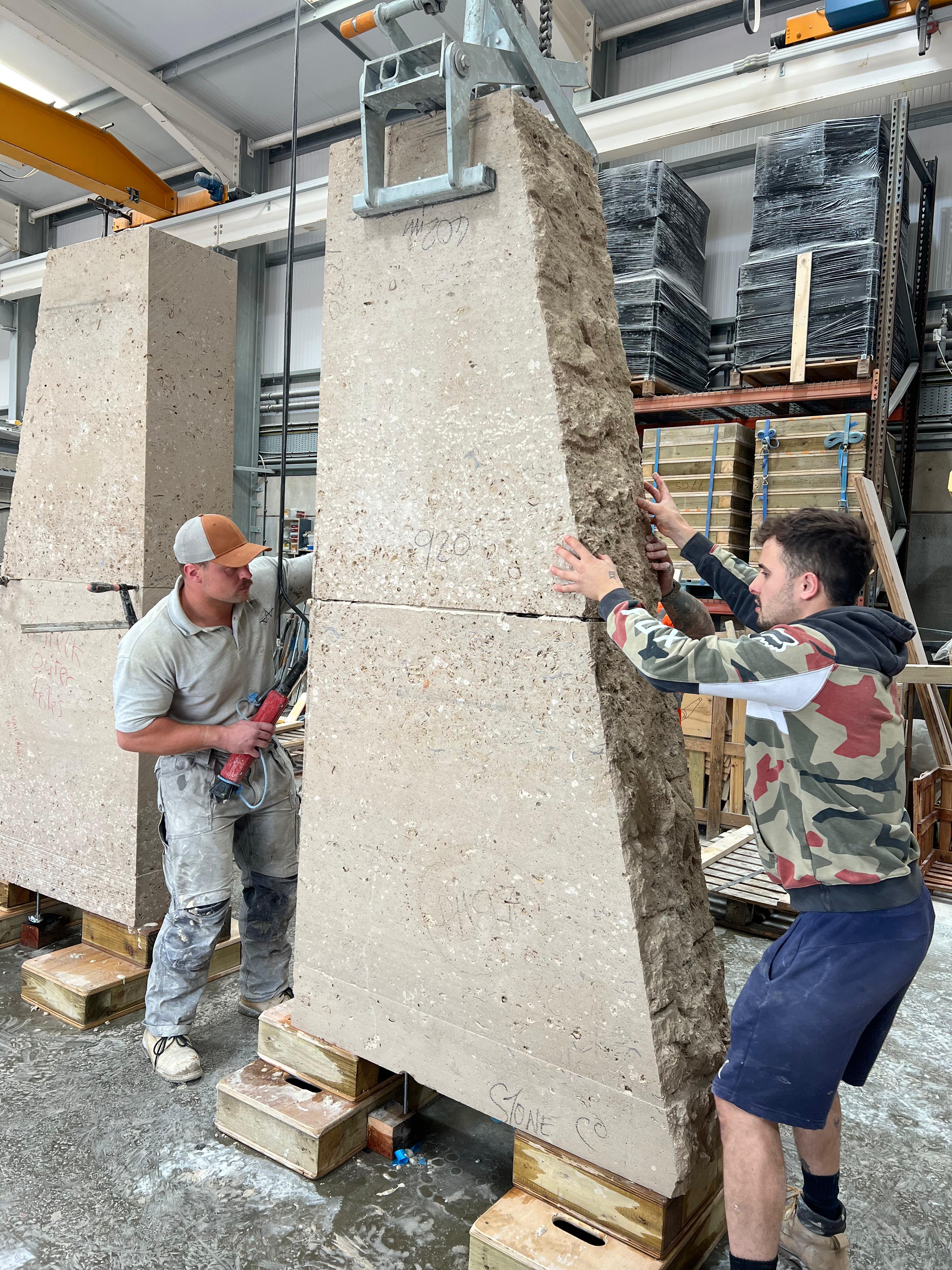
For Alex Bertrand of The Stonemasonry Company, that distinction is fundamental. His training with the Compagnons du Devoir du Tour de France gave him a grounding in stereotomy, geometry and the structural behaviour of stone. “The key lesson was that stone must be understood as a structural material first, not just a finish,” he says.
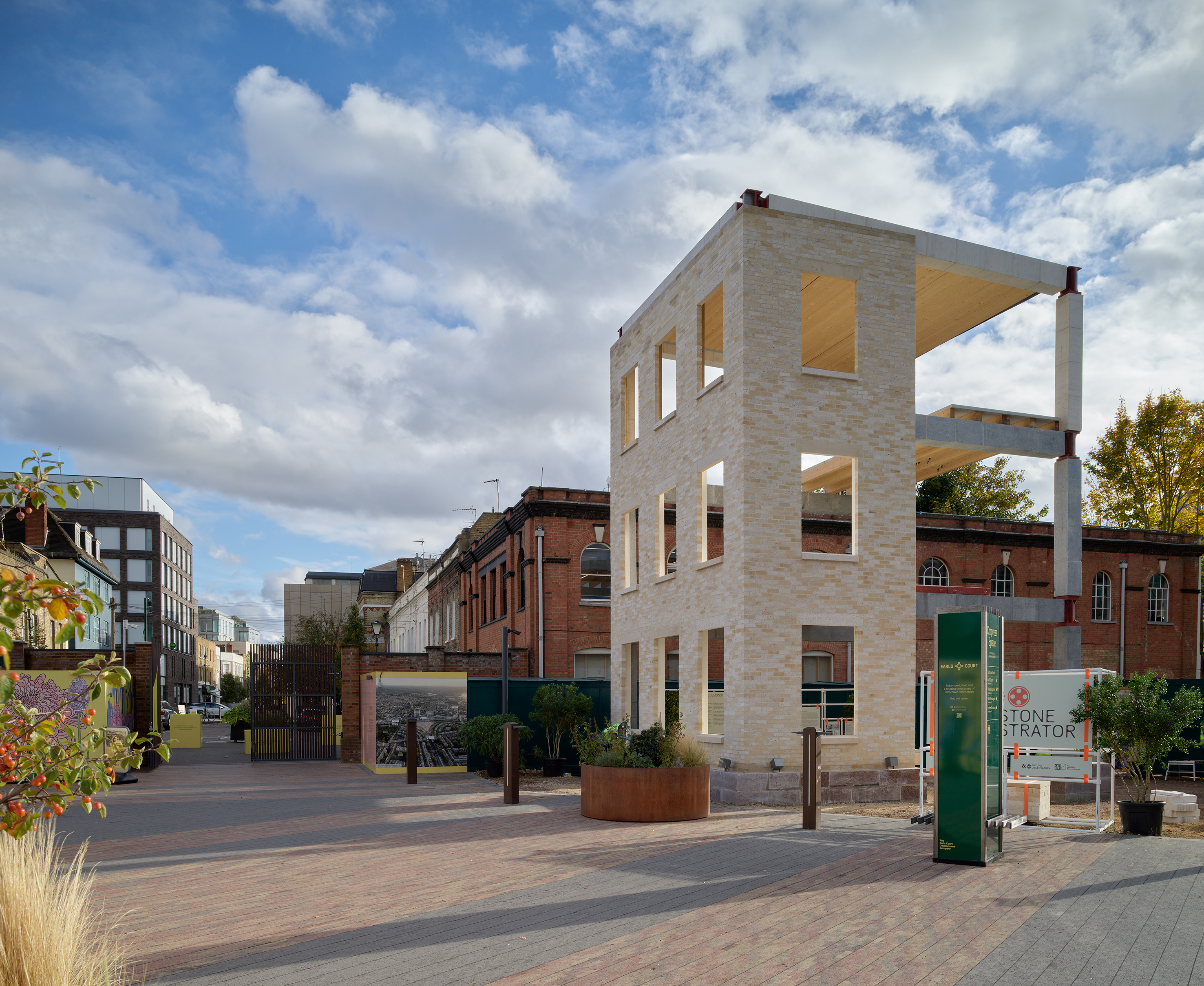
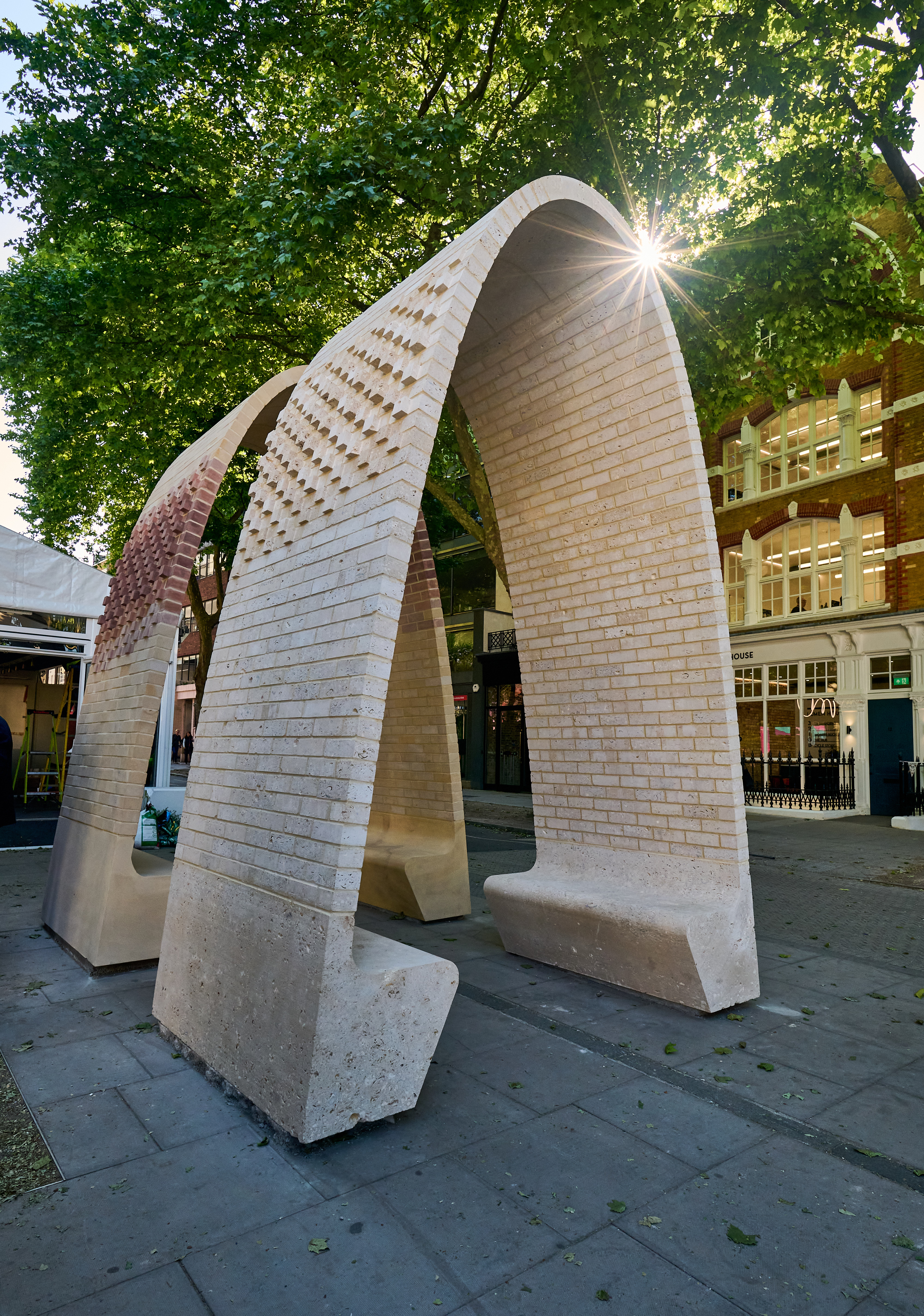
That perspective has helped inform the company’s development of post-tensioned, load-bearing stone systems, allowing extremely slender stone structures while maintaining safety and durability. It is an approach that challenges the assumption that stone belongs primarily to historic buildings, traditional construction or as a surface finish alone, which was underlined by the team's involvement with the Stone Demonstrator.
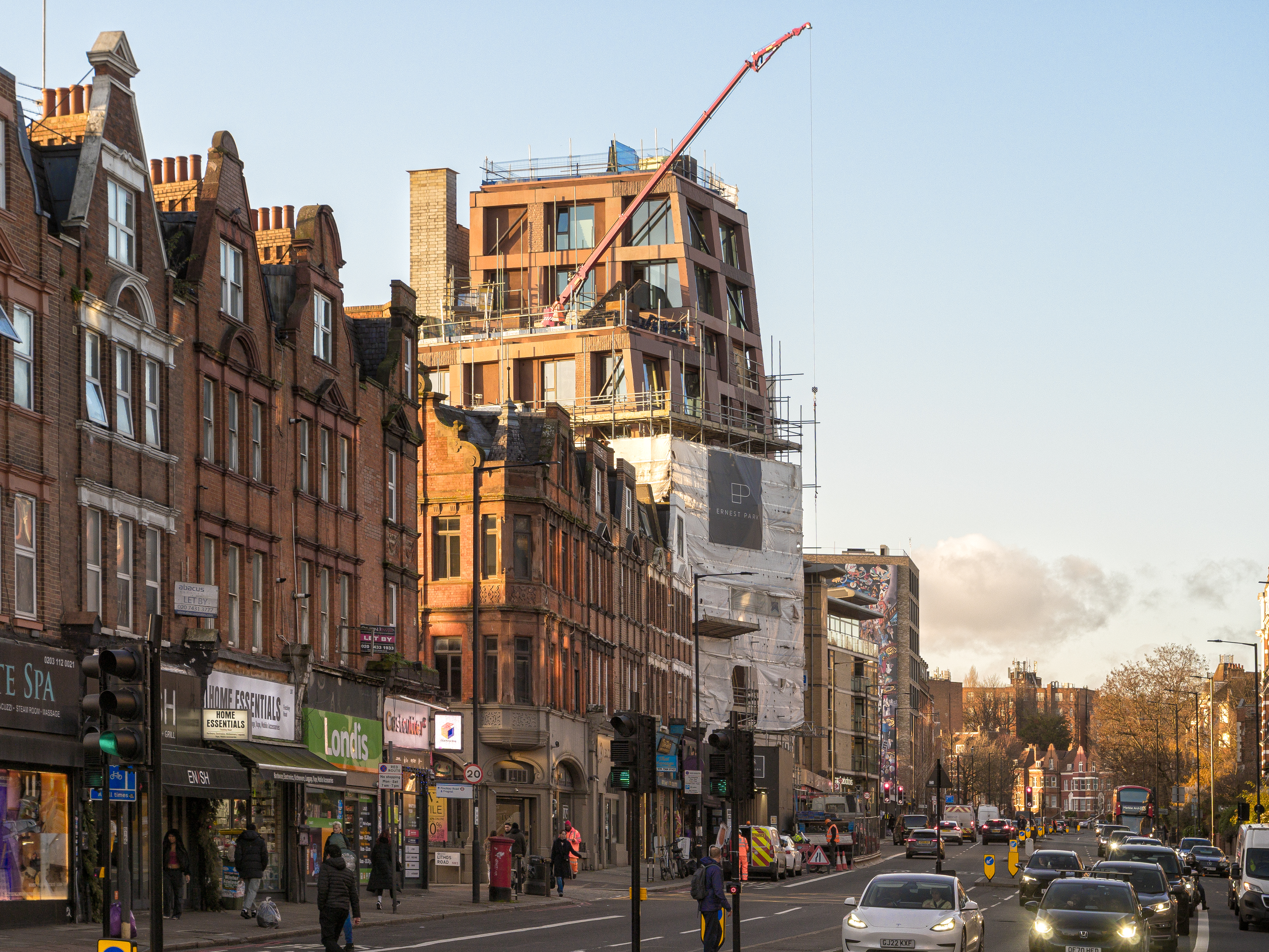
Another collaborative project that the company has been involved in is the pioneering 317 Finchley Road, which Ben Ayling of Lundhs points to as an example of what becomes possible when that assumption is challenged. The residential project is a rare UK example of load-bearing stone, and for Ayling it demonstrates what can happen “when stone is treated as a structural material rather than just a surface.”
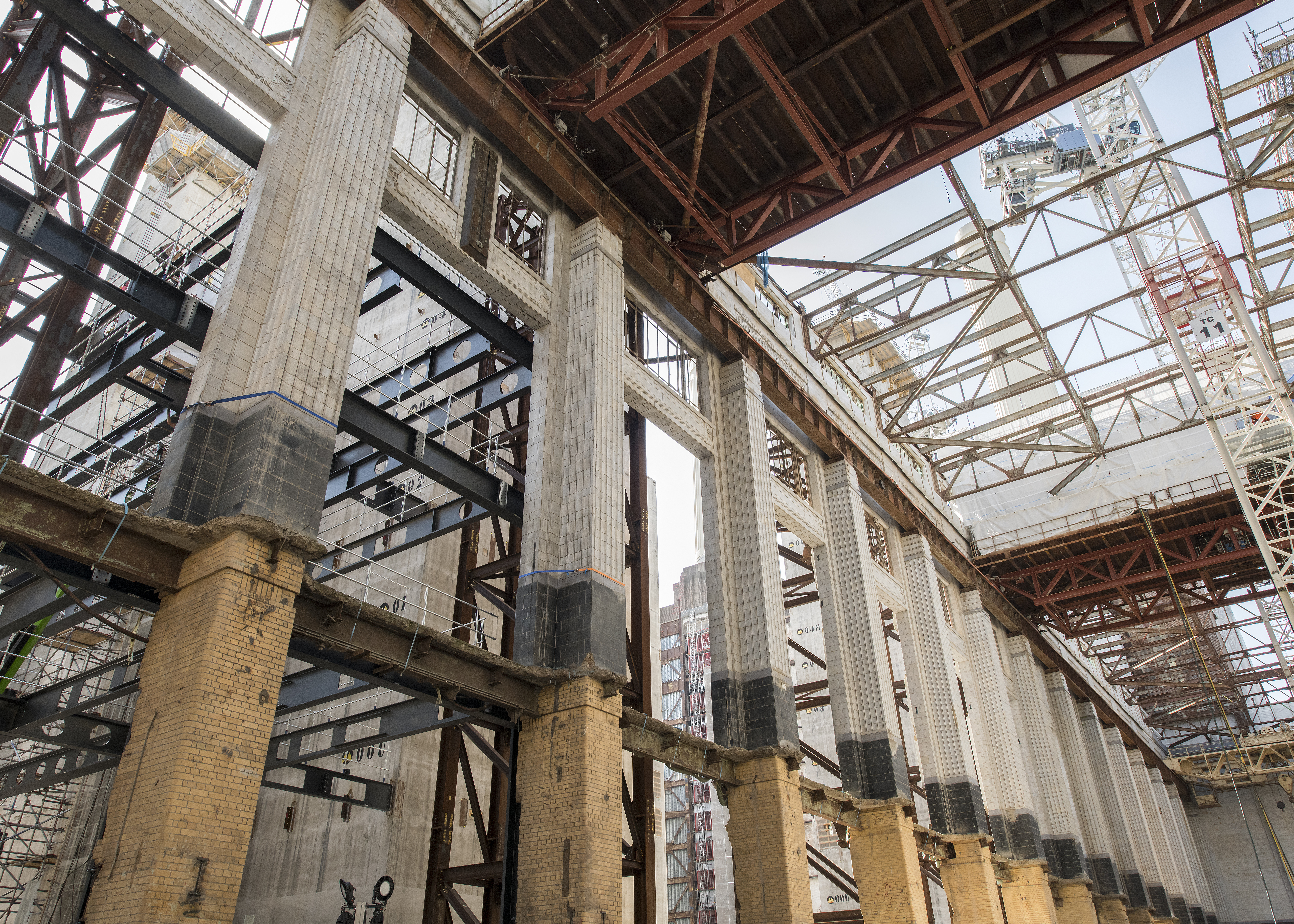
The distinction is important because the conventional use of stone can involve separating the material from the building’s structure. Thin stone is fixed to steel or concrete, with the stone effectively becoming a finish applied to another construction system. Tamsin Pickeral of Szerelmey questions whether this is always the most productive way to think about the material.
“Stone lasts pretty much forever,” she says, pointing to the historic record of buildings and monuments that have survived for centuries. But she also notes that modern construction often involves slimmed-down stone fixed to steel or concrete, whereas traditionally “the stone was the structure”.
She does not suggest that traditional construction can simply be reinstated across the board. Instead, seeing opportunities for structural and post-tensioned stone in appropriate projects, potentially reducing the amount of steel and concrete required.
For Marcus Paine of Hutton Stone, this broader understanding of stone also requires greater knowledge of the material itself. As a fifth-generation quarrier and supplier, he is conscious of both “the potential and the limitations” of different stone types. That knowledge affects what can be extracted, how it can be worked and how it should ultimately be specified.
Stonemason Blair Woodland arrives at a similar conclusion through the much more tactile experience of laying stone. “Stone is never just a material, it defines the finished work,” he says. His experience working with slate in Cornwall has shown him how much variation can exist even between quarries situated only a few miles apart. As a result, colour, size and character all become part of the decision-making.
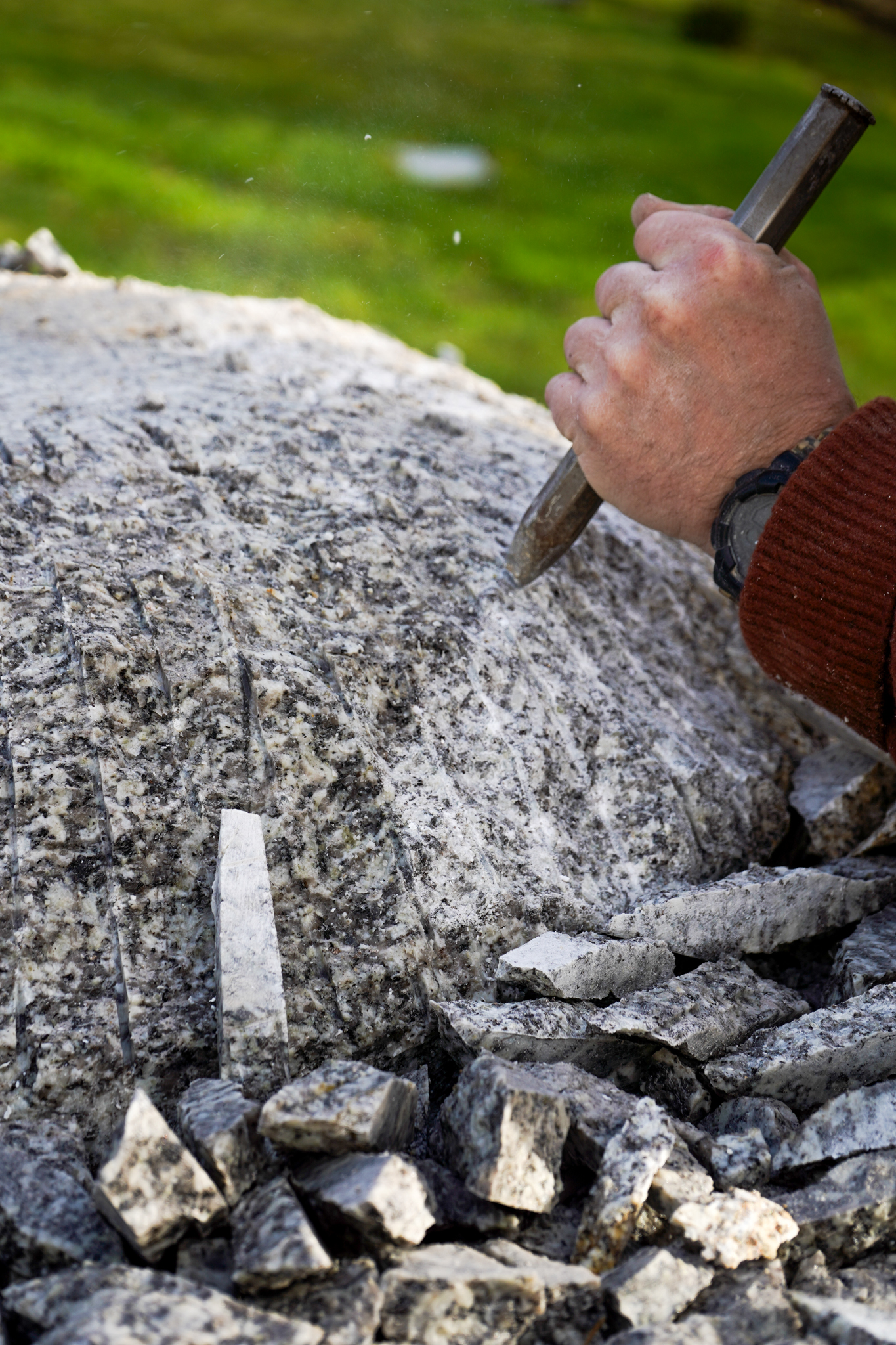
Perhaps unsurprisingly for sculptor and historic stone carver, Zoë Wilson, that individuality can also be a design asset. She works almost exclusively with British stone, allowing its geology to influence the finished work. “The geology, colour, fossil content and texture all influence the finished piece,” she says. Rather than attempting to remove those characteristics, her work allows them to remain visible.

Kitchen designer Faye Newman highlights that the same principle can apply to interior design. She sees stone as an opportunity to move beyond the conventional worktop, using full slabs to create splashbacks, shelves, islands and waterfall ends, while translucent stone can be backlit, while changes in thickness can become part of the design itself. For architects House of EM, materials similarly influence more than the appearance of a room. Emma Bodie and Matthew Sanders describe handling samples to assess tone, texture and finish, but also how materials will age and perform. “Materials aren’t just decorative; they shape the mood, character, and identity of a home.”
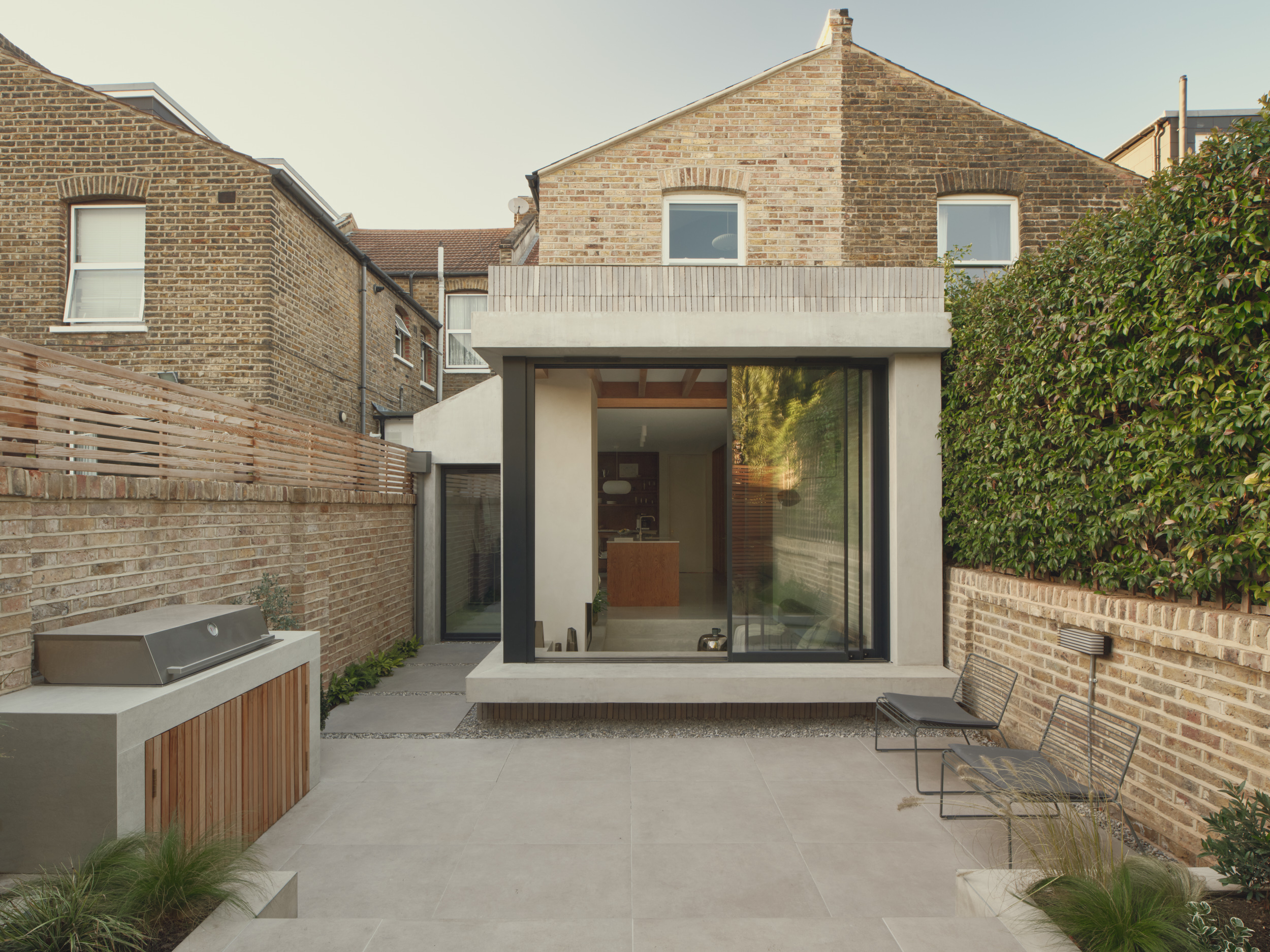
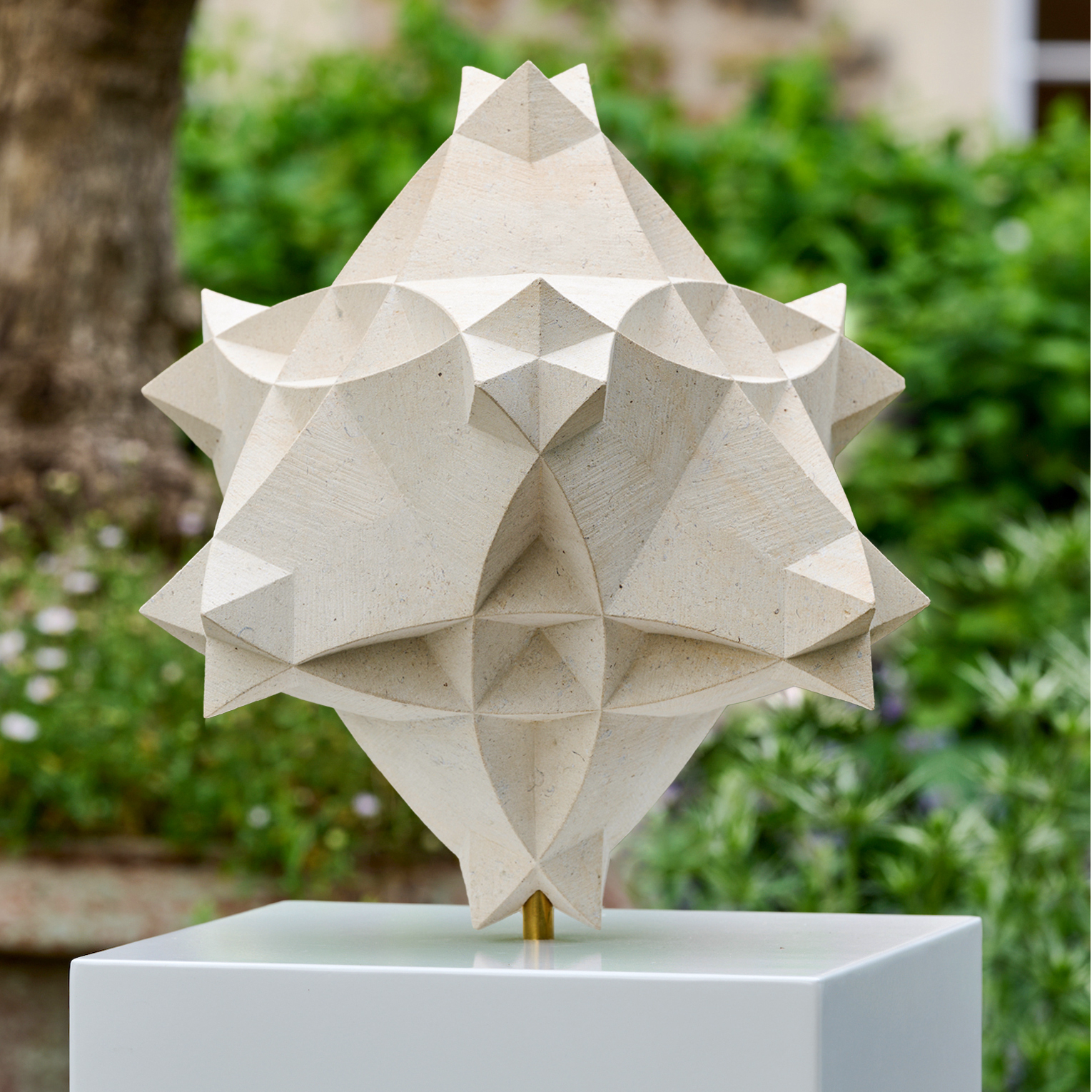
Even as an artist, that idea of material as an active part of architecture also emerges in Livia Spinolo’s work. Her practice brings together stone, clay, metals and found materials, with physical properties informing the development of each project. “The artwork usually develops from the material’s inherent characteristics rather than from an imposed artificial aesthetic,” she says.
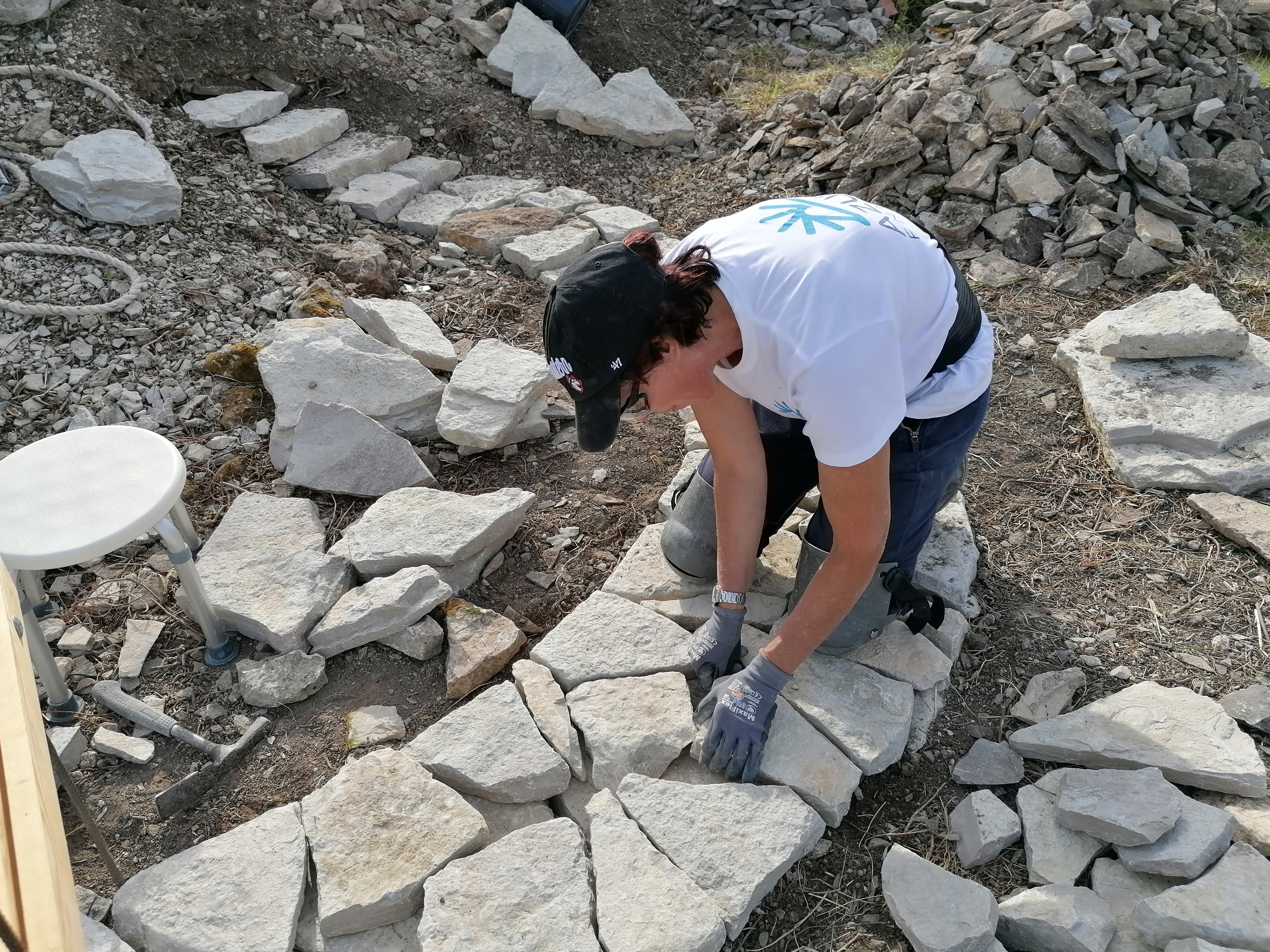
Her Portland stone installation Ab Initio takes that principle into the landscape, using the physical properties of the stone to create a sculptural habitat. Here, stone is neither simply structure nor finish, but an element with an ecological function.
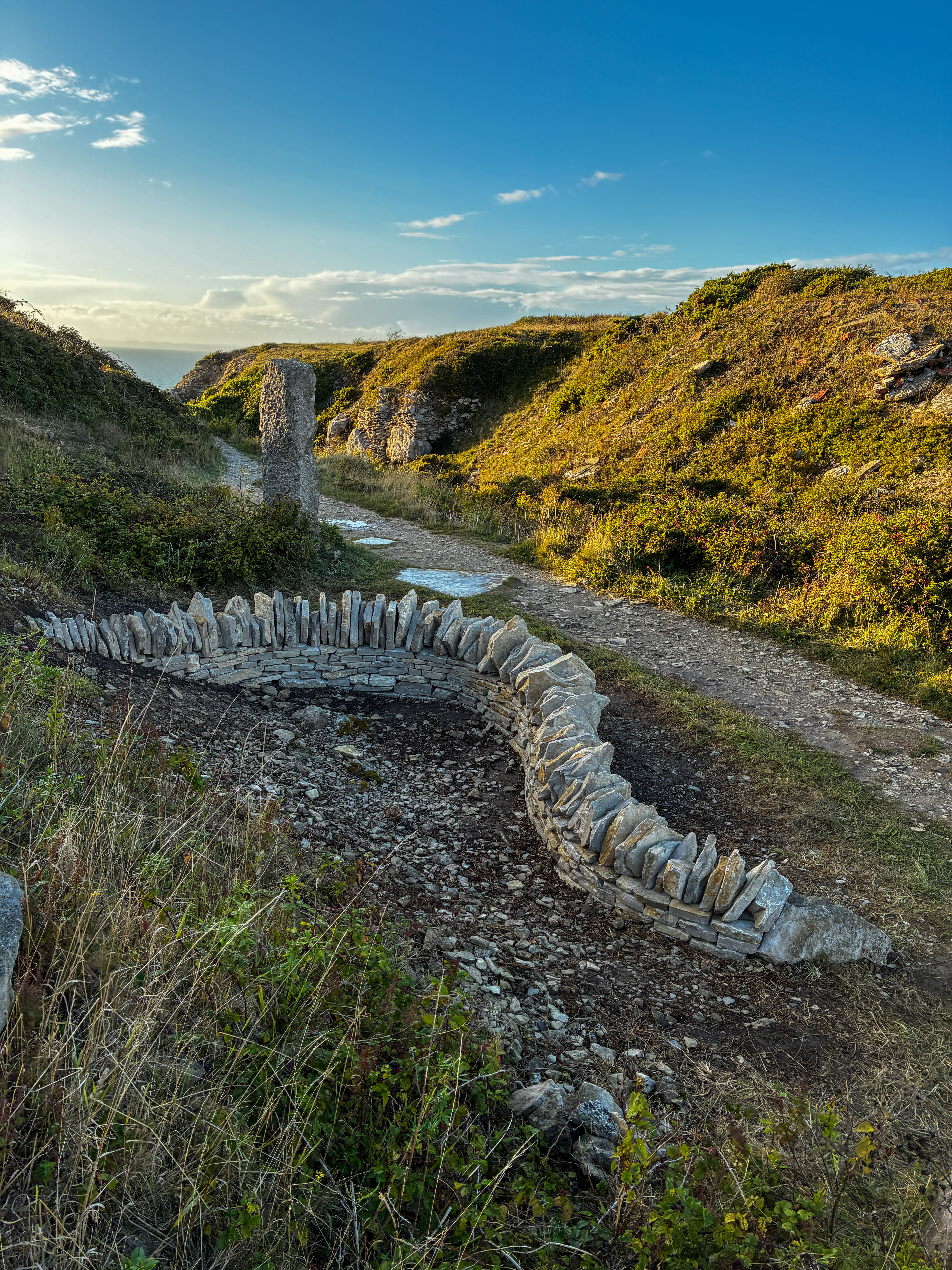
The conversations therefore suggest that the most interesting question is not whether stone should be regarded as structure or surface. It is whether the distinction is useful at all. When its strength, weight, geology, texture, variability and capacity for repair are understood, stone becomes a much more active design material. It can determine form as well as finish, influence construction as well as appearance, and contribute to the identity of a building rather than simply dressing it.
For an industry accustomed to treating stone as one material choice among many surface options, that represents a significant shift. The opportunity is not necessarily to use more stone, but to understand more fully what the stone already being specified can do.