From the organisers of The Stone & Surfaces Show

  • Log in
  • Home
  • News
  • Jobs
  • Call for Submissions
  • Events
  • Advertise
  • Home
  • News
  • Jobs
  • Call for Submissions
  • Events
  • Advertise
Main Image
img_20230215_180118_797.jpg

Surface Perspectives: Rachael Wragg, Lincoln Cathedral

2025-12-03


Fresh off the back of winning the On The Tools Traditional Craftsperson of the Year Award, stone mason Rachael Wragg shares with us some of her unique perspectives from her role at Lincoln Cathedral. 


What does a typical day look like for you?


Work at the cathedral can be very repetitive like a lot of masonry jobs; working the same stone for weeks or re-pointing on the building for months. But at the same time it can be changeable and reactive. We're part of the staff on a working building, so are often called on to do emergency repairs in the building, help the faculties team moving equipment, and even emptying the gutters when they overflow! There's always a weird odd job to get roped in to, but it keeps it interesting. 


How integral are materials to your day-to-day?  


Obviously stone is integral to my job. We are very lucky at Lincoln to have had our own quarry for many decades (recently quarried out!) and have a large supply of stone reserved for repairs to the cathedral. We recently opened a new cutting facility with 2 new saws so we can process our own stone. This direct line to a stone source means we can access the materials we need very quickly. 


What are the biggest lessons you have taken forward from your original training? 


I was very lucky to be part of one of the last class of apprentices to be able to complete the traditional level 3 NVQ apprenticeship qualification before the course was changed. This meant I was able to spend much more time on the tools. Time spent on the tools, gaining that experience is invaluable in this craft. 


After my apprenticeship in masonry at Lincoln cathedral I went on to complete a foundation degree in Historic buildings conservation and repair with the Cathedral Workshop Fellowship (CWF), and am now halfway through a master's degree in Historic Buildings Archaeology at York University. Going in to higher education while working has given me a broader perspective of my job as a cathedral mason and helped inform my path through the cathedral workshop system. 


Which project/s are you most proud of being involved with and why?


I was very proud to have contributed in a small way to the West Front works at Lincoln 5 years ago. But most recently, building two full new pinnacles on Lincoln Cathedral's 13th-century chapter house has been a real highlight! It's not often that you’re able to completely rebuild an entire feature like that, so it was a real treat! 


What do you feel are the main challenges facing the stone and surfaces industry today?


I think getting new people, especially young people, interested in training as masons or heritage craftspeople in general. 


Heritage crafts in England are made up of an ageing workforce with very few youngsters coming through. It sadly only takes 2 generations for a craft skill to die out, so we urgently need new people to train in these trades. Our built heritage in the UK is an essential part of our culture, and if we lose the intangible heritage -and the skills to maintain them - then we will start to struggle to maintain our beautiful buildings. 


In your opinion, what are the positives of using stone in the built environment?  


I think using any natural material - stone or wood - gives people more connection to the natural world. Aside from the sustainability aspect, there's something very tangible and grounding about living and working amongst natural materials. 


limittext
Off
Exclude From Lists
Include
Company Tags
M10
CAPTCHA
SEO Title
Ever wondered about the life of a cathedral stonemason?
Read more
Main Image
co-create_c_make_architects.jpg

News: Make Architects Marks 20 Years with New Exhibition

2025-12-02


Make Architects is celebrating two decades of design, collaboration and community-building with CO-CREATE, a major exhibition at the Building Centre in London from 17 November to 8 December 2025. Set within the venue’s Main Gallery, the show offers visitors a rare look behind the scenes of one of the UK’s most distinctive architecture practices, with a particular emphasis on the materials, models and tactile processes that underpin Make’s work.


Founded in 2004 by Dr Ken Shuttleworth, Make established itself as the UK’s first employee-owned architecture practice, a structure designed to give every staff member a voice in the design process. That ethos remains central to the practice’s identity. Shuttleworth founded Make with the belief that architecture benefits from collective intelligence: a studio where ideas are shaped through dialogue, constructive exchange and shared ambition rather than top-down direction.


The practice’s collaborative approach is underlined in the exhibition’s title. CO-CREATE reflects the range of conversations that inform Make’s projects, with clients, end users, local communities, researchers and the next generation of designers. This philosophy is presented through an array of  intricately detailed and beautifully created physical models, alongside sketches and developmental drawings that come to life on large projection screens. The meticulous detail of such models highlights the practice’s devotion to iterative testing and helps to inform viewers just how projects such as Four New Bailey, Eden and One Leadenhall evolved.


Make is known for its investigative use of materials and its willingness to interrogate both traditional and emerging construction methods. CO-CREATE foregrounds this aspect of the practice’s work, with displays focused on material samples, research prototypes and mock-ups that illustrate how stone, brick, timber and hybrid material systems have shaped the form, performance and identity of Make’s architecture. 


As the architectural sector continues to scrutinise embodied carbon, local sourcing and the circularity of materials, Make’s decision to feature these elements prominently offers timely insight into how contemporary practices are responding. The exhibition positions materials not as afterthoughts but as foundational drivers of architectural expression, environmental performance and community impact. Alongside them, 3D printers whir, producing forms from thin air in just the same way the team creates the awe-inspiring scale buildings using plant-based PLA filament.


As a practice, Make balances imaginative design with a commitment to resilient placemaking — delivering buildings and public spaces that prioritise longevity, social value and environmental responsibility. With studios in London, Hong Kong and Shanghai, Make operates across a diverse range of typologies, including workplace, residential, cultural and urban design projects, always with an eye to material integrity and contextual sensitivity.


Through CO-CREATE, visitors are be able to trace how these principles translate into built reality. 


The exhibition runs at the Building Centre from 17 November to 8 December 2025, with entry free to the public.


limittext
Off
Exclude From Lists
Include
Company Tags
M10
CAPTCHA
SEO Title
Make Architects Marks 20 Years with New Exhibition at the Building Centre
Read more
Main Image
mark_hudson.jpeg

Surface Spot: Hand Carved Portland Stone

2025-12-01


As we recently shared, the One Island, Many Visions exhibition and symposium, hosted by the Portland Sculpture & Quarry Trust (PSQT) in Doreset, showcased many unique uses and interpretations of stone.


One such example comes from sculptor Mark Hudson, who produces most of his works intuitively with direct carving. Such an immediate and unplanned process requires a yielding stone that can still endure physical impacts. Portland Stone can be carved in any direction, and has qualities that the carver can respond to such as greater or lesser hardness or softness, small fossil remains, hollow parts, inherent fault lines, and pre-shaping by quarrying. 


Mark is a committed stone sculptor who is currently undertaking an MA by Research at Oxford Brookes in partnership with the Portland Sculpture and Quarry Trust. Mark Hudson has been based at the Portland Sculpture and Quarry Trust for the past four years on a residency where he has produced works such as Body Bound. He describes the piece as having “An energy and movement which reflects the writhing, externally expressed organs of a body, constrained by the large rope that binds it,” and offers a prime example of the intricate forms that Portland Stone allows with careful craftsmanship.


limittext
Off
Exclude From Lists
Include
Company Tags
M10
CAPTCHA
SEO Title
Getting the most out of carvable portland stone
Read more
Main Image
img_5998.jpg

Dry Stone Walling Creates Sculptural Habitat

2025-11-28


Ab Initio is a new, 8m long, permanent installation at Tout Quarry Sculpture Park & Nature Reserve in Portland, Dorset. The piece was created by Livia Spinolo as part of the One Island, Many Visions exhibition, a collaborative event between Portland Sculpture & Quarry Trust (PSQT) and artist members of the Royal Society of Sculptors (RSS).


Materiality is at the heart of Livia’s practice, and the opportunity to participate in a 6-month residency allowed her to undertake a practice-based investigation into the ecological, historical, and cultural dimensions of Tout Quarry Sculpture Park and Nature Reserve, while gaining insight into the PSQT multidisciplinary approach to landscape regeneration. The residency culminated with the group exhibition in the autumn, but the legacy of the work lives on.


Image Credit: Mark Vellacott

Image Credit: Mark Vellacott


Latin for “from the beginning”, Ab Initio signifies a return to origins, reconnecting with principles of place, ecology, and the craft of dry-stone walling. The artwork highlights how traditional walling skills can be integrated into contemporary art practice to address environmental change and support habitat regeneration.


It is a sculptural habitat designed with curved lines that capture sunlight from varying angles. Its amphitheatre-like forms reflect and retain heat within the concave structures, generating a microclimate with slightly elevated temperatures that creates shelter and encourages plant growth. The elevation of the walls above the ground reduces wind speed, aiding the dispersal and settling of wind-borne seeds. Cracks and cavities within the dry-stone walls have proved to be ideal niches for flora, insects, invertebrates, and small mammals. The thermal properties of the stones are particularly beneficial for small reptiles, offering warmth and shelter. The developments of the sculptural habitat will remain under observation and will be documented in the years to come.


The project, sponsored by Dorset DSWA, was initiated in partnership with fellow artist Ros Burgin MRSS and developed in collaboration with Peter Curtis and Phyllis Warren of the Dorset Branch of the Dry-Stone Walling Association, Hannah Sofaer, Creative Director of the Portland Sculpture & Quarry Trust, and with valued contributions from naturalist Bob Ford (PSQT).


For more information about the residency visit: www.learningstone.org/micro-residencies/livia-spinolo


limittext
Off
Exclude From Lists
Include
Company Tags
M10
CAPTCHA
SEO Title
How can art and dry stone walling create habitat?
Read more
Main Image
shg11.jpg

Talking Stone Heritage With Stone Federation

2025-11-28


The enduring relevance of traditional stone craft was placed firmly in the spotlight earlier this month as the Stone Federation hosted the latest edition of the Stone Heritage Conversation at the Society Building in London. At a time when the construction industry is reassessing the carbon cost of its material choices, the event set out a timely reminder: heritage-led stone practice, rooted in repair, reuse and longevity, offers lessons that modern construction can no longer afford to overlook.


Bringing together heritage architects, structural engineers, contractors and client bodies, the evening was chaired by the Federation's Stone Heritage Forum and opened with a welcome from Stone Federation Chief Executive Jane Buxey, followed by a keynote from Stone Heritage Chair Bernard Burns. Both emphasised the growing need for conservation-minded approaches as the sector looks for low-carbon strategies grounded in proven durability.


Speakers reflected the breadth and depth of contemporary heritage work.
Will Palin, Chief Executive of Barts Heritage and Patron of Sheerness Dockyard Trust, presented the multi-award-winning Sheerness Dockyard project, an exemplar in sensitive repair and adaptive reuse. Jamie Coath, Senior Partner at Purcell, explored the Manchester Town Hall scheme, highlighting how the project’s commitment to nurturing the next generation of craftspeople is as significant as the restoration itself.


Robert Greer, Director at PAYE Stonework & Restoration, delivered an insightful session on spolia, the ancient practice of reclaiming and reusing stone, positioning it as highly relevant amid today’s retrofit agenda. As his essay in the first Stone Collective book underscores, the heritage sector’s long-established methods align naturally with circularity and resource efficiency.


The evening concluded with a panel discussion featuring Historic England’s Clara Willett and Szerelmey’s Bernard Burns, who, alongside the speakers, unpacked shared themes around long-term stewardship, embodied carbon, and the vital role of specialist skills in safeguarding historic assets.


Across presentations and the discussions that continued into the networking session, a clear message emerged: the heritage stone sector offers a vital corrective to the quick, high-carbon construction approaches that dominate much of today’s industry. Its methodologies, centred on repair, reuse, longevity and material integrity, provide not only cultural and architectural value but a credible pathway toward genuinely sustainable building.


Stone Federation extends thanks to the evening’s speakers, to sponsors PAYE Stonework & Restoration and Stonewest, and to all who attended and contributed to another successful Stone Heritage Conversation.


limittext
Off
Exclude From Lists
Include
Company Tags
M10
CAPTCHA
SEO Title
Stone Federation Spark a Conversation About Stone Heritage
Read more
Main Image
stone_demonstrator_photo_credit_bas_princen_courtesy_of_the_design_museum_and_future_observatory_2.jpg

Stone Demonstrator is Live!

2025-11-27


Future Observatory has pulled back the curtain on the Stone Demonstrator, a three-storey, open-air prototype now standing in Empress Place on the Earls Court development site. Designed by Groupwork with engineering input from Webb Yates and Arup, the structure is already turning heads across the stone and construction sectors.


At first glance, it reads like many other facades, with supportive columns holding up and brick casing. Look closer, and it becomes clear the team has created a bold architectural statement aiming for nothing short of a rewrite of the UK’s construction playbook. 


The pre-tensioned stone frame, built from modular blocks compressed with steel tendons, promises around 90% lower embodied carbon than an equivalent steel frame and 70% less than reinforced concrete. Add to that a prefabricated kit of parts, reusability, and stone brick façades boasting at least 90% lower carbon than fired clay, and the message is unmistakable: stone is stepping back into the frame, not as heritage nostalgia, but as a serious low-carbon contender.


It’s a collaborative affair, with key players including Hutton Stone, Albion Stone, The Stone Masonry Company and Lunhds. Backers include the Design Museum’s Future Observatory, AHRC, and the Earls Court Development Company, who see the Demonstrator as both a research tool and a spark for industry-wide change. UCL engineers are already developing an accompanying design guide, another sign that structural stone is edging closer to mainstream viability.


For now, the Stone Demonstrator stands as a provocation: a full-scale invitation for architects, engineers and developers to rethink the materials we take for granted. And given its potential applications, this is only the start of a longer story.


A story that, in the coming weeks, Stone Specialist will be diving deeper into. Watch this space for more about the technical innovation,  supply chain behind the project, and what this could mean for the future of commercial stone construction.


Images by Bas Princen courtesy of Design Museum and Future Observatory


limittext
Off
Exclude From Lists
Include
Company Tags
M10
CAPTCHA
SEO Title
A structure that points to the future of stone construction
Read more
Main Image
low_carbon_industrial_elenite_buckland_brown_and_dawson_black3.jpg

Profile: Low Carbon Industrial

2025-11-26

Ten years ago, the world of terrazzo was almost exclusively a stone affair. Depending on who you ask, the material dates back as far as the ancient Egyptians. But the speckled surface we use today tells a circular economy story born out of affordability, having first been created by canny Venetian artisans with a plethora of marble waste at their disposal in the 15th Century. However, thanks to an inquisitive approach and research-led endeavour, we now have timber terrazzo made from wood waste, thanks to Foresso. 


And now the evolution continues. Building on Foressso’s success, Low Carbon Industrial (LCI) is an innovative materials company that’s on a mission to reduce the carbon footprint of architectural materials without compromising performance, aesthetics, or practicality. The aim is clear: to create thoughtful low-carbon alternatives that support both design excellence and environmental responsibility.


At the core of their approach is the idea of repurposing existing infrastructure as they look at the realities of day-to-day manufacturing, and how to collaborate and create circular economies where they didn’t exist already. Keen to demonstrate commercial viability to the wider industry, LCI uses material design to improve, decarbonise, and revolutionise the built environment. Meaning it starts with the idea of ‘piggybacking’ on large-scale manufacturing techniques rather than trying to reinvent them. 


Drawing on the experience of launching Foresso, LCI has learnt just how much the design community values tactility, storytelling, and sustainability when executed well. The A&D community is demanding materials that balance performance, sustainability, and storytelling and the team underline the idea that if innovation isn’t visually appealing, people will have a reason not to adopt change. 


Conor Taylor, Foresso and LCI Co-founder, comments, “We live in uncertain, fragile times, and the rise of consumer interest in sustainability can be seen as a response to our ongoing need to consume. It’s a balance between consumerism and personal ethics that has led to a more thoughtful approach to how we shop, where we shop and what we buy.

At its core, sustainability is about doing less, and as a result brands are having to learn how to do more, but more responsibly. Changing tastes and expectations are rippling through every aspect of design as consumers look for products that not only bring pleasure, but they can also connect with in a meaningful way.”


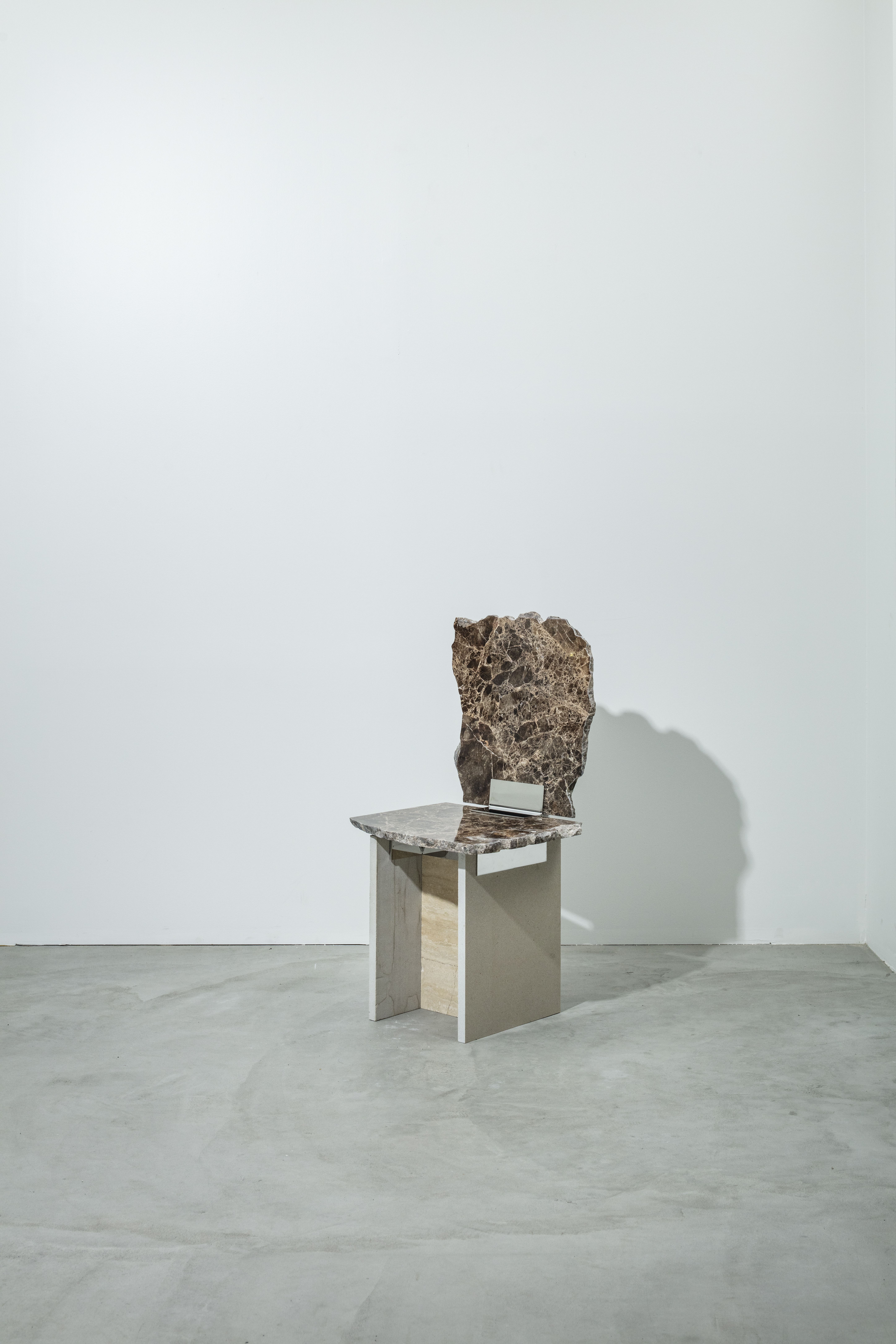
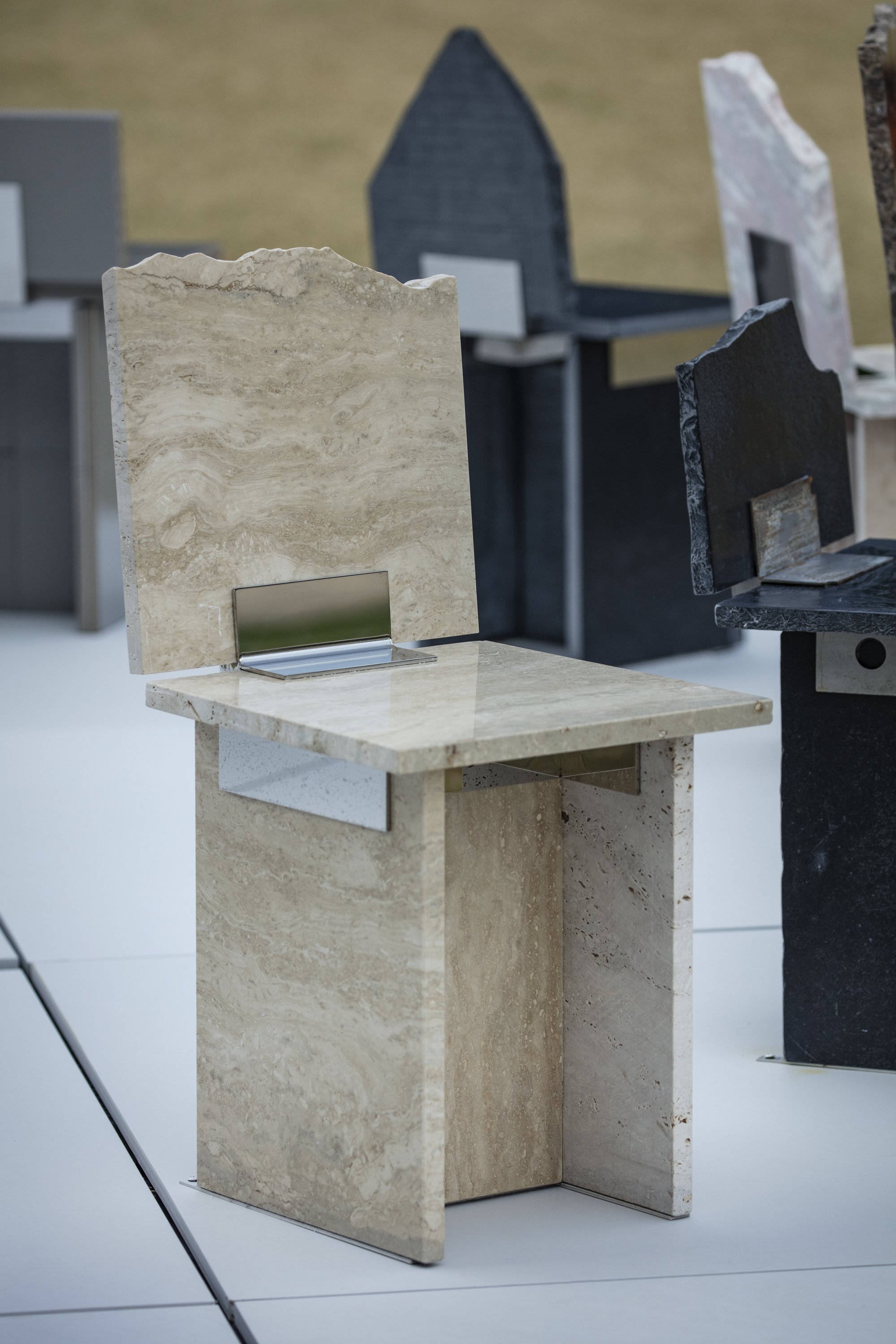
Elenite is LCI’s debut product, designed for architects, designers, and fabricators, it brings richness and character to solid surfaces, with versatile applications across kitchens, bathrooms, and furniture. Made from natural waste materials such as walnut shell, walnut dust, and bamboo fibre, it combines tactile warmth with natural pigments. The surface comes in four distinctive colours, allowing designers to integrate sustainability seamlessly into diverse palettes. Conor underlines the importance of the aesthetic choices behind the range:


“We are seeing a clear shift away from the mass manufacture of the 1990s and 2000s, when endless options of perfectly machined brass and polished stone dominated the industry - and our homes. Today’s consumers are seeking comfort and reassurance from their homes, which is why sustainable surface materials have become a natural, go-to choice. Their soft textures, warm colours, and inherent connection to nature helps to create spaces that feel grounded and restorative.”
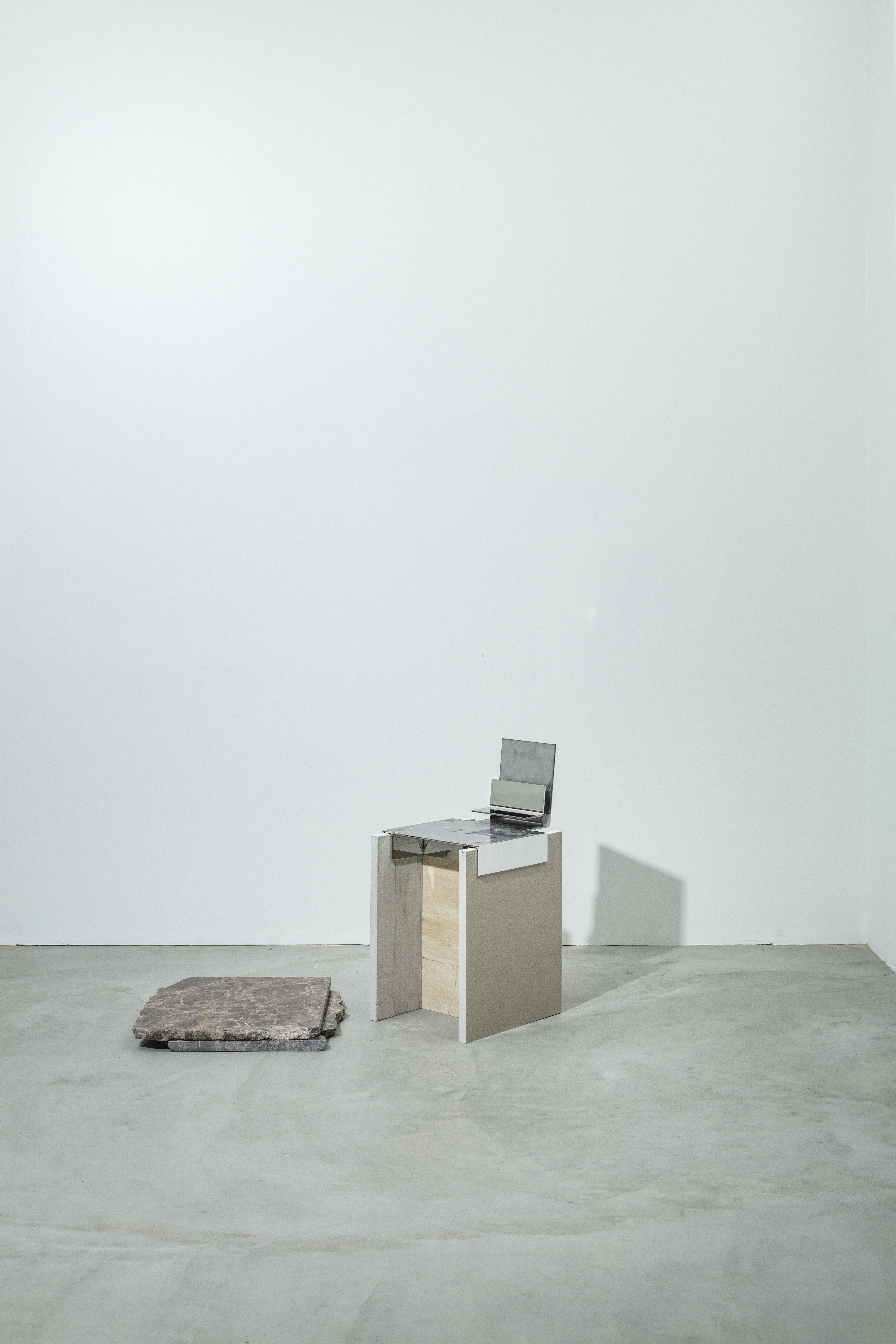


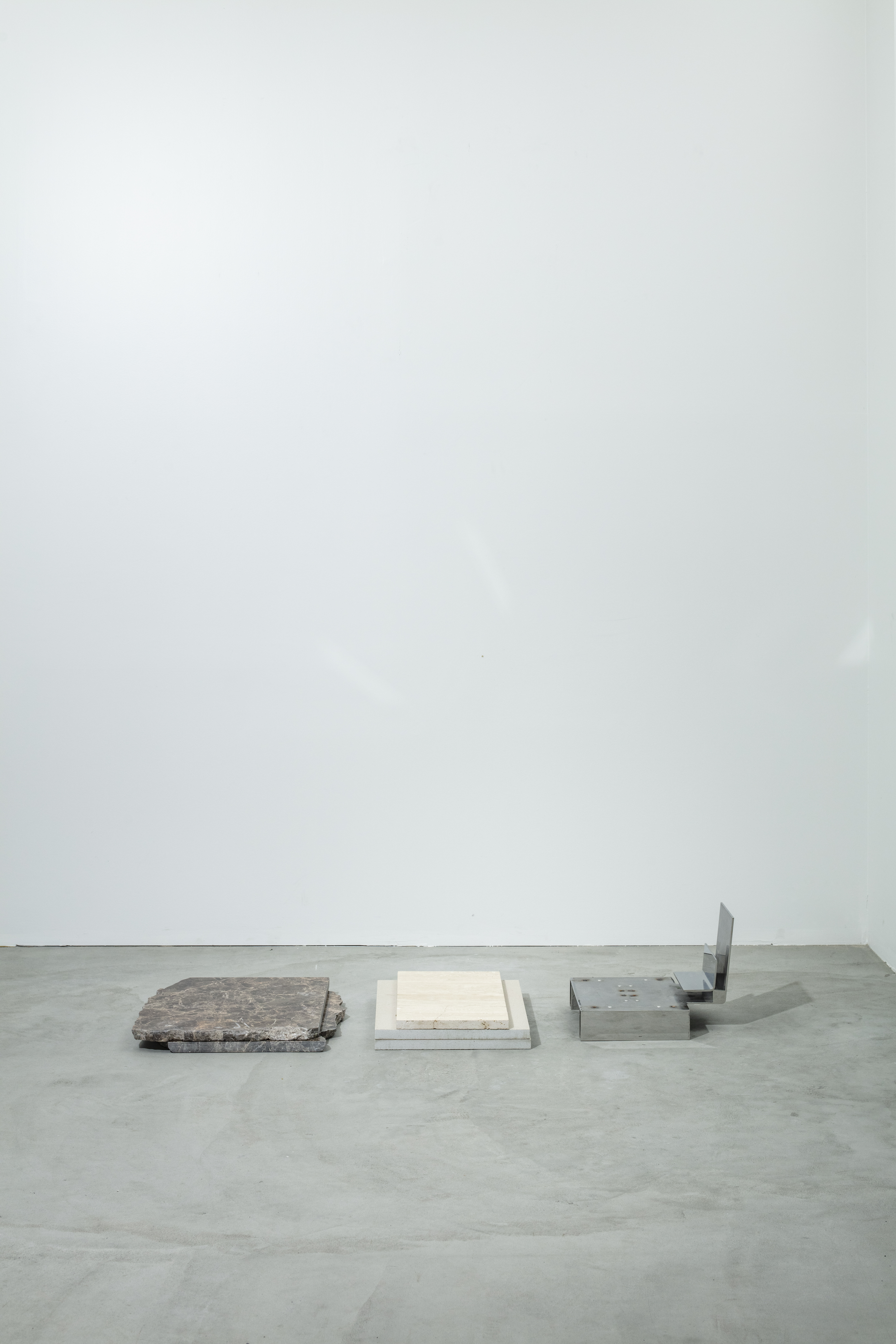
Engineered for high-specification environments, Elenite also delivers performance comparable with leading competitors while reducing embedded carbon by 29%, with future production targeting a 50% reduction. Made in partnership with Taiwan-based specialists Meganite, who share LCI’s commitment to doing things differently, it is set to be chosen by those who do, too. The benefits are clear; Elenite contains no silica, formaldehyde, or water, and it’s circular production process recycles all manufacturing waste, while end-of-life sheets can be returned for complete recycling into future batches. In each Elenite sheet, which measure 3660 x 760 x 12mm, there is 35% recycled resin, which equates to 1,900 600ml water bottles being recycled and reused per sheet.


Together with Meganite, LCI is proving that beauty, performance, and environmental intelligence can come as standard.


limittext
Off
Exclude From Lists
Include
Company Tags
M10
CAPTCHA
SEO Title
LCI offer thoughtful low-carbon material alternatives
Read more
Main Image
20251013_081212.jpg

Reinstating Value to Worktop Waste

2025-11-25


In a sector increasingly attuned to circular economy thinking, the Worktop Fabricators Federation (WFF) has announced a partnership with Reutilize, a platform designed to help fabricators turn underused stock into opportunity. For workshops where offcuts and full slabs often linger on racks “just in case”, the collaboration offers a simple, scalable route to material efficiency.


Reutilize provides a searchable, industry-wide database of surplus stone, quartz and porcelain. Instead of occupying valuable workshop space or, worse, making their way to landfill, offcuts can be listed for others to find and use. The idea is simple:  to make existing material visible. After all, in an industry rich with high-value resources, waste is often a problem of information rather than intention.


Tim Matthews developed Reutilize out of the day-to-day reality of managing Counter Production, a large fabrication business. He found that even the most efficient purchasing strategies can’t eradicate leftover material as “waste,” which the original buyer simply doesn’t need. Watching such surplus stock accumulate, he started asking a question central to today’s circular-economy mindset: “If we don’t need it, who might?”


The platform was built to answer that question at scale. Reutilize, he explains, is “a large, searchable, connected database of every registered company’s stock list, all in one place”, allowing fabricators to put leftover material in front of buyers who might already be searching for it. The logic is simple: “It makes no sense in a world of rising costs and resource depletion to make something new, when it’s likely it already exists… What one person sees as ‘waste’ is often another’s ‘need’.”


He adds that the WFF partnership was part of a natural evolution:  “I agreed early on that we would allow WFF members to use Reutilize for its members’ purposes, as they represented the right kind of companies we wanted to push for this initiative. Using up existing stock is important, but doing it through companies who are applying the correct levels of H&S is also important, even though Reutilize isn’t there to police this process.”


For WFF members, the partnership means an immediate opportunity to cut landfill, free up space and generate value from stock that would otherwise sit idle. Nigel Fletcher, Operations Officer for the WFF, comments:  “We’re delighted to be able to offer our members this service helping them to clear remnants, stop filling up landfill with offcuts, while adding to their bottom line profit. It’s a win-win and a great partnership for us.”


That said, Nigel has still observed varying perspectives among WFF members regarding remnant stock, noting that while business owners recognise its value, it may not always be the priority at the middle management level. To counter this, the team have incorporated a complementary inventory system into the platform, which will soon have its own independent website. As Nigel explains, “Reutilise data is managed in an Excel spreadsheet, allowing users to easily list stock items as visible or private, providing complete control over yard inventory. While basic, it can offer significant benefits, particularly for those who have not previously implemented such a solution.”


The platform’s wider ambition aligns neatly with the ‘reduce, reuse, reutilize’ banner, underlining actions seen across construction and architecture, where material reuse is no longer a fringe initiative but an essential strategy for reducing environmental impact while safeguarding profitability.  In collaborating with the WFF, Reutilize builds on success in the solid-surface sector, broadening access to a system that treats unused stock not as a burden but as a resource. 


limittext
Off
Exclude From Lists
Include
Company Tags
M10
CAPTCHA
SEO Title
WFF and Reutilize partner to unlock the value of waste
Read more
Main Image
1_s1310577_lundhs_hq_larvik.jpg

Surface Perspectives: Ben Ayling, Lundhs

2025-11-24


Ben Ayling is the UK business development manager for Lundhs, Norway’s leading supplier of Larvikite and Anorthosite, and member of The Stone Collective. Let’s scratch below the surface to find out what makes Ben tick…


What does a typical day look like for you?


My days revolve around helping architects, designers, and fabricators understand how natural stone can solve practical and aesthetic challenges. I spend much of my time visiting studios and sites, delivering RIBA-accredited CPDs, and reviewing upcoming projects where Larvikite may be the right solution. Communication is a major part of the role. I translate technical information from our quarries in Norway into clear, practical guidance for UK project teams. No two days are the same, but most involve conversations about design intent, performance, and how to use stone well.


How integral are materials to your day-to-day? 


Materials are central to everything I do. I work with Larvikite daily and spend a lot of time comparing it with other surfaces used in the UK. I think about materials constantly, whether that’s appearance, surface performance, or long term durability. Most of my work involves explaining these qualities to architects or fabricators, often through samples, site discussions, or technical reviews. Stone is tactile, so I focus on helping people see and understand it firsthand. Communication about materials is a core part of my role, and it shapes almost every conversation I have.


What are the biggest lessons you have taken forward from your original training? How has your education informed your career?


My background is in business, communication, and fabrication rather than geology, and that has shaped how I approach the stone industry. The key lesson from my early training was the value of clarity. Good decisions rely on people understanding a material, its performance, and its purpose. That mindset has been essential in a sector where natural stone can seem complex. My education taught me to look at the bigger picture, ask the right questions, and communicate simply and honestly. Those skills have proved more important than any technical training.


Which project/s are you most proud of being involved with and why?


317 Finchley Road stands out. It is a rare example of load-bearing stone used for residential blocks in the UK. The project required collaboration, problem-solving, and a determination to see Groupwork’s original vision implemented as intended. It was a significant undertaking for our team in Norway to adjust to the challenges presented, yet they did so with real skill and commitment. The project has since become a case study for The Stone Collective, showing the industry what is possible when stone is treated as a structural material rather than just a surface. I am proud of its ambition and its outcome.


What do you feel are the main challenges facing the stone and surfaces industry today?


Education remains the biggest challenge. Many decision makers do not fully understand stone performance, quarrying, or long-term value, while competing materials often market themselves more aggressively. Misconceptions around sustainability are also common, with natural stone sometimes compared unfairly to high-carbon products presented as “eco-friendly.” Consistency of supply, skills shortages, and increased pressure on logistics all play a role, but the underlying issue is knowledge. The industry needs clearer communication, better data, and more transparency to help designers and clients make informed decisions.


In your opinion, what are the positives of using stone in the built environment? 


Stone is durable, low maintenance, and inherently low carbon because Mother Nature put the energy into creating it for us millions of years ago. It requires minimal processing compared with manufactured materials and develops character rather than degrading. Stone performs well both structurally and aesthetically, whether used for worktops, cladding, paving, or load-bearing elements. Its natural variation gives buildings depth and authenticity, while its strength makes it a reliable long-term choice. Stone also contributes to simplicity in design. It doesn’t need coating or imitation. It stands on its own merits, offering an honesty that is increasingly valuable in today’s built environment.


How does sustainability shape your thinking and decision-making, and how do materials fit into this?


Sustainability is central to my work. I encourage designers and engineers to consider whole life value rather than upfront cost, because natural stone often delivers the lowest embodied carbon when sourced responsibly. Larvikite, for example, requires minimal processing and offers long-term durability. The Stone Collective was created to support this shift in thinking and promote stone as a genuinely sustainable option. For me, sustainability is not a badge but a set of decisions around source, transport, lifespan, and performance. When viewed through that lens, natural stone becomes an obvious and responsible material choice.


limittext
Off
Exclude From Lists
Include
Company Tags
M10
CAPTCHA
SEO Title
What makes a supplier of Norwegian Stone Tick?
Read more
Main Image
img_9755.jpeg

A Day in the Life: Vicky Sharrocks, Hardscape

2025-11-21


Hardscape is a leading UK supplier of high-quality hard landscaping materials for public realm, commercial, and urban regeneration projects. As one of their valued Sales Managers, Vicky Sharrocks oversees client relationships, supports designers and contractors, and helps deliver tailored material solutions that bring ambitious landscape schemes to life. But what does her daily life tend to look like?


My day starts…

Like most people, my mornings are pretty busy. It’s all about getting everyone out of the house on time and making sure we’ve all had something to eat before the day begins! Once that chaos settles, it’s a quick coffee, a scan through my emails, and then I’m ready to go.


I’m usually found…

All over the place! Some days I’m based at our Bolton factory, catching up with the team or checking through materials in the warehouse. Other days I’m out visiting merchants, contractors, or clients. My role covers both Hardscape Surfaces and Hardscape Warehouse, so there’s a real mix of office time, site visits, and customer meetings. That variety is what I enjoy most — no two days are ever the same.


My typical day involves…

A bit of everything, really. I could be organising stock, helping customers find the right product, or putting together displays and samples. I also spend time following up with merchants to make sure they’ve got what they need and supporting with any training. It’s a busy role but very people-focused, which suits me perfectly.


The thing that surprises me most about my job…

How much goes on behind the scenes before any stone even reaches a project. From selecting the right material to managing logistics and ensuring quality — there’s a lot of coordination involved. People often see the finished product and don’t realise the amount of teamwork that happens to get it there.


When I was younger I wanted to be…

Something creative, though I’m not sure I knew exactly what! I always liked the idea of working with people and doing something hands-on — so I think I’ve found the right balance here.


Something you might not know about me…

I’m a big football fan. Most weekends involve some sort of match — whether it’s watching a game or standing on the sidelines cheering family on. It’s a big part of our family life and a great way to switch off from work.


My most memorable moment at work…

There have been a few! The standout ones for me are the schemes I’ve watched come to life — seeing a project progress from drawings and discussions to a completed space is always special. The day I got my promotion into my current role was another big highlight; it felt like a real milestone and a reflection of how far I’d come. And I can’t forget the summer socials the group organises as part of our AGM — they’re always great fun and a nice reminder that while we all work hard, there’s a really strong team spirit across the company. Hardscape has a great work ethic, and it’s genuinely a brilliant place to be.


If I could give one piece of advice to someone considering a career in the stone industry…

Get involved and don’t be afraid to ask questions. The stone industry is full of knowledgeable, passionate people who are always willing to share what they know. It’s an industry that rewards hard work and genuine interest — and there’s always something new to learn.


limittext
Off
Exclude From Lists
Include
Company Tags
M10
CAPTCHA
SEO Title
Getting to know Vicky Sharrocks of Hardscape
Read more

Pagination

  • First page « First
  • Previous page ‹ Previous
  • Page 1
  • Page 2
  • Page 3
  • Current page 4
  • Page 5
  • Page 6
  • Page 7
  • Page 8
  • Page 9
  • …
  • Next page Next ›
  • Last page Last »
Subscribe to
  • Advertise
  • Contact Us
  • Acceptable Use
  • Copyright Notice
  • Privacy Policy

© Media 10 Ltd. All Rights Reserved