From the organisers of The Stone & Surfaces Show

  • Log in
  • Home
  • News
  • Jobs
  • Call for Submissions
  • Events
  • Advertise
  • Home
  • News
  • Jobs
  • Call for Submissions
  • Events
  • Advertise
Main Image
img_6573.jpeg

News: Stone Collective Returns with Volume 2

2025-11-18


As we've previously reported, The Stone Collective is a cross-industry initiative bringing together quarry operators, stonemasons, architects and engineers to advance the use of structural stone in contemporary construction. 


Last year, the Collective launched what has now become a book series to share practical knowledge, research and real-world case studies that aim to help accelerate the wider adoption of structural stone, providing the industry with a common reference point grounded in collaboration across the supply chain. The first volume was produced in collaboration with Albion Stone, Hutton Stone, Lundhs, Polycor, Paye Stonework & Restoration and The Stonemasonry Company. For the second volume, the team has evolved to include Johnston Quarry Group alongside returning collaborators Hutton Stone, Lundhs, Paye Stonework & Restoration and The Stonemasonry Company. 


With the next installment set to be released on Thursday, we thought we’d whet the appetite with a standout essay from the first volume titled ‘Spoila’. Watch this space for more insights from the new publication!


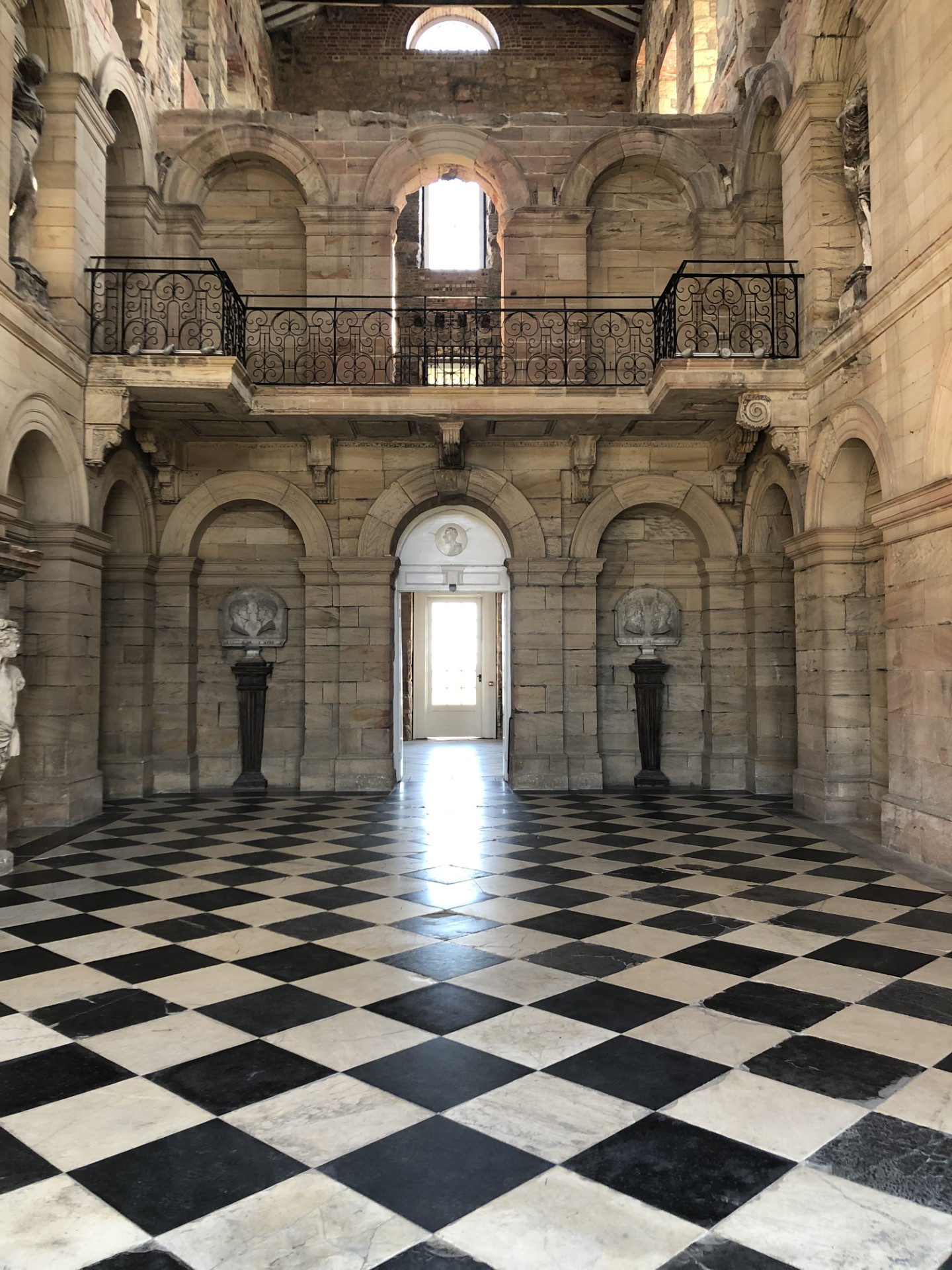
Spolia: Repurposing Masonry


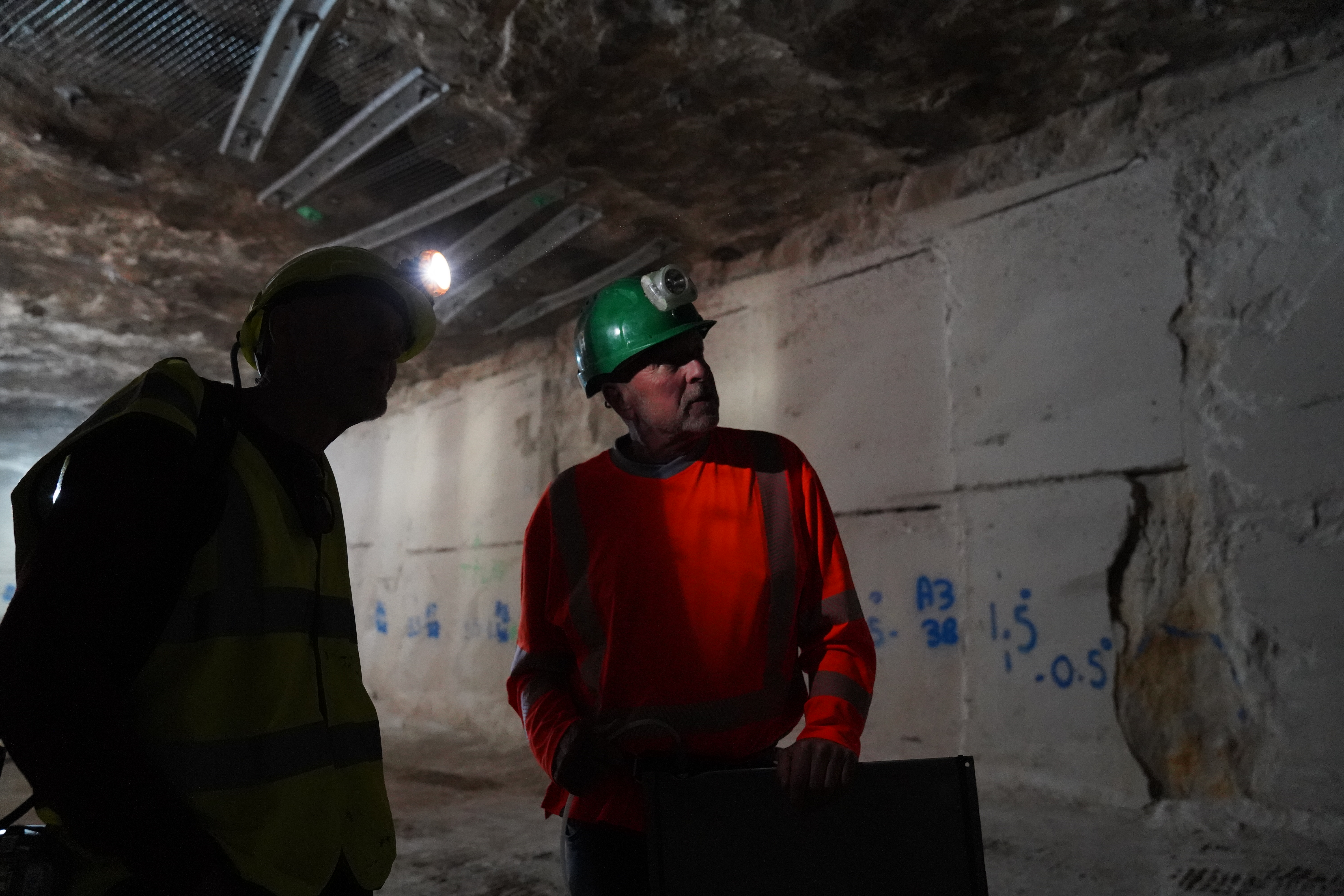
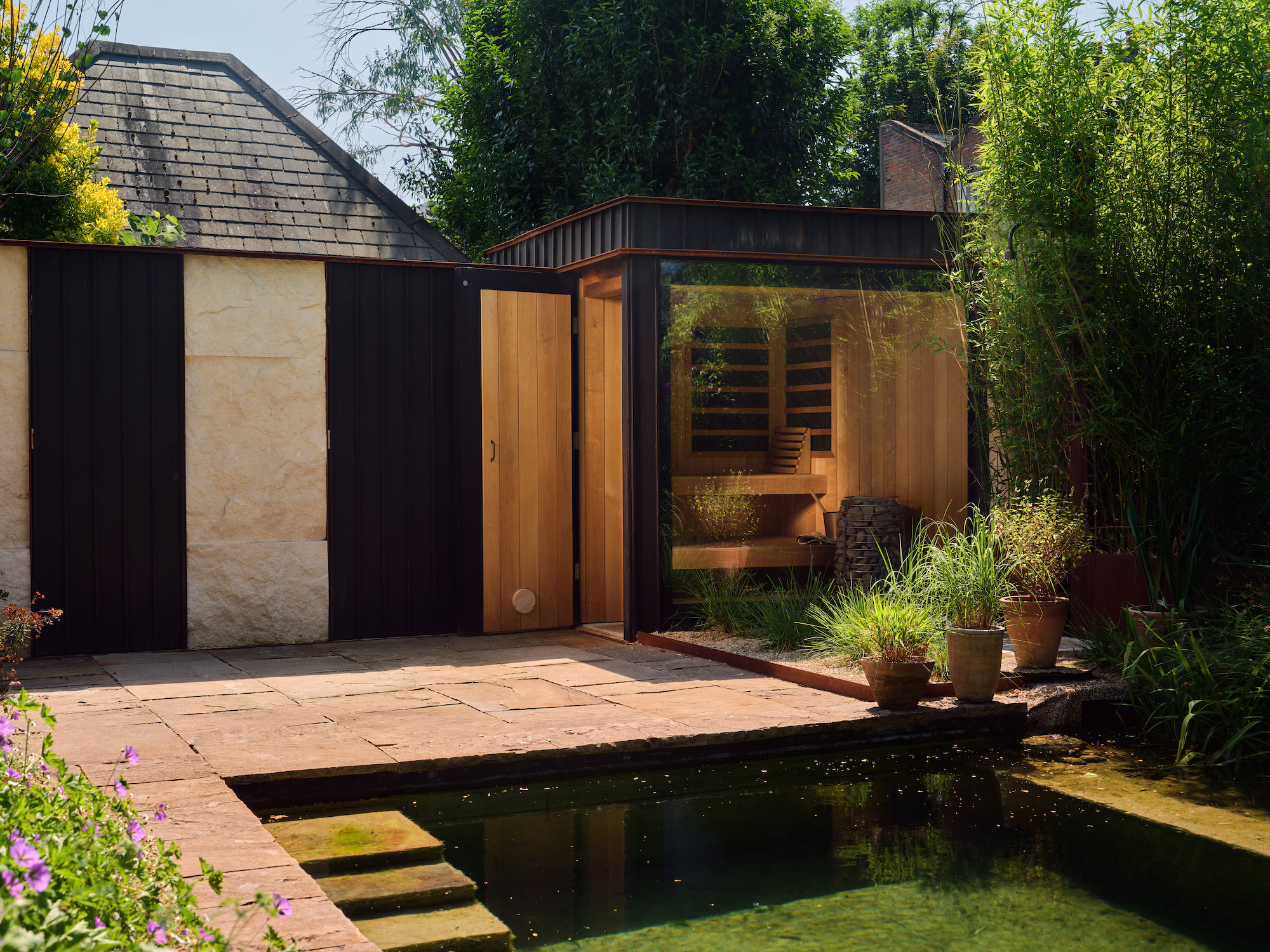
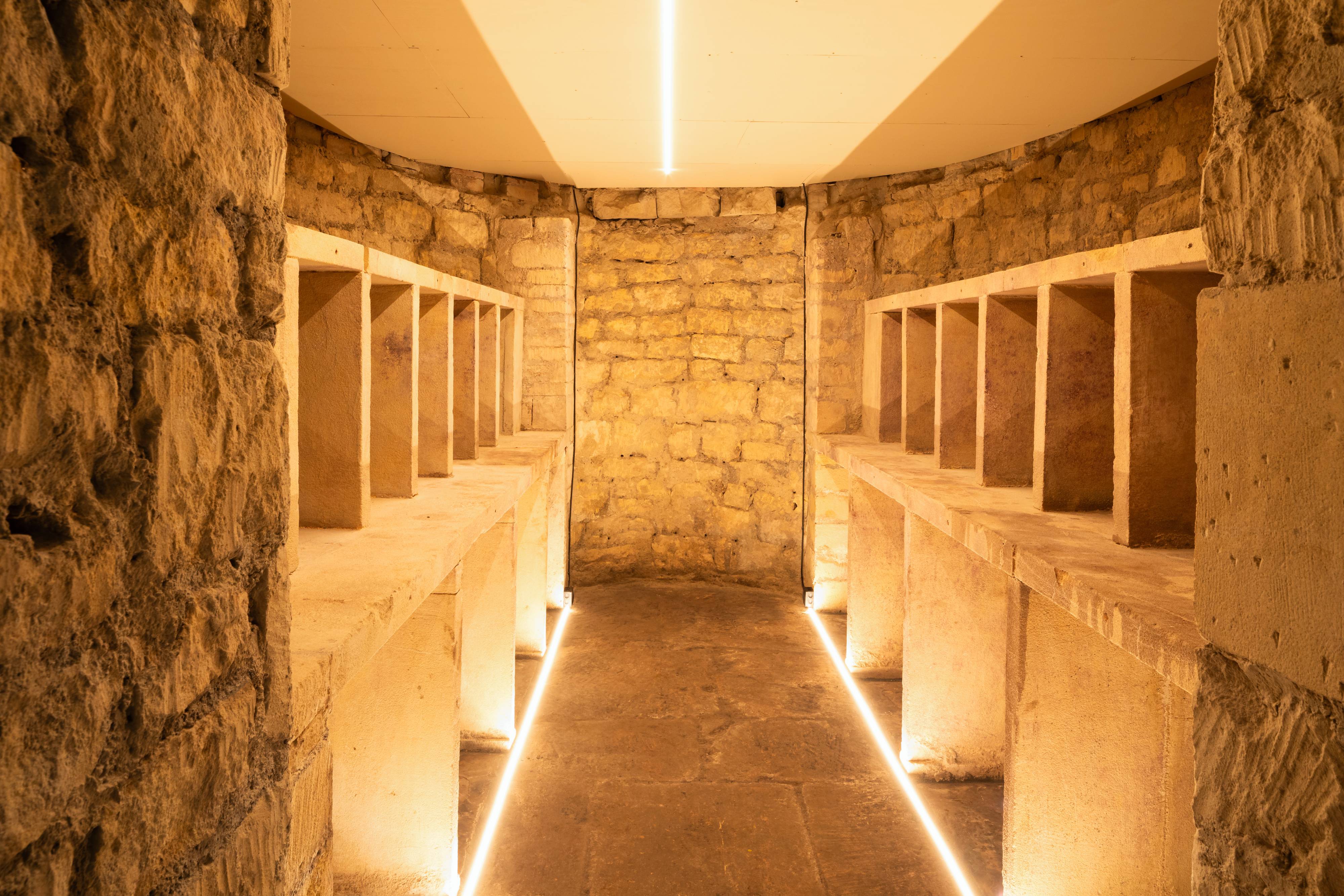
Spolia (from the Latin: 'spoils'; singular: spolium) is the name given to stone taken from an old structure and repurposed for new construction or decorative purposes. It results from an ancient and widespread practice whereby stone that has been quarried, cut, and used in a built structure is carried away to be used elsewhere. This is an early example of what is now referred to as the circular economy.


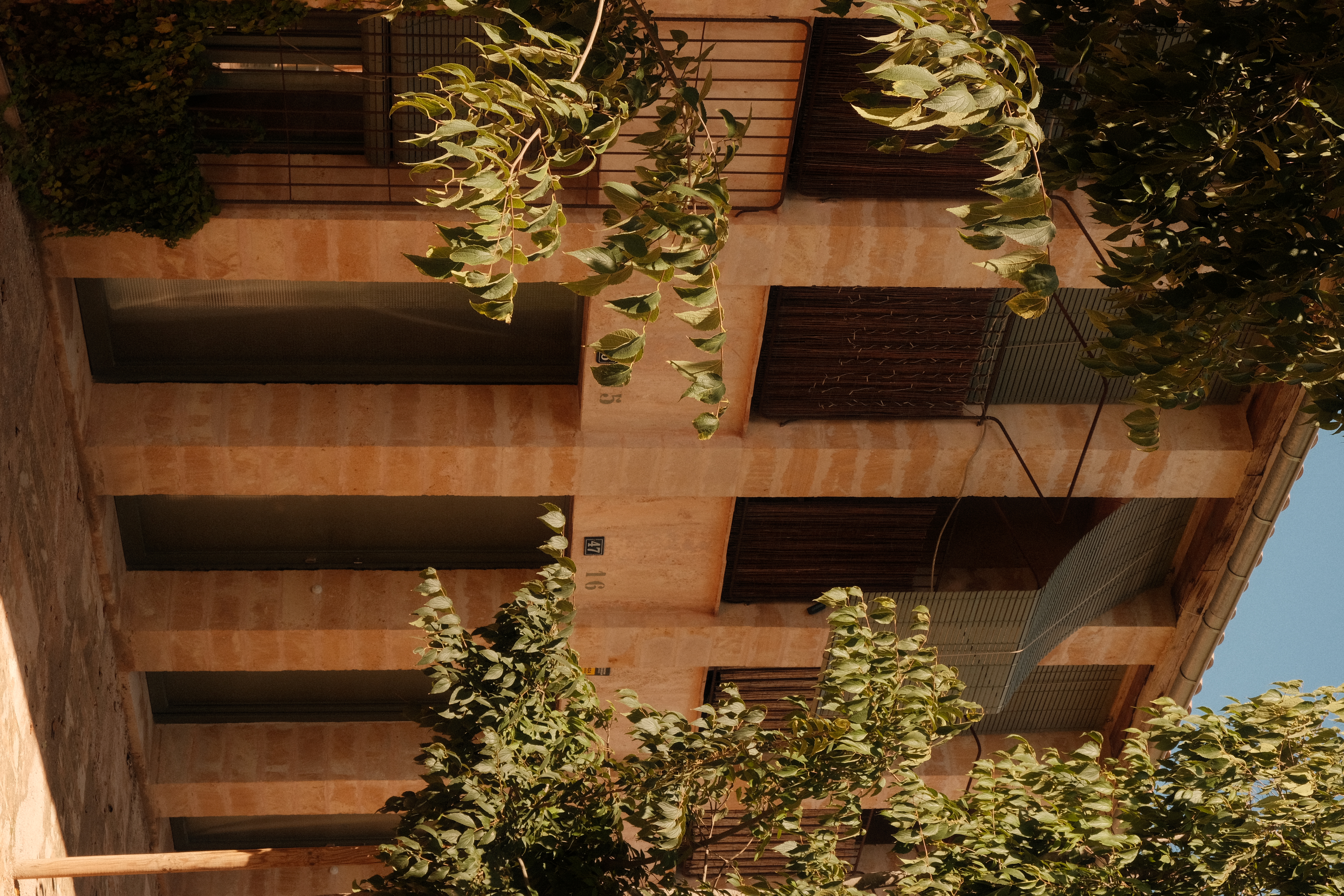
Image Credit: Robert Greer

Image Credit: Robert Greer


More than half of the total material used to construct a building is attributed to the main structure and envelope. Reusing components from existing, soon-to-be-demolished, or already deconstructed structures significantly reduces the need for manufacturing new components, in turn reducing the carbon cost of the building.


As we start to see the financial cost of carving new stone usurped by the carbon cost associated with its creation, the dismantling and repurposing of stone façades is becoming more common. The technology available to support the process of repurposing masonry has leapt forward, allowing us to provide a greater level of technical certainty.


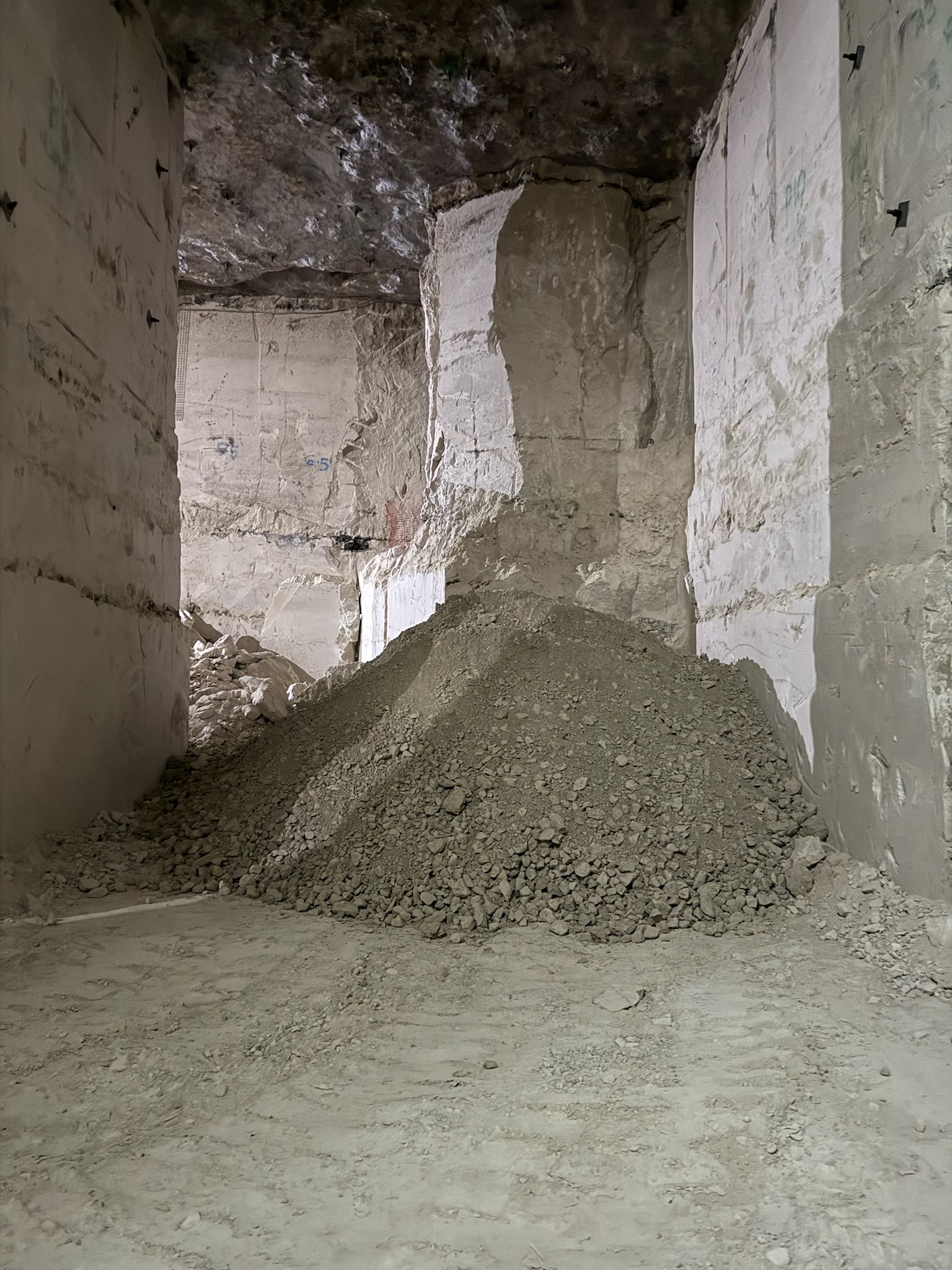
The development of Light Detection and Ranging (LiDAR) and Ground-Penetrating Radar (GPR) survey accuracy allows for the overall volume of stone within a building to be determined. The existing building acts as a stone quarry, removing the expectation of building with new stone for all repurposing projects. However, an early understanding of the original construction is necessary for such a scheme to be successful.


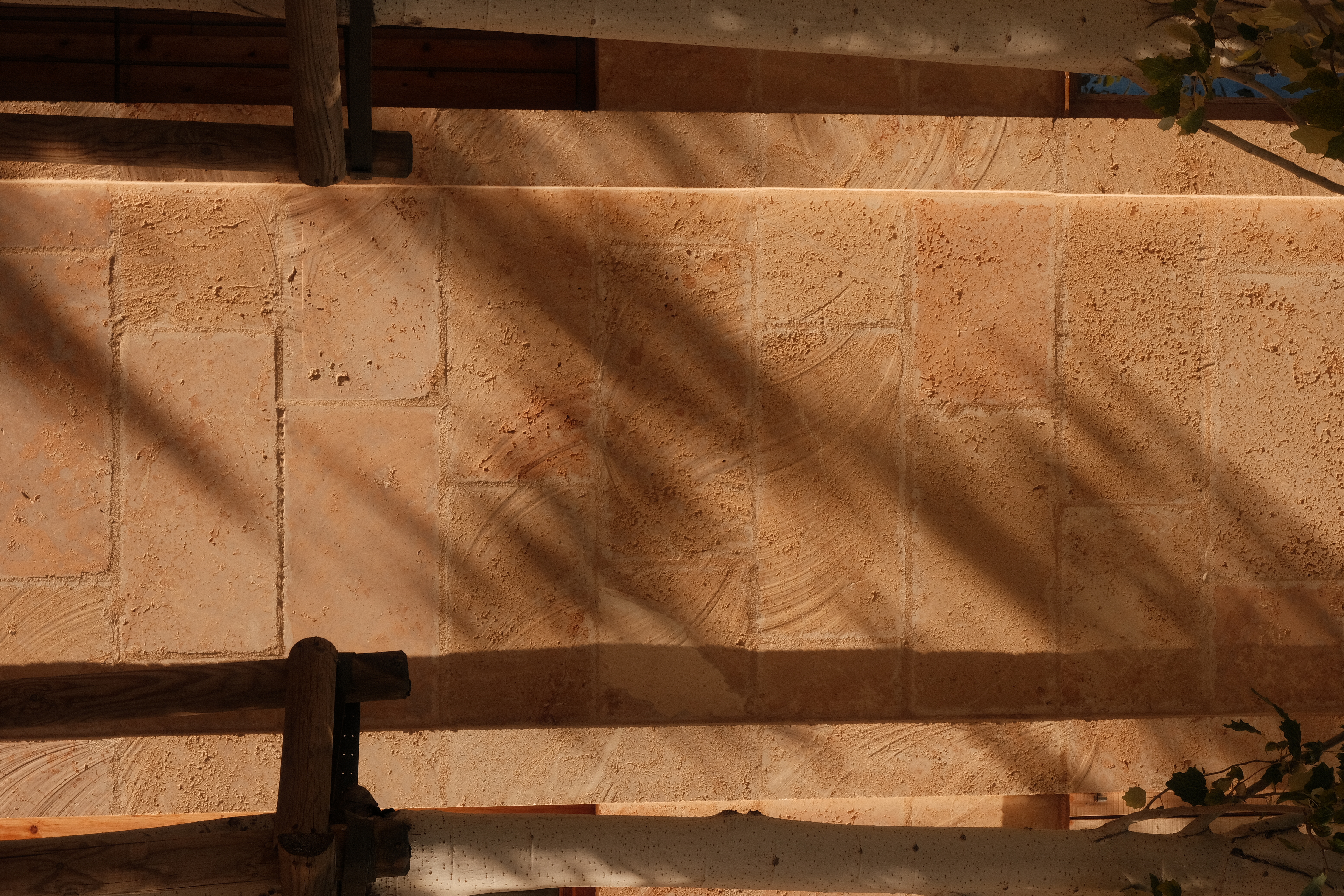
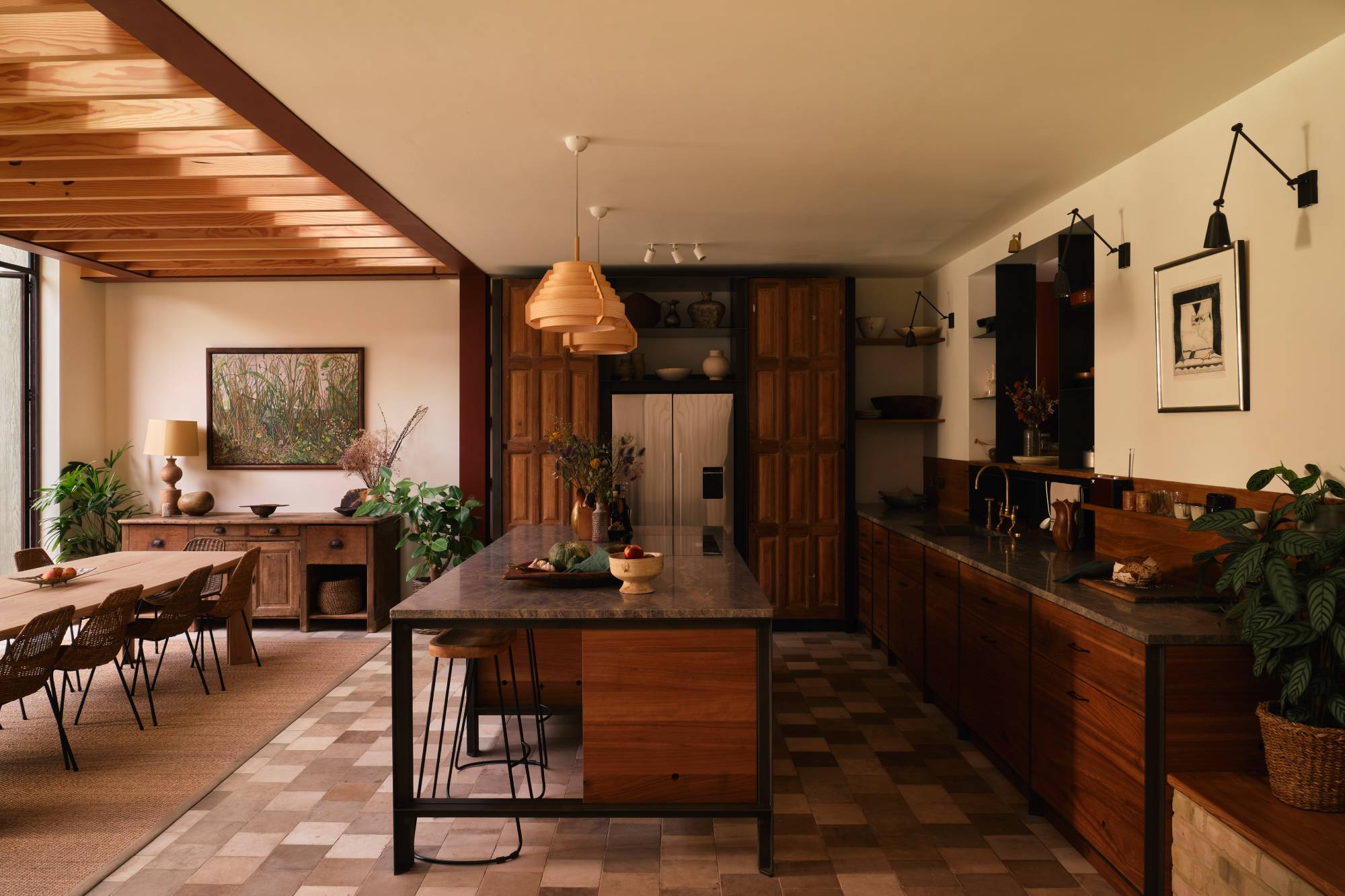
Image Credit: Robert Greer

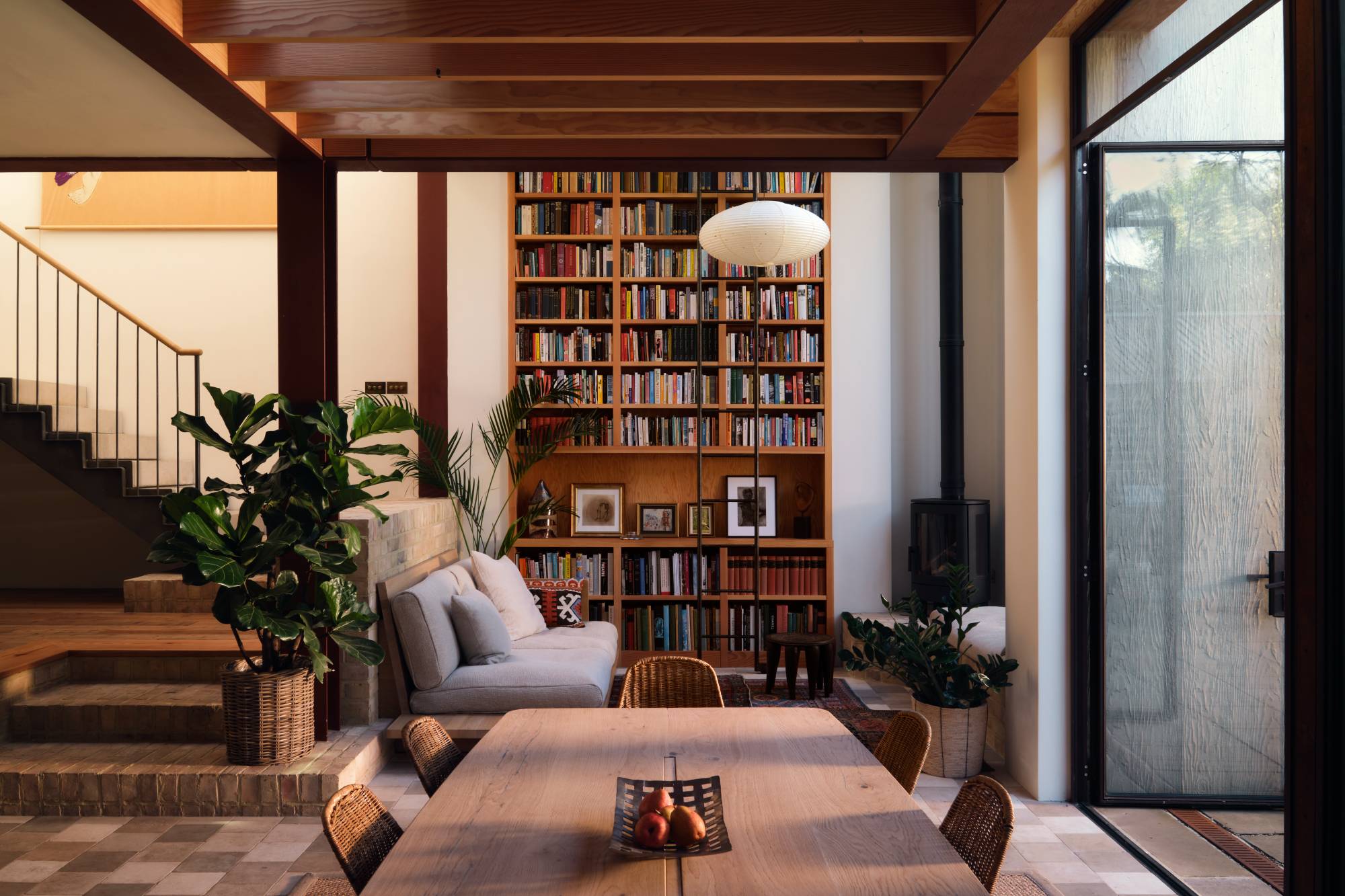
Image Credit: Robert Greer


The comparable commercial benefit of repurposed stone rather than new stone is bolstered when considering the substantial reduction in carbon emissions, the improved thermal performance of the external fabric, and the elimination of inherent steel frame corrosion risk defects. An optimization strategy undertaken with GPR scanning makes it possible to calculate the external stone thickness of masonry façades, enabling all stones to be thinned down to a consistent depth. Reducing wall thickness provides space for thermal improvements such as cavity construction and insulation or an increase in net lettable area.


When reusing components from a building that have been exposed to weathering, they must be evaluated for suitability. In repurposing projects, the first survey confirms the performance of the stone, and a suite of tests will provide an assessment of the long-term durability and performance in line with current expected test standards.


A coordinated strategy for deconstruction needs to be planned jointly by the demolition contractor and the masonry specialist. This ensures that the timing of each step aligns and that the strategy for removing masonry can be synchronized with the demolition requirements, including the lifting and logistical aspects.


It is widely understood that products should be used for as long as they remain functional and reused or repurposed to the greatest extent possible when they reach the end of their service life. Masonry is designed to be durable and long-lasting and can be removed when a building is renovated or demolished, allowing for repurposing. Spolia is a key component in recognizing the importance and value of reclaiming materials to challenge waste and create a robust and climate-conscious circular economy.


limittext
Off
Exclude From Lists
Include
Company Tags
M10
CAPTCHA
SEO Title
Stone professionals collaborate to educate and inspire
Read more
Main Image
symp_12_2.jpg

News: Stone Federation's Case for Stone

2025-11-17


Earlier this month, Stone Federation, the UK’s official trade association for the natural stone industry, welcomed more than 90 architects, engineers, academics and industry members to the third Stone Symposium: The Case for Stone. Held in London and streamed online, the event forms part of Stone Federation’s ongoing work to promote natural stone’s role in sustainable construction and support the growing interest in structural applications.


The day-long programme showcased a broad cross-section of current thinking on natural stone’s role in a low-carbon built environment. A series of presentations, panel discussions and case studies explored themes ranging from structural innovation to circularity, environmental data and design guidance—reflecting the federation’s commitment to supporting a more informed and technically confident industry.


Reuse and circularity formed one of the event’s central threads. Rachel Hoolahan of Orms opened the conversation with a session on Reuse, Circular Economy and Natural Stone, joined in discussion by Tamsin Pickeral (Szerelmey) and John Garside (PAYE Stonework & Restoration). Together they outlined emerging strategies for reusing stone at scale and the practical considerations that come with dismantling, storing and reintroducing heritage or modern stone elements into new projects.


Innovative structural applications featured prominently. Dominic Kacinskas of Groupwork and Eleonora Regni of Webb Yates walked attendees through two current projects, Finchley Road and Field House, highlighting the engineering approaches and design philosophies driving a new generation of load-bearing stone buildings (more on Finchley Road to come!) Mark Taylor and Giulliana Giorgi of Allies and Morrison, joined by Webb Yates’ Chloe Newmann, presented The Stonut: A Façade for the Future?, discussing the benefits of stone 'doughnut' panels that reduce carbon footprints.


Technical guidance and research also played a major role. Bruno Miglio of FMDC introduced Stone Federation’s structural stone industry guidance, aimed at supporting architects and engineers adopting the material in more ambitious ways. Wendel Sebastian (UCL) and Will Hawkins (University of Bath) offered an overview of academic research shaping the future of structural stone, while Lisa Nunn, Senior Geologist at FMDC, shared an in-depth look at EPD considerations, an increasingly important topic as clients demand robust, comparable environmental data.


The wider design community was represented by Peter Fisher of Bennetts Associates, who gave a material-agnostic perspective on how natural stone sits within broader sustainability strategies, and by Hutton Stone’s Marcus Paine, StudioFolk’s Edward Powe and Belmont Property’s Bijan Dhanani, who explored the opportunities for low-carbon housing using stone bricks.


Stone Federation acknowledged the generous support of event sponsors PAYE Stonework & Restoration, Stonewest, Szerelmey and Vetter UK, whose involvement helped make the symposium possible.


The federation will return with a shorter programme at London’s Futurebuild in March, where a mini Stone Symposium will continue the conversation.


limittext
Off
Exclude From Lists
Include
Company Tags
M10
CAPTCHA
SEO Title
A case for stone at Stone Federations Symposium
Read more
Main Image
nick_james_with_tony_kay.jpg

News: Supporting Grassroots Initiatives

2025-11-14


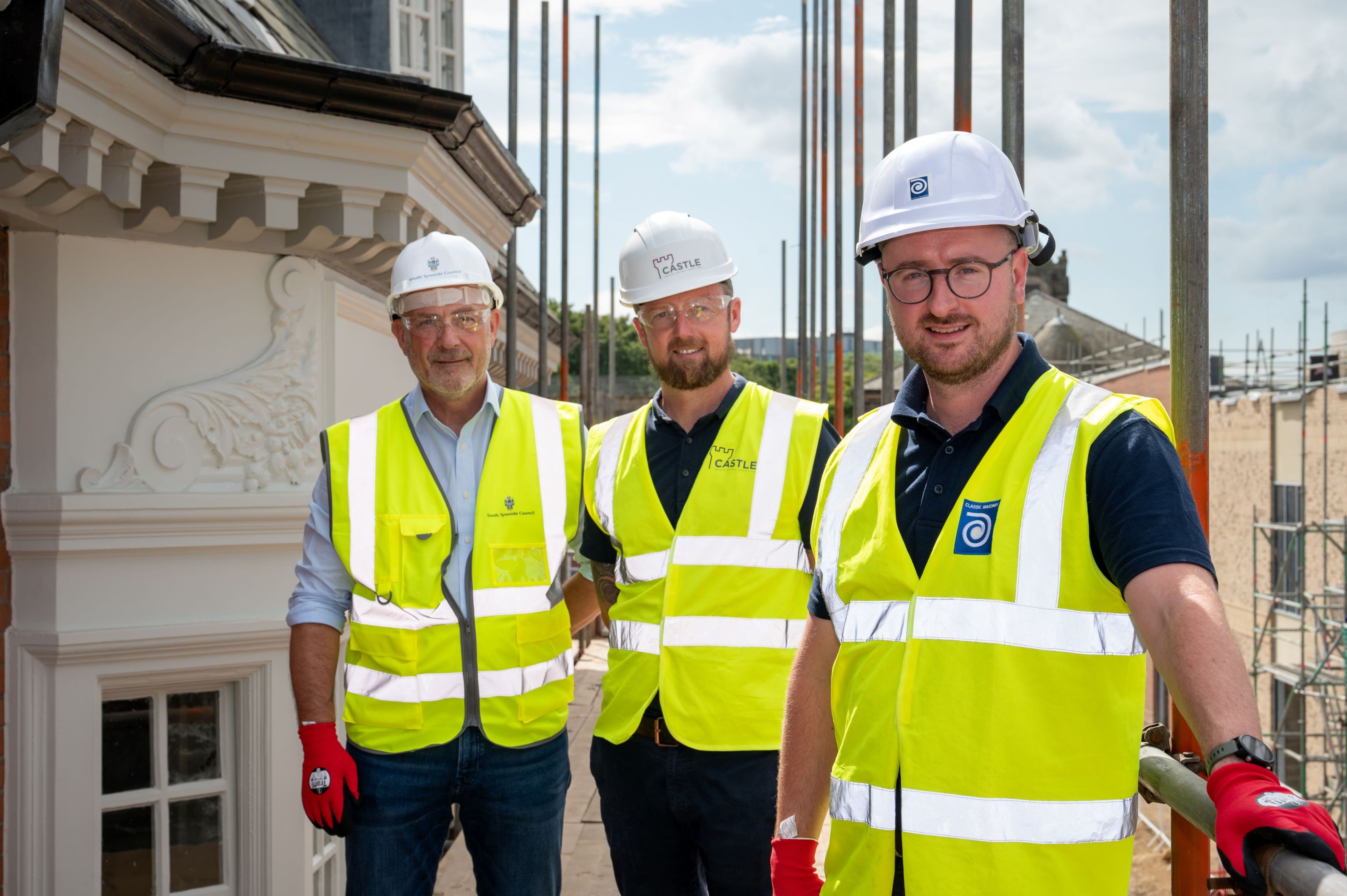
Classic Masonry has helped bring a striking new mural to life at The Hut on the Green in Gosforth by donating all the paint for the project.


The North Tyneside stonemasonry specialist backed the artwork, created over three days by artist Peter Manning of Reluctant Hero and local volunteers, as part of its support for hands-on craft skills in the community.


Business development director Tony Kay shares the company's reasoning: “We are really impressed with all Nick and his team offer the local community… There are very clear synergies with the culture we have at Classic Masonry, in that we encourage our teams to be creative, adventurous and innovative.” He added that activities at The Hut “enable people of all ages to put down digital technologies and engage their hands and minds,” noting the value of such skills at a time when the construction sector faces a shortage of trades.


The Hut, run by Mushroom Works CIC, reopened in 2024 after the former bowling pavilion sat empty for 14 years. It now hosts art classes, workshops and children’s woodworking sessions, attracting around 100 visitors each week. Its founder, craftsman Nick James, said: “I think there is something deeply important about learning and teaching real, tangible skills. It is not just about what people make, but what they discover along the way.”


limittext
Off
Exclude From Lists
Include
Company Tags
M10
CAPTCHA
SEO Title
Classic masonry support grassroots initiative
Read more
Main Image
chris-crawford-000-16.jpg

Profile: Chris Crawford

2025-11-13


As we recently discussed in our Circular Economy article, construction, demolition and excavation (CDE) waste accounts for more than 60% of the nation’s total waste output each year. While most of it is recovered through recycling facilities and used as aggregate, the finer materials like clays and silts are often overlooked. These fine by-products, though largely destined for landfill capping or flood alleviation, are now finding a new life in the hands of ceramicist and materials researcher Chris Crawford, whose applied research project Periphery Materials seeks to uncover the creative and structural potential of this recycled clay.


The project grew out of The Material Way (TMW), an interdisciplinary programme exploring sustainable making through touch, testing and material investigation. This provided the perfect framework to “re-engage with learning through materials, touch, and testing,” carried out alongside his work as studio manager at Leeds-based and ceramic-focused Sunken Studio


“I’m a hands-on person, but also drawn to systems and academic thinking,” Chris explains. “I enjoy methodical testing and scientific process as much as abstract oil painting. These sides of me are sometimes hard to reconcile, and yet I was curious to see if it was possible.” That curiosity has became an in-depth inquiry into waste-derived and bio-based material systems sourced entirely within Yorkshire. Working between ceramics, construction, and circular design, the project brings together industry partners and regional waste processors to demonstrate how local residual materials might serve as low-carbon alternatives to virgin resources.


Through the West Yorkshire Combined Authority’s (WYCA) Waste to Resources initiative, a circular economy programme inspired by the earlier National Industrial Symbiosis Programme, Chris was introduced to Mone Bros, a Leeds-based aggregates producer operating one of the UK’s most advanced construction waste wash plants. Each year, the plant separates coarse aggregates from finer particles, recovering sand, silt, and clay, processing 170,000 tonnes of CDE waste in the process. The residual fine material is pressed into dense plates of “filter cake clay” (FCC).


Visiting the plant in 2024, Chris was struck by the material’s potential. “When I visited the Mone Bros plant in October 2024, Technical Manager Steve Crossland spoke about the company’s ambition to find new applications for their recycled FCC, which currently sees limited use in flood defences or landfill capping.” With a second wash plant approved south of Leeds, the available volume of recycled clay could soon double, creating an industrial-scale opportunity for reuse.


Initial tests focused on ceramics, Chris’s area of expertise. Melt tests fired to 1220°C showed that the FCC behaved like local earthenware clays, which are unsuitable for high-temperature stoneware bodies but ideal for glaze development. “By combining FCC with waste glass, I created a range of glaze samples composed entirely of recycled materials,” he notes. The results pointed toward a low-energy, waste-based ceramic system, and the project soon expanded into masonry. 


Through the Waste to Resources network, Chris connected with Bingley Stone, a Yorkshire stone specialist producing high-quality sandstone masonry. The company’s cutting process creates a fine silt slurry rich in clay minerals and feldspar, offering another promising waste stream, which Chris noticed early on shared the qualities of another common material: “On first encounter, this material had much more plastic mouldable working qualities than I had expected.” By blending the sandstone silt with small quantities of sodium alginate, a seaweed-based biopolymer, he produced a mouldable clay-like material. Fired tests at 1220°C yielded a “pleasing rouge colour ceramic-like body.” The aim now is to combine this silt with FCC to create workable, lower-firing bodies for tiles, bricks or plant pots, “fully composed of local, waste-based materials.”


Seeking to reduce embodied carbon even further, the studio has begun to explore unfired clay applications such as rammed earth and adobe. Using Mone Bros’ separated waste streams, the research tested reconstructed soil blends to develop stable, compacted blocks, reinforcing with hemp shiv, which grows well in the Yorkshire climate. And the added bonus: the plant also rapidly sequesters carbon. The result is a series of lightweight, strong clay-hemp composites that demonstrated the potential of low-tech, localised materials to meet modern building performance requirements.


Building on this success, Chris has since explored other bio-based polymers as natural binders for clay systems. This began with mixing alginate with recycled clay to form plastic-like materials that hardened on drying but suffered from shrinkage. To stabilise them, he sought fibrous additives from local waste streams. But this bump in the road led to another collaboration, this time with North Star, a Leeds coffee roastery producing around 1,800 kg of coffee chaff annually. The thin husk removed during roasting absorbent, fibrous quality made it ideal for experimentation. “I began testing various combinations of FCC, sodium alginate, and chaff,” he explains. “Once dry, it formed a hard, lightweight, cork-like material.


The final strand of testing turned toward mineral binders, exploring alternatives to carbon-intensive Portland cement. Drawing inspiration from research into alkali-activated materials (AAMs) and geopolymers, Chris experimented with combining aluminosilicate-rich FCC with recycled sodium silicate made from waste glass. As he explains, “I began experimenting with FCC, wood ash, and commercial sodium silicate. These mixes hardened into dense, concrete-like materials, enough of a success to prompt further exploration.” Subsequent trials used finely ground glass waste from CT Glass in Bradford, following a low-temperature process for sodium silicate synthesis. The experiments yielded a strong adhesive gel, though balancing chemical ratios remains a challenge. The potential is significant: if scaled, such recycled binders could replace a portion of traditional cement, reducing both emissions and reliance on virgin materials.


Periphery Materials points toward a circular, regionally grounded materials economy. Yet, as Chris observes, the next step requires systemic support:

“Interesting materials research, coming from cross-disciplinary fields and collaborative projects, is increasingly coming out of art schools and industry. Yet many projects fall down where they cannot progress through the refinement, testing and certification stages necessary to turn nascent ideas into new low carbon, waste-based materials that can have real impact.”


The next stage would benefit from more programmes like Waste to Resources, linking designers and researchers with testing labs, policy-makers and incubators. Chris’ in-depth and innovative experimentation is matched by his ambitions for the project, with hopes of “finding a site to build a physical demonstrator building for bio and waste-based materials research and interdisciplinary collaboration in the Yorkshire bio-region.” 


For now, Periphery Materials stands as both proof of concept and invitation: an example of how curiosity, collaboration and local waste can combine to shape the materials of the future.


If the project resonates with you and your own practice, why not drop him an email.

limittext
Off
Exclude From Lists
Include
Company Tags
M10
CAPTCHA
SEO Title
Meet the designer Turning Waste into Workable Clay
Read more
Main Image
hero_image_4_-_obel_-_still_from_the_documentary_to_build_law_2024_c_cca_00086400_rgb.jpg

News: A Renovation Revolution with HouseEurope!

2025-11-12


A bold European movement is challenging the culture of demolition in favour of intelligent reuse. The HouseEurope! initiative, launched on 1 February 2025, is rallying citizens across the EU to sign a petition calling for legislation that makes renovation and reuse the cornerstone of sustainable construction.


The campaign’s urgency is clear: by 2050, Europe could lose 1.5 billion m² of building space through demolition — more than the combined area of Paris and Berlin, and enough to house 50 million people. With the construction sector already responsible for 38% of CO₂ emissions and 36% of EU waste, HouseEurope! argues that every demolition destroys not just materials, but also embodied energy, cultural identity, and social value. Co-Initiators and Campaign Managers, Olaf Grawert and Alina Kolar, explain:  


“Every minute, a building in Europe is destroyed — not by natural disasters, but by financial speculation. And while a few profit, we all pay the price: with rising rents and rising temperatures. We’re running out of time! HouseEurope! is a call to action: sign and support now to stop the demolition drama and renovate, don’t speculate!”


At its core, the initiative calls for a legal ‘right to re-use’ and a fundamental shift in policy and practice. It proposes ultra-low VAT rates for renovation projects, tax exemptions on reused materials, and updated valuation standards that recognise the existing building stock’s embodied energy and potential, rather than just its risks.


“The whole value chain of the construction industry operates within a system that was designed to build fast, cheap, and easy,” say Grawert and Kolar. “In Europe, this traces back to the post-war period, when the continent lay in ruins, and we created laws, methods, and financial incentives to rebuild quickly. But times have changed: we now know that all resources and materials are limited.”


They argue that the same spirit of coordinated reform that rebuilt Europe must now be redirected toward preservation. “We must set the framework for our next goal: the renovation, adaptation, and transformation of the existing building stock. That requires new laws, methods, and incentives, and a shift of focus — from materials towards labour, from centralised production to decentralised, local work.”


The European Union’s Renovation Wave has already outlined a similar ambition, but progress remains slow: only 25% of Europe’s buildings have been renovated so far, and the current annual renovation rate sits at just 1%. “At that pace, it would take 75 years to renovate Europe — but according to our legally binding climate goals, we have only until 2050,” say the campaigners. “We must triple the renovation rate across Europe — and that means three times more work for everyone in the construction and renovation sector.”


HouseEurope! proposes clear incentives: reducing VAT on renovation to make it the default choice, and eliminating VAT on reused materials, since it has already been paid once. The goal is to make renovation the rule, not the exception — shifting Europe’s building culture from wasteful replacement to creative transformation.


“Reuse and renovation start long before the building site. It begins with making existing value visible: understanding what’s already there, documenting not only the risks but also the potentials, and designing differently with what we have,” say Grawert and Kolar.


Their message is gaining recognition. This year, HouseEurope! has been honoured by the OBEL Award in Brussels for its “spearheading role in raising awareness and mobilising public support for a paradigm shift in European construction and housing culture.”


As Europe faces the climate clock, the movement’s rallying cry is clear: renovate, don’t speculate. Perhaps this is a model that the UK should look to adopt too?


For more information visit: www.houseeurope.eu and click here to sign the petition

limittext
Off
Exclude From Lists
Include
CAPTCHA
SEO Title
petition calls for renovation over demolition
Read more
Main Image
sillbench1_1756552402.jpg

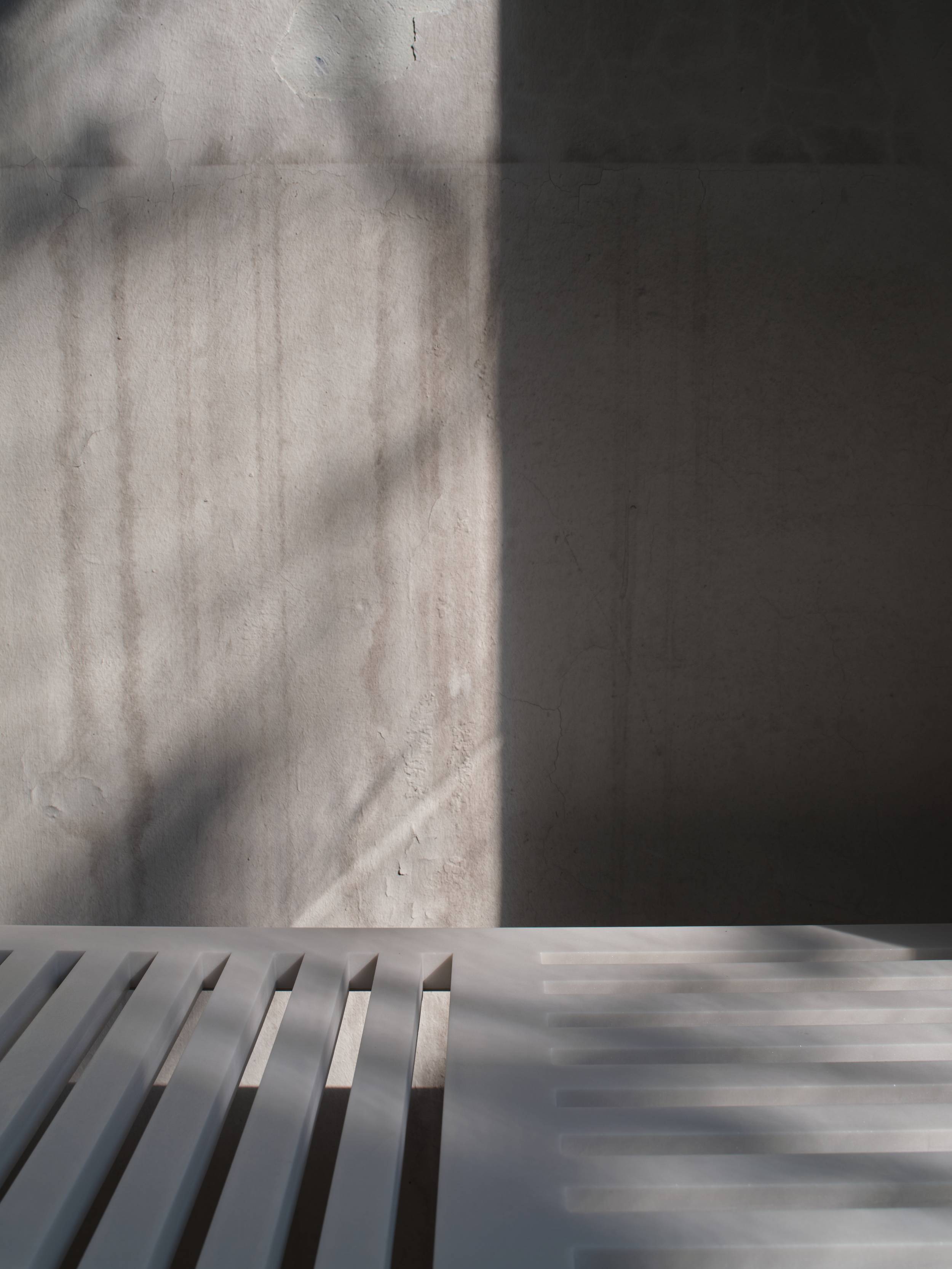
Surface Spot: Sitting With the Past

2025-11-11


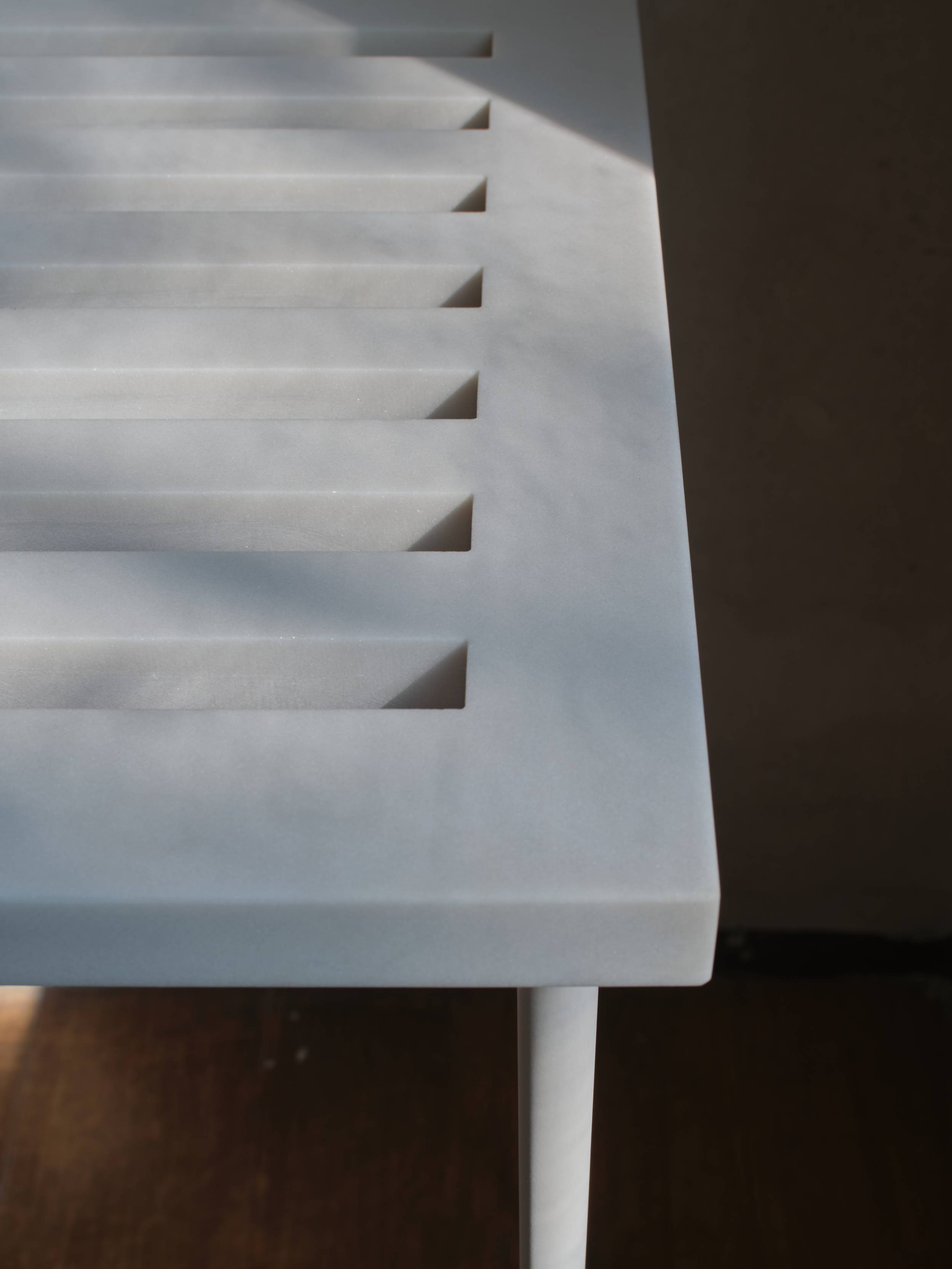
Carved from millions-year-old Belgian stone, the Sill Bench carries deep geological memory. Each chisel mark and fossil embedded in the surface tells a story that predates its maker, while every use adds a new layer to its evolving patina, transforming this seeming ‘lump’ of stone into a living record of time, touch and transformation.


Belgian designer Stijn Jean Vos explores the dialogue between humans and the natural world through the materials we shape and the traces we leave behind. Working exclusively with locally sourced, hard, natural materials, he challenges conventions around what’s considered valuable or contemporary. His approach blends craftsmanship and critique, questioning how tradition can evolve without losing its roots.


For the Sill Bench, Vos chose Petit Granit, a distinctive Belgian limestone still quarried today but now often overlooked. Once found in window sills, stair treads and countertops Petit Granit has gradually been replaced as a defining feature of Belgian homes by cheaper, less sustainable materials like concrete. 


It’s a piece that encourages reflection, not only on the material itself, but on memory, place, and the sensory experiences that shape our connection to the built environment. As Vos explains:


“As a child, I was constantly outside. I grew up in a small village where playing outdoors was simply a way of life. Stone sills were a quiet part of that world, places to sit, lean, and gather. Each sill was different: some polished, others bush-hammered or marked with relief. Every sill carried its own story.”


With the Sill Bench, he has found a way to continue that story, creating a quiet reminder of the beauty and longevity of natural stone, and a call to rethink how we build and what we value.


limittext
Off
Exclude From Lists
Include
Company Tags
M10
CAPTCHA
SEO Title
A stone bench that connects us to the past through craft
Read more
Main Image
23.jpg

News: Circular Economy Week 2025

2025-11-10


The construction industry is the owner of one of the many undesirable percentage-based factoids regarding the environment that have slowly slipped into our consciousness over the past decade or so. With DEFRA’s data showing the industry produces a whopping 62% of all UK waste, it goes without saying that a dramatic change is required. Thankfully, there are sections of the industry that agree.


This autumn, the eighth edition of Circular Economy Week returned to London, with more than seventy events celebrating the progress being made towards a low-carbon, circular economy. Delivered by ReLondon and supported by the Mayor of London, the Ellen MacArthur Foundation, Sustainable Ventures, and London & Partners, Circular Economy Week 2025 preceded this week’s COP30 climate summit and ran alongside Circular Cities Week – a global initiative connecting twelve cities around the world in their shared commitment to resource efficiency and waste reduction.


The event brought together policy leaders, zero-waste pioneers and sustainability experts to share insight into the UK’s expanding circular economy. Delegates heard how innovation is reshaping industry practice, from unlocking the value of ‘end-of-life’ materials to reuse schemes for the film and TV sector and new materials made from food waste. 


In Designing for Change: Modularity, Materials and Circular Futures, more than sixty professionals from across design, manufacturing, real estate, and government joined to discuss the transition away from linear building models. Moderator Kate Smith of CBRE emphasised that the familiar “build, use, strip out, waste” process no longer works and that reuse, reconfiguration and return must be considered from the very start.


Designer Paul Crofts, of Paul Crofts Design and Isomi, spoke about modularity as a tool for adaptability and longevity, explaining that a reception desk, for example, should be able to grow or shrink as a business evolves. “Designing for disassembly must become standard practice,” he said, “and we must value the innovation and ingenuity it takes to maintain quality through change.”


For Scott Campbell of Surface Matter, material selection sits at the heart of the circular transition. He noted that design choices often seen as purely aesthetic are in fact deeply strategic. “Choosing recycled, repairable and reusable surfaces transforms the entire lifecycle,” he said. Rosie Rainbow of Material Rescue added that successful reuse depends on collective engagement, comparing it to the way Sequoia trees survive through a vast network of interconnected roots that share knowledge and resources.


Closing the discussion, Dominic McAndrew of Design Collective argued that designers and specifiers are now custodians of value. “Embedding reuse into procurement shifts circular design from waste reduction to value protection,” he explained, “lowering lifecycle costs and future-proofing assets.”


The evening session Why Materials Matter: Unlocking Value Through End of Life, chaired by Sophie Thomas OBE with panelists Ross Dight of Tarkett, Scott Campbell of Surface Matter, and Molly MacAulay Overbury, delved into what happens to materials once they leave active use – a stage often overlooked in the circular conversation. Thomas opened by framing the issue: despite growing awareness, global recycling rates have fallen to just 6.9%, according to the 2025 Circularity Gap Report. The challenge, she explained, lies not in reduced recycling performance but in ever-increasing production.


Panelists discussed the growing urgency to address end-of-life value recovery across the built environment. Recent government initiatives such as Part Z, Producer Responsibility, the Right to Repair, and WEEE Directives were praised as encouraging steps, but collaboration between clients, developers, manufacturers, and contractors remains crucial. Practical measures, such as issuing a “letter of comfort” when a manufacturer cannot provide a warranty for reused goods, were discussed as ways to overcome existing barriers to reuse.


Campbell questioned the industry’s attachment to warranties, noting that most claims occur within the first year of use and that the perceived risk of reuse is often overstated. He also challenged the idea that storage poses a major obstacle to reuse, pointing out that the UK’s extensive logistics infrastructure already supports next-day delivery for countless goods. “If we can store and distribute new products so efficiently, we can do the same for reused materials,” he said.


The discussion concluded with a clear call for change: reuse must become a standard design consideration, not an afterthought. Collaboration between designers, clients, and manufacturers at the earliest stages of a project will be essential to make circularity the norm, ensuring that materials are seen not as disposable commodities but as assets with enduring value.


limittext
Off
Exclude From Lists
Include
Company Tags
M10
CAPTCHA
SEO Title
exploring circular economy week 2025
Read more
Main Image
250507_sf00839.jpg

News: The Stone & Surfaces Show 2026

2025-11-10


For over 27 years, The Stone Show & Hard Surfaces has stood as the leading event for surface design professionals in the UK. Now, the show is entering an exciting new chapter. In 2026, it will relaunch as The Stone & Surfaces Show — a vibrant, reimagined platform celebrating innovation, craftsmanship and the future of material design. 


Taking place from 12–14 May 2026 at ExCeL London, the revitalised event will be split into three dynamic zones — Natural Stone, Technology, and Surfaces — bringing together the entire materials and design community for three days of discovery, inspiration and collaboration. 


While the show remains devoted to the timeless elegance and sustainability of natural stone, its 2026 evolution introduces a broader spectrum of man-made materials — including porcelain, tile, CLT (cross-laminated timber), glass and vinyl — all tailored for modern commercial and residential applications. 


“Our 2026 rebrand represents a major investment in the show and the wider stone and surfaces community,” said Sam Patel, Director of The Stone & Surfaces Show. “We’re bringing new energy, new ideas and new opportunities to connect — championing innovation and celebrating the materials shaping the future of construction, design and architecture.” 


Visitors will experience live demonstrations of pioneering machinery, digital fabrication tools and advanced testing technologies, offering a hands-on look at how innovation is transforming the industry from quarry to construction site. Reflecting the pace of change across construction, design and architecture, The Stone & Surfaces Show will also feature an all-new programme of free-to-attend talks, live experiences and creative showcases. 


Event Highlights to come: 


  • Main Stage – Expert-led discussions on design trends, sustainable materials, breakthrough technologies and landmark projects shaping the UK’s built environment. 

     
  • Architects Theatre – Inspiring case studies from leading and emerging architects, and CPDs revealing innovative design approaches and material use. 

     
  • Surfaces Cinema – A lively, interactive zone featuring film screenings, photography exhibitions and — of course — free popcorn! 

     
  • Installations & Demonstrations – Engaging live showcases of new tools, materials, and technologies to ignite curiosity and innovation. 

     
  • Sample Gallery – An immersive display space presenting the forefront of surface innovation — featuring exhibitor samples alongside an experimental showcase of conceptual materials, designed to spark new ideas and push the boundaries of architectural and design practice. 


To register for The Stone & Surfaces Show for free, visit https://forms.reg.buzz/ukcw-london-and-stone-show-2026/pr


For more information, contact the Stone & Surfaces Show press team at pr@stoneandsurfacesshow.com 


limittext
Off
Exclude From Lists
Include
Company Tags
M10
CAPTCHA
SEO Title
Introducing the Stone & Surfaces Show 2026
Read more
Main Image
traditional_craftsperson.jpg

News: Traditional Craftsperson of the Year

2025-11-07


While there is plenty of warranted concern surrounding the decline in take-up of traditional craft skills here in the UK, the recent On The Tools Awards offer a moment of celebration for the industry. 


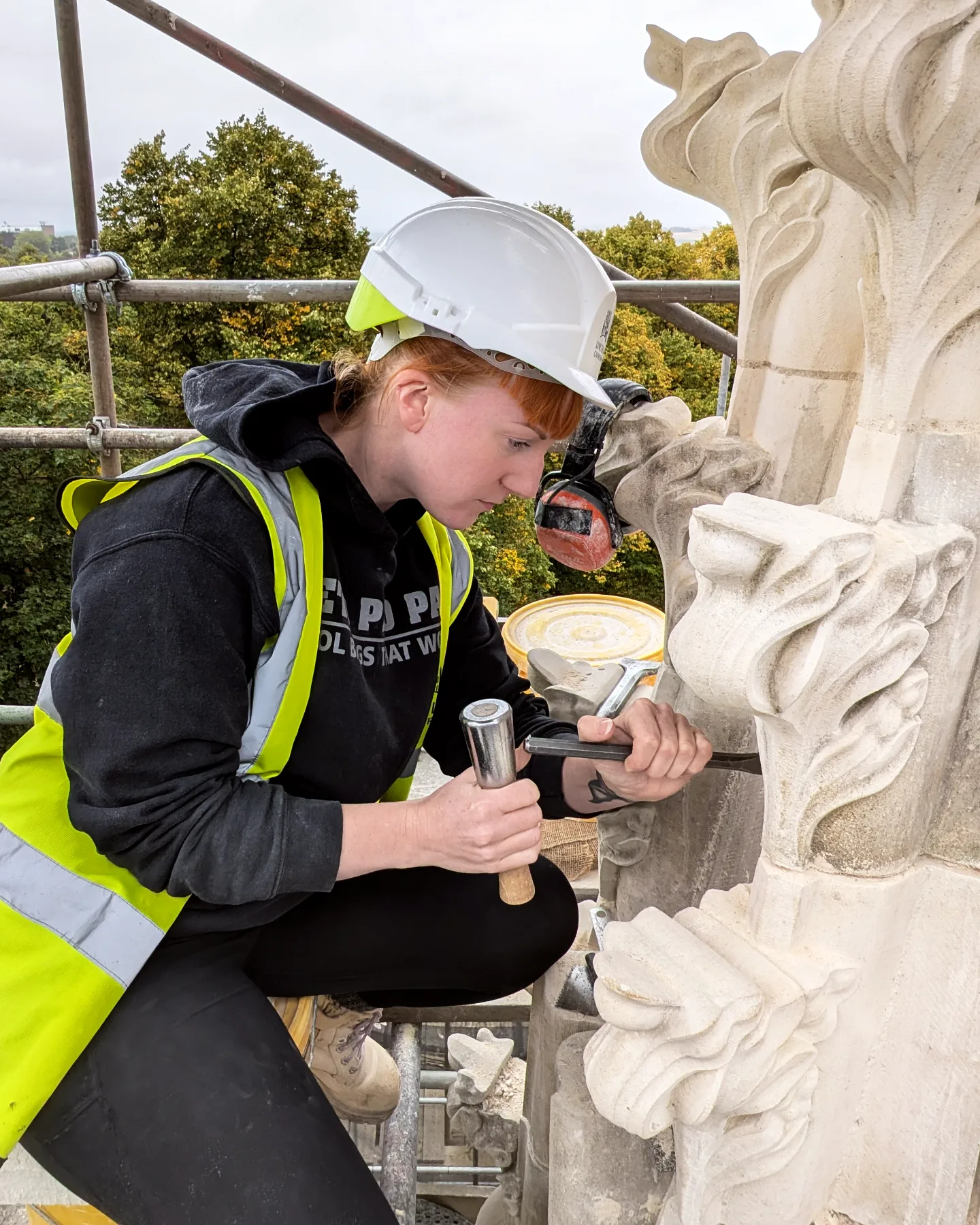
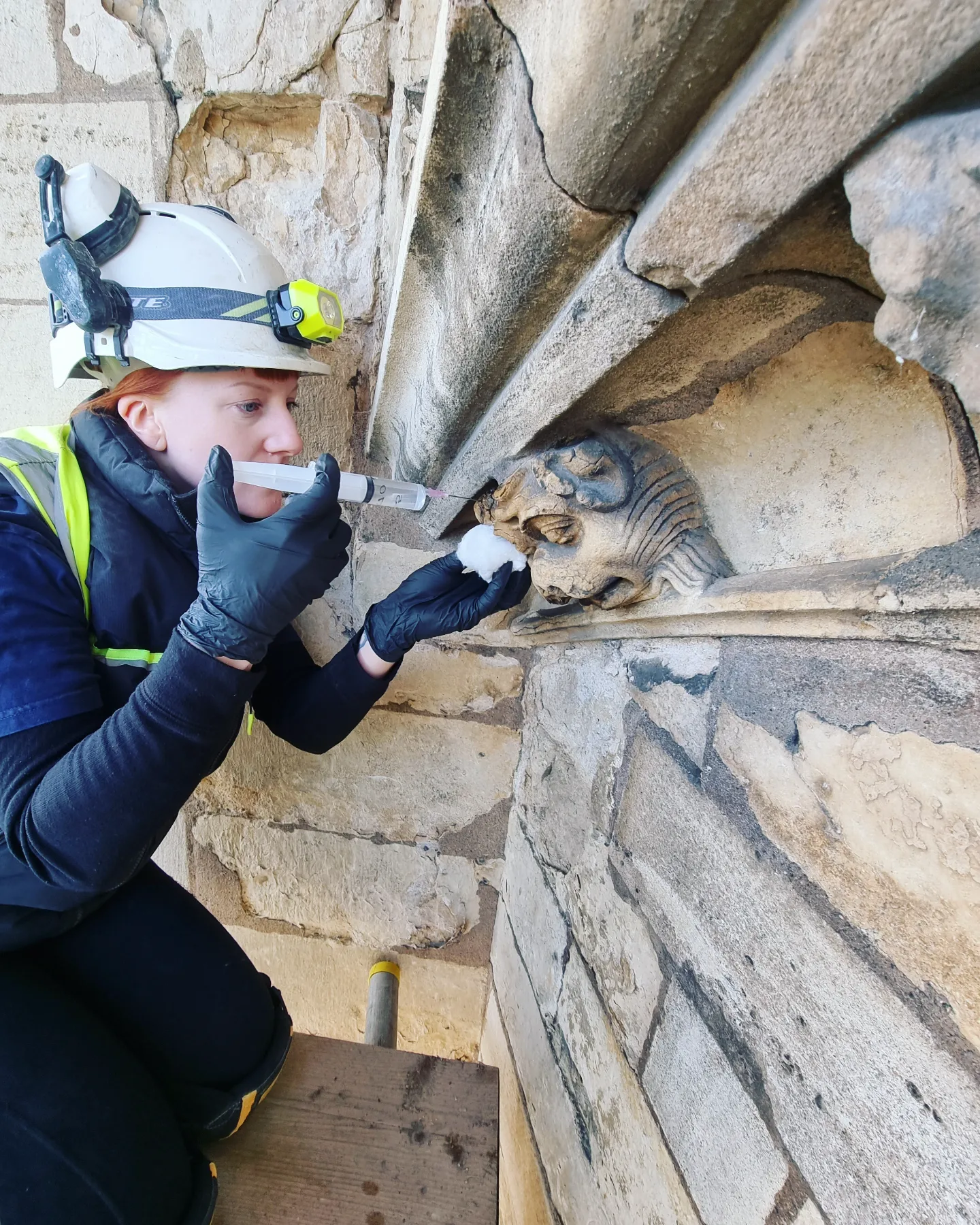
This year, Lincoln Cathedral stonemason Rachael Wragg has been named Traditional Craftsperson of the Year.


The event, attended by more than 450 industry professionals, recognised outstanding achievement across the UK’s trades. The awards celebrate excellence, craftsmanship, and the people whose skill and dedication keep the nation’s construction and restoration projects moving forward.


Rachael, part of the Cathedral’s in-house works department, was praised by the judges for demonstrating “all-round excellence, combining craftsmanship, communication, professionalism, and industry representation.” Known as @TheGingerMason on Instagram, Rachael has built a strong following by sharing insights into the life and work of a cathedral stonemason and offering behind-the-scenes insights of one of England’s most significant heritage sites.


Rachael described the award as “a huge honour and totally unexpected,” adding, “I’m so grateful to On The Tools for recognising traditional craft skills as part of the wider construction industry and giving craftspeople the space to share our work.”


Indeed, the judges also highlighted her ability to inspire pride and confidence in traditional skills, and while building may be the only cathedral on Historic England’s ‘At Risk’ register, the work that Rachael and her team are doing in conserving it - along with the content she produces for social media - is helping to draw attention to the importance of new people joining the industry, and bridging the steadily increasing skills gap. As Mike Graves, Associate Clerk of Works at Lincoln Cathedral underlines, his team is “committed to supporting heritage skills and training new generations of craftspeople to ensure that vital conservation work can continue.”


Here’s to its ongoing success, and congratulations to Rachael for her determined and engaging work.


You can find out more about the conservation work at Lincoln Cathedral by visiting www.lincolncathedral.com, and you can follow Rachael on Instagram at @TheGingerMason


limittext
Off
Exclude From Lists
Include
Company Tags
M10
CAPTCHA
SEO Title
Lincoln Cathedral Mason Rachael Wragg Named Traditional Craftsperson of the Year
Read more
Main Image
quartz_calacatta_select_kitchen_worktops_island_and_full_height_splashback.png

Profile: Avamco Solid Surfaces

2025-11-05


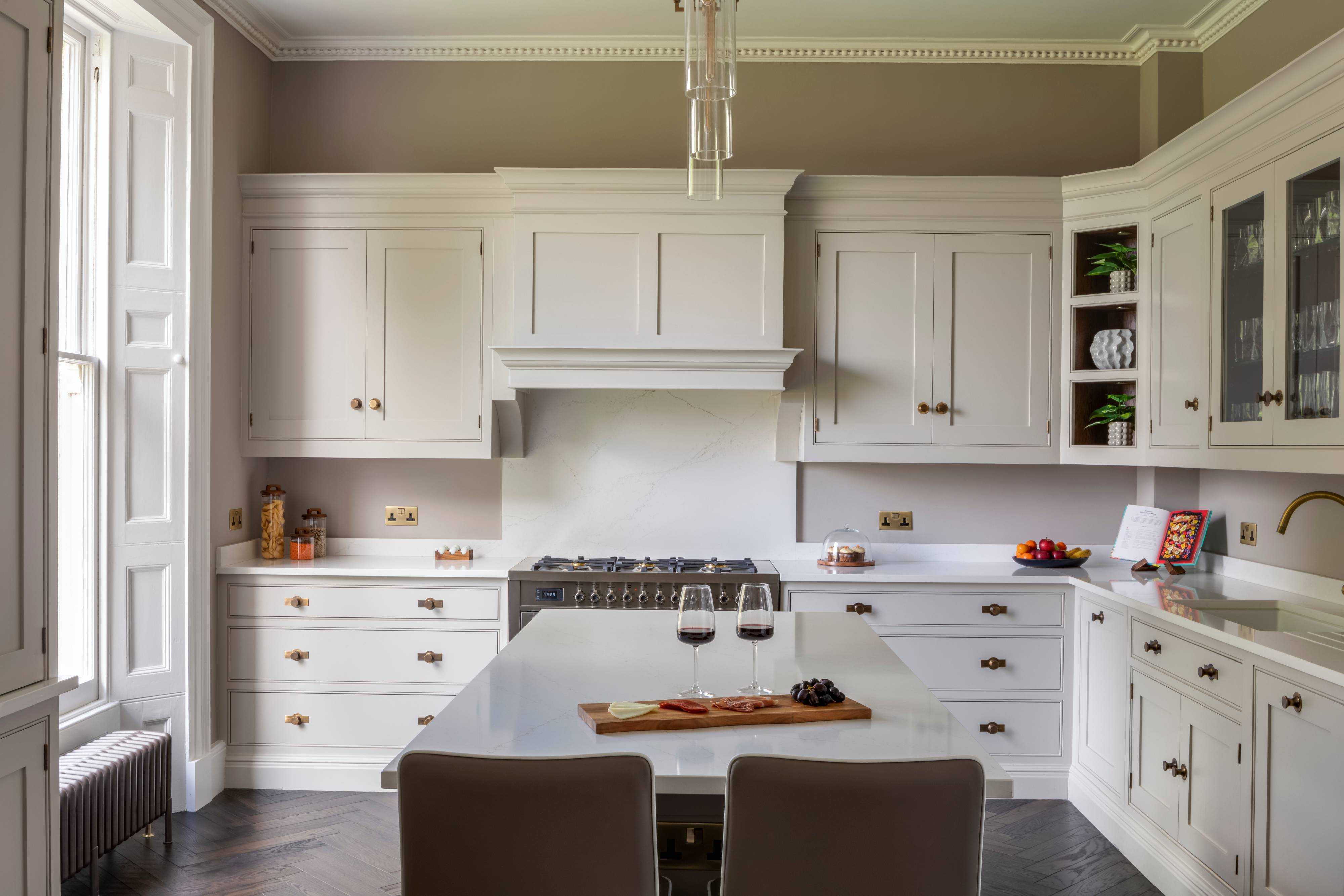
Based in Wigan, Family-run Avamco Solid Surfaces Ltd has spent over 20 years uniting two disciplines that rarely meet in one company: engineering complex architectural stonework and crafting bespoke interior surfaces. From high-rise façades to kitchen worktops, the firm approaches every project with the same emphasis on precision, performance, and longevity.


Founded in 2003, Avamco has evolved from a specialist contractor into a multi-faceted operation, working with architects, main contractors, and private clients alike. This dual expertise allows the company to oversee projects holistically, ensuring that exterior and interior surfaces perform seamlessly within the building’s ecosystem.


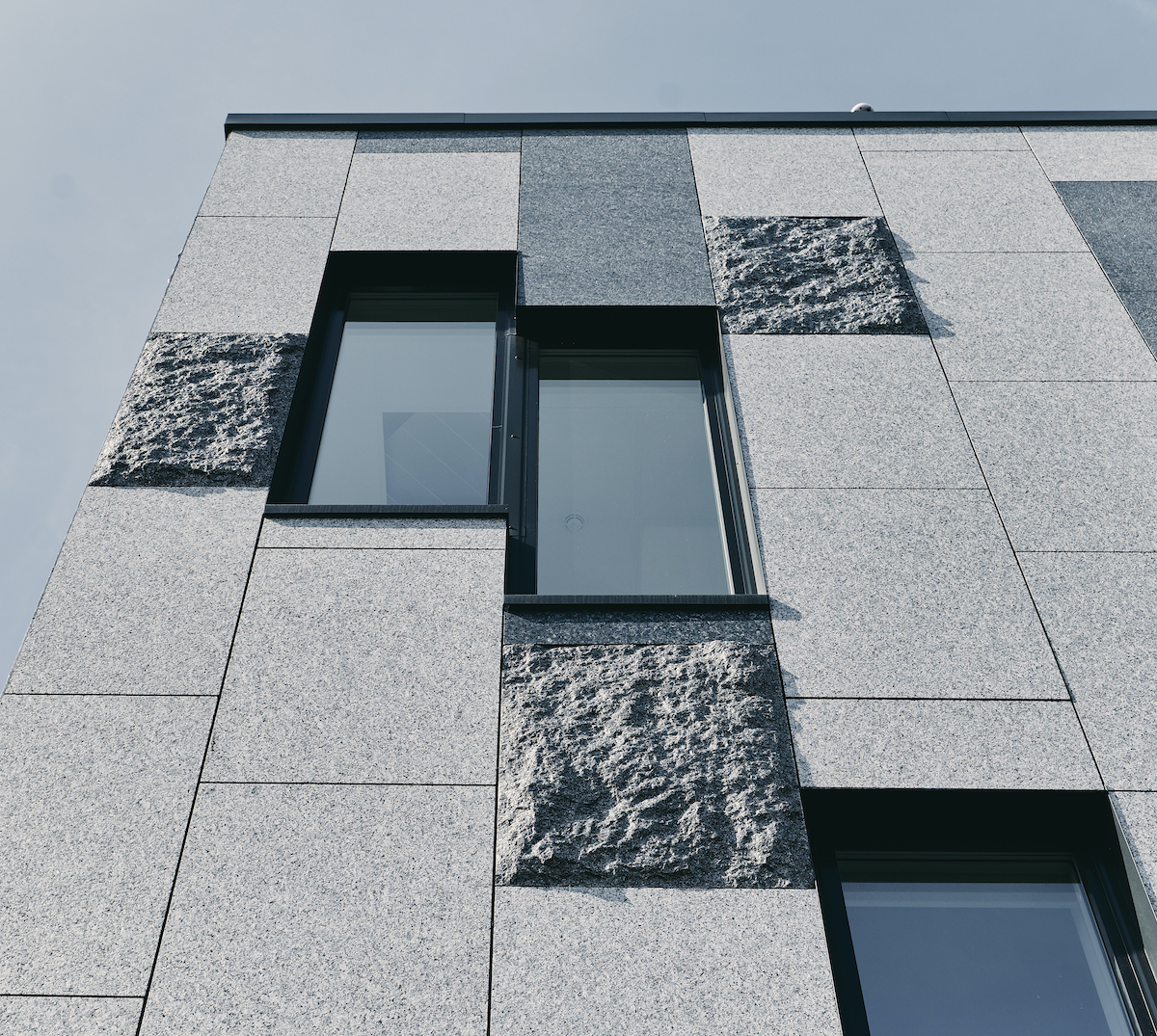
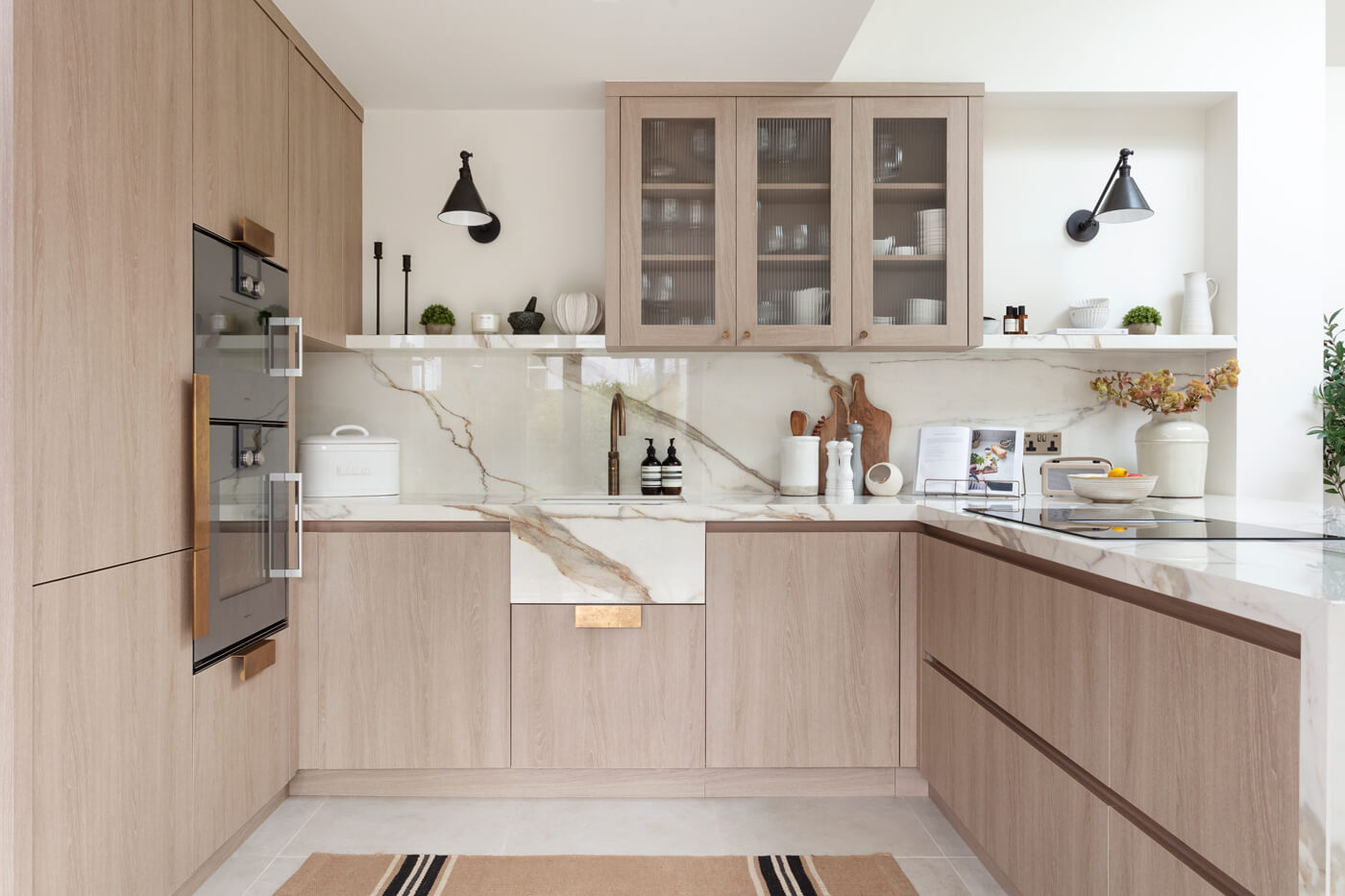
An engineering mindset informs their solid surface and stone worktop division, with CNC machinery and skilled masons transforming Corian®, quartz, granite, and porcelain into bespoke surfaces for kitchens, bathrooms, and commercial interiors. Each material is treated to maximise durability and performance: seamless Corian® joints, hygienic quartz, character-rich granite, and heat and scratch-resistant porcelain. While the company also advises clients on material selection, maintenance, and lifecycle, and minimises waste by repurposing off-cuts and sourcing from ethical quarries.


On architectural and heritage projects, Avamco’s focus extends beyond the visible stone. Using 3D modelling and finite element analysis (FEA), the team designs bespoke support systems capable of accommodating thermal movement, wind load, and long-term environmental stress. For example, a recent Manchester high-rise required a custom stainless steel subframe precisely calibrated to maintain façade stability at height. Heritage projects often demand a forensic approach, and where centuries-old iron fixings may corrode and crack surrounding stone, Avamco’s solution is not just replacement, but careful removal of corrosive elements and installation of non-corrosive supports - safeguarding the structure while preserving historical integrity.


limittext
Off
Exclude From Lists
Include
Company Tags
M10
CAPTCHA
SEO Title
SEO: Getting to know surface engineers Avamco Solid Surfaces
Read more

Pagination

  • First page « First
  • Previous page ‹ Previous
  • …
  • Page 2
  • Page 3
  • Page 4
  • Page 5
  • Current page 6
  • Page 7
  • Page 8
  • Page 9
  • Page 10
  • …
  • Next page Next ›
  • Last page Last »
Subscribe to
  • Advertise
  • Contact Us
  • Acceptable Use
  • Copyright Notice
  • Privacy Policy

© Media 10 Ltd. All Rights Reserved