From the organisers of The Stone & Surfaces Show

  • Log in
  • Home
  • News
  • Jobs
  • Call for Submissions
  • Events
  • Advertise
  • Home
  • News
  • Jobs
  • Call for Submissions
  • Events
  • Advertise
Website
http://www.lambsbricks.com
Alpha Key
LAMBSSTONE
Address
Lambs Philpots Quarry
Town
West Hoathly
Postcode
RH19 4PS
Phone
01403 785141
Company Email
sales@lambsbricks.com
Contact Name
James Mitchell
Mason Sub Cat
Architectural
Dry Stone Walling
Hard Landscaping
Heritage
Home
Show
Tab News
Show
Tab Images
Hide
Tab Downloads
Hide
Tab Videos
Hide
Tab Categories
Hide
County
Sussex (West)
Title
Lambs Bricks & Stone
Profile images
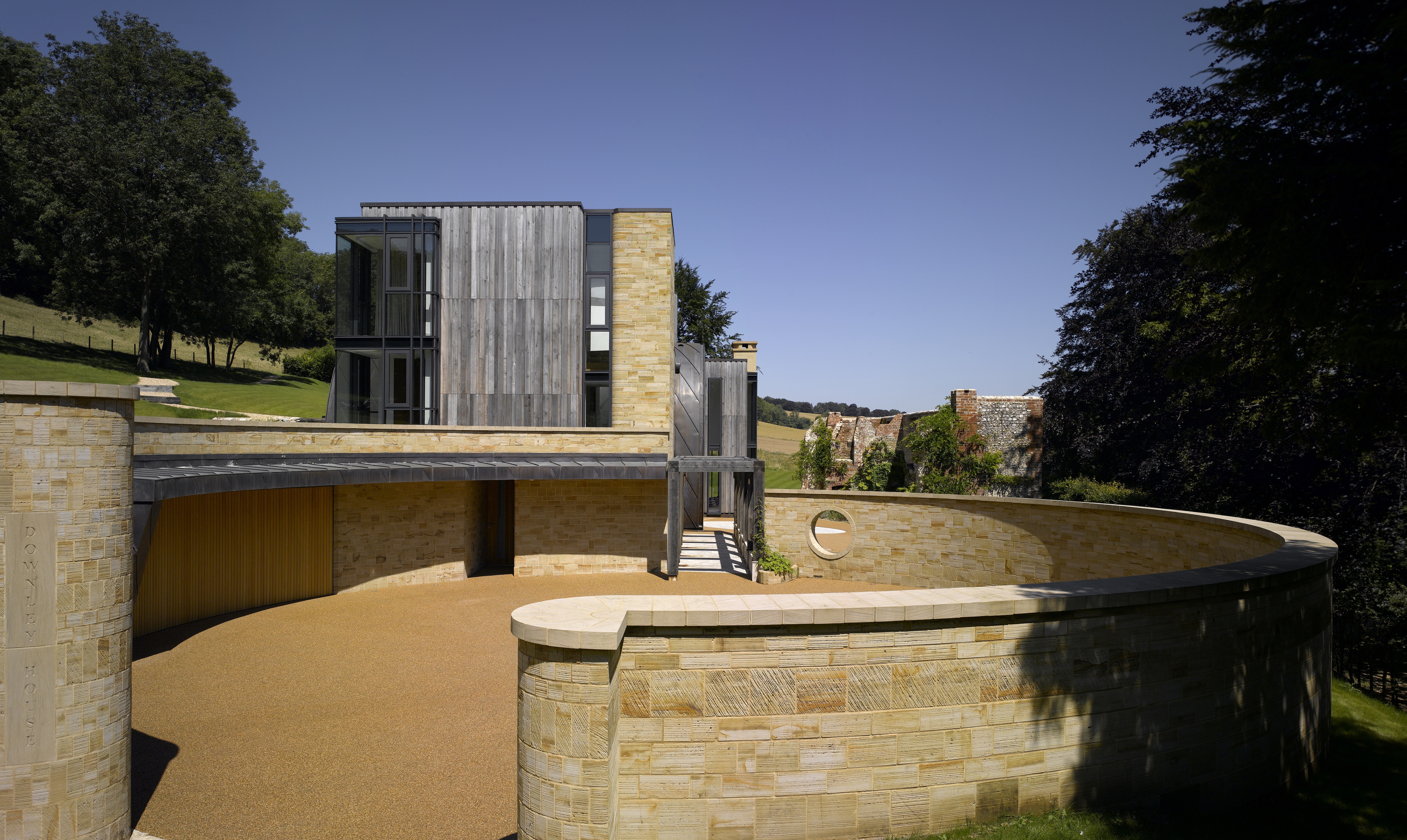
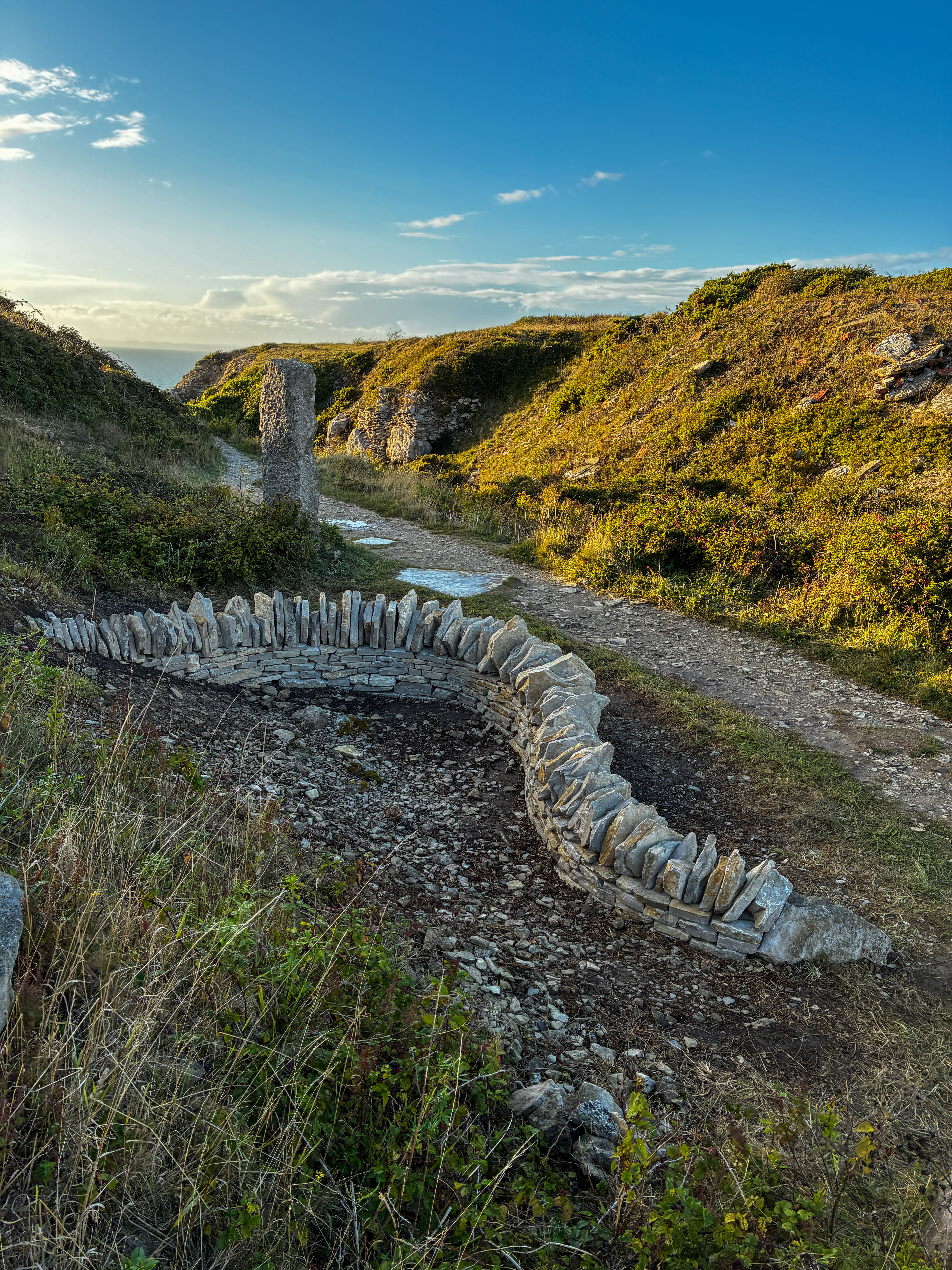
Award Winning Private Residence - Southdowns National Park – Wealden Sussex Sandstone Course Tooled Walling
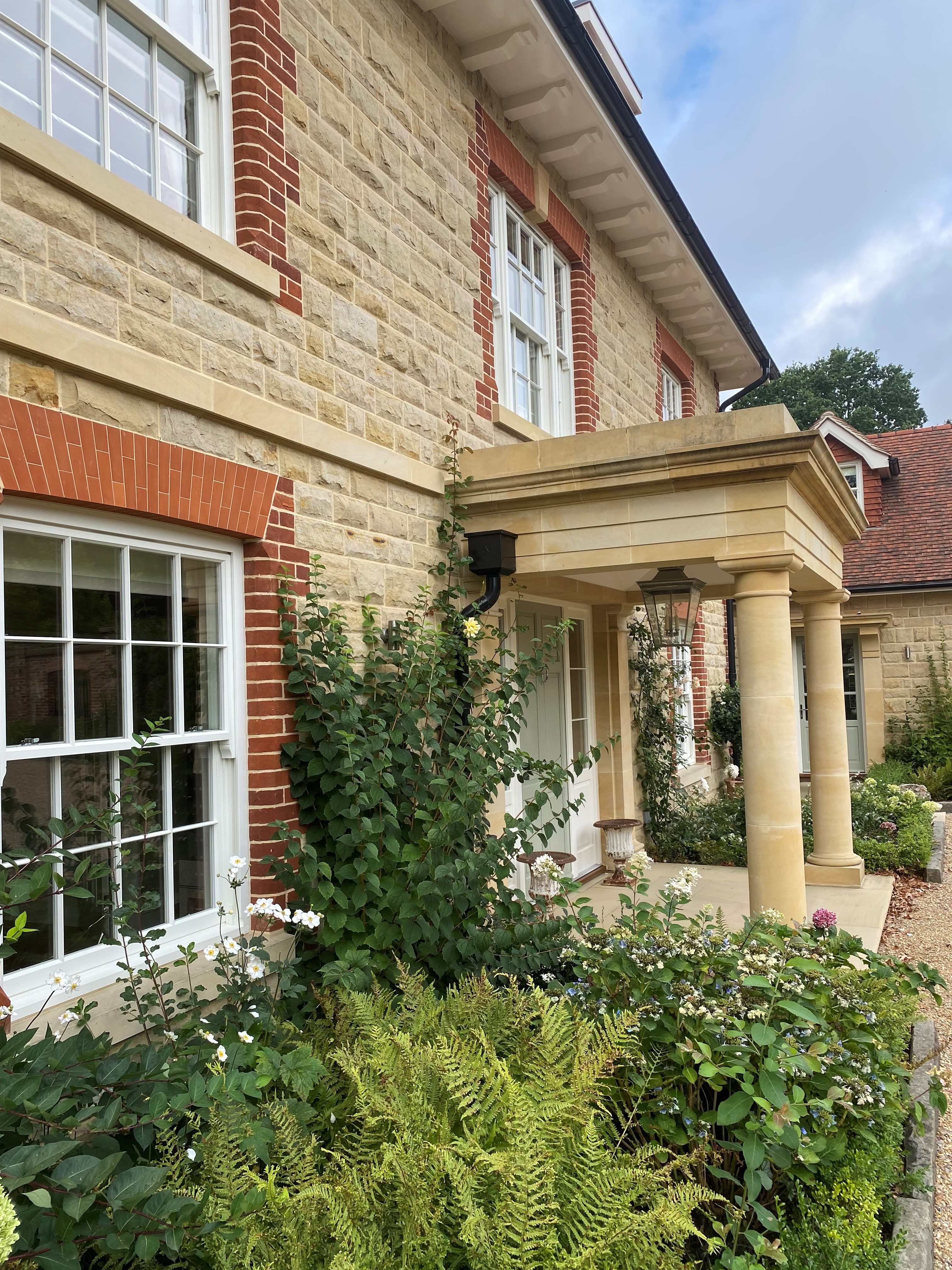
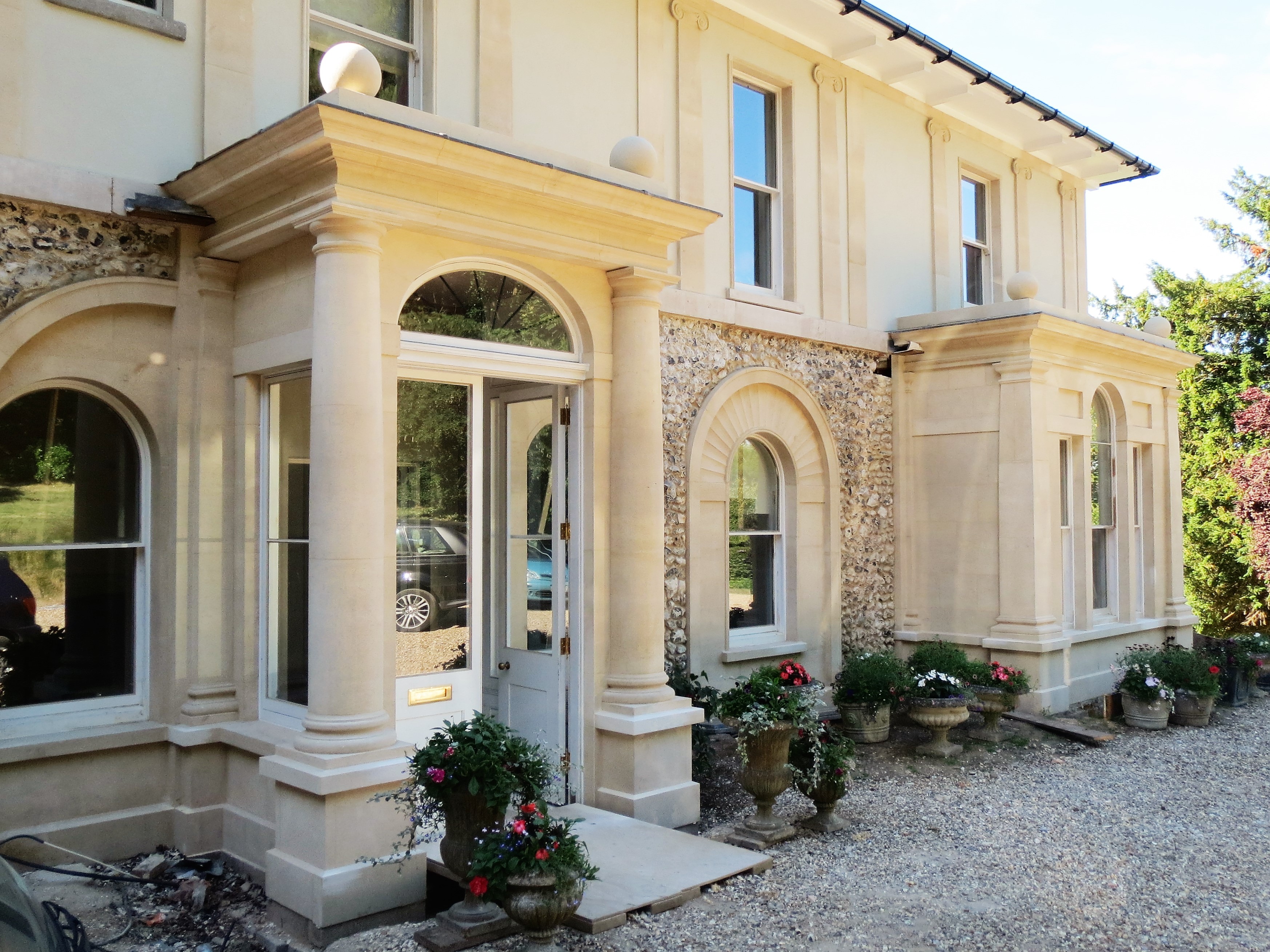
Private Residence - Near East Grinstead – Wealden Sussex Sandstone Coursed Split Face Walling & Fine Grade Masonry - Portico, Doorway Surround, Cills, String Course & Keystones
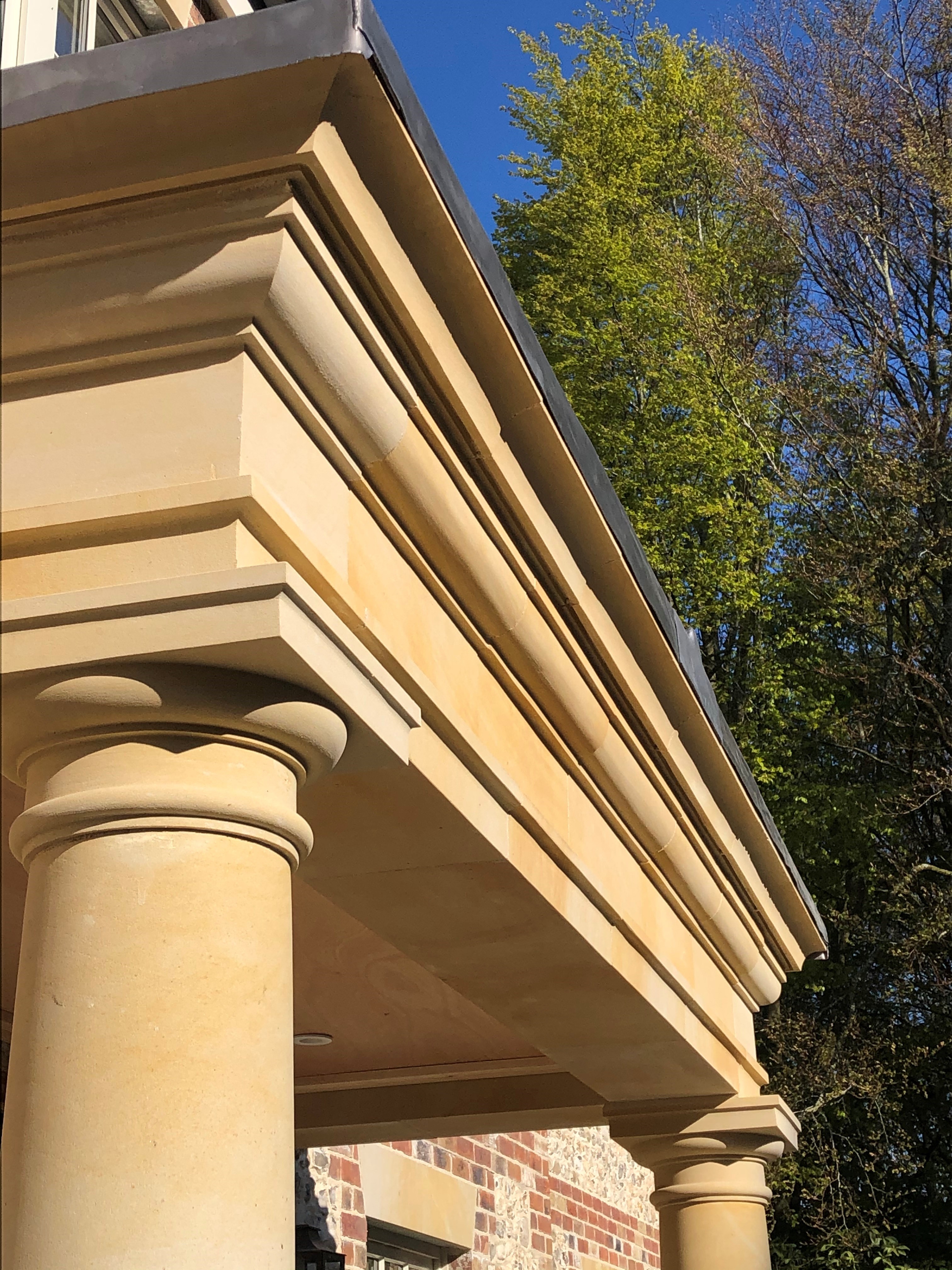
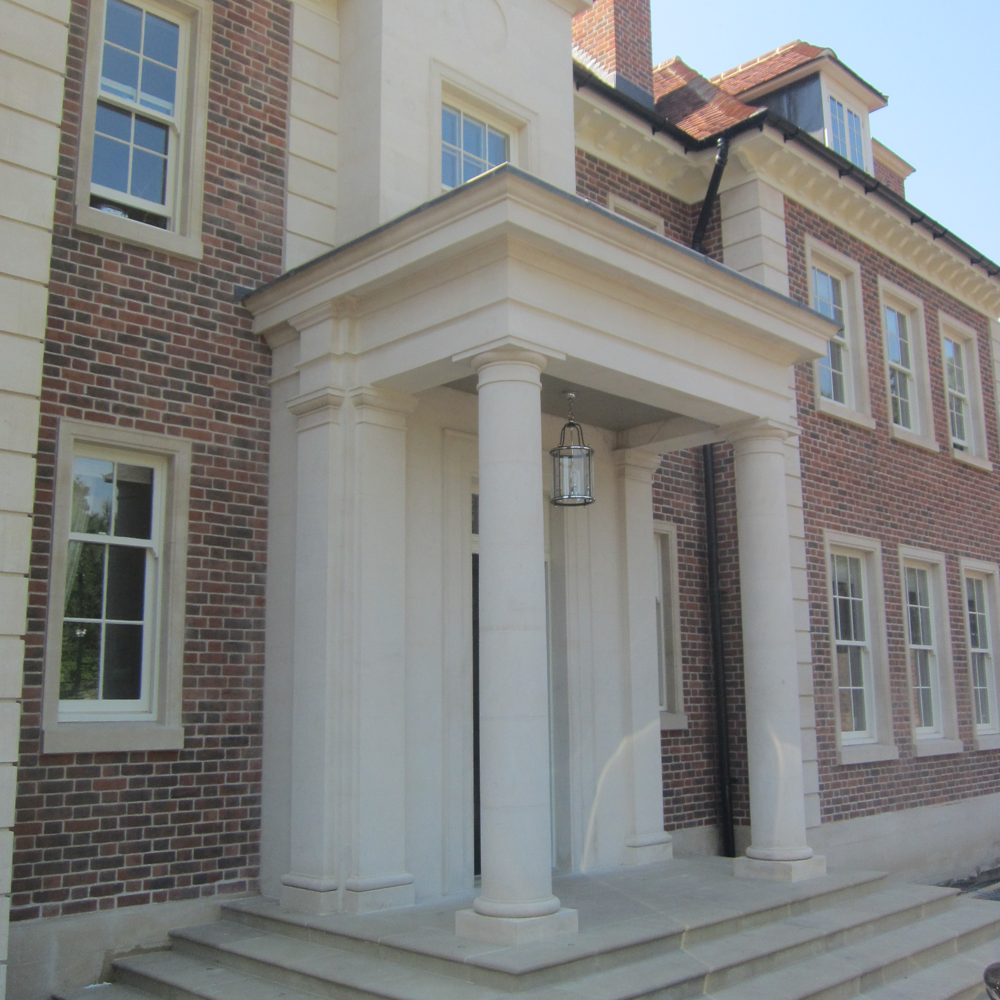
Private Residence- Near Tonbridge, Kent – Sandstone Fine Grade Masonry Portico - Portico, Cills & Heads
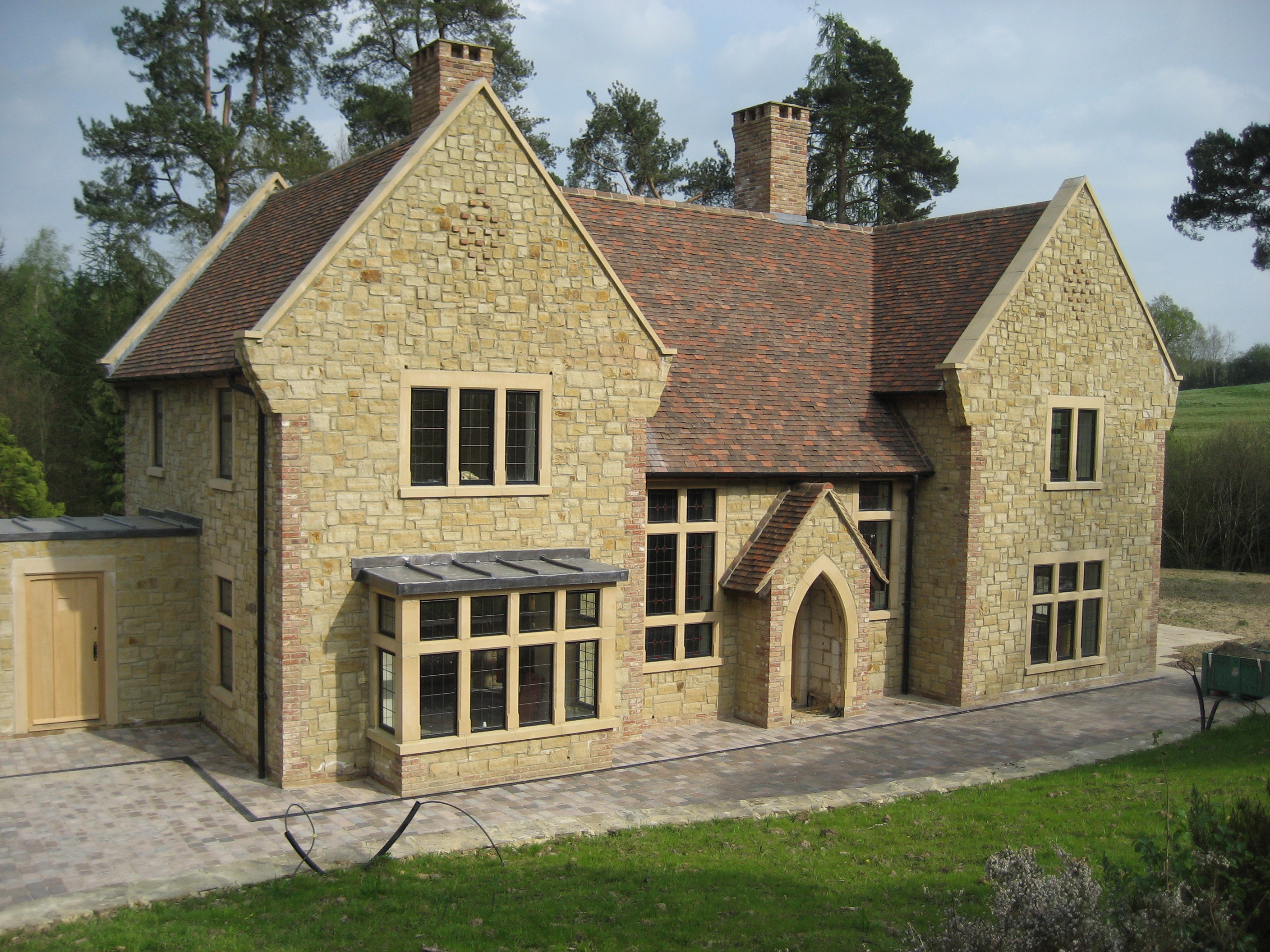
Private Residence - Wadhurst, Kent - Wealden Sussex Sandstone HS2 & Top Grade Masonry - Window & Doorway Surrounds, Copings
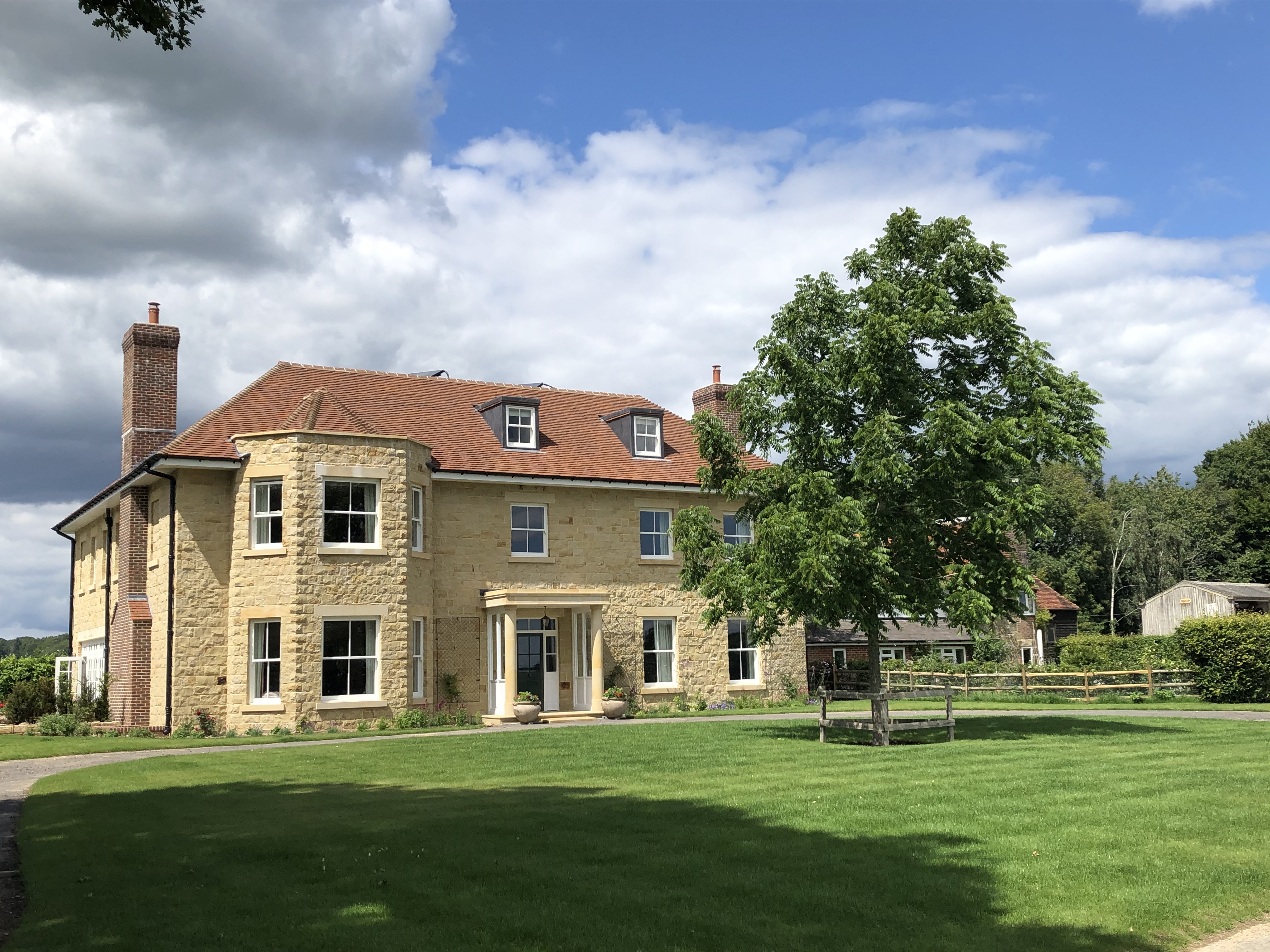
Private Residence - West Sussex – Wealden Sussex Sandstone HS2 & Fine Grade Masonry - Cills, Heads & Portico
Profile About Us

William Tribe Lamb founded W T Lamb & Sons as heavy side builders merchants, with his two sons, Bertrand and Antony Ernest, in 1901. They then purchased their first brickworks in 1910. The company was subsequently run by Antony and Richard Lamb, sons of Bertrand, prior to currently being run by the fourth and fifth generations. It is believed that W T Lamb & Sons Ltd is the oldest brick making company in the UK still owned by the founding family. The company supplied and manufactured bricks for the Victorian buildings of London and the South East with fine handmade bricks, thrown and clamp-fired in Essex, Kent, Surrey and Sussex.

Five generations later, Lambs is still a family-owned business with a focus on providing quality products to the building industry. The fourth generation Group Chairman, Robin Lamb, who joined the company in 1959, worked his way through accounts, roofing and sales departments, before becoming Sales Director, then Managing Director, before assuming his current position. Robin's son James is also on the Board and has been an active non-executive director since 2000.

In 2001, Jonathan Lamb became Sales Director, with his father, Robert, taking over the role as Managing Director.
During this period, the brick industry continued to evolve and Lambs’ success continued, supplying some of the most iconic buildings in the UK.

Building on our reputation for quality and for providing authentic British building materials, Lambs expanded from bricks into natural stone.

In 2004, Lambs secured the right to excavate, and later purchased, Philpots Quarry, the last remaining large source of Wealden Sussex Sandstone in the UK.

Lambs continue to produce hand made specialist bricks and rubbers to some of the finest buildings to this day, whilst challenging our experienced staff with complicated brick detailing.


Company Logo
lambs_bricks_and_stone_-_brick_tag_blue_navy_bg.png
Company Slogan
Committed to Craftsmanship
Address 2
Philpots Lane
Address 3
End of North Lane
masons_fax
1403 784663
Mason Area
South East
Profile Website
https://www.lambsbricks.com/
Country
England
Publish 22nd
No
Status
Record is Ready to be Published
Printed Company Description
We specialise in architectural masonry, including Cills, Lintels, Pier Caps and Portico’s, using all types of natural stone. From Survey, CAD to manufacture we supply restoration, conservation, and new build projects. Our Wealden Sussex Sandstone is available for all types of walling and features.
Newsletter
No
Contacts Email
james.mitchell@lambsbricks.com
Media Gallery
Yes
Website
http://www.afjones.co.uk

Our reputation is built from centuries of proven experience. We combine traditional craftsmanship with modern production methods.
Alpha Key
AFJONESIPSDEN
Address
Old Quarry Works
Town
Ipsden
Postcode
OX10 6AF
Phone
0118 957 3537
Company Email
info@afjones.co.uk
Contact Name
Angus Jones
Mason Sub Cat
Architectural
Fabricators (Worktop)
Heritage
Memorial
Home
Show
Tab News
Show
Tab Images
Hide
Tab Downloads
Hide
Tab Videos
Hide
Tab Categories
Hide
County
Oxfordshire
Title
A F Jones Stonemasons (Ipsden)
Profile images
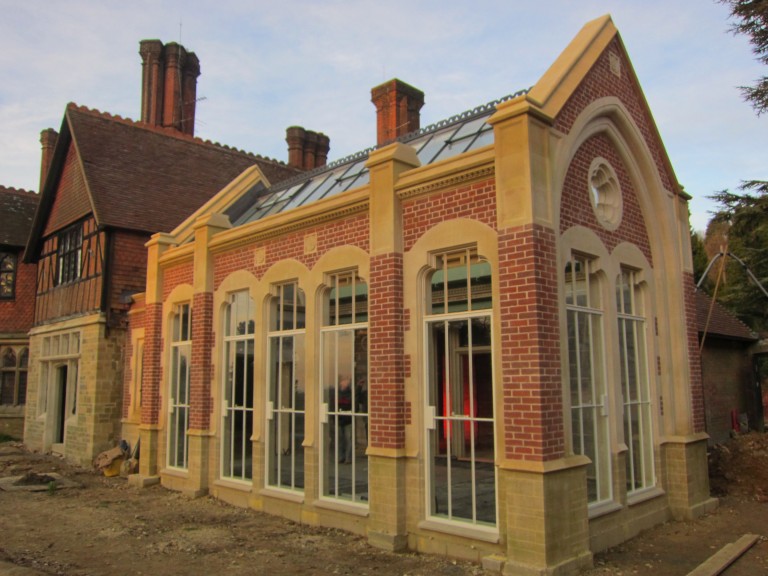
Holmdale Fernery - Private Residence
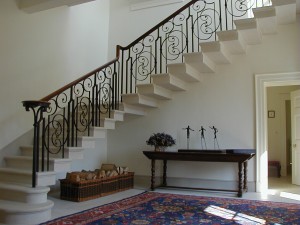
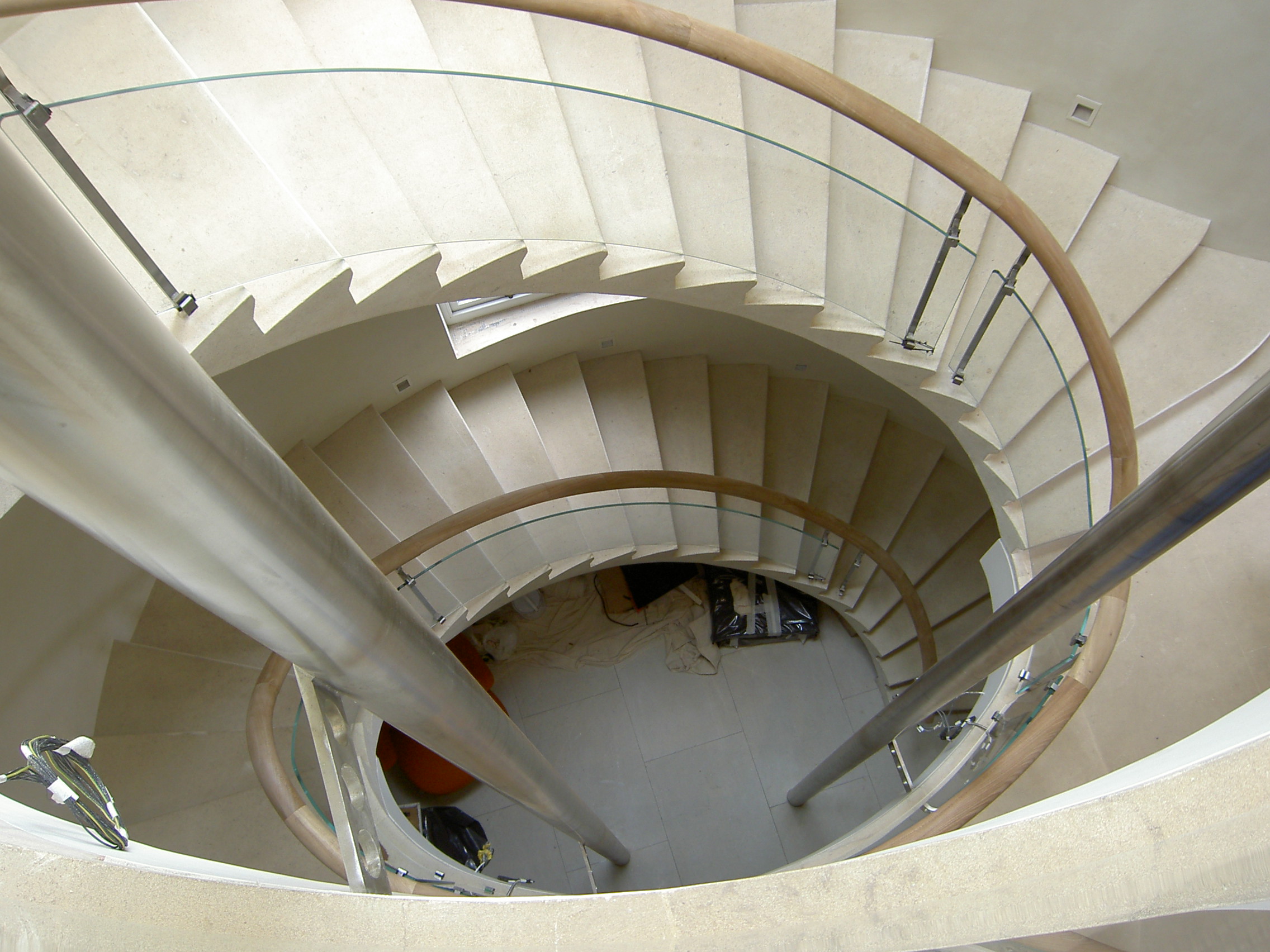
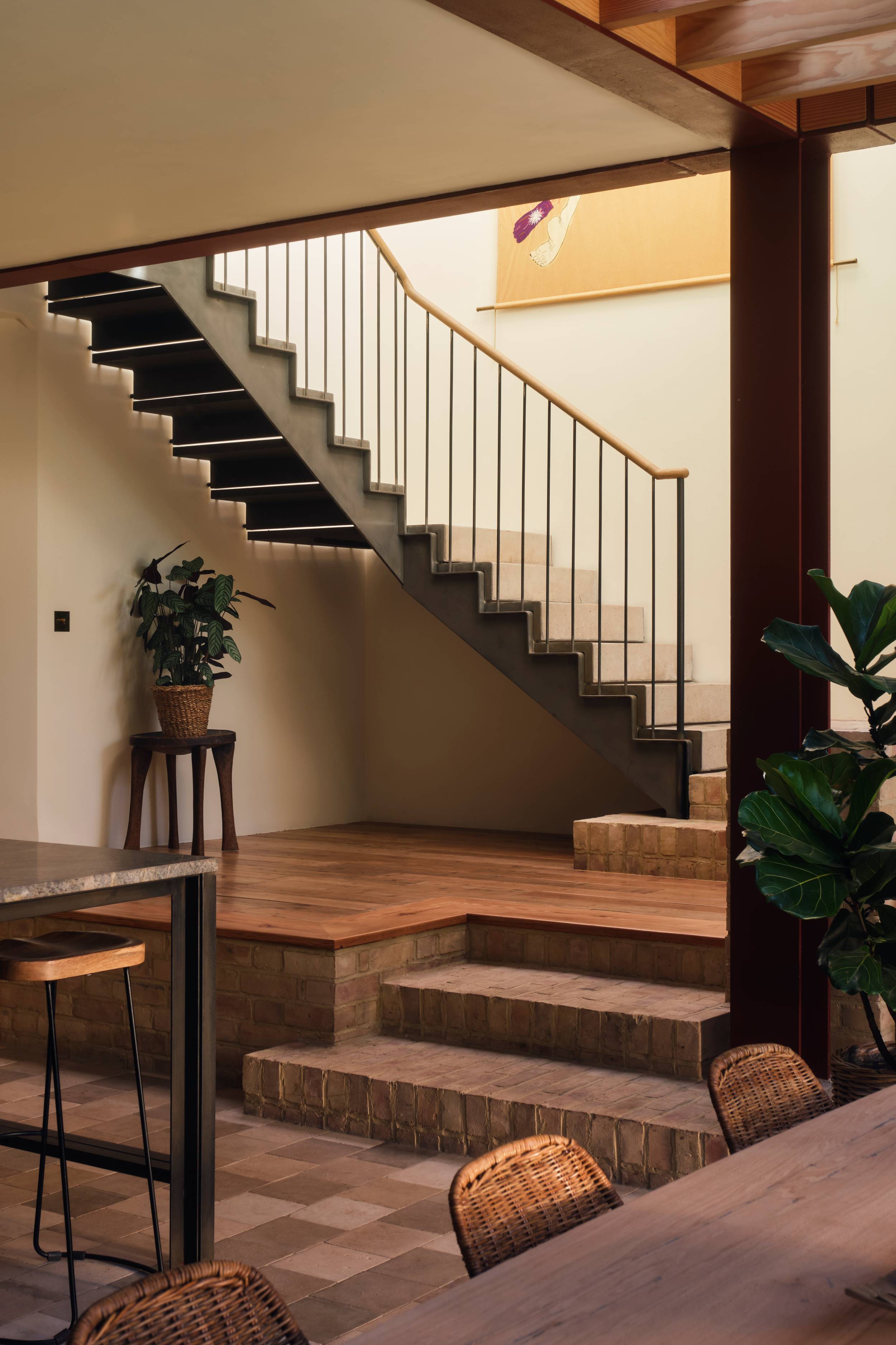
Cantilever Staircase - Private Dwelling
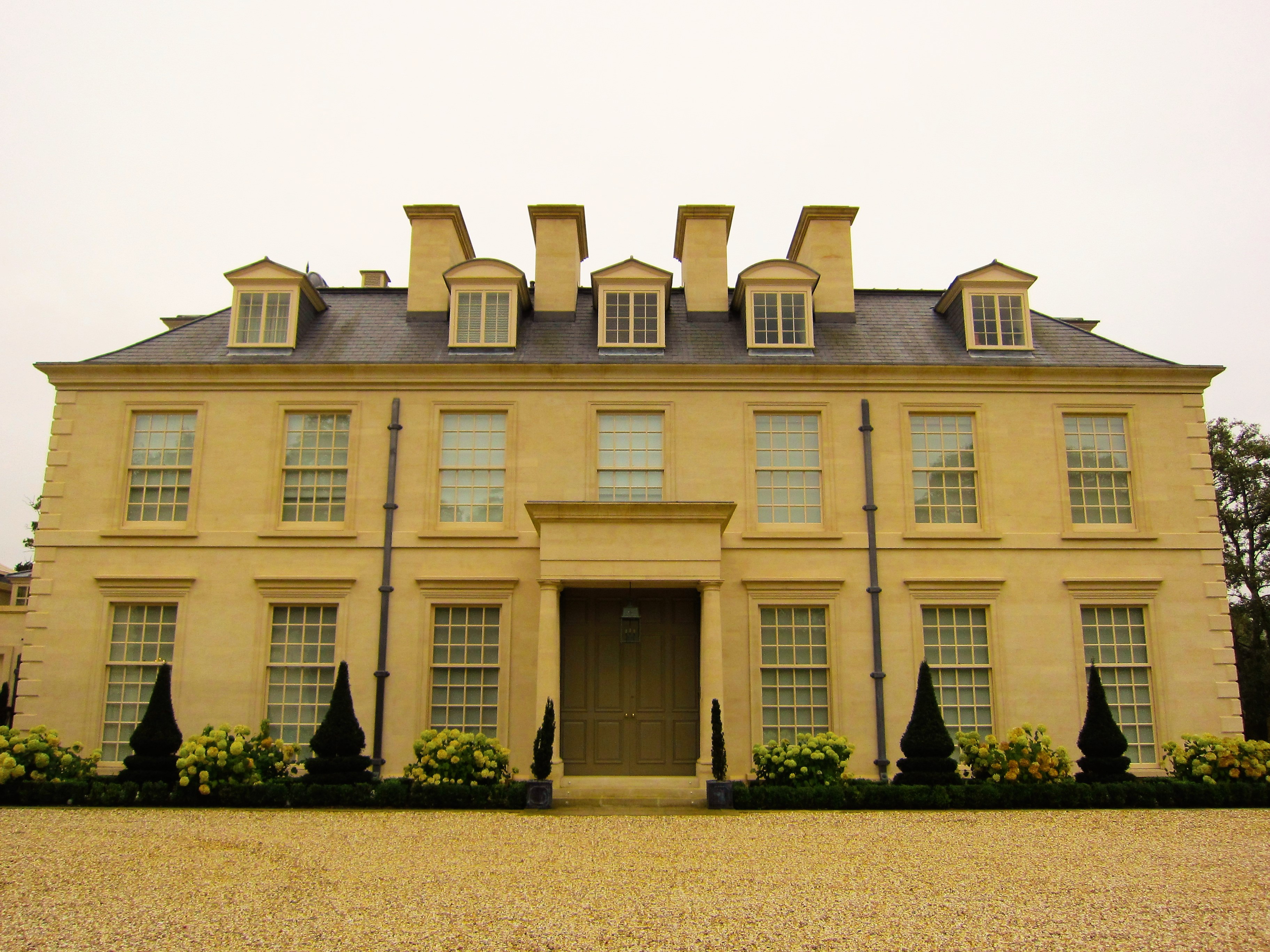
Private Residence - Winchester
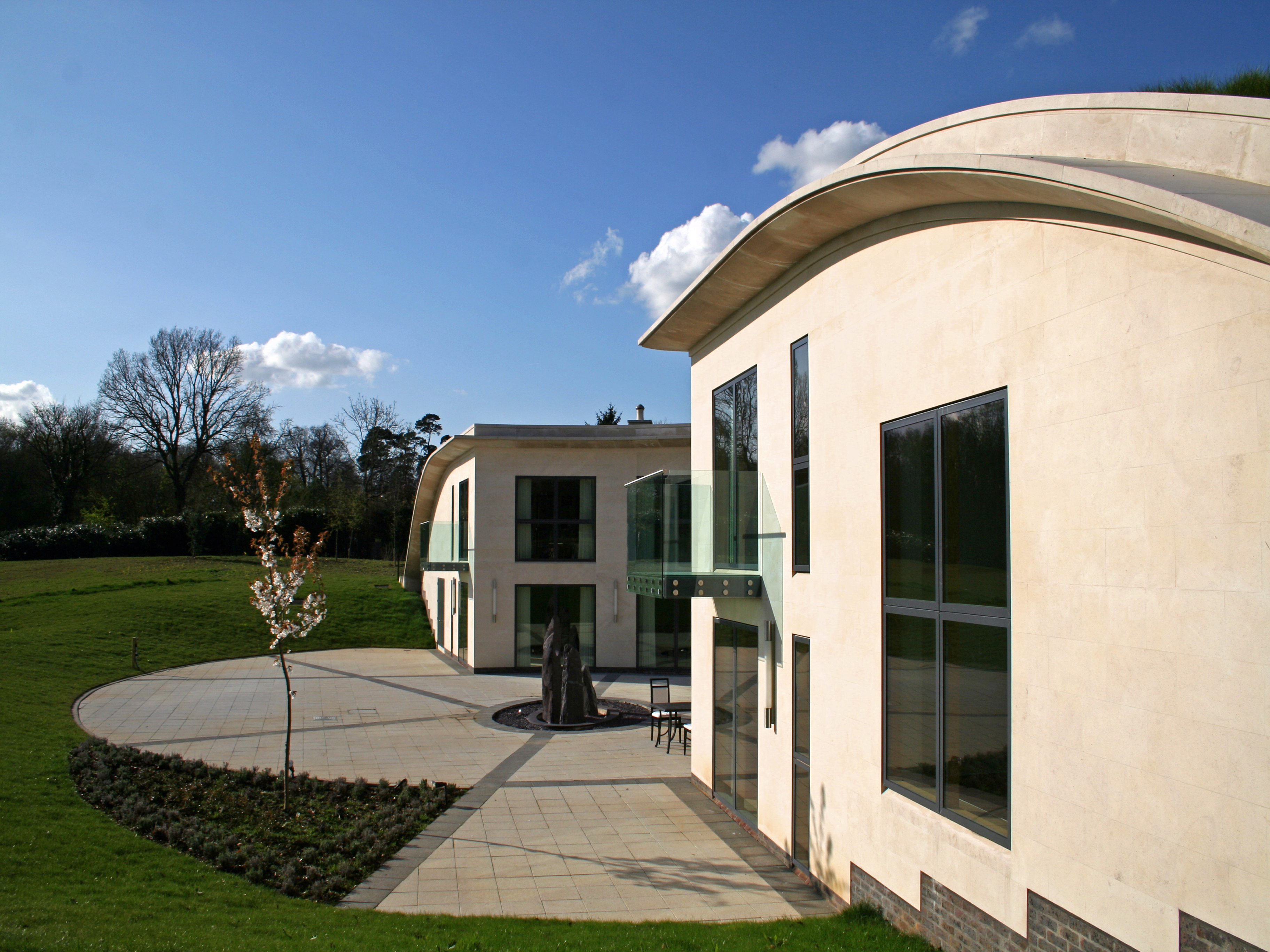
Stags End - Contemporary Private Residence
Woodlands House - Henley-on-Thames
Clarendon Road
Pedimented Driveway - Oxfordshire
Wishanger
Profile Downloads
A F Jones - A History
Profile About Us

A F Jones provides a complete service from concept and design services, through manufacture and full installation. We are dynamic, knowledgeable and we support our clients to realise the true potential of stone in, and on, their buildings.

With over 160 years of continuous operation and investment, we employ a sizable in-house team and manufacturing capability, delivering large and complex projects, alongside the multitude of smaller and bespoke works.

We draw upon our wealth of deep-seated stone knowledge & heritage skills, but we also invest and capture the power of leading-edge cutting technology to ensure we offer efficiency, accuracy, and overall value to our clients.

Company Logo
logo.png
Company Slogan
Bringing Stone to Life since 1858
Mason Area
South East
Profile Website
https://afjones.co.uk/
Country
England
Publish 22nd
No
Status
Record is Ready to be Published
Publishing Notes
Contacted by Jess 04/11/21.
Not a duplicate - owner wanted two entries to represent the two locations.
Newsletter
No
Media Gallery
Yes
Main Image
williamstrip_rear_entrance.jpg

Surface Perspectives: Stephen Byrne, AF Jones

2026-02-04


After more than four decades at the cutting edge of British stonemasonry, Stephen Byrne is preparing to retire from A F Jones, bringing to a close a career that has spanned craft, consultancy and complex project delivery. Originally trained as a banker mason, Stephen has worked on major heritage projects, including the Palace of Westminster, through to senior leadership roles in large commercial workshops. 


Since joining A F Jones in 2019, Stephen has played a key role in supporting the company’s expanding workload, providing estimating and project management expertise to a business already defined by its depth of in-house capability. With over 160 years of continuous operation behind it, A F Jones combines heritage skills with cutting-edge technology, delivering everything from large, complex architectural packages to bespoke private commissions across the south of England and London. 

Stephen’s experience has sat naturally within this ethos, helping clients realise the full potential of stone through clarity, rigour and practical insight. As he steps back, we find out what has driven him over the years and ask for his unique perspective on the industry.


What has a typical day looked like for you? 


No such thing really; I’ve always had a large variety of roles. Definitely much more IT and technology in use these days. Can be planning, tendering, project management, quantity surveying, etc.


Engelfield House


How integral have materials/surfaces been to your day-to-day?


The complexities of natural stone have been a controlling factor in my career. The challenges of working with a naturally occurring material have been significant.  


What are the biggest lessons you have taken forward from your original training? 


Apart from developing extensive skills in both restoration, conservation and new build, the main development has been in adapting to manage people in varying ways to get the best out of them. Everybody is different, so a blanket approach does not work. I would like to think I’ve learnt to deal with everybody politely and have made a concerted effort to empower people as much as possible so that they take ownership/responsibility for their own roles.  


Farmcote Wood House


Which project/s are you most proud of being involved with and why?


Williamstrip Park was an exacting, classically designed extension to an existing country manor, with lots of traditional detailing and minimal tolerance in the build. Farmcote Wood House was a brand new, fully stone-clad country house. Again, classically designed with dentilled parapet cornicing and a pedimented front elevation. It was a massive challenge. I project-managed the design, the manufacture and the installation on site.


Williamstrip Park


Englefield House was a major parapet rebuild and stone replacement, incorporating new stainless-steel strapping to provide structural integrity around the parapet perimeter. The work included the replacement of large central carved parapet panels and a new pierced balustrade. This work was completed before 2000, and I’ve been involved in numerous other works at the same property over the last 25 years. 


Clark Residence


The first major overseas project I managed was The Clark Residence, Palm Beach, Florida. It included all workshop drawing preparation and new stone manufacture, as well as delivery to site. We had to obtain the coral stone from the Dominican Republic, which was shipped to the UK in 20ft ocean-going containers. The manufacture was completed in the UK, with the new stone carefully packed into timber crates and sent back to site in more 20ft ocean-going containers. The stonework was installed by a local contractor employed by the principal contractor. The works completed included columns, plinths, carved caps and corbels, cills, and cornice.
 

What do you feel are the main challenges facing the stone and surfaces industry today?


The main challenges facing the industry today are the rising operating costs associated with the increase in the costs of the raw materials. The industry is now hugely competitive, and cost and programme appear to be key. We need more discerning Clients who prioritise quality and service over everything else….difficult to find, however.


Kingham Hill


In your opinion, what are the positives of using stone in the built environment?


Natural stone is a sustainable material and if sourced and utilised properly can produce only a small carbon footprint. More and more designs are now focused on reducing the carbon footprint with self-supporting and load-bearing stones being incorporated in buildings with the minimum amount of production activity added.  


How does sustainability shape your thinking and decision-making, and how do materials fit into this?


My thinking is that there is no more sustainable material available to the built environment than stone, and we as an industry should keep making noise about it.


Clark Residence


What’s next!?


Wow…. great question.


Initially, I will spend a couple of months at home completing the small jobs around the house that I haven’t attended to over the last 25 years. But at the end of May, my wife and I are departing for a 6-month trip to the USA. Our eldest son lives in Connecticut with his wife and our three grandchildren, so we’re spending 3 months living around them so we can get the true grandparent experience. In the past, all we’ve ever done when we see them is be with them 24/7…they’re either staying with us, or we’re staying with them. This way we can see them and have a bit of our own space. 
 

After this, we’re hiring an RV and spending 8 weeks travelling East to West across the USA. Starting in New York, travelling along the southern part of the USA, up into California and finishing in Las Vegas. After all that, we’re back home in the UK for a couple of weeks in November before flying to Singapore to stay with our other son and meet grandchild number 4, who is due to be born in July. Won’t have much time to worry about not being busy…. 


limittext
Off
Exclude From Lists
Include
Company Tags
M10
CAPTCHA
SEO Title
A Life In Stone With AF Jones' Stephen Byrne
Read more
Main Image
anti-ruin_2.jpeg

News: Surfaces Cinema to bring film and photography to The Stone & Surfaces Show

2026-02-03


The Stone & Surfaces Show is adding a new feature for its 2026 edition with the launch of the Surfaces Cinema, a dedicated space for film, photography and live presentations aimed at inspiring architects and designers.


The show takes place from 12–14 May 2026 at ExCeL London and is set to be “festivalised,” with the cinema forming a big part of that shift. Alongside screenings, the Surfaces Cinema will act as a hub for talks by architects presenting projects that explore innovative uses of stone and surface materials. Visitors will also be able to take a break from the Main Stage debates, Architects Theatre sessions and exhibitor stands – with free popcorn promised.


Tiny Temple


One strand of the programme will focus on how materials are made. Three short films from Architextures’ Materials in Motion series will be shown, giving behind-the-scenes access to manufacturers including Mirrl, which produces bespoke resin finishes, Tiny Temple, known for its charred timber, and No Rules Wallpaper, which designs sustainable “no match” wallcoverings. Architextures founder Ryan Canning will also speak in the Architects Theatre about how the digital material library, launched in 2020 and now used by more than half a million designers a month, supports specification and drawing production.


No Rules Wallpaper


The cinema will also screen a film about ANTI-RUIN, an experimental project by OZRUH that turns stone dust and demolition waste into new spatial structures using large-scale 3D printing. The project explores architecture as something that grows and recombines rather than simply decays. OZRUH founder Levent Ozruh is due to join a Main Stage panel to discuss how ANTI-RUIN points toward a regenerative material economy and a different way of thinking about longevity in buildings.


OZRUH


A selection of work by award-winning photographer and filmmaker Edward Bishop will be screened, including films about a sustainability-led primary school, the construction of a pavilion from marine ply and aluminium, and the craft of architectural model making. Bishop’s work is known for focusing on the human presence within buildings and how spaces are used and understood.


Edward Bishop


Professional photography will also have a strong presence. Slideshows will feature portfolio highlights from Chris Hopkinson, Ivan Jones and Andy Stagg. Hopkinson, who runs Chromaphotography, will accompany his architectural images with a film documenting the mining of Portland stone. Brighton-based Ivan Jones is developing his first solo publication on natural materiality and sustainable design, while Andy Stagg’s fine art background informs a body of work that looks closely at overlooked details and atmosphere in architecture.


Chris Hopkinson


Sam Patel, Divisional Director of the ‘Super Event’ that brings together Stone & Surfaces, UK Construction Week and FutureBuild, says the Surfaces Cinema is intended to add a lighter, more inspirational dimension to the show. “Think red carpet, a classic cinema usher in hat and gloves, matinee screenings – and yes, popcorn,” he says. “It’s a space where film, photography and live presentations come together to show how stone and surfaces can spark creativity and push the boundaries of design.”


Ivan Jones


The Stone & Surfaces Show is co-located with UK Construction Week London and FutureBuild, giving visitors access to all three events in one venue. It is organised by Media 10 and is positioned as the UK’s main trade event for the natural stone and surfaces sectors, with exhibitors, live demonstrations and an extensive seminar programme.


Registration for the 2026 show is now open.


limittext
Off
Exclude From Lists
Include
Company Tags
M10
CAPTCHA
SEO Title
Surfaces Cinema to bring film and photography to The Stone & Surfaces Show
Read more
Main Image
pend-whitberry-house_lorenzo_zandri1.jpg

Case Study: Whitberry House, Pend Architects

2026-02-02


While Whitberry House may not be a brand new project, its bright and cheery exterior conjures a welcome reminder of the warmer days of its completion. As we continue to persevere through the winter gloom, and hope that this Groundhog Day won’t signal a delay to spring, it also stands out as a carefully judged example of how stone and masonry can be used to extend a historic building without resorting to pastiche or erasure. 


The renovation and extension of this Grade B listed Georgian farmhouse by Edinburgh-based Pend Architects, demonstrates how contemporary stonework can take its place within a long architectural lineage.


Whitberry’s front elevation is composed and familiar, finished in the soft pink tones typical of East Lothian. The rear, however, tells a different story. Over time, the house had accumulated a series of additions in reddish sandstone and brick, each reflecting the construction methods and priorities of its era. These layers of masonry were visually rich but spatially unresolved, resulting in a fragmented elevation and an interior plan broken into narrow, poorly connected rooms.


Pend Architects approached the project as an exercise in continuity rather than correction. Founded in 2021, the practice has developed a reputation for working sensitively within historic contexts, with a strong emphasis on material intelligence. At Whitberry, the aim was not to restore an imagined original state, but to add another chapter, and one that could sit comfortably alongside the existing stonework while clearly belonging to its own time.


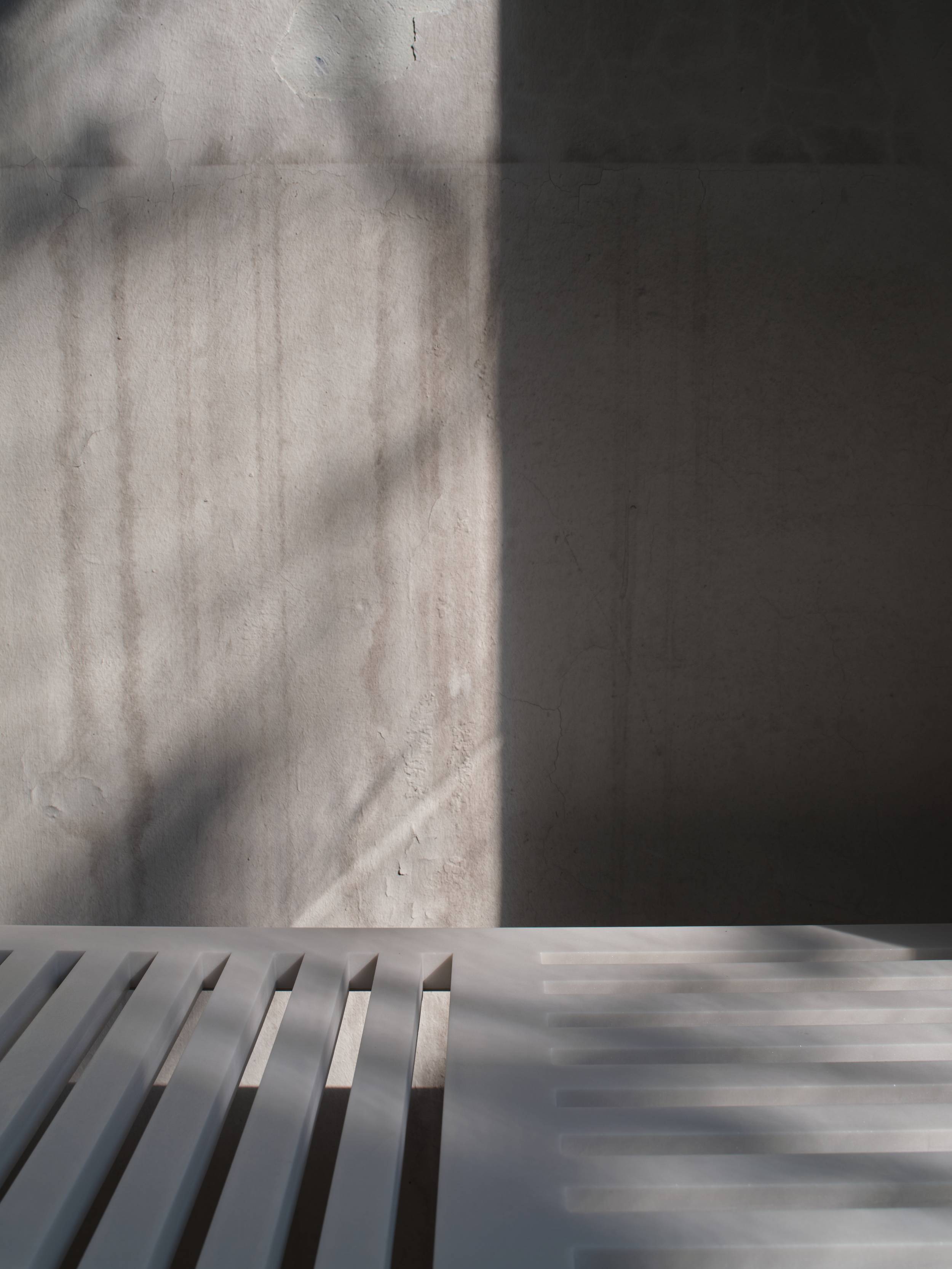
The new rear extension consolidates the disparate historic additions into a more legible composition. Central to this is a precast stone wall designed by the architects. Its pale, blush-toned colour draws directly from the existing East Lothian sandstone and brick, but the surface treatment is distinctly contemporary. Fluting introduces depth and rhythm, catching light and shadow in a way that gives the wall a changing character throughout the day. Rather than copying historic tooling or coursing, the stonework acknowledges its neighbours through proportion, colour and weight.


This stone wall forms the primary tactile element of the extension and is complemented by a horizontal concrete fascia that runs across the rear elevation. The fascia acts as a visual anchor, tying together old masonry and new intervention without competing with either. Below it, the stone continues the narrative of incremental growth that defines the house, while above, carefully placed glazing opens the interior to the garden.


The junctions between materials are handled with particular care. Full-height glazing meets the original stone wall of the farmhouse in a flush return, allowing the historic masonry to read uninterrupted inside the house. This move preserves daylight to an existing stair window while reinforcing the continuity of the stone fabric. Internally, the same wall becomes part of the kitchen, blurring the boundary between old structure and new space.


Stone and masonry are not treated as backdrop but as active participants in shaping the plan. The relocation of the kitchen into the extension allowed Pend to address one of the project’s key challenges: a dark, inward-looking ground floor. A vaulted rooflight brings daylight down onto the stone surfaces, enhancing their texture and colour, while wide internal openings allow light to filter through adjoining rooms.


Elsewhere, the existing masonry dictated a more restrained approach. Where original stone and brick were retained, interventions are minimal, allowing differences in colour, scale and construction to remain legible. The new stonework does not attempt to disguise itself as historic, but neither does it overwhelm what came before. Instead, it reinforces the idea that the house is an accumulation of moments, each expressed through the materials available at the time.


Securing planning approval for a listed building required Pend to articulate the value of adding yet another layer to an already complex structure. The argument rested on the idea that the house had always evolved through masonry additions, and that a carefully coloured, detailed and proportioned contemporary stone extension was a continuation of that process rather than a disruption.


Whitberry House shows how stone can be used not as a nostalgic gesture, but as a living material. By embracing contrast in technique while maintaining continuity in tone and mass, Pend has created an extension that feels settled, deliberate and quietly confident. It is a project that rewards close attention, particularly in the way new stonework converses with centuries of masonry already in place.


All images © Lorenzo Zandri


limittext
Off
Exclude From Lists
Include
Company Tags
M10
CAPTCHA
SEO Title
A Contemporary Stone Extension That Respects Georgian Heritage
Read more
Main Image
exhibition_installation_image_rock_fruit_by_flower_2023_onespace_australia._photography_by_louis_lim._courtesy_of_the_artist_and_onespace.jpg

Interview: Conversations in Stone

2026-01-30


As we recently reported, What Lasts Doesn’t Always Hold Shape places stone, time and endurance firmly in the frame, setting out a clear conceptual framework for how material, architecture and cultural memory might be re-examined in the present moment. 


Announced by Hypha Studios and art and architecture platform recessed.space, the exhibition opens today as part of Hypha’s year-long programme at James Stirling’s landmark No.1 Poultry, one of London’s most distinctive postmodern buildings. Curated by Rebecca Jak and Taylor Hall, whose joint practice is rooted in the overlap between art and architectural culture, the exhibition frames materiality as an act of empathy. 


We spoke to the duo about why stone matters now, how architecture and art can open new conversations around sustainability, and what it means to treat material not as backdrop, but as a co-collaborator.


JB: Congratulations on a great exhibition; it feels like a really interesting perspective at a time when stone is being reexamined in the built environment. But I’m intrigued by your motivations - Why this, and why now?


RJ: We live in a time of extremes. On one side, we are surrounded by a surplus of material objects. On the other hand, much of our lives are lived in digital, immaterial spaces. We operate at the tail ends of material excess and material loss. It's easy to become desensitised to the nuance, character, and depth that natural materials like stone hold. Design thinking, for example, has become dominated by efficiency, performance metrics, and numbers-driven sustainability frameworks that often fail to meaningfully engage with craft or context. 


OZRUH


TH: Stone demands a certain slowness and attention. Poorly executed stone has a way of revealing itself immediately, while structural stone carries a visceral presence. It is felt as well as seen.


As co-curators from architecture and artistic backgrounds, our exhibition shares a point of practice where, despite rapid technological change, stone retains immense logical and physical gravitas. We trust it to build, house, and preserve civilizations. We continue to sculpt the human figure from it. We travel across continents to encounter sites such as Stonehenge, whose meaning is inseparable from its cosmological presence.


Stone is also inevitable. However much we excavate, cut, and manipulate it, it will far outlast us. We took this expansive lifespan as a challenge, inviting stone into the exhibition as a co-collaborator alongside ourselves, the artists, and the building that houses the exhibition, No. 1 Poultry. In this sense, adaptation and interaction are not just conceptual gestures, but practical conditions for working with stone today.


Irina Razumovskaya


JB: Can you give a little more insight into your reasoning for selection and the details of the works chosen?


RJ: All of the works in the exhibition were selected or commissioned through close dialogue between us as co-curators and the exhibiting artists. This process allowed the exhibition to function not as a final statement, but as the opening of a conversation between practices, disciplines, and materials.


Stone is often associated with hardness and permanence. Yet it is profoundly malleable. Humans have mastered control over stone for millennia. The question is how this mastery is exercised today, and to what ends. 


Jobe Burns


TH: Across the exhibition, stone appears in radically different practices and value systems. Marian Drew addresses the distance between digital production and physical materiality, highlighting how the loss of tactile engagement weakens our relationship to matter. Irina Razumovskaya’s experimental ceramics reject material prescriptions, treating clay as a mineral condition in transit. Her work aligns bodily aging with architectural erosion and geological time, framing exposure and vulnerability as acts of care rather than damage. Jobe Burns draws on the legacy of stone and metal craftsmanship rooted in England’s Black Country, treating each material within its own character and agency. Levent Ozruh's works trace stone from quarry to dust to reconstituted structure, demonstrating how architectural possibilities emerge through iteration and adaptation rather than fixed outcomes. By placing divergent approaches in dialogue, the exhibition presents stone not as a fixed idea but as a material shaped by its context.


JB: And can you tell me a little more about the linkage to the site of the exhibition itself?


RJ: This conversation is anchored in space through original archive material from architect James Stirling’s collection, revealing the journey of No. 1 Poultry’s stone facade. Excavated in Australia, transported to England, and assembled with open joints on a concrete frame, the stone declares its cosmetic value while carrying weight, labour, and history. This archive illuminates what is removed, what remains, and what continues to circulate, emphasising stone’s life beyond its initial unearthing.


Choosing artists who fundamentally challenge how stone is used and understood was essential. We were not seeking consensus, but dialogue. The junctures, tensions, and overlaps are where the idea of “what lasts” truly takes shape.


Marian Drew


JB: Can you expand on how you "view the climate crisis through the lens of culture"? How do you feel stone fits into the sustainability puzzle?


TH: The climate crisis and culture are inseparable. Sustainability is often reduced to numbers, metrics, and scientific exercises. Stone is shaped by the climate of eons past, but what receives far less attention is what our attitudes toward climate reveal about us as a society.


Stone brings these questions into sharp focus. It exposes an ancient culture of building, relationships between developer and architect, and the collaboration between architect and craftsperson. There was a time when the physics of stone and stonemasons shaped design itself, and architects were trusted by developers. These links have eroded. Multi-disciplinary practice seems a novel term now, yet it is centuries old.


Working with stone shifts sustainability from abstraction to lived responsibility. It demands care, long-term thinking, and accountability. Sustainability becomes stewardship rather than optimisation.


JB: What can people expect from the public program, not least the Stone Collective event?


RJ: The exhibition is accompanied by a public program that expands on its themes and activates the gallery as a platform for dialogue. The Stone Collective event reframes stone not as a symbol of permanence, but as a material shaped by human use, reuse, and misuse. What lasts doesn’t always hold shape links endurance, adaptation, and material memory to real architectural practices within its own curatorial framework. It asks how stone’s lasting quality depends not on durability alone, but on ethics, stewardship, and circular thinking in the built environment.


limittext
Off
Exclude From Lists
Include
Company Tags
M10
CAPTCHA
SEO Title
Interview With the Curators of Stone Exhibition
Read more
Main Image
fractualism_by_giles_miller_studio_cropped.jpeg

Surface Spot: Aluminium Petals Ripple Across Facade

2026-01-29


Giles Miller Studio has added a striking new layer of texture and movement to the streetscape of South San Francisco’s Spur innovation district with Fractalism, a large-scale aluminium installation wrapping the ground-floor corner of IQHQ’s 580 Dubuque development.


Stretching 17m long and rising 4.2m high, the work is composed of 4,634 individually formed aluminium “petals” mounted on a precisely engineered frame. Set against the clean, planar architecture of the 30,000m² life sciences building, the piece introduces a softer, more tactile counterpoint at street level.


Rather than acting as a static façade feature, Fractalism is designed to respond to its busy urban setting. Giles Miller explains: “The piece is positioned next to a busy railway station, so the idea is that it responds to the movement of the commuters, offering a changing visual experience as the light shifts along its textured aluminium surface. The result is a type of undulating welcoming-in of visitors into this exciting new district.”


Materiality is central to that effect. Aluminium was selected for its combination of lightness and strength, its full recyclability, and its anodised finish, which subtly shifts tone as daylight moves across the surface. The petals’ gently varied geometries create a rippling, almost textile-like quality, giving the installation a sense of motion even when viewed from a standstill.


Behind the fluid appearance sits a carefully resolved technical structure. Each petal is individually positioned on an aluminium frame using laser-cut ribs to control orientation and alignment, ensuring a continuous flow across the full length of the mural. The studio worked with fabricator UAP to manufacture almost 5,000 elements, each reinforced with a discreet double cross-detail so they can withstand San Francisco’s coastal winds and the close proximity of daily foot traffic without losing their refined, lightweight character.


For Giles Miller Studio, known for blending digital design with craft-led fabrication, Fractalism continues a body of work that explores how light, form and material can reshape architectural edges into more expressive, people-focused spaces.


limittext
Off
Exclude From Lists
Include
Company Tags
M10
CAPTCHA
SEO Title
Giles Miller Studio’s Fractalism animates IQHQ façade
Read more
Main Image
culena_marble_entrance_hall_after_1.jpeg

News: Athena Stonecare Launches CPD

2026-01-29


Athena Stonecare has launched a new CPD workshop aimed at demystifying the care and maintenance of natural stone for designers, suppliers and project teams.


The one-hour session, accredited by the Society of British and International Interior Design (SBID), is built around the company’s Athena Aftercare guidance and is designed to give specifiers practical, straightforward advice they can pass on to clients from day one.


Director Becca says the motivation behind the CPD is simple: “Maintaining natural stone doesn’t need to be difficult. In fact, we are so sure that we created a workshop that divulges all of our stone care secrets.”


Athena Stonecare has long focused on making stone easier to live with, without constant reliance on professional restoration. “Every time that we complete a restoration treatment we’re asked the same question: how do I keep it looking like this?” Becca explains. “For many years we have been providing guidance to our own clients on how to clean and maintain their stone surfaces. At the end of a project, each client is sent a QR code that leads to a hidden hub on our website dedicated to aftercare.”


The company believes that much of the damage it is called in to repair could have been avoided with the right information at the outset. “Truthfully, many could have avoided needing professional stone restoration services if they’d had the right guidance at the beginning,” Becca says.


That thinking led to the creation of Athena Aftercare in 2022, a printed and digital guide covering stone care for all types of surfaces, from installation onwards. Now distributed by a number of leading UK stone suppliers and fabricators, the guide has become a reference point for specifiers who want reassurance that their clients can look after stone properly over the long term.


The new CPD brings that content into a live, interactive format. For the first time, Athena Stonecare is delivering Athena Aftercare as a one-hour webinar, described as a “masterclass” in everyday stone care. It is aimed at stone suppliers, interior designers, project managers and anyone involved in specifying or working with natural stone.


Becca says the session is structured to mirror the real decisions designers face: “During the session we outline some key considerations for stone care that should be made before choosing to use stone. We also explore the different types of sealants and protection for stone. We then outline simple steps for stone care that can be shared with clients.”


Cleaning and protection are a particular focus, with the emphasis on prevention rather than cure. “Making sure that stone is correctly cleaned is the key to ensuring that it will stand the test of time,” Becca adds. “A few easy preventative measures can make the biggest difference with natural stone.” The aim, she says, is that by the end of the hour, attendees will feel more confident advising clients and helping them make informed decisions about using stone.


The next Athena Stonecare CPD webinar takes place on 6th February at 12.30pm. 

Places can be booked by emailing info@athenastonecare.co.uk. 

They are also offering bespoke workshops for teams, which can be arranged by contacting Athena Stonecare on 07824 193 339.


limittext
Off
Exclude From Lists
Include
Company Tags
M10
CAPTCHA
SEO Title
Athena Stonecare Launches CPD
Read more
Main Image
mclean-quinlan_studio_winchester_photography-by-jim-stephenson_1_1.jpg

Case Study: McLean Quinlan's Tactile Studio Beneath it's Winchester Office

2026-01-28


McLean Quinlan has created a new studio beneath its Winchester office that is less showroom and more lived-in manifesto for the practice’s design values. The 72m² ground-floor space has been conceived as a place where clients can experience, at first hand, the materials, textures and atmosphere that underpin the studio’s residential work.


For a practice known for its careful curation of warmth, scale and tactile detail, the move is a natural extension of its approach. Founded more than 40 years ago, McLean Quinlan has built a reputation for crafting homes and retreats that rely on natural materials, subtle light and a strong sense of place. The new studio translates those principles into a working environment that demystifies the architectural process by grounding conversations in physical experience.


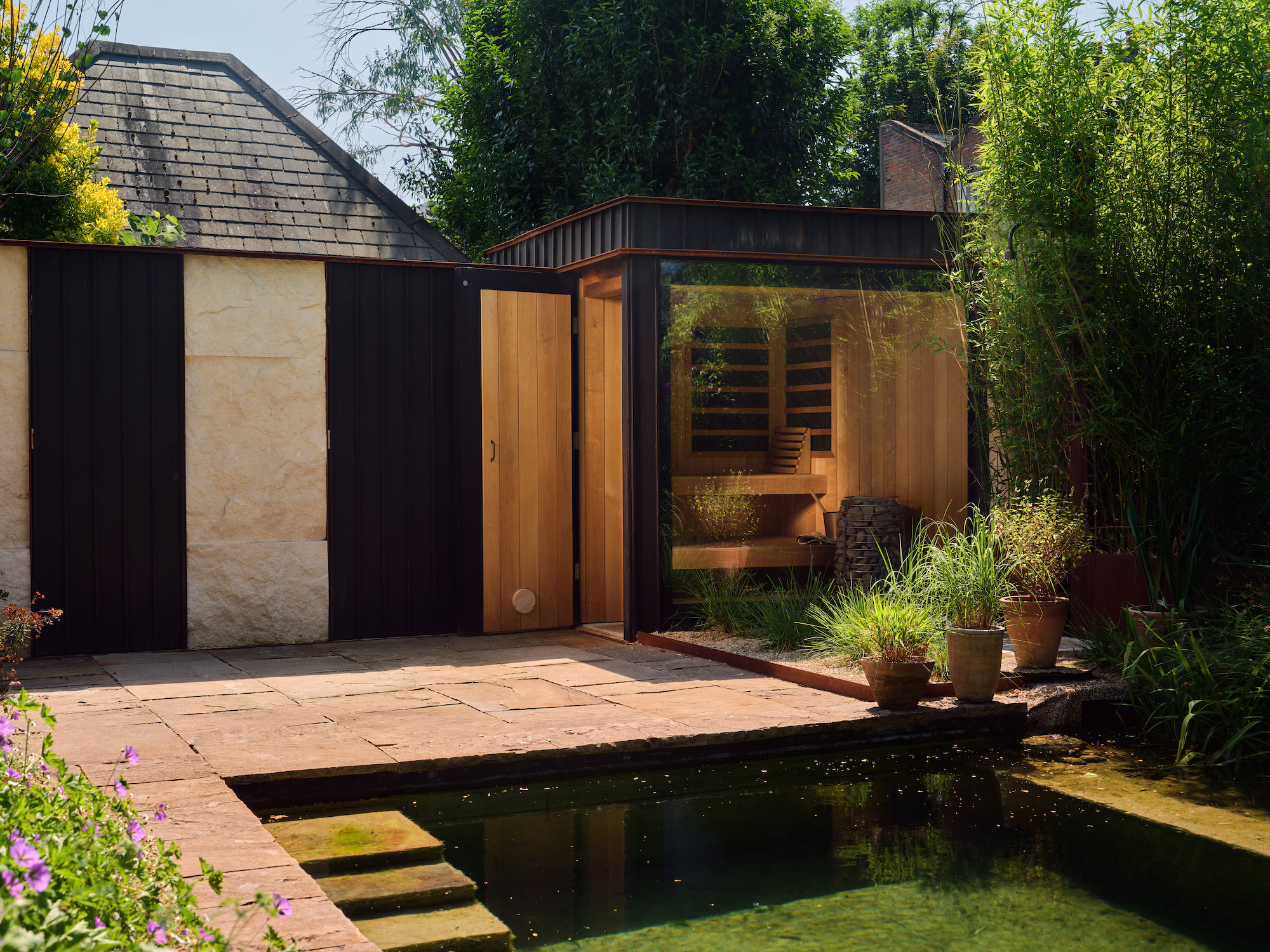
Accessed either internally from the office above or from the street through a landscaped entrance, the arrival is deliberately domestic in tone. A short stepping-stone path leads to a raised, covered porch with space for a small bistro table and chairs. Brick paving, Millboard composite cladding and timber-framed glazing set a residential note before visitors even step inside.


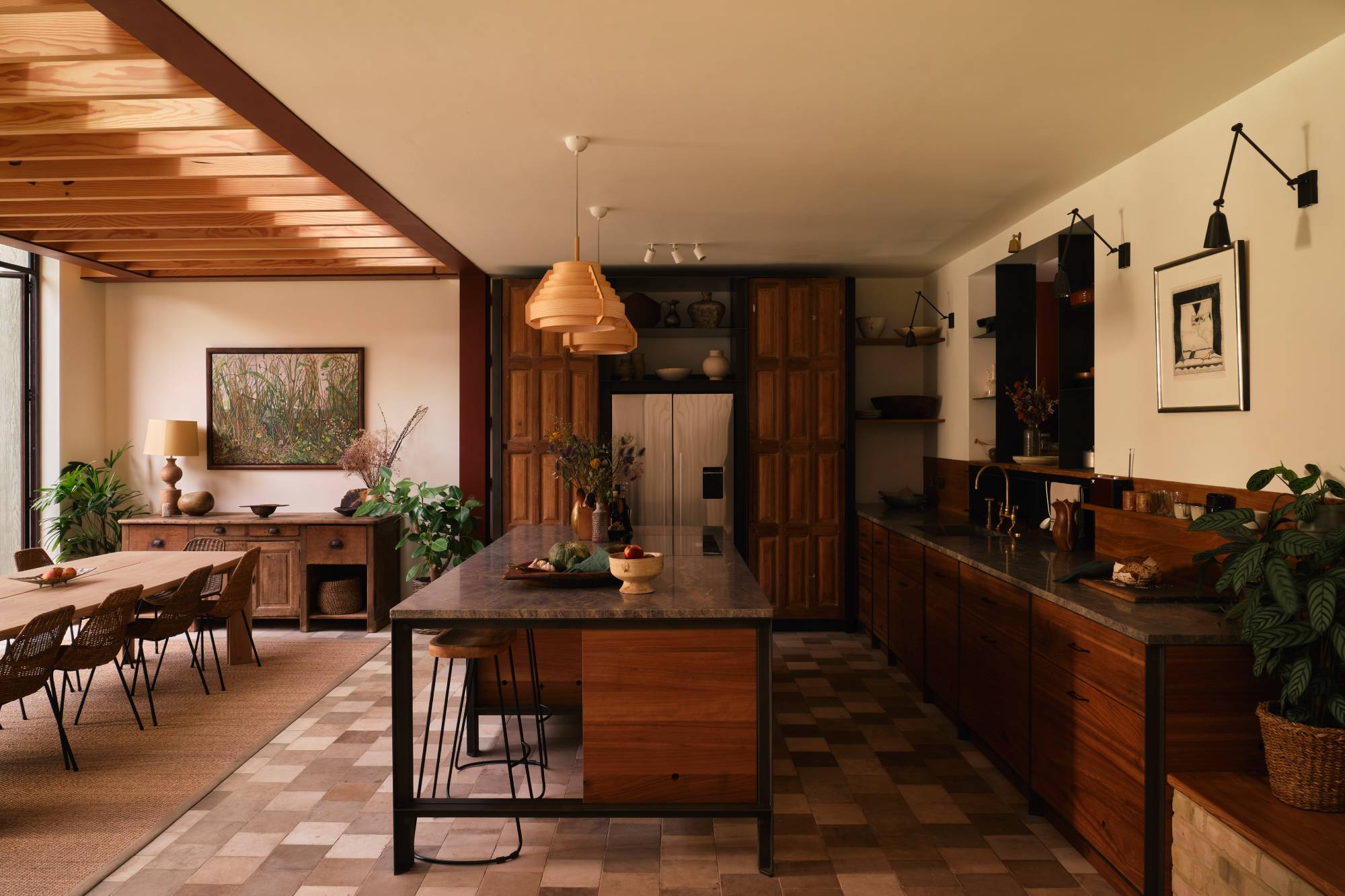
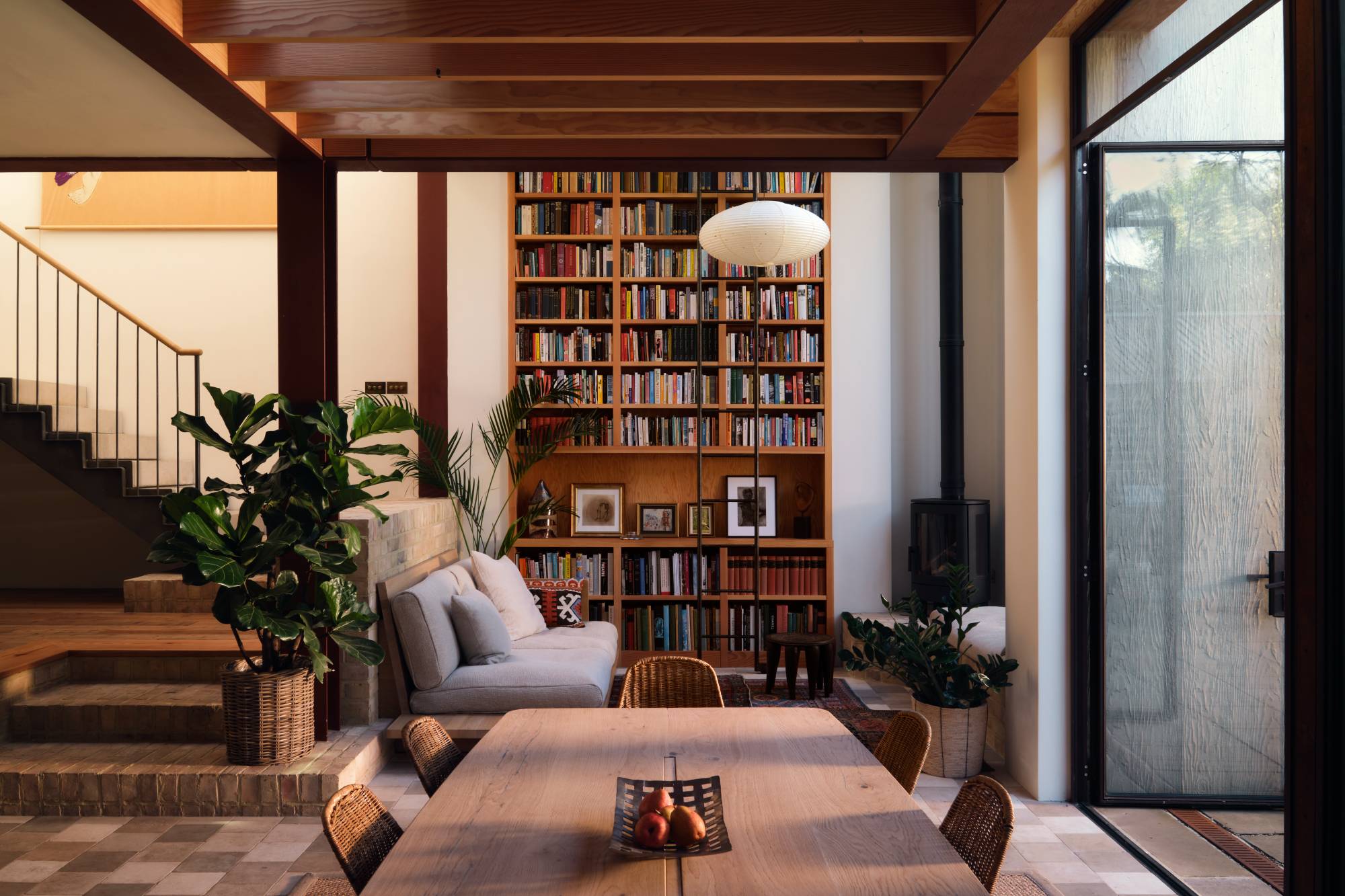
The interior is organised as a single open volume, with gentle zoning created by joinery and furniture rather than walls. A large kitchen island replaces a conventional reception desk, offering a familiar focal point for informal introductions and refreshments. Beyond it, a substantial oak dining table seating up to 20 anchors the room and doubles as a setting for team meetings, client presentations and evening events.


Materiality is central to the studio’s purpose. Soft clay plaster walls from Clayworks and warm timber finishes moderate the scale of the space, creating an atmosphere that is calm rather than corporate. Timber wall panelling by Solid Floor forms a feature ‘project wall’ where curated palettes and moodboards from current commissions are displayed. Rather than overwhelming clients with endless samples, the display offers proven combinations that reflect the practice’s aesthetic and help guide discussions.


Every element has been chosen to perform a dual role: functioning in daily use while demonstrating the sort of specification clients might encounter in their own projects. The kitchen worktop is by Bulthaup, lighting is supplied by Orluna, and windows and doors are from Josko via S&T. Seating includes chairs by HAY supplied by Holloways of Ludlow, a bench by Konk, and a table by Ennis & Brown. Shelving was made by a local craftsman, reinforcing the studio’s emphasis on provenance and making.


The result is a space that can adapt easily from a quiet retreat for focused work to a convivial venue for dinners and workshops, without losing its underlying sense of intimacy. For senior architect Emily Johnson, the rationale is about removing barriers between idea and reality. “When clients can sit at a table we would specify for their own home, or run a hand along a timber wall that could feature in their project, it demystifies the process,” she says. “They experience the quality and aesthetic firsthand, which makes decisions less intimidating and the entire creative journey more collaborative.”


In that sense, the studio is not simply an accompaniment to the Winchester office but a physical embodiment of McLean Quinlan’s ethos: an environment where craftsmanship, material honesty and careful detailing are not just discussed, but felt.


All images: Jim Stephenson


limittext
Off
Exclude From Lists
Include
Company Tags
M10
CAPTCHA
SEO Title
McLean Quinlan's Tactile Studio Beneath it's Winchester Office
Read more
Main Image
1.jpg

News: Stone Federations Plans for 2026 Unveiled

2026-01-27


Stone Federation has outlined a full programme of activity for 2026, with a year of seminars, trade shows, networking events and training opportunities planned for members.


The organisation is playing a key role in what we hope is a stone renaissance with a growing interest from architects, interior designers, structural engineers and clients. That interest is not only in the aesthetic qualities of natural stone, but also in its sustainable versatility and its potential role in decarbonising the built environment. Stone Federation’s focus for the year ahead is to build on that momentum by pairing inspiration with practical information and education.


A central tenet of that work will be the continued development of the Guide to Structural Stone, an online resource library that has already been accessed by hundreds of architects, engineers and designers. In 2026, several new chapters are due to be added, including content on testing, reuse and spolia. The guide is intended to provide a growing knowledge base to support the use of natural stone as a mainstream construction material.


Education around structural stone will also be supported by the fourth edition of The Stone Symposium, which is set to bring together leading voices on stone’s sustainability story and further develop the conversation around its structural use.


Alongside this, Stone Federation will continue to grow its sector groups and forums, including the Interiors & Surface Materials Focus Group, Landscape Forum, Stone Heritage Forum and Quarry Forum. These groups are open to all Stone Federation members and are designed to give companies a direct role in shaping the direction and activity of the Federation within their sector.


Training will also be delivered through the Stone Academy, which is planning a range of courses for 2026. These will run from the Industry New Starters course through to specialist training in stone for interiors. All courses are exclusive to Stone Federation members.


The Women in Natural Stone Group (WINS) will also be expanding its programme, building on the success of recent years with a series of networking and education events for women in the industry. These will be hosted across the UK, with details available via the group’s mailing list.


The year will culminate in December with the 2026 Natural Stone Awards. The event is expected to bring together architects, interior designers, clients, local authorities and developers to celebrate outstanding projects from the natural stone sector. Entry for the Awards is now open and will close on Friday 20 March 2026. 


limittext
Off
Exclude From Lists
Include
Company Tags
M10
CAPTCHA
SEO Title
Stone Federations Plans for 2026 Unveiled
Read more

Pagination

  • First page « First
  • Previous page ‹ Previous
  • Page 1
  • Page 2
  • Current page 3
  • Page 4
  • Page 5
  • Page 6
  • Page 7
  • Page 8
  • Page 9
  • …
  • Next page Next ›
  • Last page Last »
Subscribe to
  • Advertise
  • Contact Us
  • Acceptable Use
  • Copyright Notice
  • Privacy Policy

© Media 10 Ltd. All Rights Reserved